
Quantifying Heat Output by Lighting Type in Data Centers: Technical Comparisons, PUE Impact, and Retrofit ROI
- The Link Between Lighting and Cooling Loads
- How Different Lighting Types Generate Heat
- Comparing Lighting Technologies by Heat Output
- The Role of Lighting in PUE (Power Usage Effectiveness)
- Real-World Cases: How Lighting Affects Cooling Efficiency
- Emerging Technologies That Reduce Thermal Load
- Design and Retrofitting Advice from the Field
- Final Notes: Smart Lighting, Smarter Cooling
- Frequently Asked Questions (FAQ)
Key Takeaways
| Feature or Topic | Summary |
|---|---|
| Lighting Heat Impact | Lighting can increase cooling demand and affect data center PUE. |
| LED Advantage | Modern LEDs like Squarebeam Elite reduce heat output significantly. |
| Real-World ROI | Facilities save up to 9% annually in combined lighting and HVAC energy. |
| Best Options | Quattro Triproof Batten, SeamLine Batten, and driverless PoE systems. |
1. The Link Between Lighting and Cooling Loads
Lighting in a data center doesn’t just illuminate—it radiates heat, too. And while server racks get most of the attention, the wrong lighting setup can quietly nudge up your cooling costs.
Every watt consumed by a light fixture becomes heat, and in tightly controlled environments, that heat demands removal. Multiply that by dozens or hundreds of fixtures, and it adds up.
We’ve seen facilities where outdated fluorescent lights contributed up to 5% of total heat load. That may sound small, until your HVAC system is straining at the edge.
2. How Different Lighting Types Generate Heat
Heat output comes down to electrical efficiency. The more inefficient the light, the more of its input power becomes waste heat instead of light. Here’s the rough hierarchy:
- Incandescent: Only ~10% of energy goes to light. The rest? Pure heat.
- Halogen: Slightly better than incandescent, but still thermally intense.
- Fluorescent & CFL: More efficient, but contain ballasts and gas-discharge mechanisms that heat up fast.
- LED: Highest efficiency; most energy becomes usable light with minimal thermal radiation.
Modern LED systems use passive aluminum heatsinks or thermally managed housings to push residual heat away from sensitive components.
3. Comparing Lighting Technologies by Heat Output
We compiled a comparative table showing estimated heat output across lighting types, normalized to equivalent light levels (approx. 2,000 lumens per fixture):
| Lighting Type | Wattage | Approx. Heat Output (BTU/hr) | Efficiency (Lumens/Watt) |
|---|---|---|---|
| Incandescent | 100W | 341 | 15 |
| Fluorescent | 32W | 110 | 60 |
| LED | 18W | 62 | 110 |

4. The Role of Lighting in PUE (Power Usage Effectiveness)
PUE = Total Facility Energy / IT Equipment Energy. Lighting heat raises the numerator without helping the denominator.
By lowering lighting heat output, you’re essentially reducing the non-IT overhead. Facilities that switched to LED often report a PUE improvement of 0.02 to 0.05, which may sound small—until you apply it to a $3M/year energy budget.
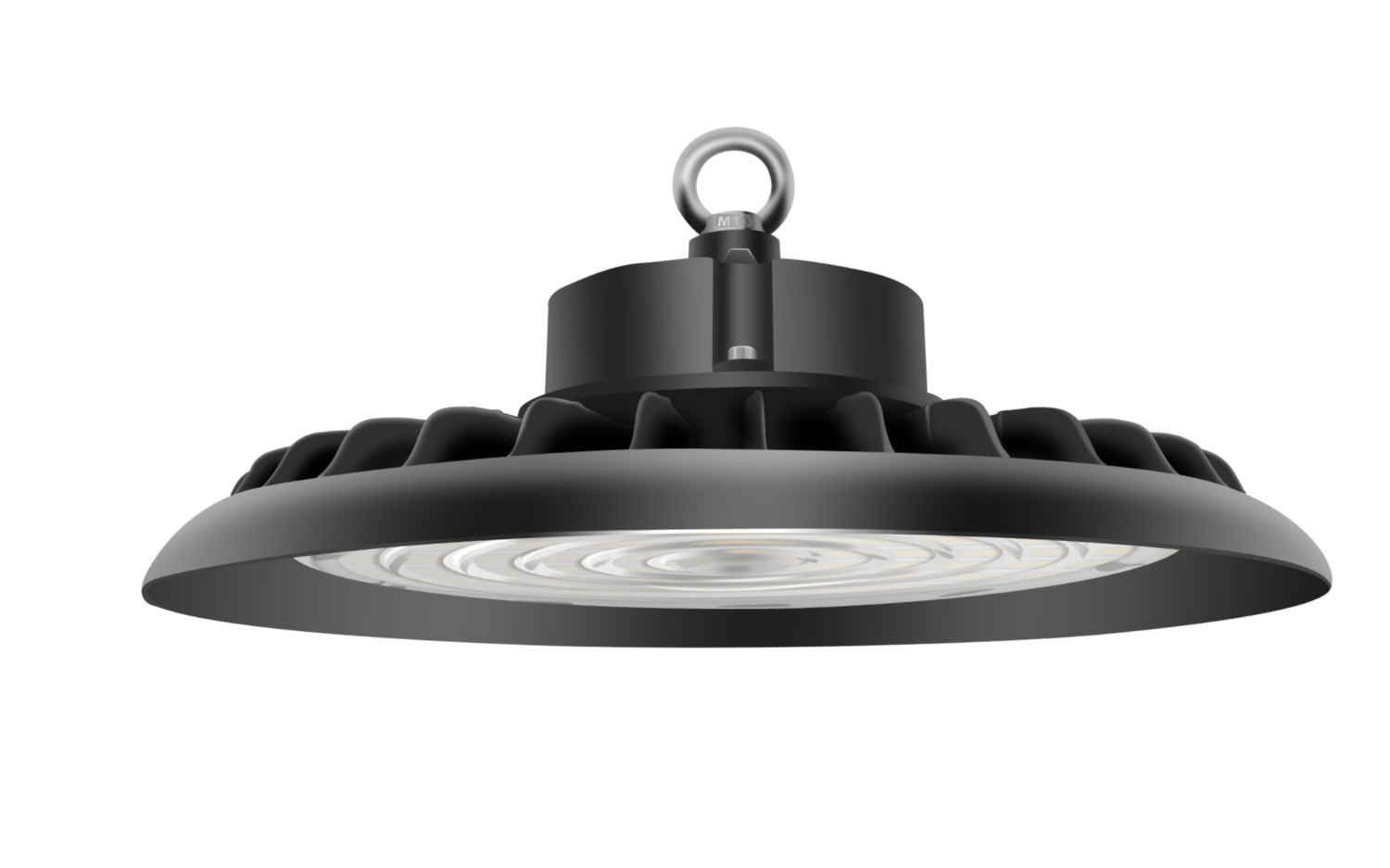
CAE Lighting’s products like the Budget High Bay Light were developed for this exact balance: efficient, low heat, and maintenance-friendly.
5. Real-World Cases: How Lighting Affects Cooling Efficiency
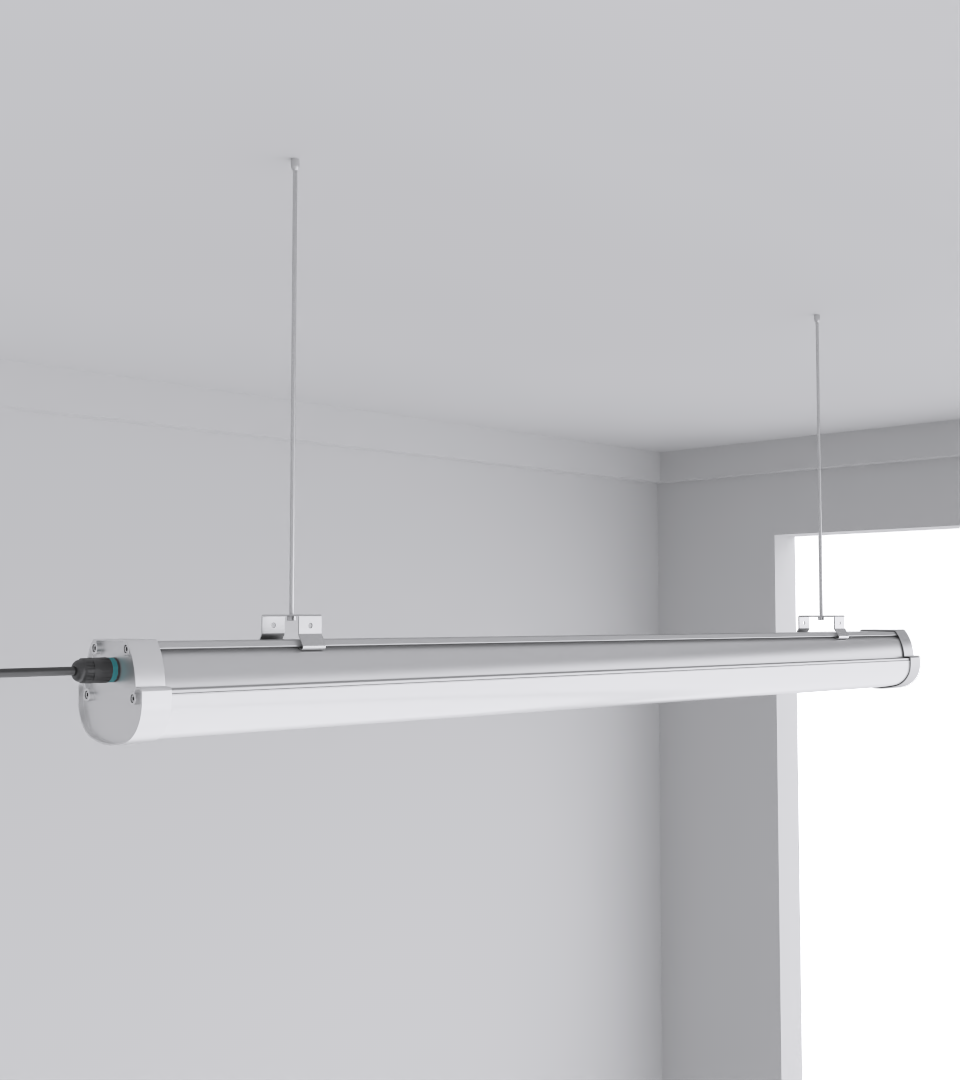
In one upgrade we managed for a tech colocation facility in Malaysia, the client replaced over 320 fluorescent tubes with SeamLine Battens. Within the first month, their cooling system showed a 7.8% drop in runtime during peak hours.
Not only did lighting power drop by ~60%, but indirect savings from reduced HVAC load exceeded expectations. Over the course of a year, this resulted in a net operational energy saving of 9.2%.
- Old System: 12.2kW lighting + HVAC compensation
- New System: 4.8kW lighting + reduced HVAC load
- Payback Period: 14 months
6. Emerging Technologies That Reduce Thermal Load
LED isn’t the finish line—it’s the starting point. We’re now seeing adoption of:
- Driverless LED Systems: Reduced internal circuitry = less thermal loss
- PoE Lighting: Transfers both power and control via Ethernet—cutting high-voltage loss and heat
- Smart Dimming: Occupancy-based dimming reduces overall heat without impacting usability
CAE Lighting’s R&D team has already begun prototyping sensor-driven luminaires compatible with dynamic rack cooling zones. This coordination reduces over-lighting—and the overcooling that follows it.
7. Design and Retrofitting Advice from the Field
If you’re planning new builds, design lighting heat out of the space early. A few principles we follow:
- Always separate lighting zones from HVAC zones to isolate residual heat
- Use IP65+ rated LED battens for containment areas—less heat, longer life
- Plan for occupancy dimming where human access is minimal (e.g., cold aisles)
In retrofit jobs, target lighting first—it offers faster ROI than replacing chillers or adding airflow paths.
8. Final Notes: Smart Lighting, Smarter Cooling
Lighting may not be your biggest energy consumer—but it’s one of the few that gives you a double return: reduce its wattage, and you reduce its heat.
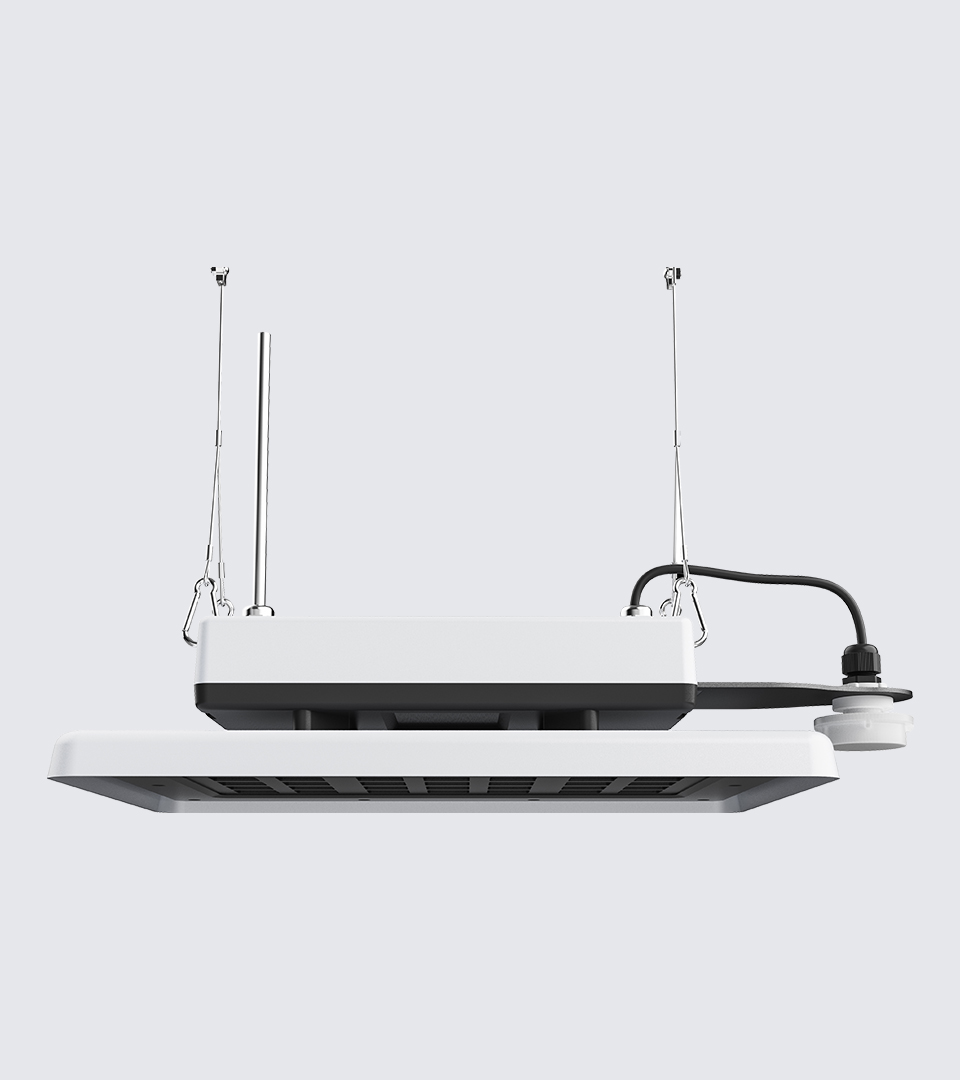
With CAE Lighting’s lineup—from Squarebeam Elite to Budget High Bay Light—we’ve designed systems to minimize downstream cooling pressure. And that’s not just good for PUE. It’s good for uptime, too.
Lighting decisions today shape your facility’s thermal future. If you’re unsure where to start, explore our consultation service to audit your current setup.
Frequently Asked Questions (FAQ)
Which lighting type produces the most heat in data centers?
Incandescent and halogen lights produce the most heat. These should never be used in modern data centers due to their inefficiency and thermal output.
How much heat does an LED light add to a data center?
Typical high-efficiency LED fixtures produce around 62–70 BTU/hr per unit, far less than legacy options. The actual impact depends on wattage and quantity used.
Does lighting significantly affect my PUE?
Yes, especially in older facilities. Swapping high-wattage lights for low-heat LEDs improves PUE by cutting down both direct consumption and cooling overhead.
What’s the fastest ROI lighting upgrade?
Replacing legacy fluorescent or CFL tubes with LED battens like the SeamLine Batten provides fast ROI—typically under 18 months due to combined energy and cooling savings.
Can smart lighting help reduce heat output?
Yes. Motion sensors, occupancy dimming, and PoE systems reduce both runtime and heat output, especially in low-traffic areas.