
Cleaning Protocols for Data Center Fixtures: ISO 14644-1 Compliance, Tools, and Schedules
- Why Clean Fixtures Matter More Than You Think
- What Counts as a Fixture in a Data Center?
- What Happens If You Don’t Clean?
- What Standards Actually Apply?
- Fixture-Specific Cleaning Protocols
- Tools That Actually Work in the Field
- Cleaning Schedules That Make Sense
- Don’t Let Cleaners Break Your Security
- Frequently Asked Questions
Key Takeaways
| Topic | Summary |
|---|---|
| Importance of Cleaning Fixtures | Prevents overheating, contamination, and compliance failures |
| Types of Fixtures | Lighting units, cable trays, HVAC vents, server racks, raised flooring |
| Risks of Neglect | Fire hazards, equipment failure, regulatory fines |
| Best Practices | Anti-static tools, HEPA vacuums, structured schedules |
| Regulatory Frameworks | ISO 14644-1, ASHRAE standards |
| Tools Needed | HEPA vacuums, ESD-safe wipes, PPE |
| Cleaning Schedules | Daily, weekly, monthly, and quarterly breakdowns |
| Security Integration | Access control, cleaning logs, trained personnel |
Why Clean Fixtures Matter More Than You Think
Data centers aren’t messy kitchens, but they sure can collect a dangerous amount of dust. Fixtures like lights, trays, HVAC vents, and rack surfaces quietly accumulate particles that can disrupt airflow, retain heat, and even pose fire risks.
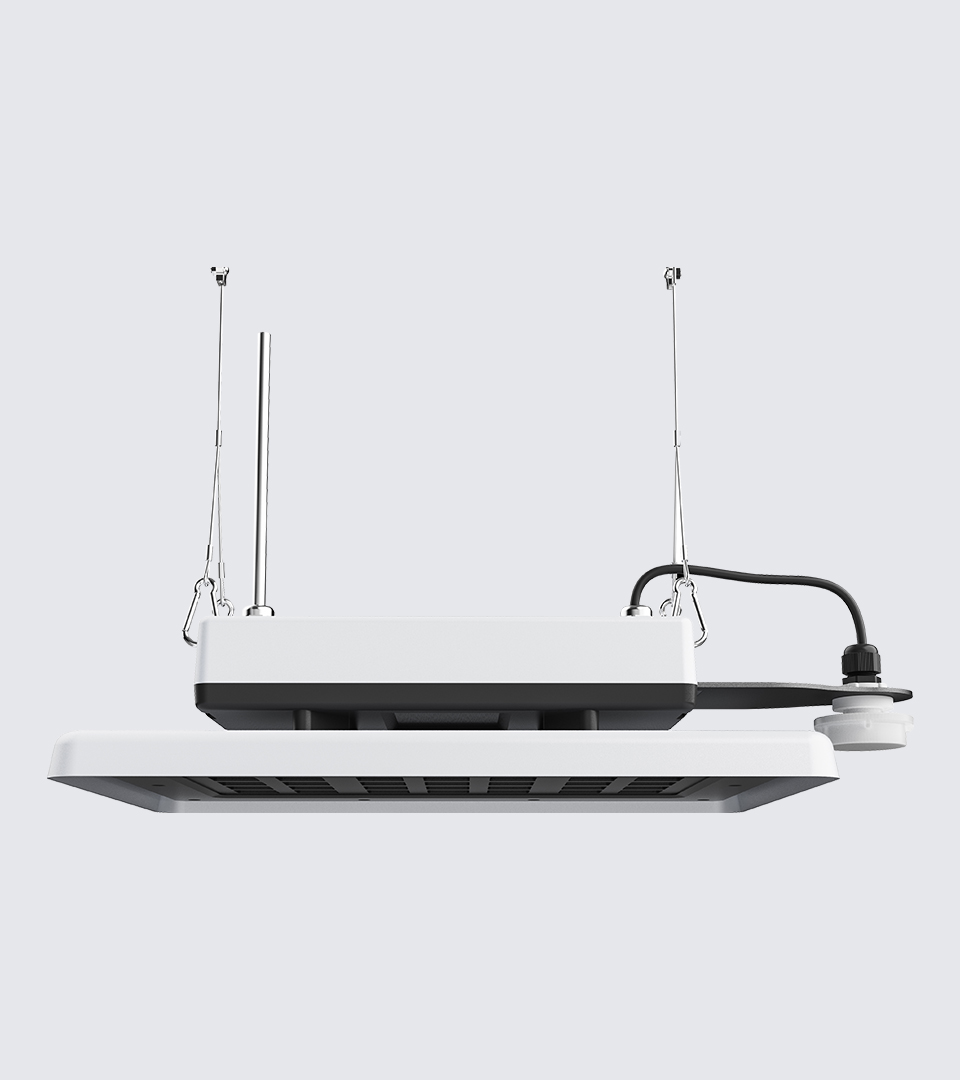
Most system failures trace back to physical conditions that were preventable. At CAE Lighting, we once had to replace over 80 luminaires prematurely simply due to poor dust control in a cold aisle. That sort of avoidable loss is why proper cleaning isn’t optional—it’s maintenance.
What Counts as a Fixture in a Data Center?
- LED Luminaires: Wall-mounted, ceiling-recessed, suspended, or modular
- Cable Trays: Especially above cold/hot aisles
- HVAC Grilles and Filters: Critical to maintaining ISO 14644-1 compliance
- Server Racks: Not technically fixtures, but their contact surfaces are treated similarly
- Raised Floor Systems: The underfloor plenum collects more debris than you’d think

What Happens If You Don’t Clean?
- Blocked airflow over LED drivers, reducing lifespan
- False triggers in occupancy sensors
- Increased thermal load inside containment aisles
- Electrostatic buildup risking sensitive gear
What Standards Actually Apply?
- ISO 14644-1: Defines maximum particulate levels for clean zones
- ASHRAE TC9.9: Offers environmental design guidelines
- Local Fire Codes: Often mandate clearances around lighting and cable trays
Fixture-Specific Cleaning Protocols
| Fixture Type | Cleaning Frequency | Tools Required | Special Notes |
|---|---|---|---|
| LED Luminaires | Monthly | ESD-safe wipes, microfiber | Avoid solvents near lens seals |
| Cable Trays | Quarterly | HEPA vacuum, bristle brush | Ensure trays are de-energized |
| HVAC Diffusers | Monthly | Disposable cloths, vacuums | Replace filters per ASHRAE |
| Server Racks | Weekly | Anti-static wipes | Don’t block airflow |
| Raised Floors | Bi-annually | Floor-lifters, vacuums | Check bonding after reinstall |
Tools That Actually Work in the Field
- HEPA Vacuums: 99.97% effective down to 0.3μm for dust and particulates
- Anti-Static Sprays: Minimize electrostatic discharge around live gear
- Microfiber Cloths: Non-linting and safe for sensitive surfaces
- Low-Residue Cleaners: Always patch test before full application
- Personal Protective Equipment (PPE): Nitrile gloves, ESD footwear, safety glasses
Cleaning Schedules That Make Sense
- Daily: Quick walkthroughs, visual dust checks
- Weekly: Clean rack fronts, luminaires within reach
- Monthly: HVAC vents, ceiling lighting, and aisle-mounted units
- Quarterly: Cable trays, high-mounted lighting, underfloor access spaces
- Annually: Full facility audit, log review, cleaning SOP revision
Tip: Always align quarterly or annual cleaning with low-traffic maintenance windows to minimize disruption.
Don’t Let Cleaners Break Your Security
Even well-trained cleaning crews can pose a risk if protocols aren’t strictly followed. Here’s how to lock it down:
- Access Control: Use zone-based badge authentication and temporary logins
- Documentation: Maintain real-time logs of who cleaned what and when
- Vendor Training: Ensure contractors pass data center cleaning certifications
Every audit trail counts. Security isn’t just digital — physical breaches start with a forgotten checklist.
Frequently Asked Questions
Q: How often should fixtures be cleaned in a Tier III facility?
A: Lighting and HVAC should be checked monthly, cable trays quarterly, and underfloor spaces at least twice per year.
Q: What’s the risk of not using anti-static materials?
A: Electrostatic discharge (ESD) can destroy sensitive components; always use certified ESD-safe tools.
Q: Can in-house IT teams perform this cleaning?
A: They can handle surface wipe-downs, but deeper cleaning is best left to trained professionals with the right gear.
Q: Are certain luminaires easier to clean?
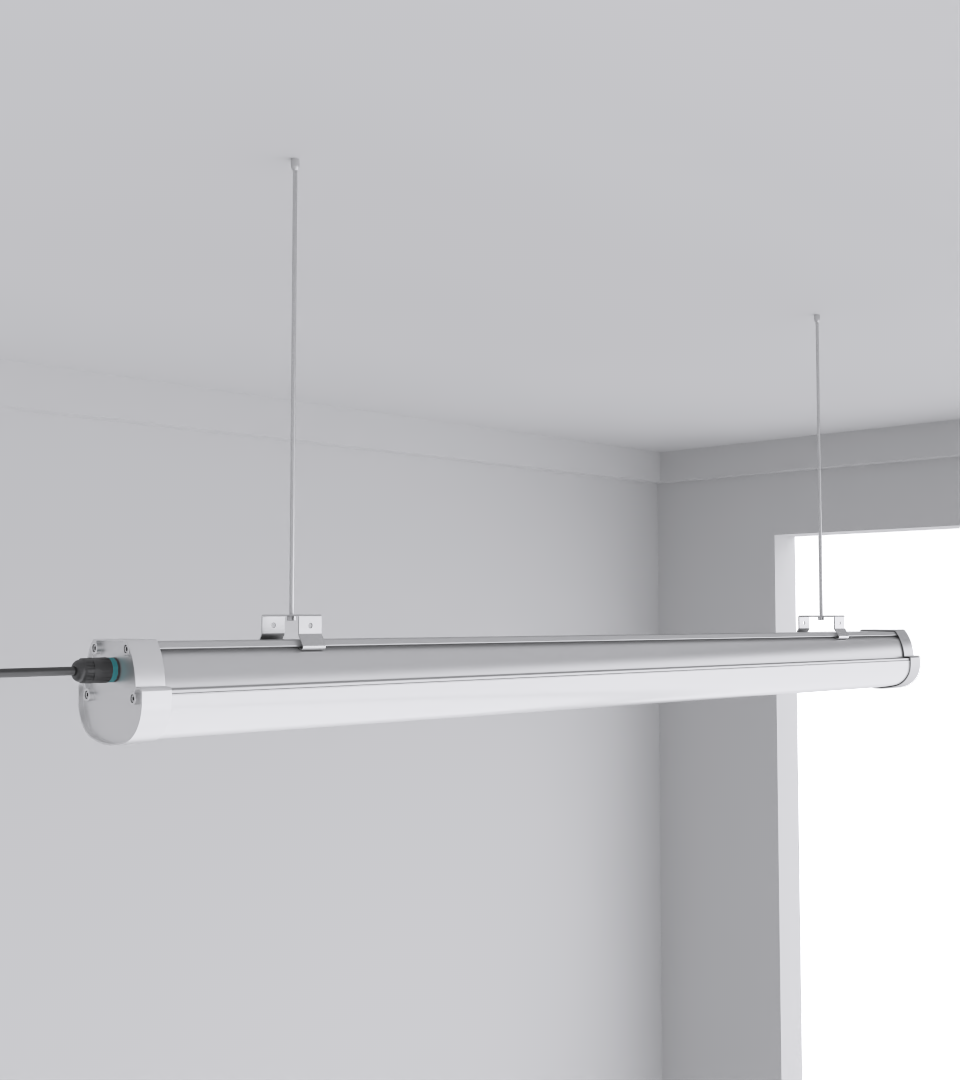
A: Yes. Products like the SeamLine Batten are designed with smooth, dust-resistant profiles for easy maintenance.
Q: Should cleaning be logged?
A: Absolutely. Logging is critical for ISO and client audits and helps avoid disputes or missed procedures.