
Vibration and EMI Shielded Fixtures for Data Centers: Engineering Stability for High-Performance Infrastructure
- Why Vibration and EMI Still Get Ignored in Data Center Design
- What Causes Vibration in Data Centers?
- What Exactly is EMI and How Does It Happen?
- Why You Can’t Treat EMI and Vibration Separately
- Regulatory Standards to Take Seriously
- Choosing the Right Materials (This Actually Matters)
- Real-World Install Advice From Our Field Work
- Closing Recommendations and Selection Shortlist
- Frequently Asked Questions (FAQ)
Key Takeaways
| Feature or Topic | Summary |
|---|---|
| Vibration and EMI | Reduce uptime and corrupt data integrity if not managed. |
| Sources | HVAC, traffic, seismic activity, and more. |
| Solutions | Integrated fixtures, shielding, vibration isolation techniques. |
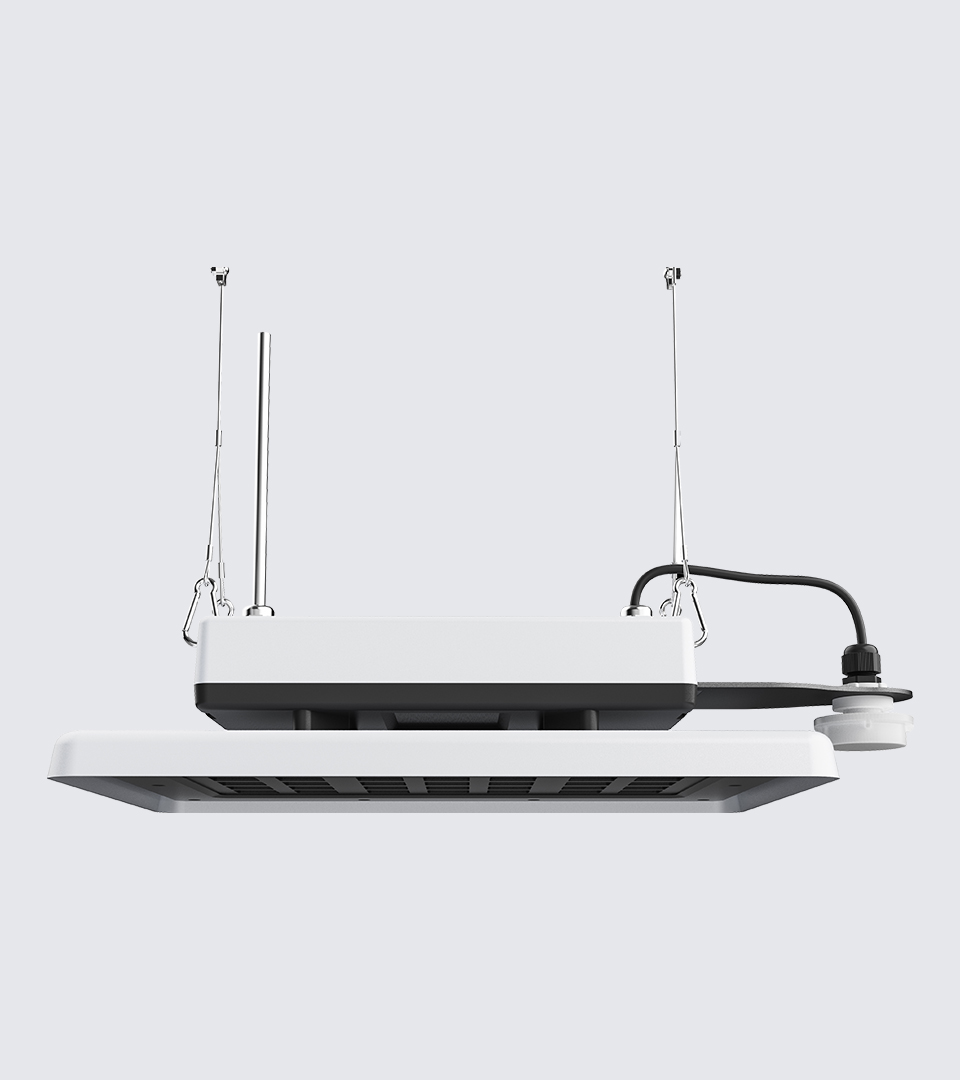
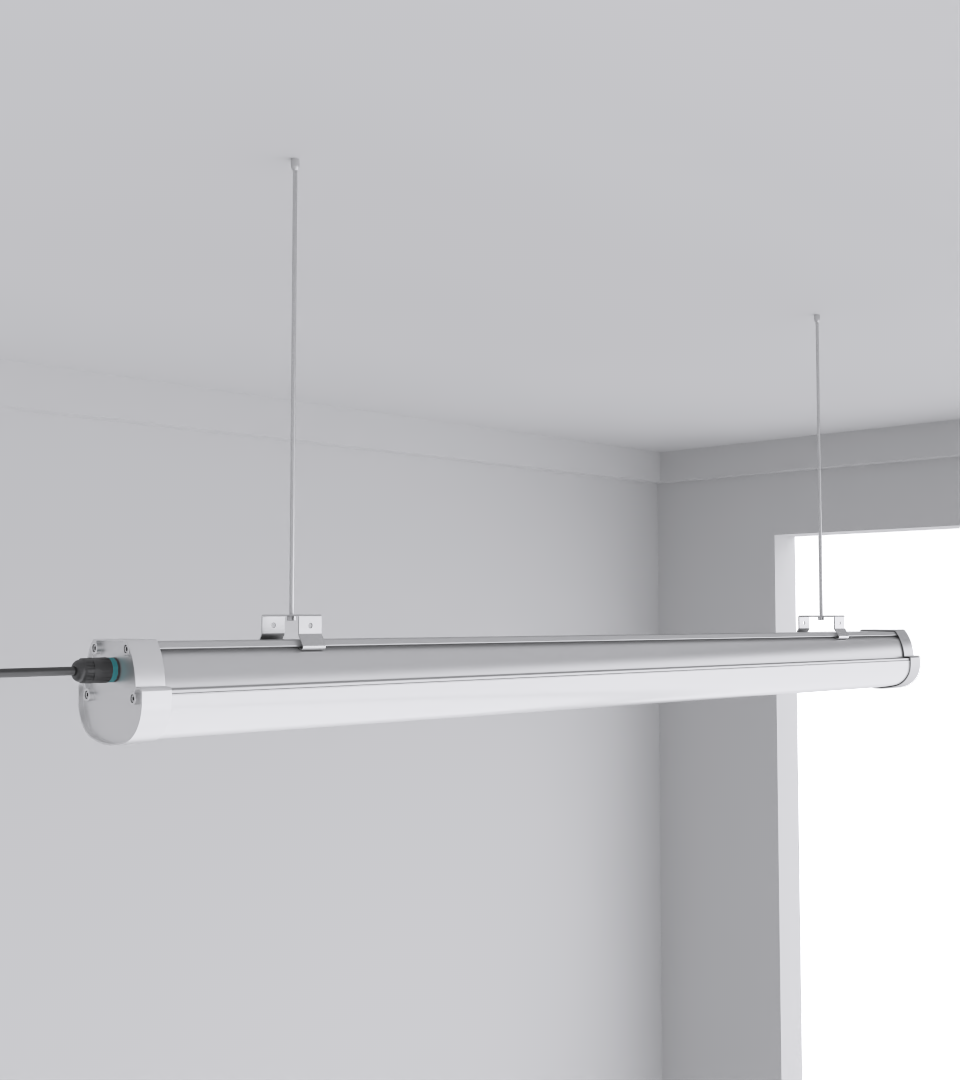
| CAE Lighting Products | Squarebeam Elite, Quattro Triproof Batten, SeamLine Batten. |
1. Why Vibration and EMI Still Get Ignored in Data Center Design
Data centers are built for uptime—but too often, subtle mechanical forces or invisible noise ruin the plan.
- Vibration isn’t always felt, but it destabilizes sensitive equipment.
- EMI disturbs power lines, crashes network signals, and shortens component life.
- Together, they cause cascading effects: misreads, heat stress, drive failures.
“We had a row of drives in Bangkok fail over 9 months. It traced back to floor-borne vibration from a server-cooling pump, not the drive specs.”
2. What Causes Vibration in Data Centers?
- HVAC turbulence and air-handling units
- Nearby rail lines or heavy machinery
- Structural harmonics from racks and raised floors
- Seismic activity in Zone 3 or 4 installations
“One Malaysia site had 50Hz resonance issues from their raised floor grid. It was subtle, but it messed with their patch panels.”

3. What Exactly is EMI and How Does It Happen?
- EMI = electromagnetic interference, and it comes from both internal (PSUs, fans, LEDs) and external (RF devices, lightning, etc.) sources.
- Affects Ethernet cables, server backplanes, signal-integrity paths
- Measured in dB of attenuation—good systems need 60–80 dB+ at 30MHz+
| Technique | Function |
|---|---|
| Copper mesh | Ground plane isolation |
| Faraday cage | Total field exclusion |
| Conductive gaskets | Panel-to-panel sealing |
| EMI filters | Line noise suppression |
4. Why You Can’t Treat EMI and Vibration Separately
They reinforce each other. Movement introduces field inconsistencies. Interference increases thermal drift. Both degrade digital signal thresholds.
Combined solution zones:
- High-density zones
- Edge computing cabinets
- Generator and UPS rooms
5. Regulatory Standards to Take Seriously
| Standard | Scope |
|---|---|
| ISO/IEC 11801 | Structured cabling & EMI compliance |
| FCC Part 15 | Radiated emissions for commercial devices |
| EN 55015 | Lighting equipment emission suppression |
CAE Lighting designs fixtures to meet or exceed these standards. If your lighting vendor doesn’t disclose dB attenuation or EMC test results, walk away.
More: Data Center Best Practices – CAE
6. Choosing the Right Materials (This Actually Matters)
| Material | Function |
|---|---|
| Aluminum alloy | Lightweight, RF conductive |
| Nickel-coated mesh | High shielding at high frequencies |
| Polyurethane dampers | Vibration energy absorption |
| Fiber-loaded gaskets | EMI sealing in IP65 fixtures |
Most vendors pick by cost. You can’t. You need specs:
- Conductivity: < 1 mOhm/sq
- Damping factor: 0.2+ at 10Hz–200Hz
7. Real-World Install Advice From Our Field Work
- Don’t mount EMI fixtures directly on vibrating structures—use isolators.
- Don’t mix RF materials (e.g., aluminum housing with copper gaskets)—electrolysis risk.
- Always verify ground continuity at junctions.
8. Closing Recommendations and Selection Shortlist
If you’re specifying fixtures for a data center:
- Prioritize dual-rated vibration/EMI tested SKUs
- Get component-level EMC certificates
- Look at CAE’s Squarebeam Elite or Quattro Triproof for integrated options
Need help? Talk to our engineering team →
Frequently Asked Questions (FAQ)
Q1: What’s the difference between EMI shielding and EMC compliance?
EMI shielding is the method; EMC compliance is the outcome. You shield to comply.
Q2: Do LED lights generate EMI?
Yes, poorly filtered drivers can radiate interference.
Q3: What’s a safe vibration threshold for IT racks?
Generally < 0.1 g RMS is safe, but sensitive systems prefer even lower.
Q4: Can fixtures solve EMI alone?
Only as part of a system—power filters, cabling, and layout all play a role.
Q5: Should I isolate lighting separately from the rack structure?
Yes. If lighting is grounded through the rack, it can transfer vibration and interference.