
CapEx vs OpEx in Data Center Lighting: Engineering Smarter Infrastructure ROI
- Capital vs. Operational Expense Considerations in Data Centers
- Why Lighting Is Central to Total Cost of Ownership (TCO)
- Understanding Capital Expenses in Data Center Lighting
- Operational Expenses: The Long-Term Game
- Smart Controls: The Hidden Accelerator
- Lighting’s Relationship with HVAC and Energy Load
- Sustainability & Compliance
- Case Study: ROI in Real Facilities
- Frequently Asked Questions (FAQ)
Key Takeaways
| Feature or Topic | Summary |
|---|---|
| CapEx (Capital Expenditure) | One-time investments: lighting fixtures, infrastructure, installation |
| OpEx (Operational Expense) | Ongoing costs: energy bills, maintenance, controls software |
| Smart Lighting ROI | Payback in 2–4 years with motion sensors and daylight harvesting |
| Impact on HVAC | Efficient lighting reduces heat load, lowering cooling costs |
| CAE Lighting Specialization | Energy-efficient, thermally optimized LED lighting for data centers |
Capital vs. Operational Expense Considerations in Data Centers
Data centers are precision-driven environments where cost efficiency isn’t optional. One of the most persistent decision-making challenges faced by facility managers and financial officers is how to approach lighting infrastructure: upfront capital investment or leaner ongoing operational costs?
Why Lighting Is Central to Total Cost of Ownership (TCO)
- It directly affects PUE (Power Usage Effectiveness) by generating heat
- Contributes to employee performance and safety, especially under 24/7 conditions
- Improves thermal zoning, indirectly impacting rack performance
Understanding Capital Expenses in Data Center Lighting
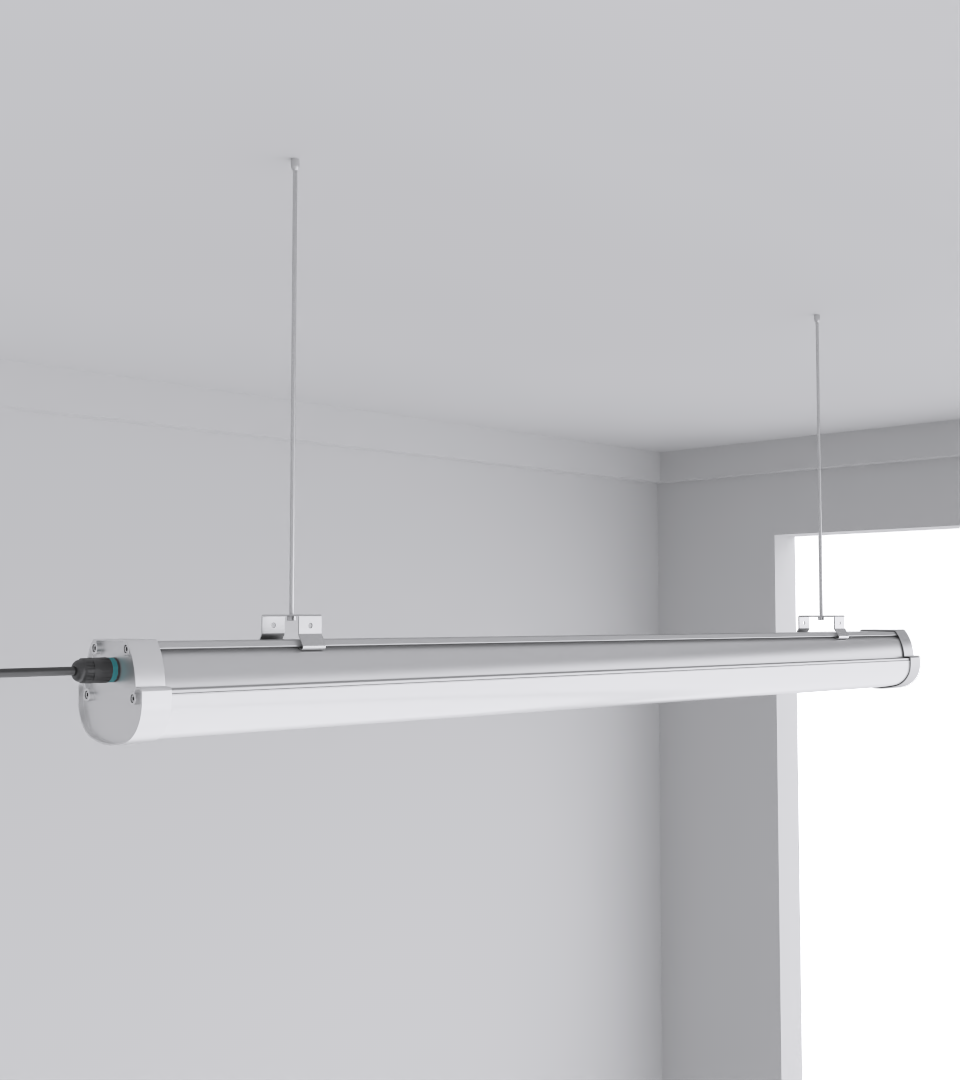
- Fixtures: e.g., SeamLine Battens, Squarebeam Elite
- Control Systems: Zigbee, DALI, Bluetooth Mesh
- Wiring & Installation
- Integration with Building Management Systems (BMS)

Key tip: Budget 15% extra CapEx for smart control-ready fittings, but expect a 25–35% OpEx reduction annually.
Operational Expenses: The Long-Term Game
- Maintenance cycles: cheaper with high-efficiency LEDs
- Software updates: for control platforms
- Cleaning and re-aiming: especially in dusty colocation sites
- Risk of failure: downtime can cost $1,000s per minute
Lifecycle costs can dwarf CapEx if not optimized.
Smart Controls: The Hidden Accelerator
- Motion-based dimming: essential in rarely used hot/cold aisles
- Daylight harvesting: even windowless zones can simulate natural light cycles
- Alerting systems: Predictive failure models reduce manual checks
Learn more in CAE’s guide on smart lighting integrations.
Lighting’s Relationship with HVAC and Energy Load
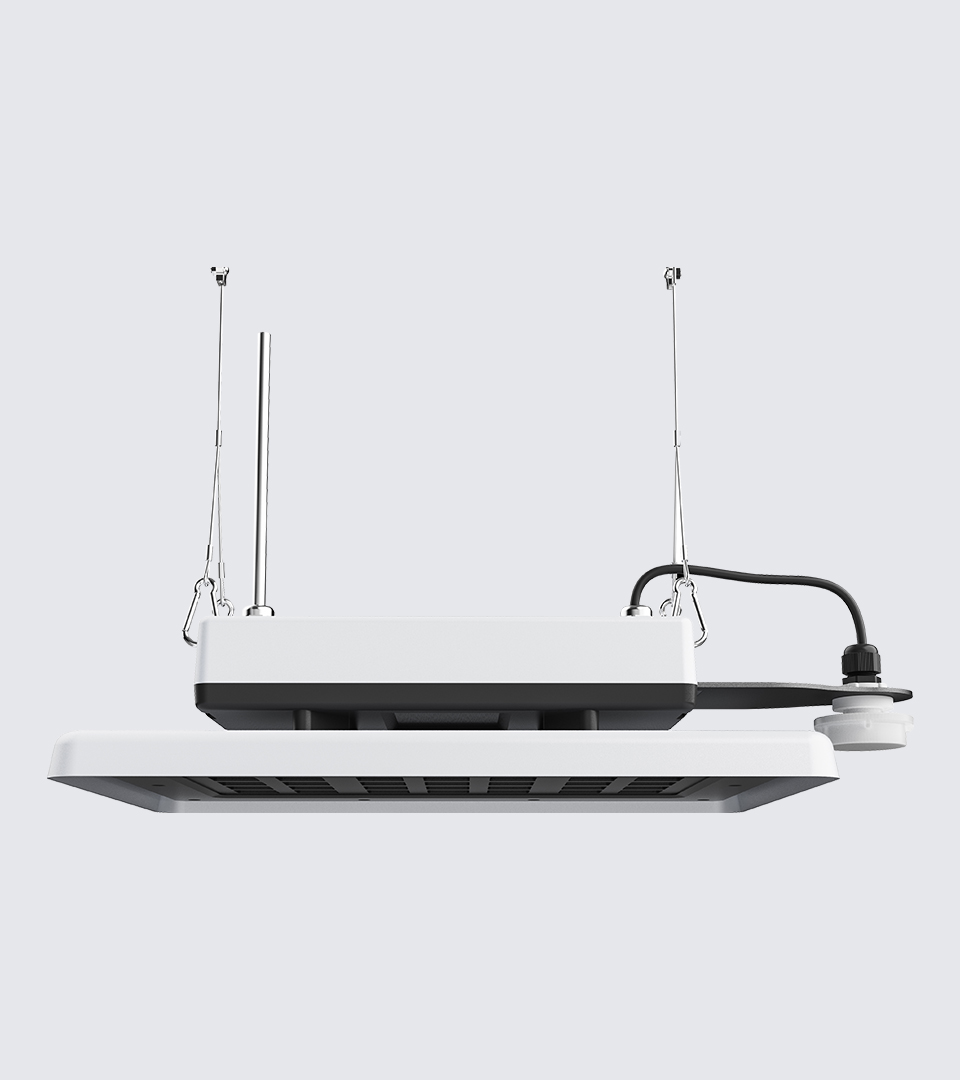
Every watt of light is also a watt of heat. CAE’s Squarebeam Elite emits minimal waste heat, directly easing cooling load.
| Lighting Power | Approx. BTU/hr | HVAC Impact |
|---|---|---|
| 1kW LED | ~3,412 BTU/hr | Medium |
| 1kW Fluorescent | ~3,800 BTU/hr | High |
LED reduces HVAC system strain, which compounds into real OpEx savings.
Sustainability & Compliance
- CAE holds ISO 9001, 14001, and 45001 certifications
- LED lighting contributes to lower emissions and energy ratings
- Supports LEED and national energy compliance mandates
See how Thailand’s $2.7B data center push includes CAE-led lighting upgrades
Case Study: ROI in Real Facilities
At a Tier 3 colocation site in Johor:
- Quattro Triproof Batten + Zigbee controls
- CapEx increase of 12% vs baseline
- OpEx drop of 31% in 14 months
ROI achieved in under 2 years.
Explore CAE’s complete data center lighting lineup.
FAQ
Q: How does LED lighting reduce OpEx?
A: Through energy efficiency, lower maintenance, and reduced cooling costs.
Q: Is the higher CapEx for smart lighting worth it?
A: Yes. Payback typically occurs in 18–36 months.
Q: Can lighting affect PUE?
A: Absolutely. Poor lighting increases heat load and drives up PUE.
Q: What’s the best CAE product for high-heat zones?
A: Squarebeam Elite — built for thermal resilience.
Q: What are low-voltage lighting systems?
A: Systems that reduce both installation cost and ongoing energy losses, often used in distributed control designs.
Contact the CAE team for more insights or to request samples.