
How Battery-Free Wireless Sensors Are Revolutionizing Data Center Lighting and Energy Efficiency
- Why Battery-Free Lighting Sensors Matter in Data Centers
- What Battery-Free Wireless Sensors Actually Are
- Installation Considerations for Data Centers
- Communication Protocols and Integration
- Real Data Center Use Cases
- Cost Breakdown and ROI Model
- Common Challenges and Design Tips
- FAQ: Battery-Free Wireless Sensors in Data Centers
Key Takeaways
| Topic | Summary |
|---|---|
| Main Benefit | Zero-maintenance lighting sensor solution with no battery replacements required |
| Why Data Centers? | Reduces energy waste, enhances uptime, minimizes heat from traditional sensors |
| Technology | Uses energy harvesting from RF, kinetic motion, indoor PV cells to operate wirelessly |
| Leading Protocols | BLE-Backscatter, EnOcean, Zigbee, Li-Fi, NeoMesh |
| Installation Note | Placement matters—aligned with cold aisles, airflow paths, and rack density |
| Top Vendors | EnOcean, Powercast, DraculaTech |
| ROI Expectation | 2.5–3.5 year payback on average from energy and maintenance savings |
| Integration | Connects to BMS, BACnet, RESTful APIs for full facility insight |
1. Why Battery-Free Lighting Sensors Matter in Data Centers
Data centers are heat-intensive, uptime-critical spaces where even minor power disruptions or maintenance oversights can lead to cascading problems. Lighting plays a part in both thermal load and energy consumption—but sensors are often overlooked.
Battery-free wireless sensors solve two problems at once:
- They eliminate the need for ongoing battery replacement.
- They avoid cable disruptions or retrofits in live environments.
2. What Battery-Free Wireless Sensors Actually Are
These sensors work without batteries by harvesting energy from one of several sources:
- RF Signals: Uses ambient radio frequencies to charge small capacitors.
- Kinetic Energy: Some systems use button presses or motion (e.g., EnOcean switches).
- Photovoltaic Cells: Designed to absorb ambient indoor light.
They store energy in supercapacitors for short bursts of data transmission.
Real-world application? These are deployed in hot aisles where wiring is impractical, or in cold aisles where access is restricted by HVAC patterns.
3. Installation Considerations for Data Centers
Lighting sensor placement in a data center isn’t as simple as “where it fits.”
Key considerations:
- Align sensors with cold aisle containment—temperature sensors can adjust lighting and cooling accordingly.
- Place above racks but clear from high-velocity airflow paths.
- Use wireless mesh to ensure communication redundancy.
Include sensors in site design before cabling. It’s more efficient.
4. Communication Protocols and Integration
Battery-free sensors must still talk to something. That’s where BLE-Backscatter, Zigbee, or EnOcean come in. Some environments also use NeoMesh or even Li-Fi.
Systems can be tied directly into:
- Building Management Systems (BMS)
- RESTful APIs for analytics platforms
- DCIM tools to monitor racks, cooling, lighting in unison
5. Real Data Center Use Cases
CAE Lighting has deployed these solutions across several Southeast Asian logistics and server facilities.
Example: In a Kuala Lumpur facility, retrofitting traditional PIR sensors failed because battery replacements were overlooked. Switching to RF-harvested sensors resulted in a 28% drop in sensor-related downtime incidents over 18 months.
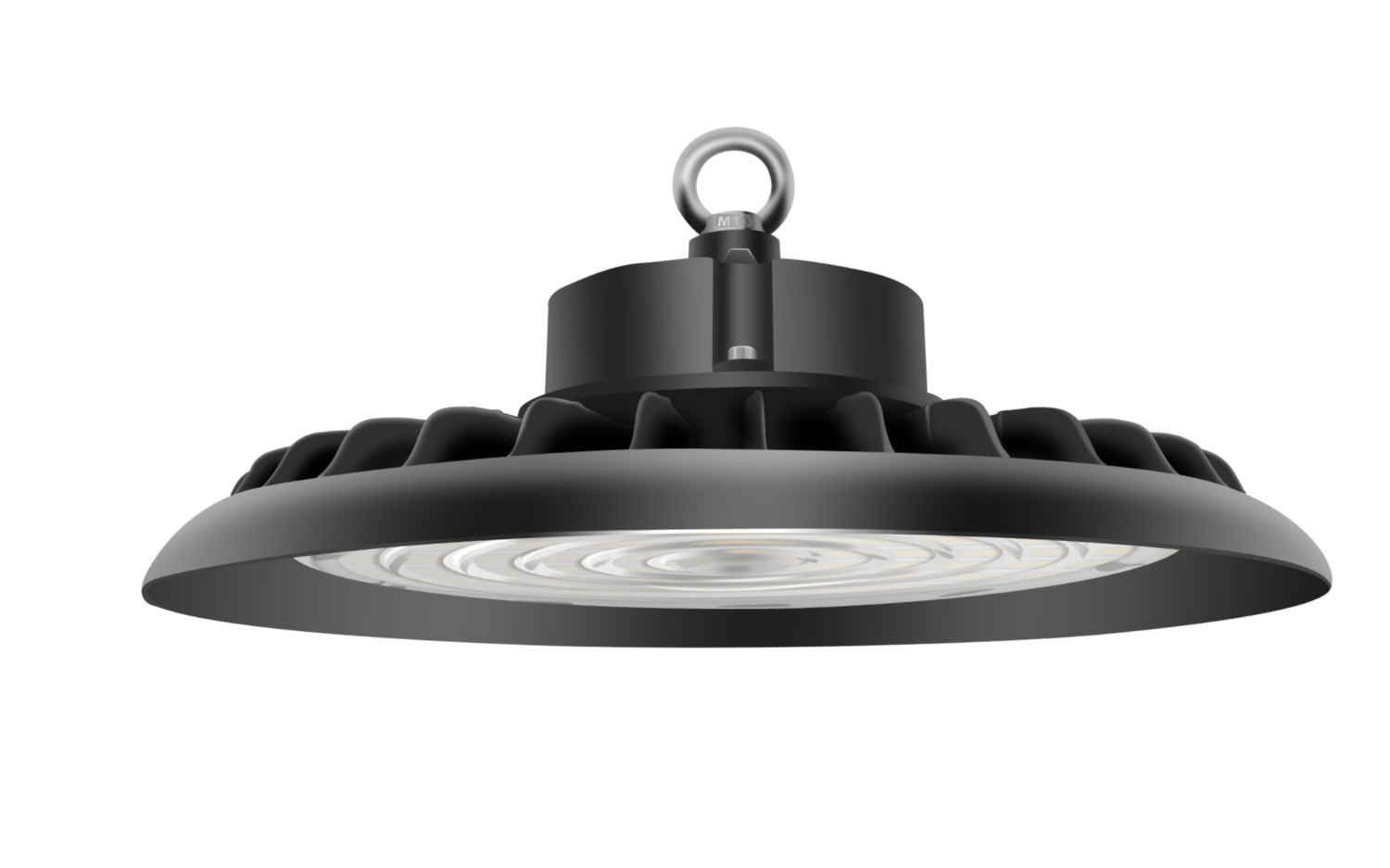
Another use: sensors mounted on Budget High Bay Fixtures for motion-based lighting control in low-traffic cold rooms.
6. Cost Breakdown and ROI Model
| Model | Traditional Sensors | Battery-Free Sensors |
|---|---|---|
| Initial Cost | $$ | $$$ |
| Battery Replacement | Every 12–18 months | None |
| Downtime Risk | Moderate | Low |
| ROI Period | 4.5–5 years | 2.5–3.5 years |
7. Common Challenges and Design Tips
- Challenge: Signal interference in dense racks. Solution: Use mesh redundancy and place gateways strategically.
- Challenge: Low light in certain zones. Solution: Combine PV with RF energy sources.
- Challenge: Sensor node loss. Solution: Enable health-check pings via BMS.

8. FAQ: Battery-Free Wireless Sensors in Data Centers
Q1: Do these sensors interfere with data transmission?
A: No. Most operate on short-burst low-power signals and do not interfere with Wi-Fi or LAN.
Q2: Can they function in enclosed server racks?
A: Depends. RF harvesting works well; PV may not if light is too low.
Q3: What’s their lifespan?
A: Typically 10+ years with no battery replacements.
Q4: Are they compliant with Uptime Institute standards?
A: When installed to spec, yes. Check against ASHRAE 90.1 for lighting control alignment.
For more about deployment examples and tech specs, visit CAE Lighting’s data center lighting solutions.
Want a spec sheet or sample? Contact CAE Lighting.