
Real-Time Lighting Analytics in Data Centers: How Smart Sensors and Streaming Data Cut Energy Use
- What Real-Time Lighting Analytics Actually Means
- Why Data Centers Are Prioritizing Light Data
- Batch vs Streaming Analytics in Lighting
- How Sensor Networks Power Lighting Intelligence
- Building the Real-Time Pipeline: From Light to Dashboard
- AI + Predictive Lighting Control
- Real Problems: What Breaks and How to Avoid It
- ROI: Is It Worth It?
- Frequently Asked Questions (FAQ)
Key Takeaways
| Feature or Topic | Summary |
|---|---|
| Integration Benefits | Energy savings, streamlined operations, enhanced monitoring, and predictive maintenance. |
| Key Protocols | BACnet, Modbus, SNMP ensure interoperability. |
| Implementation Strategies | Assess existing infrastructure, select compatible systems, phased deployment recommended. |
| Operational Advantages | Reduced downtime, improved safety, occupant comfort, and significant sustainability contributions. |
Real-Time Analytics on Light Usage in Data Centers
Real-time analytics in data centers isn’t a buzzword—it’s a design tool. If you’ve ever tried to trace energy spikes or explain why rack zones stay dark after hours, you already know the value of having data that updates by the second.
What Real-Time Lighting Analytics Actually Means
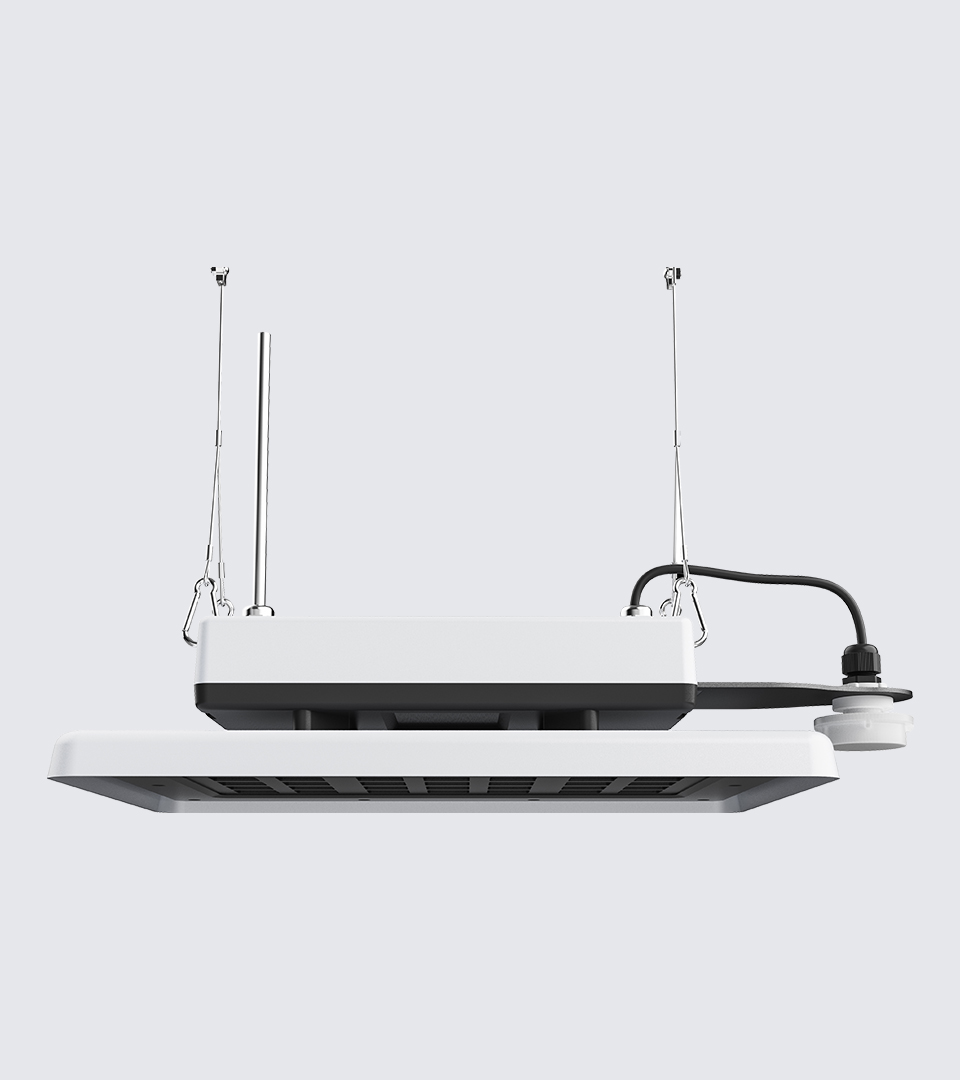
Forget reports run once a month. This is live data—collected every second—from sensors embedded inside fixtures like the Squarebeam Elite. It’s not just for graphs; it’s for action.
- Streaming analytics: continuous data flow, millisecond latency
- Batch analytics: data stored and processed hourly/daily
- Used to trigger: occupancy alerts, dimming adjustments, fault notifications
Why Data Centers Are Prioritizing Light Data
- Improves Power Usage Effectiveness (PUE)
- Reduces human error in lighting controls
- Enhances security through motion-activated zones
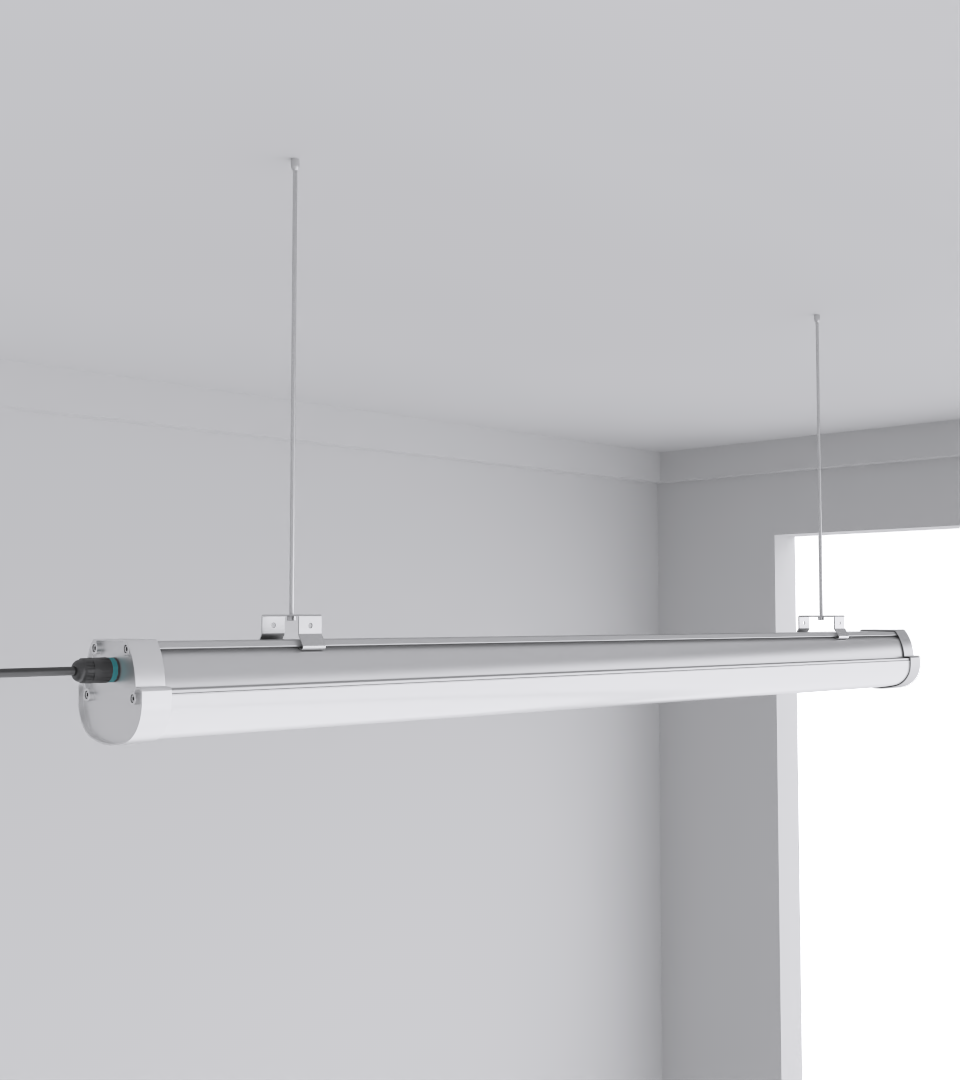
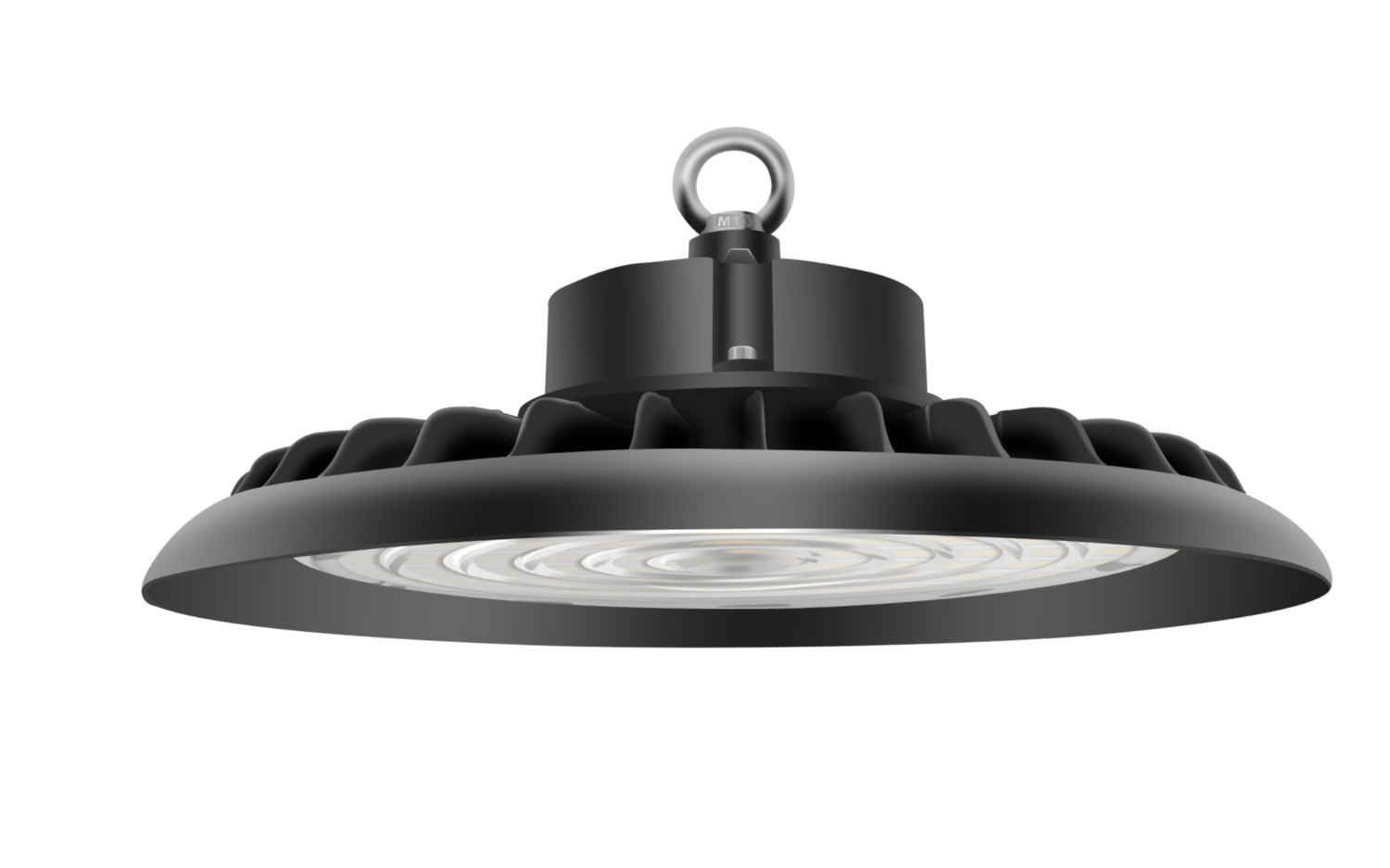
Real case: CAE Lighting deployed motion-sensor high bays to reduce night-time usage in a 24/7 Malaysian facility—cutting lighting energy by over 40%.
Batch vs Streaming Analytics in Lighting
| Feature | Batch | Streaming |
|---|---|---|
| Latency | High (min to hours) | Low (ms to sec) |
| Ideal For | Reporting | Automation/alerts |
| Data Load | High volume | High frequency |

How Sensor Networks Power Lighting Intelligence
- Passive IR sensors: detect motion
- Photosensors: adjust for daylight levels
- Smart LED battens: report runtime, power draw, failure modes

Building the Real-Time Pipeline: From Light to Dashboard
- Sensor detects motion (edge)
- Sends data via Zigbee or PoE
- Data is ingested via Kafka or MQTT
- Stored in InfluxDB or Redis
- Visualized via dashboard (e.g., Grafana, BMS panel)
AI + Predictive Lighting Control
- AI flags failure probability based on runtime, voltage anomalies
- Digital twins simulate lighting layouts before deployment
- Predictive dimming adjusts lighting for occupancy trends
These tools aren’t theoretical—CAE’s data center lighting guide outlines how predictive systems are used in hyperscale deployments.
Real Problems: What Breaks and How to Avoid It
- Sensor drift: humidity can throw off PIR sensors—recalibrate every 6 months
- Data delay: avoid WiFi-only solutions for real-time needs
- Protocol mismatch: Modbus over TCP isn’t always plug-and-play
ROI: Is It Worth It?
| LED upgrade | ~80% lighting energy savings |
| Daylight harvesting | +20–60% energy gain |
| Payback | 2–3 years typical |
Frequently Asked Questions (FAQ)
How does real-time lighting analytics work?
Sensors collect live data (motion, daylight, usage). Data is processed instantly for alerts and adjustments.
Do I need new fixtures to use it?
Not always. Some systems retrofit into existing infrastructure via control gear or smart drivers.
Which protocols are supported?
Common ones include BACnet, Modbus, Zigbee, and SNMP—ensure your gear is compatible.
Can it connect to my existing BMS?
Yes—CAE Lighting’s systems are designed for open integrations.
Is this just for big facilities?
No. Modular systems scale well—even for smaller server rooms or edge facilities.
Contact CAE Lighting to learn more about integration options, sample units, or technical support.