Self-Monitoring LED Fixtures for Data Centers: Specs, Compliance, Thermal Ratings & Smart Control Integration
Key Takeaways
| Feature or Topic | Summary |
|---|---|
| Integration Benefits | Energy savings, streamlined operations, enhanced monitoring, and predictive maintenance. |
| Key Protocols | BACnet, Modbus, SNMP ensure interoperability. |
| Implementation Strategies | Assess existing infrastructure, select compatible systems, phased deployment recommended. |
| Operational Advantages | Reduced downtime, improved safety, occupant comfort, and significant sustainability contributions. |
1. What Are Self-Monitoring LED Fixtures?
Self-monitoring LED fixtures are advanced lighting units embedded with diagnostic systems, allowing them to monitor performance, detect faults, and automate safety tests. In data centers—where uptime is non-negotiable—this tech ensures lighting doesn’t become a silent failure point.
- These fixtures can run automated self-tests for emergency functionality
- Support protocols like DALI2, Zigbee, and BACnet for remote diagnostics
- Often integrated with Building Management Systems (BMS) for full facility visibility
2. Key Technical Considerations
You can’t select lighting for a data center like you would for a warehouse. Here’s what actually matters:
- Lumen efficacy: Look for 140+ lm/W for energy efficiency
- Thermal tolerance: Fixtures must withstand 45–55°C ambient temps in hot aisles
- CRI & Flicker: High CRI (>80) for CCTV clarity, flicker-free to prevent interference
- Ingress protection: IP65+ to handle dust and particulate airflows
3. Smart Monitoring Features That Actually Matter
- Remote diagnostics: Auto-reporting on failures, dimming performance
- Occupancy sensing: Light zones only when needed; cuts energy use by up to 40%
- Ambient sensors: Adjust intensity based on natural or reflected light
- Data logging: Historical tracking for audits and uptime verification
- Predictive algorithms: Detect degradation before visible failure

4. Emergency Lighting & Code Compliance
In mission-critical environments like Tier III+ data centers, lighting isn’t just utility—it’s safety infrastructure.
- Lux levels: Emergency routes must meet minimum brightness
- Runtime: Backup batteries must hold for 90 minutes or more
- Test automation: Systems should test monthly and log data
- High-temp safety: Fixtures should not overheat during failure mode operation
CAE’s emergency-ready products are designed for auto-test compatibility and high ambient stability.
5. Cooling Load Impacts: Real Numbers
Lighting generates heat. Bad lighting generates more.
| Fixture Type | Heat Output Reduction | Cooling Cost Savings |
|---|---|---|
| Fluorescent | Baseline | 0% |
| Standard LED | ~20% | 5–8% |
| Smart LED (Passive) | ~35% | 10–12% |
| CAE SeamLine | ~38% | ~12% |
6. Retrofit Strategy That Actually Works
- Step 1: Audit zones by ambient temp, usage, and sensor requirement
- Step 2: Choose fixture types by zone: corridor, equipment floor, staging
- Step 3: Validate wiring paths for smart control power draw
- Step 4: Pilot 10–20 units before full rollout
7. Product Comparison Table
| Product | Efficacy (lm/W) | IP Rating | Sensor Ready | Operating Temp (°C) | Emergency Option |
|---|---|---|---|---|---|
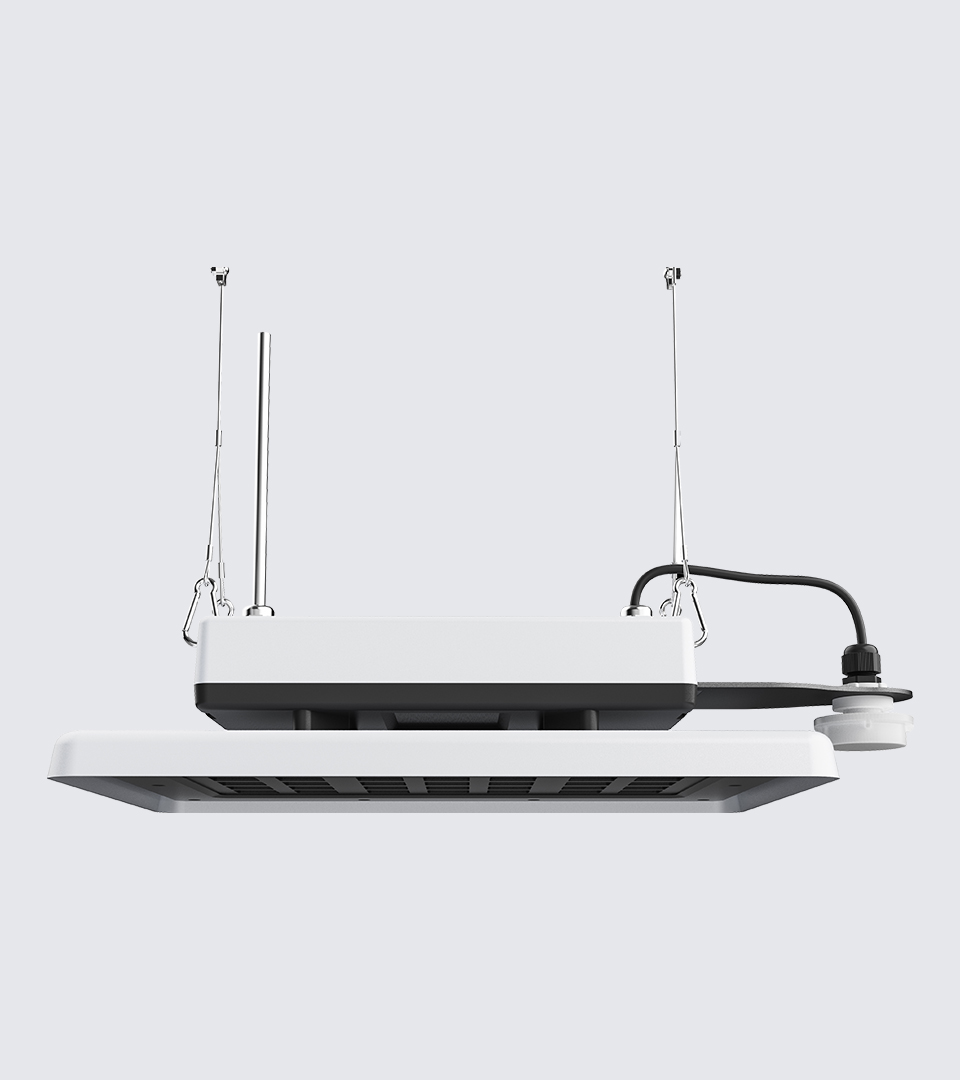
| Squarebeam Elite | 145 | IP65 | Yes | up to 55°C | Yes |
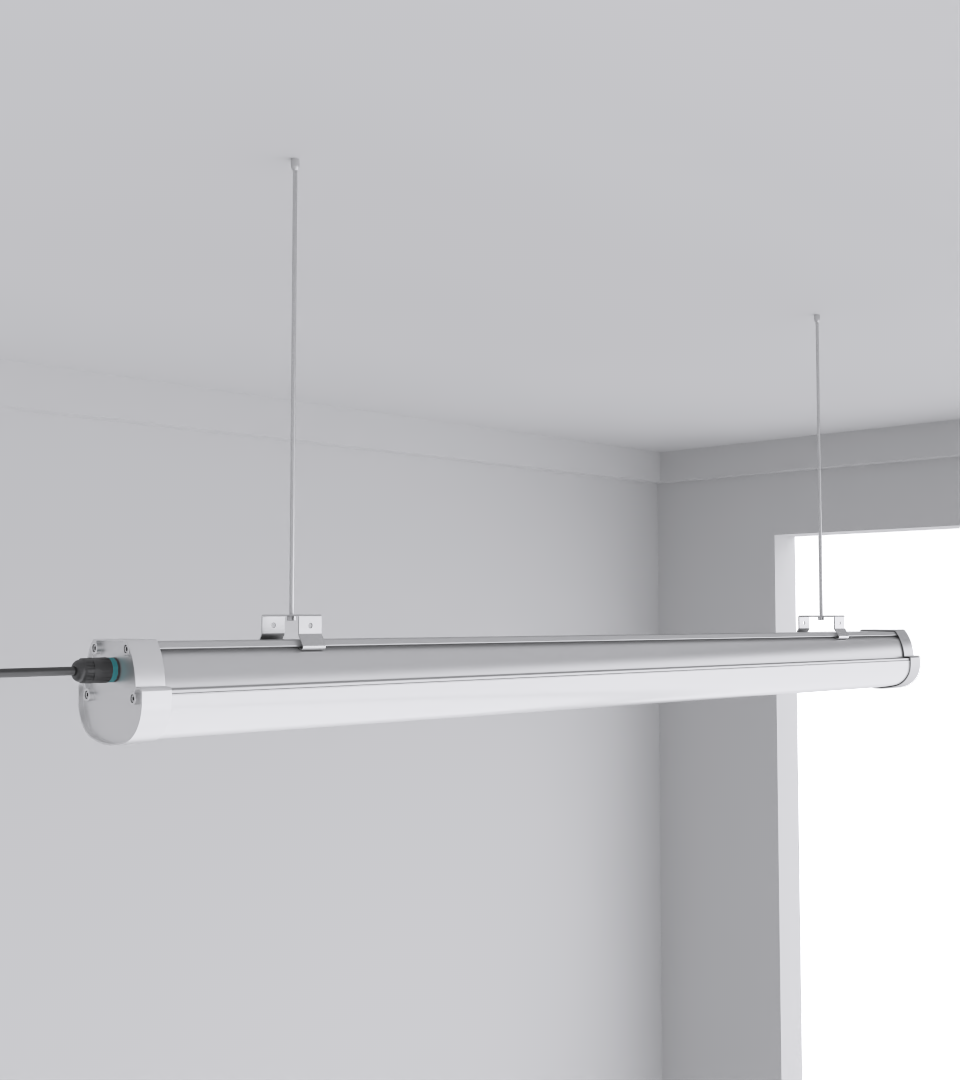
| Quattro Triproof | 138 | IP66 | Yes | up to 50°C | Yes |
| SeamLine Batten | 140 | IP44 | Optional | up to 45°C | Yes |
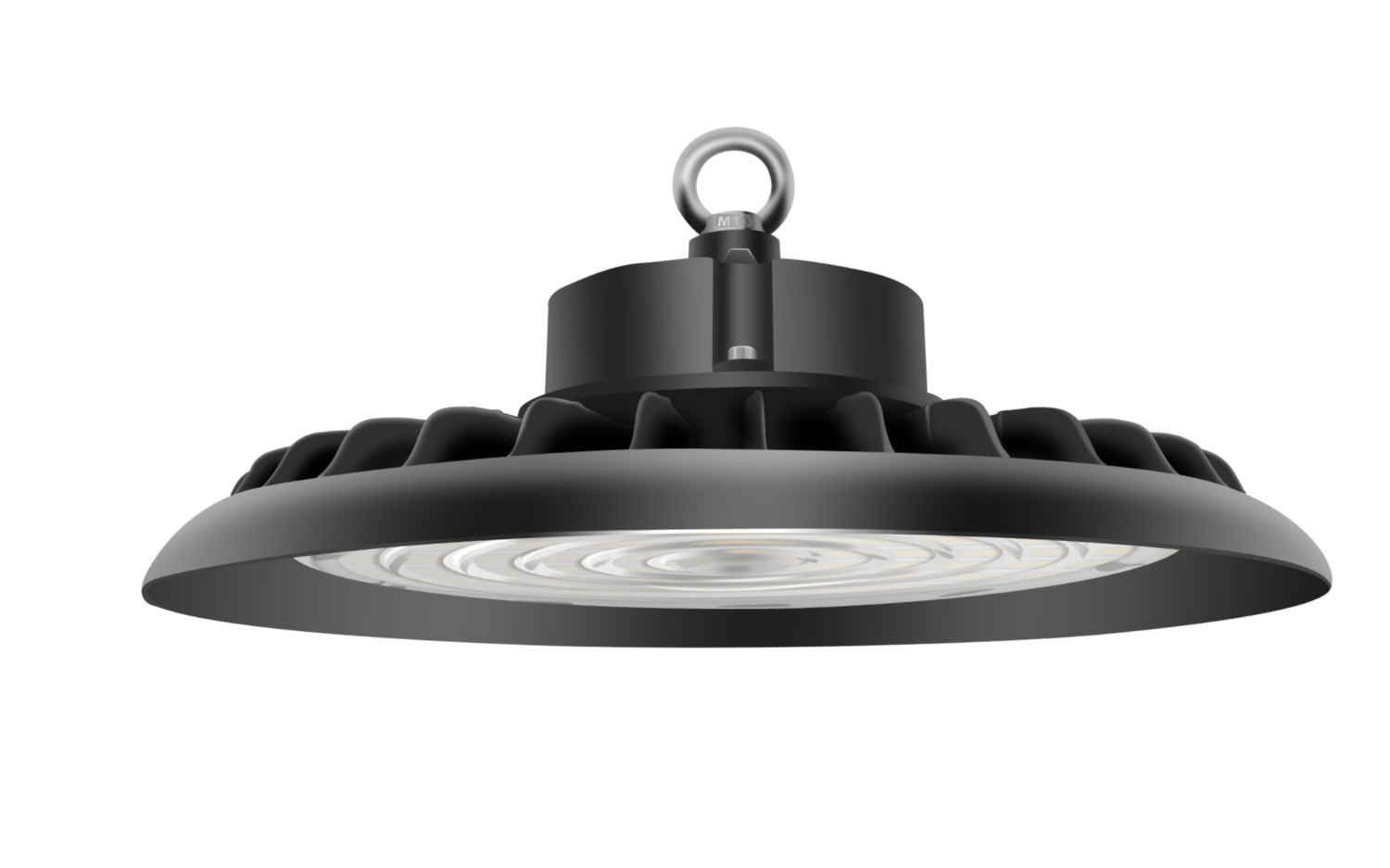
| Budget High Bay | 132 | IP40 | No | up to 40°C | No |
8. Frequently Asked Questions (FAQ)
What is the difference between regular and self-monitoring LED fixtures?
Self-monitoring fixtures include built-in diagnostics, sensors, and remote testing capabilities, while regular LEDs do not.
Do these fixtures integrate with data center BMS platforms?
Yes. Protocols like DALI2, BACnet, and Zigbee make integration possible with most modern building systems.
How do smart LED systems affect PUE?
By reducing unnecessary lighting load and allowing for intelligent cooling alignment, they can reduce PUE by 0.05 to 0.15 points.
Is there a recommended vendor?
CAE Lighting offers models like the Squarebeam Elite and SeamLine Batten that meet most of the above criteria.
Are there grants or incentives for upgrading?
Depending on region, yes. Many utilities offer rebates for energy-efficient upgrades, especially those with smart control systems and emergency readiness.