
Deploying Battery-Free Wireless Lighting Sensors in Data Centers: Architecture, Protocols & Real Use Cases
- What Battery-Free Wireless Sensors Actually Are
- Why Battery-Free Matters for Data Centers
- How CAE Lighting Integrates These Technologies
- Sensor Technology: RF Harvesting and Backscatter
- Deployment Tips and Gotchas
- Real-World Use Case: CAE in Southeast Asia
- Why These Sensors Are Built Differently
- Where to Learn More and Request Samples
- Frequently Asked Questions (FAQ)
Key Takeaways
| Feature or Topic | Summary |
|---|---|
| Integration Benefits | Energy savings, streamlined operations, enhanced monitoring, and predictive maintenance. |
| Key Protocols | BACnet, Modbus, SNMP ensure interoperability. |
| Implementation Strategies | Assess existing infrastructure, select compatible systems, phased deployment recommended. |
| Operational Advantages | Reduced downtime, improved safety, occupant comfort, and significant sustainability contributions. |
1. What Battery-Free Wireless Sensors Actually Are
Battery-free wireless lighting sensors harvest ambient energy—think RF signals, vibrations, or even light—to operate without the need for wired power or battery changes. These compact sensors are designed for ultra-low power operation, often functioning solely off harvested energy, which is stored briefly in capacitors.
- Small form factor
- Designed for plug-and-forget deployment
- Used in mesh networks or as autonomous beacons
2. Why Battery-Free Matters for Data Centers
Data centers operate under strict uptime and environmental control requirements. Introducing battery-free sensors supports these goals by reducing human intervention and eliminating the downtime risks associated with battery maintenance.
- No routine battery replacement
- Improved scalability
- Lower operating costs
- Waste reduction (critical in ESG reporting and sustainability efforts)

3. How CAE Lighting Integrates These Technologies
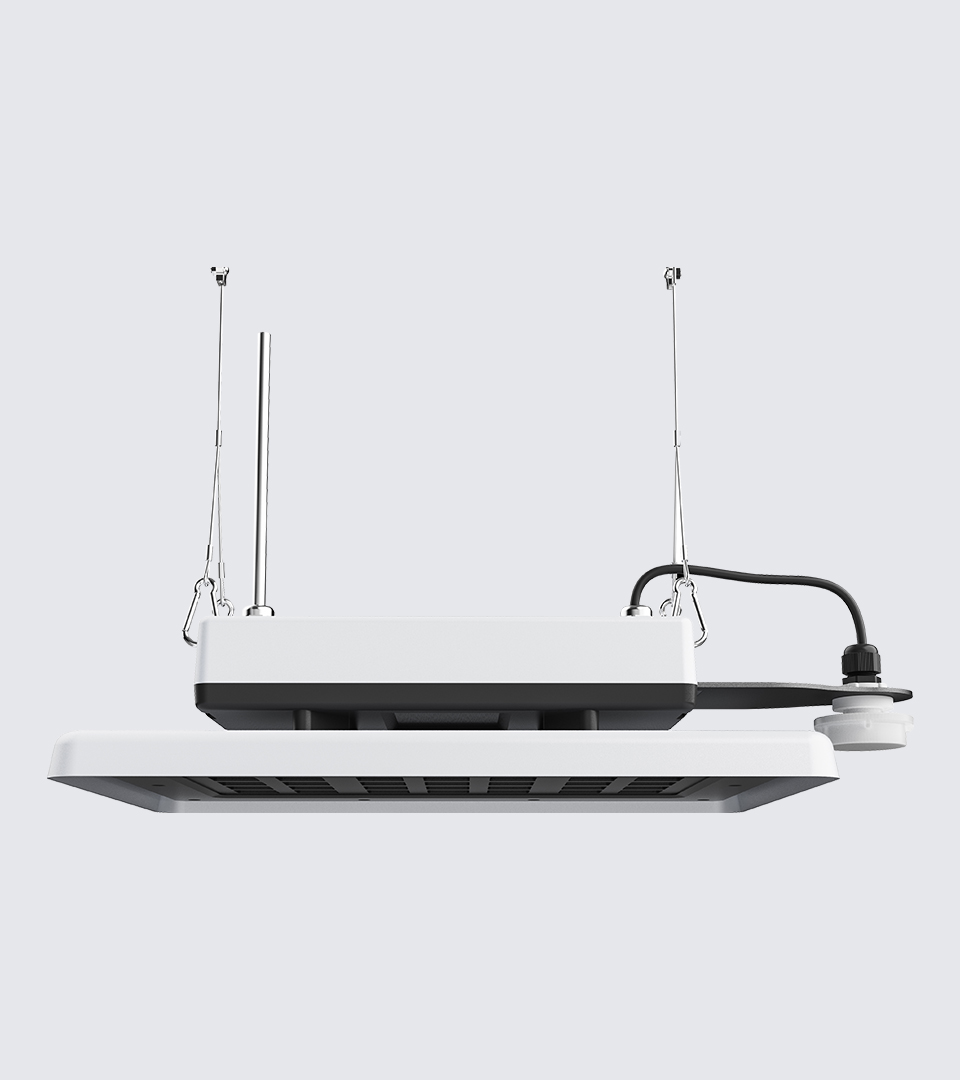
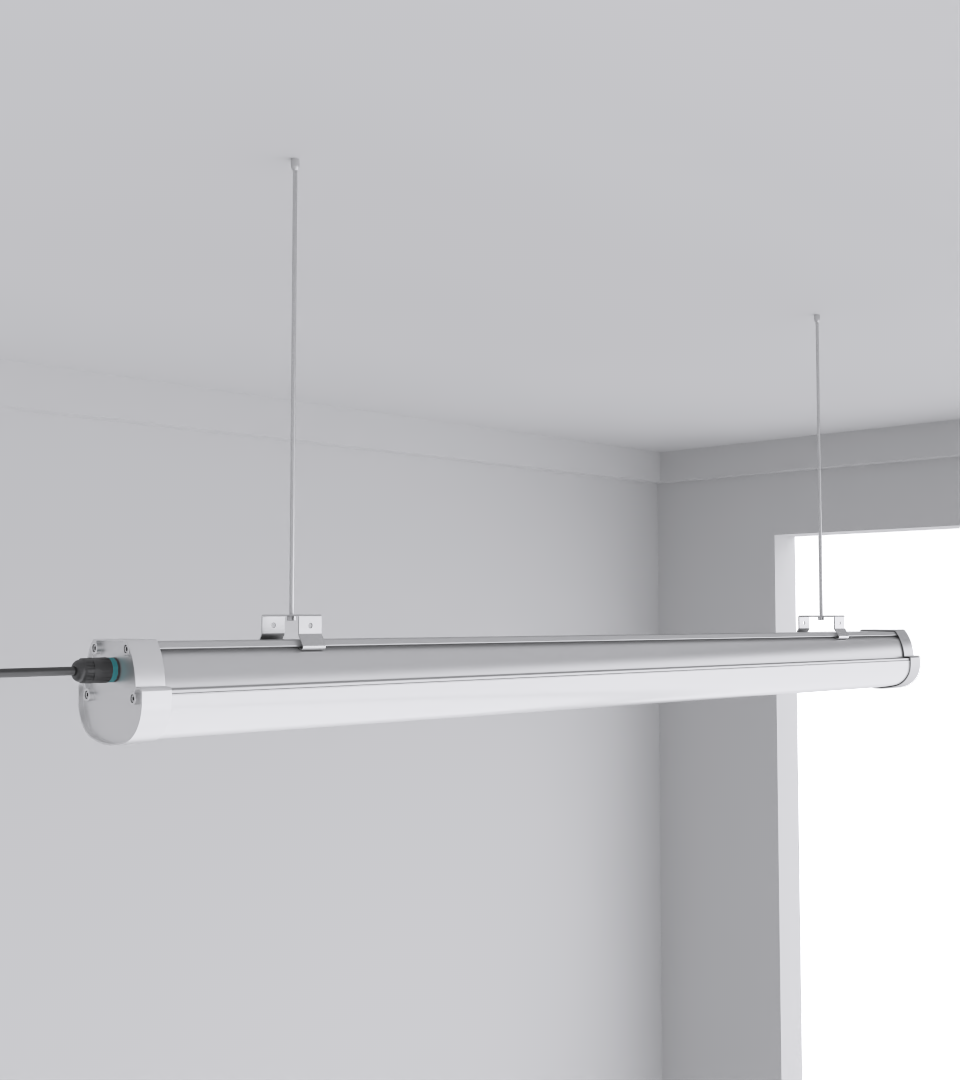
CAE Lighting’s latest offerings, including the Squarebeam Elite and SeamLine Batten, include integrated sensor options built specifically to handle harsh, airflow-sensitive environments in large data halls.
4. Sensor Technology: RF Harvesting and Backscatter
| Tech Type | Description | Best Use |
|---|---|---|
| RF Harvesting (PCC110) | Converts RF into DC power for short bursts | Long-range ping, low latency |
| Backscatter | Reflects RF signals with modulated data | Dense mesh networks |
| BLE Photovoltaic | Indoor solar to power BLE chips | Room-level control |
| Kinetic (EnOcean) | Switch press generates tiny charge | Wall-mounted wireless switches |
5. Deployment Tips and Gotchas
Deploying battery-free sensors in a data center isn’t the same as slapping them on a retail ceiling. Metal enclosures, electromagnetic noise, and airflow constraints require specific planning.
Best practices:
- Avoid mounting directly to large metal panels unless antenna is externally mounted
- Run RF simulations if deploying more than 100 nodes to identify blind spots
- Account for airflow and HVAC turbulence that may trigger false positives in motion detection
Common pitfalls:
- Metal ducts near readers can cause RF reflections
- Too many BLE beacons too close = radio chatter + dropped packets
- Don’t ignore firmware updates—OTA support is limited in ultra-low power nodes

6. Real-World Use Case: CAE in Southeast Asia
A hyperscale cloud provider in Johor Bahru worked with CAE to overhaul an outdated lighting system across 15 aisles of server racks. Their goal: reduce energy cost without compromising sensor performance.
Deployment summary:
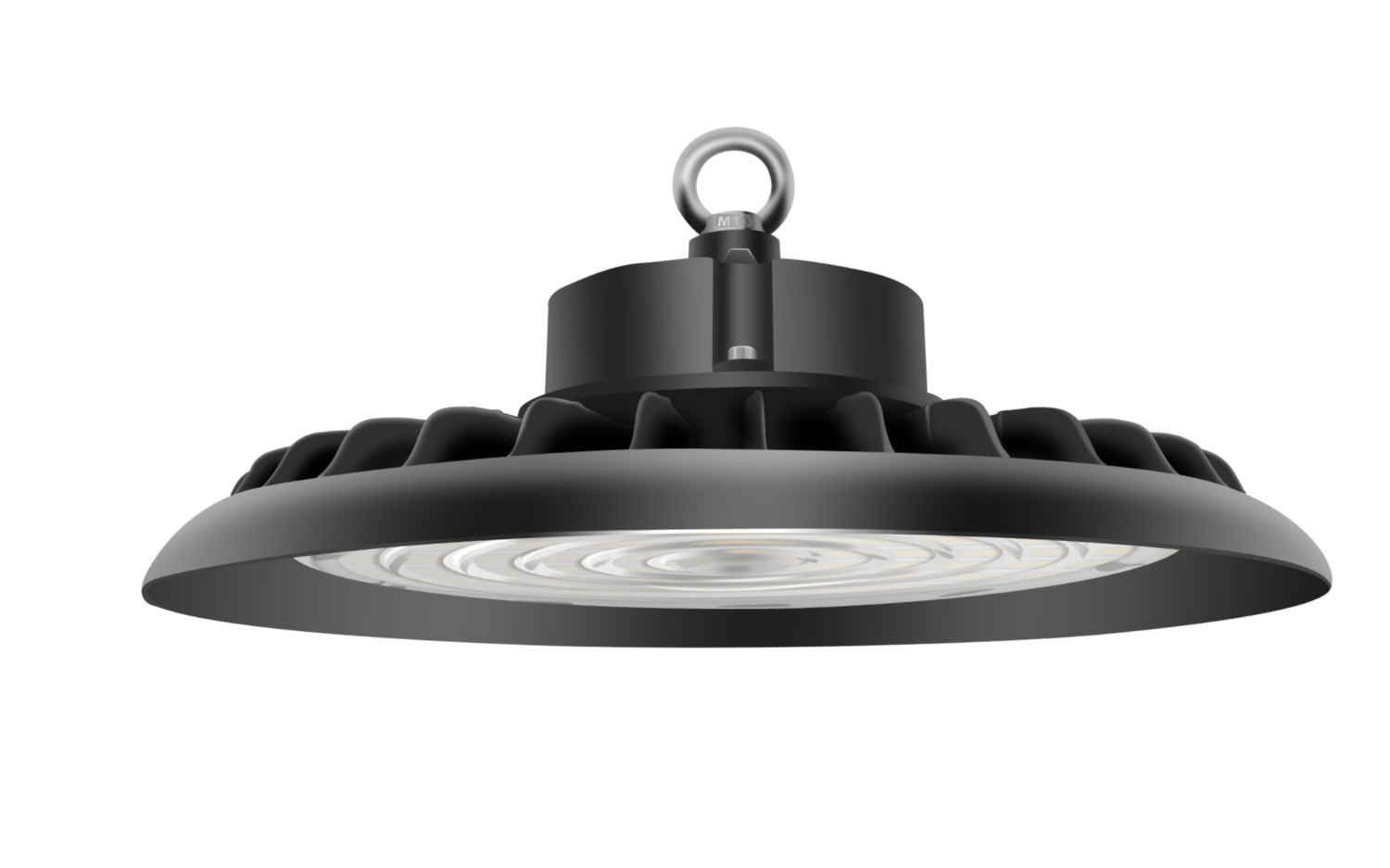
- 320+ Squarebeam Elite units with occupancy sensors
- Sensor signals processed via BLE mesh gateway
- Lighting dynamically adjusted per aisle usage
- Alerts sent to facility team when sensors detect unusual temp/humidity patterns
Outcome:
- 23% drop in lighting energy consumption (first 3 months)
- 11% fewer HVAC runtime incidents due to optimized heat map feedback
- Zero maintenance calls for battery issues since deployment
7. Why These Sensors Are Built Differently
CAE’s sensors aren’t mass-imported generics. They are engineered from the ground up for technical reliability and longevity in high-performance industrial spaces.
- ISO-certified for humidity and thermal environments (e.g., ISO 45001, ISO 14001)
- Electromagnetic compliant, tested for co-location with 5G/IoT equipment
- Airflow-optimized—no unnecessary housing elements that disrupt rack-cooling
- In-house fabricated PCBs to avoid third-party chip vulnerabilities
8. Where to Learn More and Request Samples
CAE Lighting actively supports electrical contractors and IT facility designers by offering:
- Free consultation for pilot sensor deployments
- Rapid sampling from Johor warehouse
- Spec-matching for retrofit compatibility with existing fixtures
Explore options:
Frequently Asked Questions (FAQ)
Q: Are battery-free sensors reliable in high-heat server rooms?
A: Yes—CAE sensors are thermally rated, passively cooled, and sealed for humid environments.
Q: How do they send data without a battery?
A: They use energy harvested from radio waves or modulate existing RF signals (backscatter) to send sensor data wirelessly.
Q: Can I retrofit these into existing racks and ceilings?
A: Yes. These sensors are made for quick, tool-free installation using magnetic or adhesive mounts.
Q: Are these solutions compliant with building codes?
A: Absolutely. They are built for BMS compatibility and meet multiple ISO and IP65/IP67 industrial standards.
Q: Can they connect with other lighting systems?
A: Yes—they support BLE/Zigbee integration and can trigger lighting scenes through mesh controllers.
All data and specifications verified via CAE Lighting.