
Lighting Sensor Integration in Heritage Data Centers: Technical Challenges and Retrofit Solutions
- Why Historical Sites Are Chosen for Data Centers
- Primary Constraints in Historical Buildings
- Lighting Needs Specific to Data Centers
- Best Sensor Technologies for Heritage Sites
- Non-Invasive Sensor Installation Tactics
- Regulatory & Preservation Compliance
- Sensor Network Integration with BAS/BEMS
- Practical Takeaways and Real-World Use
- Frequently Asked Questions
Key Takeaways
| Feature or Topic | Summary |
|---|---|
| Purpose of Article | Explore how to integrate lighting sensors into historical buildings housing data centers without damaging structures or violating preservation codes |
| Main Challenges | Structural integrity, preservation laws, aesthetic consistency, wireless interference, installation constraints |
| Sensor Options | Wireless (Zigbee, LoRaWAN), hybrid, PIR, ultrasonic, tomographic sensors |
| Energy Savings | Up to 50% savings possible through sensor-driven lighting control |
| Installation Tips | Non-invasive mounts, RF mesh planning, hidden wiring routes |
| Regulatory Path | Waivers, pre-approval, compliance forms, stakeholder consultation |
| Best Practice Tools | Sensor layout plans, pilot protocols, integration diagrams |
Why Historical Sites Are Chosen for Data Centers
Integrating lighting sensor systems into historical buildings that have been repurposed for data centers involves a difficult balance: preserving architectural heritage while ensuring the facility meets modern standards of energy efficiency, automation, and safety.
- High structural integrity (thick stone or brick walls, cool interiors)
- Redundant space from old military, university, or financial infrastructure
- Unique security and isolation advantages (natural shielding, fewer windows)
But retrofitting comes at a cost:
- Thick walls and narrow conduits limit sensor wiring
- Heritage boards impose strict rules on modifications
- Local building codes may clash with digital infrastructure goals
Primary Constraints in Historical Buildings
- Structural & Architectural: Solid masonry means no drilling or only with permits. Decorative ceilings and arches limit mounting height and visibility. Legacy cable routing: few service voids or raised floors.
- Legal & Aesthetic: Regulations from preservation authorities. Visual integrity: modern devices must be hidden or blend in. Retrofits must be reversible or non-destructive.

Lighting Needs Specific to Data Centers
- Lower human occupancy but require consistent ambient lighting
- Equipment zones with high heat, airflow, and vibration
- Sensor redundancy requirements (motion, presence, temperature)
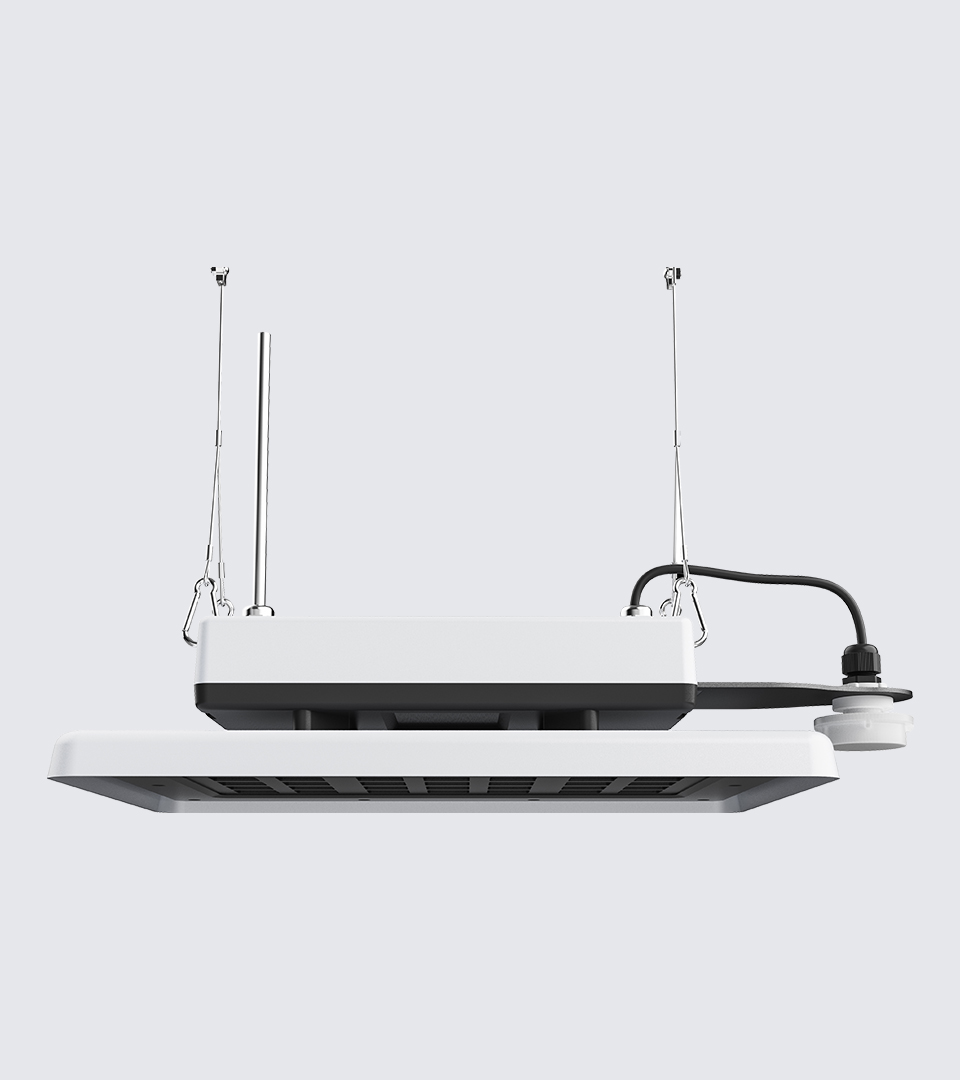
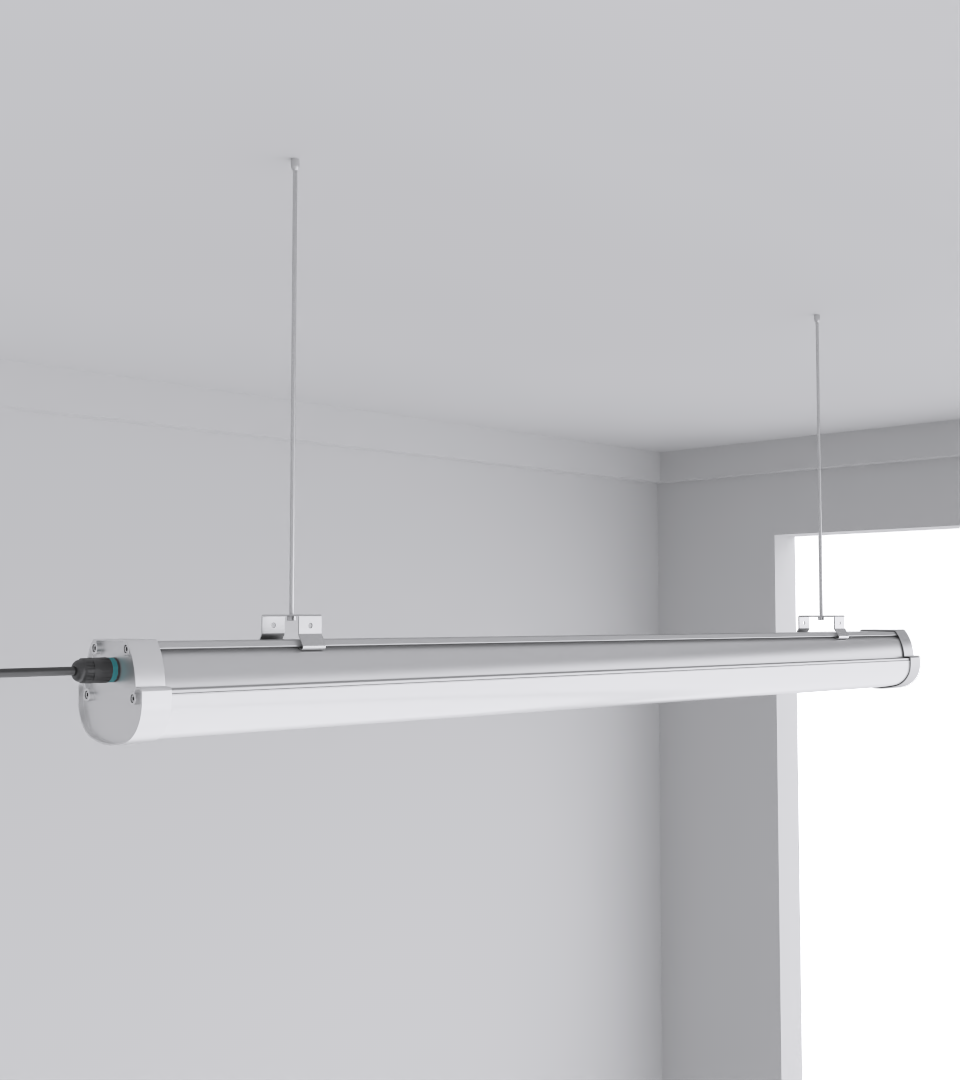
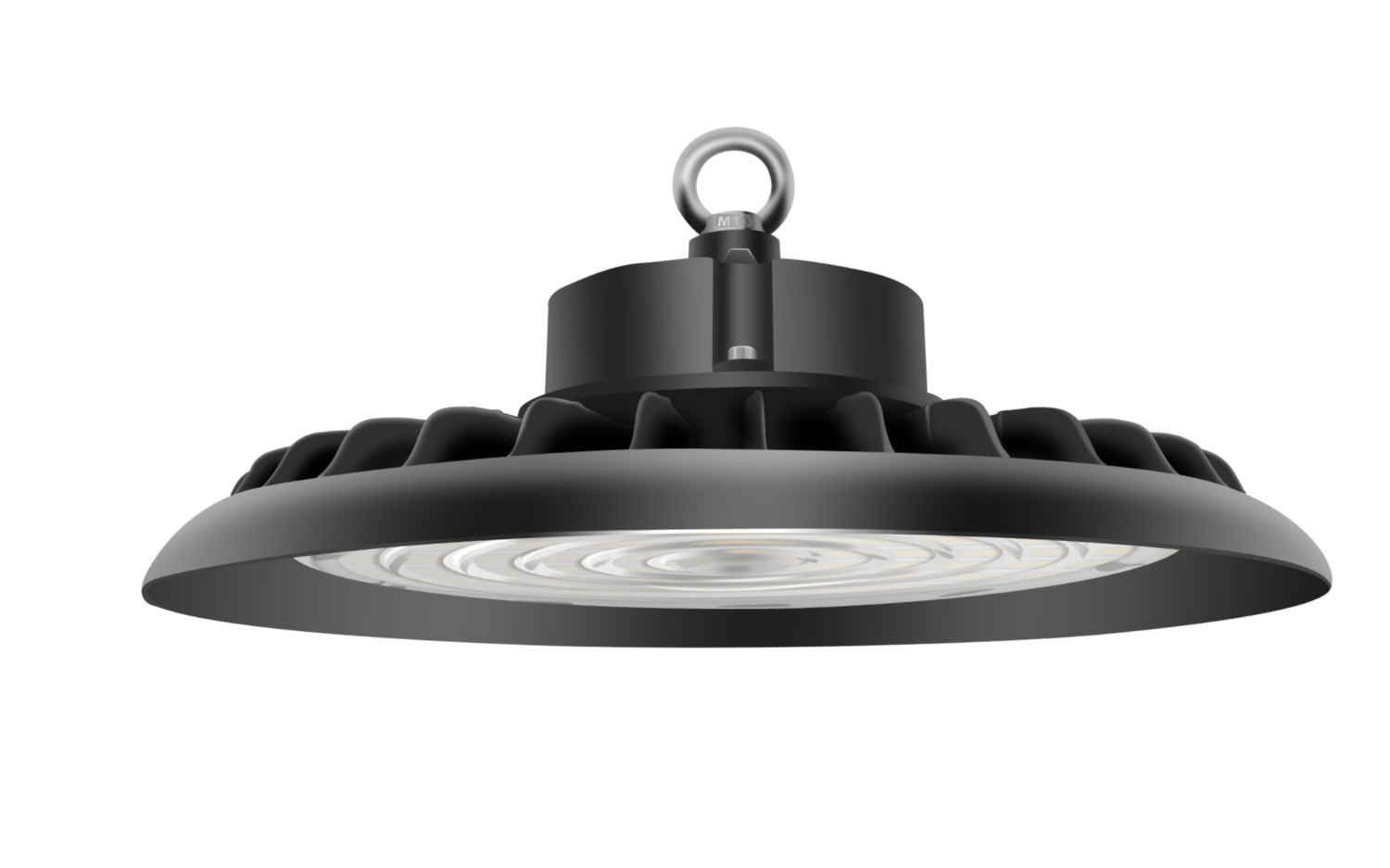
Lighting products like Squarebeam Elite and Quattro Triproof Batten offer durable, IP-rated performance while integrating well with motion sensors.
Best Sensor Technologies for Heritage Sites
| Sensor Type | Features | Suitability |
|---|---|---|
| PIR (Passive Infrared) | Simple, low power | Good for open areas, minimal interference |
| Ultrasonic | Active detection via sound | May cause false triggers in arched ceilings |
| Tomographic | Mesh-based movement detection | Excellent for thick-walled structures |
| Zigbee/BLE Wireless | No hardwiring | Ideal for preservation compliance |
Non-Invasive Sensor Installation Tactics
- Mounting Strategies: Magnetic sensor bases (steel beams), high-tack adhesive mounts (3M pads), ceiling-based RF repeaters
- Wiring & Power: Battery-operated sensors, floor box routing, legacy shaft wiring, wireless mesh networks
Regulatory & Preservation Compliance
- Work with local authorities before installing anything
- Use reversible methods and submit impact assessments
- Document all techniques with photos and plans
Helpful guides: Lighting Guide for Data Centers and Emergency Readiness
Sensor Network Integration with BAS/BEMS
- Protocols: BACnet/IP, BACnet MS/TP, DALI-2, Zigbee, BLE
- Mesh compatibility for older systems
- Occupancy-linked HVAC and lighting automation

Practical Takeaways and Real-World Use
- Case: Thailand retrofitting telecom archive vaults — 40% energy savings with motion-based lighting (read more)
- Tip: Start with one aisle and run pilot programs to calibrate sensors in variable humidity zones
Frequently Asked Questions
Can I install sensors without damaging heritage surfaces?
Yes. Use magnetic or adhesive mounts and avoid drilling. Wireless units are preferred.
Are wireless sensors reliable in thick-walled spaces?
Yes, especially with tomographic or mesh-based designs that bypass direct line-of-sight issues.
What savings can I expect from smart lighting in old buildings?
Anywhere from 10%–50%, depending on layout, traffic, and sensor quality.
Can I connect new sensors to an old building’s BAS?
Yes. Use BACnet, KNX, or Zigbee-compatible controllers and ensure your BEMS vendor supports mixed-protocol devices.
Who can help with compliance?
Engage early with your preservation board and hire a lighting engineer experienced in retrofits. CAE Lighting’s team offers consultation support.