Data Center Retrofit Timelines: Detailed Phase Breakdown, Milestones, and Risk Avoidance
- Why Retrofit Instead of New Build?
- High-Level Timeline Comparison: New Build vs Retrofit
- Retrofit Phase Breakdown
- Commissioning and Go-Live: Final Stages
- Tools, Templates, and Milestone Markers
- Lighting as a Retrofit Lever: CAE Products in Focus
- Common Pitfalls in Retrofit Execution
- Post-Project Performance Review
- Frequently Asked Questions
Key Takeaways
| Feature or Topic | Summary |
|---|---|
| Average Retrofit Duration | 6–18 months, compared to 18–36 for new builds |
| Why Retrofit | Cuts downtime, costs, and carbon footprint |
| Key Phases | Feasibility, design, approvals, build, commissioning |
| Tools Used | Gantt charts, milestone checklists, digital twins |
| Products Mentioned | Squarebeam Elite, Quattro Triproof Batten |
| Common Pitfalls | Poor stakeholder alignment, supply delays, code gaps |
| Final Outcome | Faster ROI, more sustainable infrastructure upgrades |
1. Why Retrofit Instead of New Build?
Retrofit projects offer major benefits in time, cost, and sustainability. Unlike ground-up construction—which can run over two years—retrofitting an operational facility can often be completed within 6 to 18 months. That matters for uptime, budget, and emissions.
- Time Efficiency: Retrofit timelines can be 30–50% shorter (source)
- Cost Control: No land acquisition, fewer permits, and minimal site prep
- Sustainability: Retains embodied carbon, reduces construction waste
Retrofitting also allows use of existing infrastructure like cabling, cooling ducts, or UPS systems, reducing both material and operational cost. And in most active data center environments, a retrofit approach allows incremental upgrades that don’t disrupt mission-critical workloads. Instead of ripping everything out, you selectively replace—sometimes rack by rack, or even aisle by aisle.
2. High-Level Timeline Comparison: New Build vs Retrofit
| Factor | New Build | Retrofit |
|---|---|---|
| Duration | 18–36 months | 6–18 months |
| CAPEX | High | Lower |
| Disruption | None | Low (if phased) |
| Embodied Carbon | High | Low |
| Flexibility | Full control | Existing layout |
3. Retrofit Phase Breakdown
Phase 0: Feasibility Study (2–4 Weeks)
- Site assessment
- Electrical load vs IT load projections
- Early ROI modeling
- Hazard checks and access audits
Phase 1: Programming (1–2 Months)
- Stakeholder engagement
- Budget goals set
- Define ROI model and rebates
Phase 2: Design & Engineering (2–4 Months)
- MEP drawings, 30/60/90% reviews
- Lighting and airflow modeling
- BIM and digital twin where applicable
Phase 3: Permitting & Approvals (1–3 Months)
- Submit local and fire code plans
- Review by authorities having jurisdiction (AHJs)
- Secure lighting rebate preapprovals
4. Commissioning and Go-Live: Final Stages
The final 10% of a project is where most delays and errors happen. Avoid these pitfalls with:
- 30/60/90 Commissioning Plan
- On-site walkthroughs before energization
- Clear stakeholder sign-off structure
Commissioning usually spans 2–4 weeks depending on complexity. Always include:
- Thermal imaging
- Redundancy testing
- PUE benchmarking
- Controls validation (especially lighting sensors)
- Signage and safety audits

5. Tools, Templates, and Milestone Markers
Every successful retrofit project relies on simple but robust project controls:
- Gantt charts showing phased outages and work blocks
- Weekly milestone checklists
- Risk registers with real-time updates
- Stakeholder RACI charts
- Visual timelines (color-coded by trade discipline)
Field advice: Don’t assume BIM files are accurate for older facilities. Use LIDAR scanning to validate rack spacing, ceiling elevation, or return-air plenum size.
Tool Tip: Use digital twin modeling early—it can help visualize thermal hotspots and airflow gaps before they become physical problems.

6. Lighting as a Retrofit Lever: CAE Products in Focus
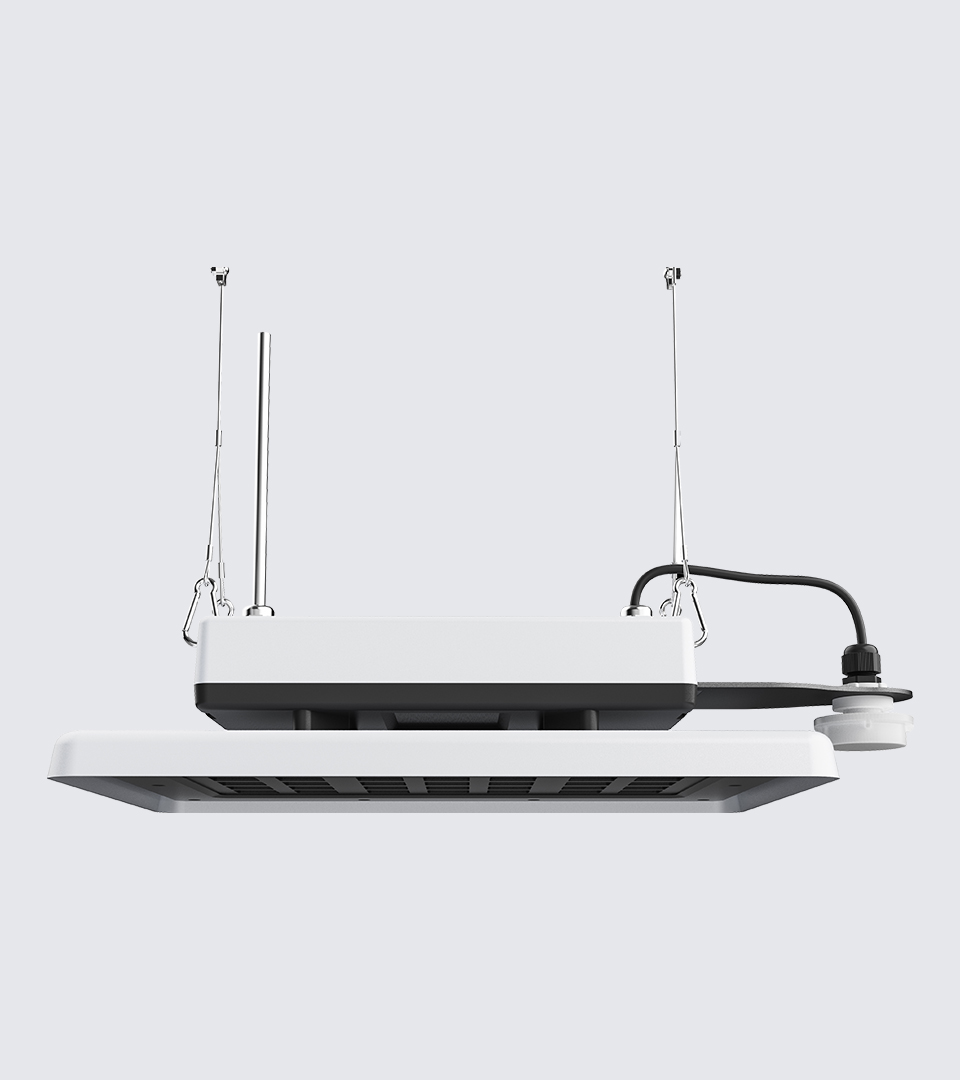
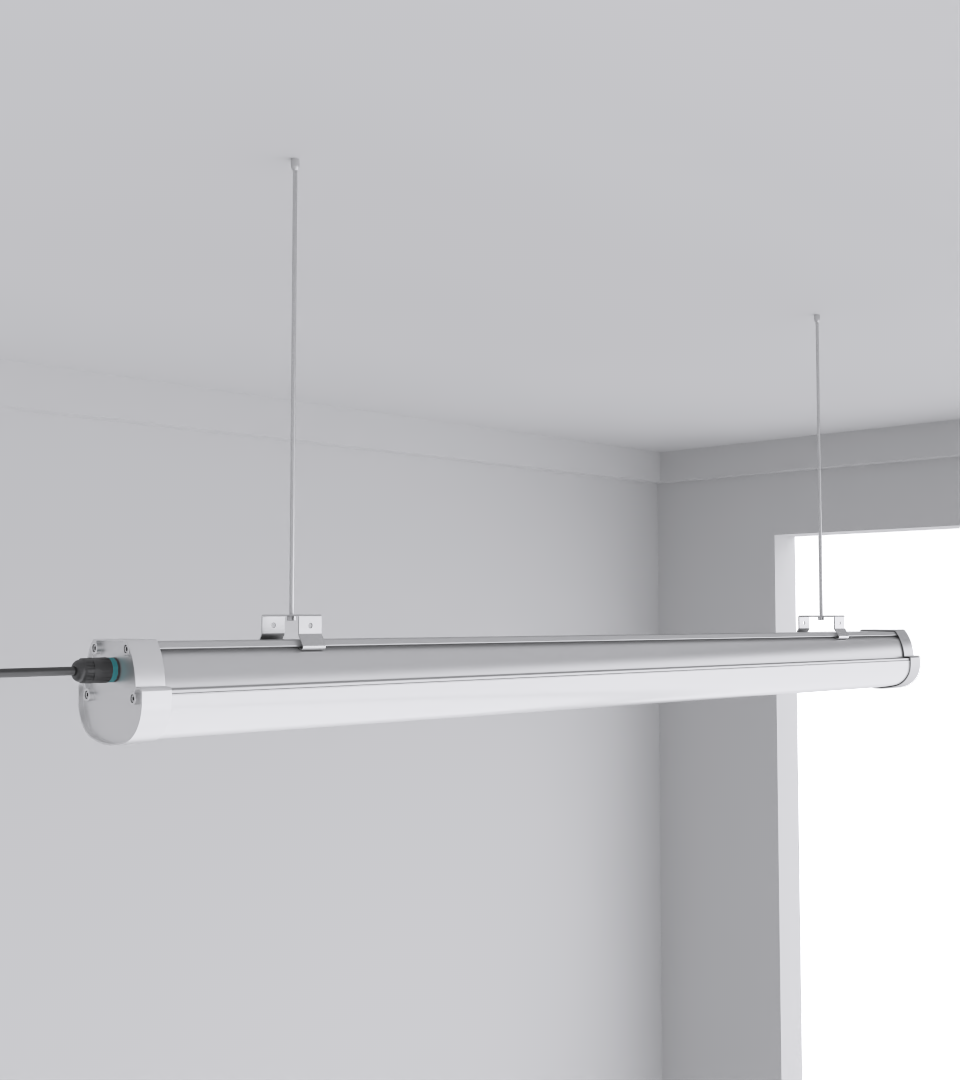
Lighting upgrades are a fast ROI win. CAE’s Squarebeam Elite and Quattro Triproof Batten are used frequently in high-performance data centers:
- Motion-sensor integration
- IP-rated for hot/cold aisle conditions
- Built to reduce cooling load with targeted beam spread
- DALI and Zigbee compatibility
- Thermally optimized aluminum housings
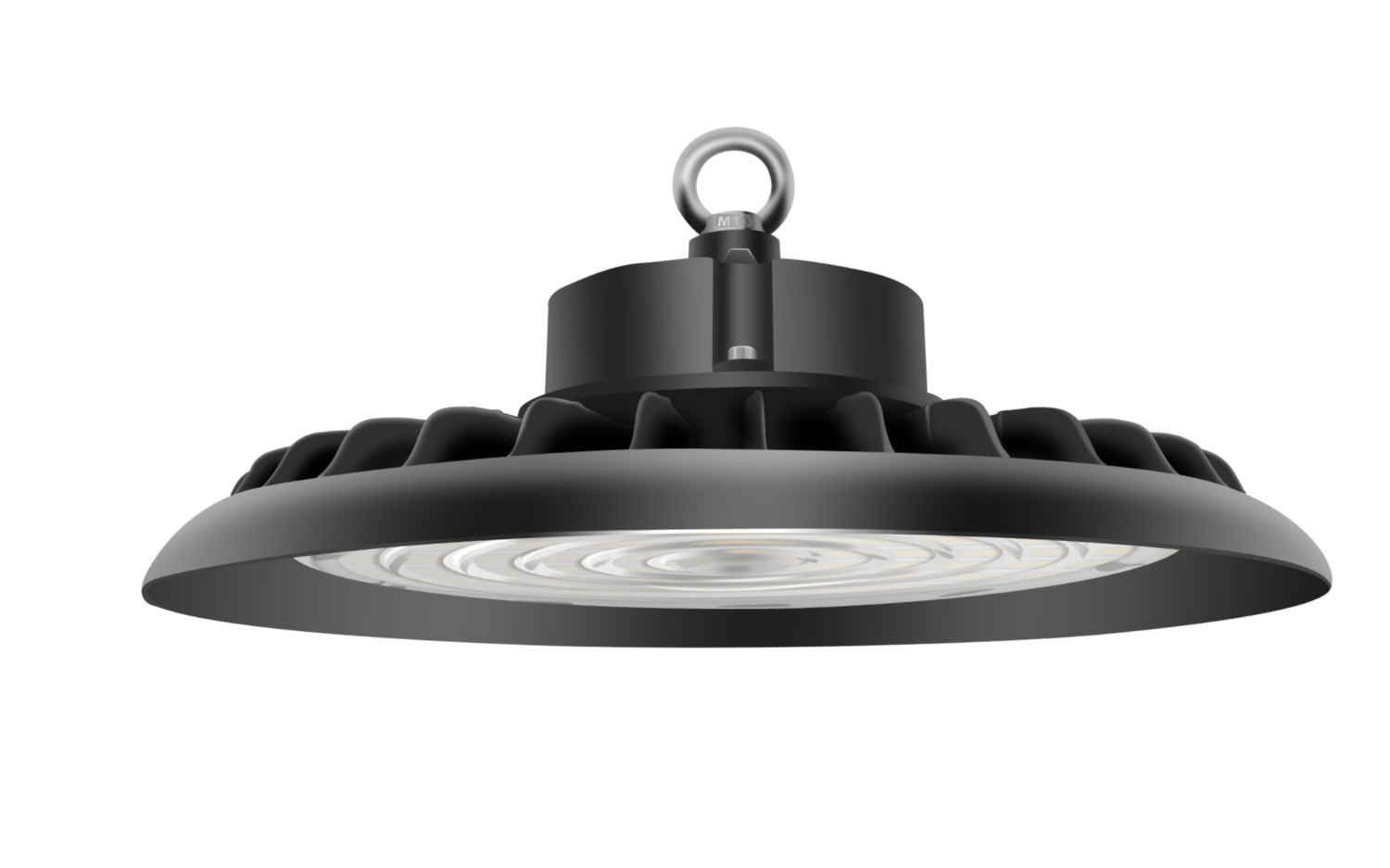
Also important: lighting retrofits often unlock energy rebates, especially in regions like California or Singapore where utilities subsidize low-wattage installations. CAE’s SeamLine and Budget High Bay ranges are also popular in mezzanine or rack-top applications where visibility and cooling need to be balanced.
7. Common Pitfalls in Retrofit Execution
- Misaligned stakeholder priorities
- Permitting delays due to outdated blueprints
- Inadequate electrical load analysis
- Poor labeling of upgraded infrastructure
- Delays caused by supply chain gaps (e.g., drivers, sensors, breakers)
Pro tip: Always run a full load test 48 hours before go-live—don’t rely on simulation only. You’d be surprised how often a seemingly minor grounding issue or overlooked firmware setting causes a false trip that delays commissioning.
8. Post-Project Performance Review
Within 30 and 90 days, reassess:
- Energy consumption vs projections
- User complaints and tickets
- Hot/cold aisle balance
- Fault alerts from motion lighting sensors
- Access control and maintenance logs
Run thermal mapping again if airflow issues are suspected. This is where long-term savings emerge—or leak. Engage with site operators to document lessons learned, and schedule a follow-up audit in 6 months to validate PUE improvement, power balance, and lighting control effectiveness.
Frequently Asked Questions
Q: How long does a typical data center retrofit take?
A: On average, 6 to 18 months depending on site complexity and scope.
Q: Can I retrofit without taking the whole site offline?
A: Yes—phased approaches and proper redundancy make this possible.
Q: What is the most common cause of retrofit delays?
A: Permitting and late-stage stakeholder misalignment.
Q: Are there lighting solutions specifically for data center retrofits?
A: Yes—Squarebeam Elite and Quattro Triproof Batten from CAE are designed for these conditions.
Q: How can I get help planning a retrofit lighting upgrade?
A: Visit CAE Lighting’s full product range or contact the team for tailored planning support.