Optimizing Lighting for Containerized Data Centers: Standards, Fixtures, and Energy Control
- Why Containerized Data Centers Need Their Own Lighting Strategy
- Constraints Inside Container Facilities
- Standards You Need To Hit
- Fixture Selection & Placement
- Energy, Control & Automation
- Managing Thermal Load
- Emergency Lighting & Safety Systems
- Implementation & Maintenance
- Frequently Asked Questions (FAQ)
Key Takeaways
| Feature or Topic | Summary |
|---|---|
| Container Constraints | Low ceilings, sealed enclosures, and heat retention require specialized lighting setups |
| Lighting Standards | Must meet ASHRAE 90.4, NFPA 75/76, TIA-942, and ANSI/IES LPD limits |
| Recommended Fixtures | IP65+ rated LEDs, motion sensors, explosion-proof lights, and smart controls |
| Performance Benchmarks | 50 fc at 3ft, CRI >= 80, 4000K+, low-glare diffused lights with long lifespans |
| Energy & Thermal Efficiency | Focus on lm/W > 190, smart dimming, and minimal HVAC impact |
| Emergency & Safety | 90+ mins backup, tamper-resistant luminaires, OSHA light/noise threshold compliance |
| Procurement & TCO | Aim for ROI in 3–5 yrs; include UL/CE, warranty, and maintenance schedules |
| Emerging Trends | Li-Fi, AI-driven dimming, wireless + battery-powered emergency systems |
Why Containerized Data Centers Need Their Own Lighting Strategy
Containerized data centers aren’t just scaled-down versions of conventional builds. They’re fundamentally different environments with distinct physical, thermal, and operational characteristics:
- Ceiling heights are low
- Heat containment is high
- Electrical infrastructure is dense
- Access is tight
This means lighting inside these modular units needs to meet strict spatial, safety, and energy criteria. You can’t just install standard overhead fluorescents and hope for the best.
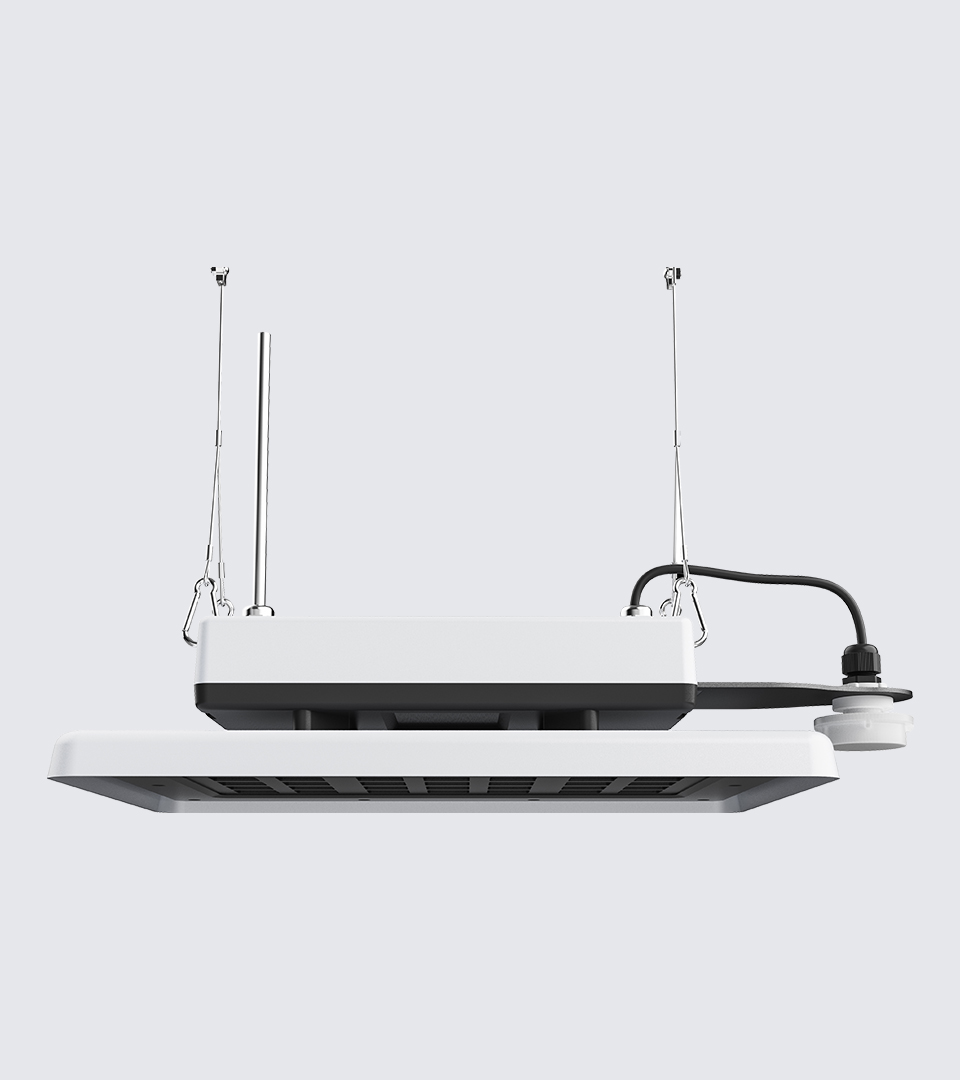
Lighting affects:
- Personnel visibility and safety
- Emergency preparedness
- Sensor accuracy for occupancy and automation
- Thermal load on the HVAC system
Many of these issues are magnified by the container’s compactness and mission-critical uptime needs. Moreover, poorly lit environments can lead to mistakes in cabling, delayed emergency response, or even failure in maintenance documentation. Lighting is not a background feature—it’s foundational.
Constraints Inside Container Facilities: What You’re Up Against
Working with containerized data centers brings these common constraints:
- IP sealing: Fixtures must be at least IP65-rated
- Explosion risk: Especially in units with diesel generators
- Thermal accumulation: Lighting must not increase HVAC burden
- Access: Fixtures must be accessible and tamper-proof
- Ceiling clearance: Limited vertical space affects beam angle and distribution
Standards You Need To Hit
Lighting in containerized data centers must comply with a range of overlapping regulations:
- ASHRAE 90.4 & TC-9.9: PUE impact and occupancy sensors
- NFPA 75 & 76: Emergency lighting duration & failover
- ANSI/TIA-942: Infrastructure zones and power contingency
- LPD Restrictions: ANSI/ASHRAE/IESNA guidelines on lighting power density
- Local building code: Egress lighting, OSHA visibility levels
| Standard | What It Covers |
|---|---|
| ASHRAE 90.4 | PUE, energy budgets, lighting integration |
| NFPA 75/76 | Fire protection, backup light systems |
| ANSI/TIA-942 | IT space classification and light levels |
| ANSI/IES LPD | Maximum watts per sq. meter for lighting |
Fixture Selection & Placement: What Actually Works
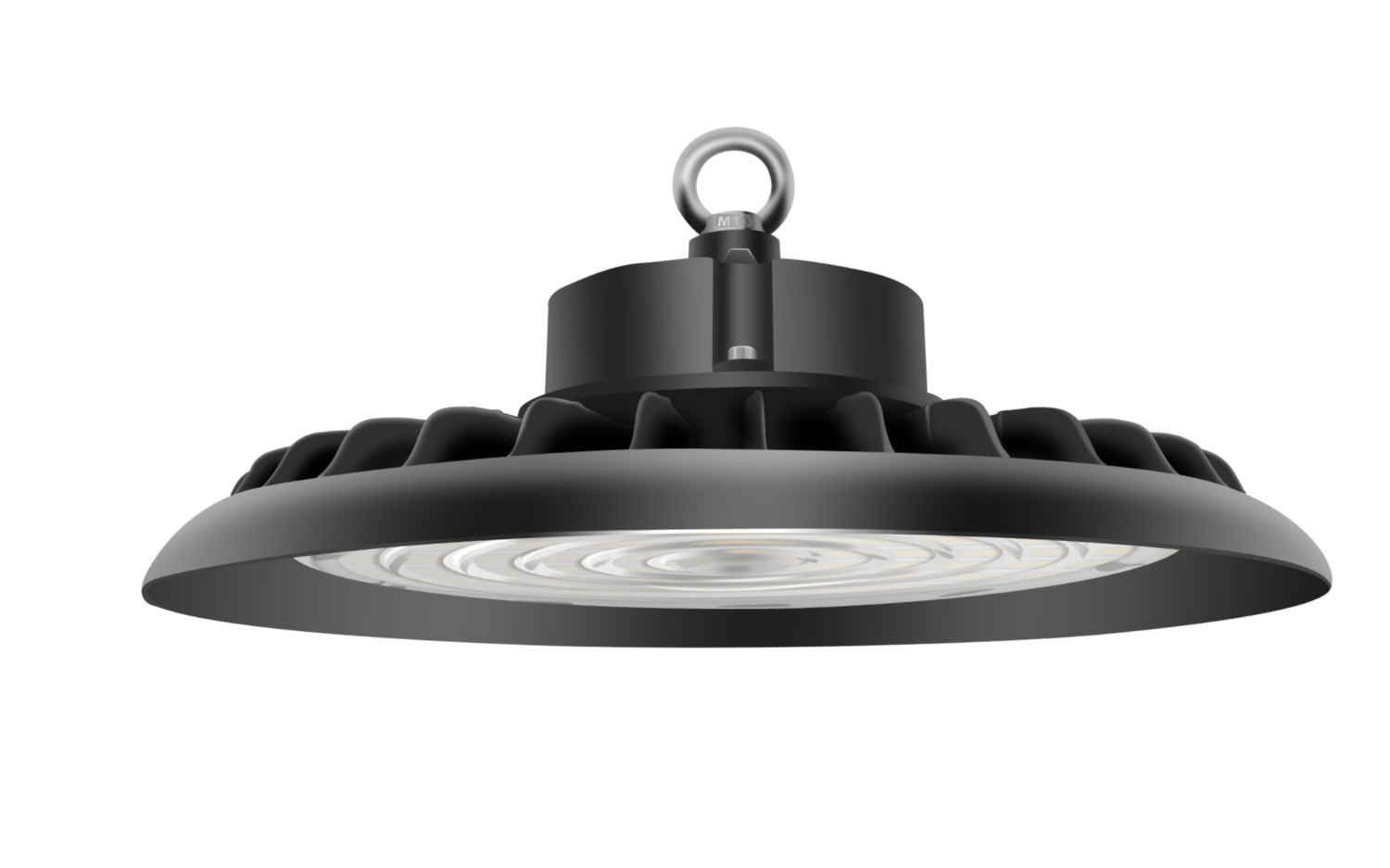
In these compact environments, smart fixture choice is key:
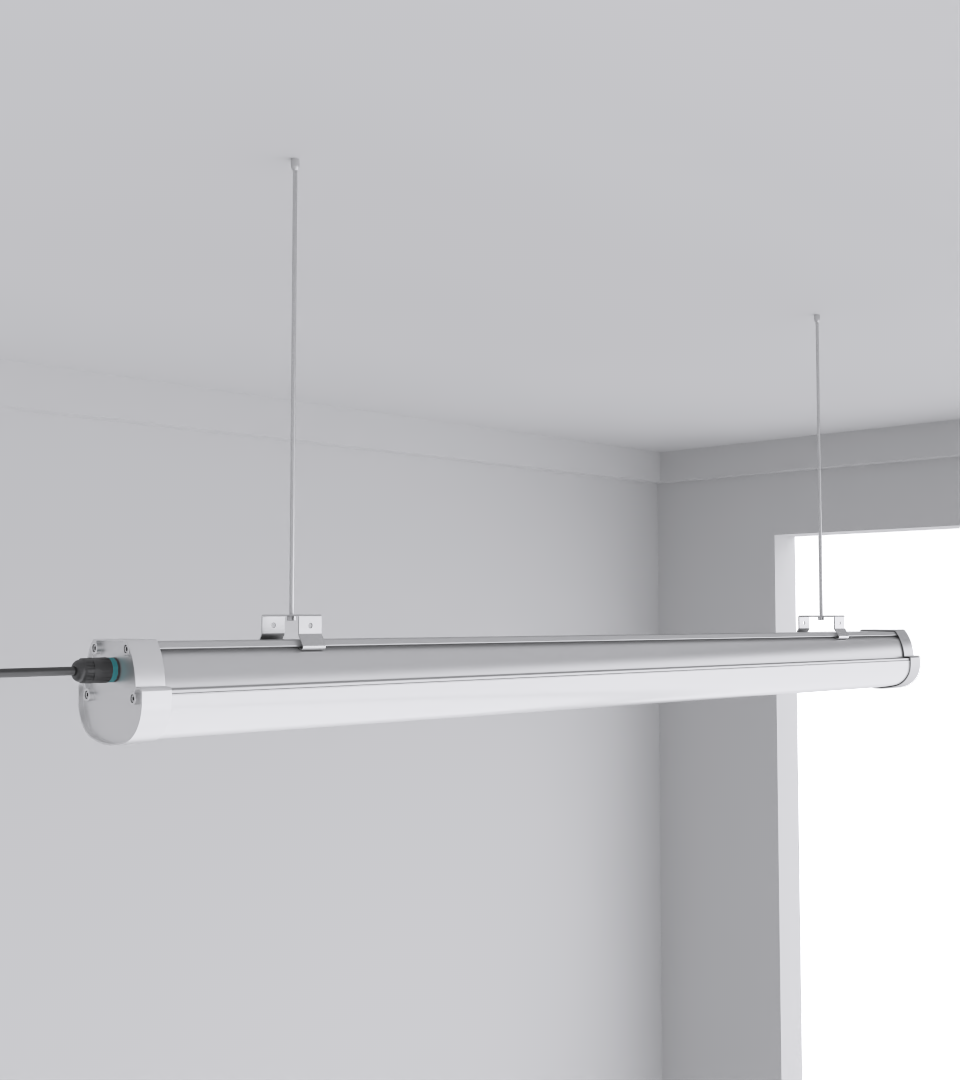
- Use high-efficiency battens like SeamLine Batten for uniform light
- Go for lm/W > 190 to reduce thermal output
- Rely on motion sensors to manage lighting during idle times
- For hot zones, install explosion-proof or tamper-resistant designs

We once had a case where installers mounted units flush to the rack—resulting in harsh shadows and misread panel meters. A minor adjustment in beam angle and spacing cut down technician error rates by 60%.
Energy, Control & Automation: Real Leverage Points
- Follow-me lighting: Lights only turn on where operators walk
- Smart dimming: Adjusts intensity based on activity or schedules
- DCIM/BMS Integration: Lighting trends analyzed alongside server load
Data centers using CAE’s programmable drivers have shown lighting energy cuts of up to 27% in 2024 alone—primarily due to automated low-traffic dimming.
Managing Thermal Load
- Avoid fixtures with high infrared spill
- Use CFD modeling to plan heat distribution
- Select fittings with low self-heating and long service lives

When we retrofitted a client’s three-unit edge deployment in Penang, fixture wattage dropped by 35%, and HVAC demand followed with a 7% reduction.
Emergency Lighting & Safety Systems
- Must run 90+ mins on backup
- Egress and task lights on independent circuits
- Test luminaires under full power outage scenarios
- Pair with motion + heat sensors for smart trigger lighting
Design redundancy with independent cable paths ensures light remains in critical zones even during partial failures.
Implementation & Maintenance: What To Plan For
- Photometric plan + spec sheets
- Maintenance and re-test schedules
- Sensor integration and commissioning checklists
- Ingress sealing (gaskets, conduit, fittings)
- Barcode tagging for quick ID of installed fixtures
Regular audits not only maintain compliance but help track energy drift, sensor failures, and end-of-life projections.
Frequently Asked Questions (FAQ)
Q: Do containerized data centers need explosion-proof lighting?
A: If the unit contains diesel generators, batteries, or flammable components, yes—zones must comply with IECEx or ATEX classifications.
Q: How bright should container data center lighting be?
A: Minimum 50 foot-candles at the 3ft horizontal plane, ideally with uniform vertical distribution.
Q: What is the best color temperature for data center visibility?
A: 4000K to 5000K is ideal for visual clarity and human alertness.
Q: How often should emergency lights be tested?
A: At least monthly, with logs stored per NFPA 75 compliance.
Q: Can lighting affect PUE?
A: Absolutely. Poor lighting choices increase HVAC load and waste energy, impacting PUE significantly.
Q: Should lighting be tied into DCIM?
A: Yes. Integrating lighting controls with DCIM/BMS allows holistic monitoring and improved efficiency.