
Environmental Sealing in Data Centers: How Fixture Leaks Impact Cooling, Safety, and Uptime
–
- What Is Environmental Sealing, and Why Fixtures Matter
- Common Environmental Threats to Data Center Fixtures
- Fixture Categories That Need Sealing in Data Centers
- Sealing Materials That Actually Work
- Compliance and Performance Standards
- Best Practices for Sealing Installations
- Energy Efficiency and ROI
- Product Solutions from CAE Lighting
- Frequently Asked Questions (FAQ)
Key Takeaways
| Issue | Why It Matters | Recommended Solution |
|---|---|---|
| Air leaks around fixtures | Wasted cooling energy, pressure imbalance | EPDM/silicone gaskets, proper caulking |
| Water ingress (plumbing/flood) | Risk to electronics, service outage | IP-rated fixtures, sealed housing |
| Dust/particulates around lights | Contaminates cooling air, damages fans | Sealed luminaires, closed fixtures |
| Improper sealing on sensors | False alarms, degraded response | Foam or brush seals |
| Fire spread via lighting cable gaps | Compromised fire zones, increased downtime risk | Fire-rated sealing materials (UL94 V-0) |
| Maintenance inefficiency | Higher labor cost, energy inefficiency | Pre-mapped fixture sealing & inspection |
What Is Environmental Sealing, and Why Fixtures Matter
In data centers, sealing is more than just plugging gaps — it’s about reliability. HVAC engineers often focus on racks and airflow zones, but fixtures like lighting units, sensor ports, and cable trays often leak more than you’d expect.
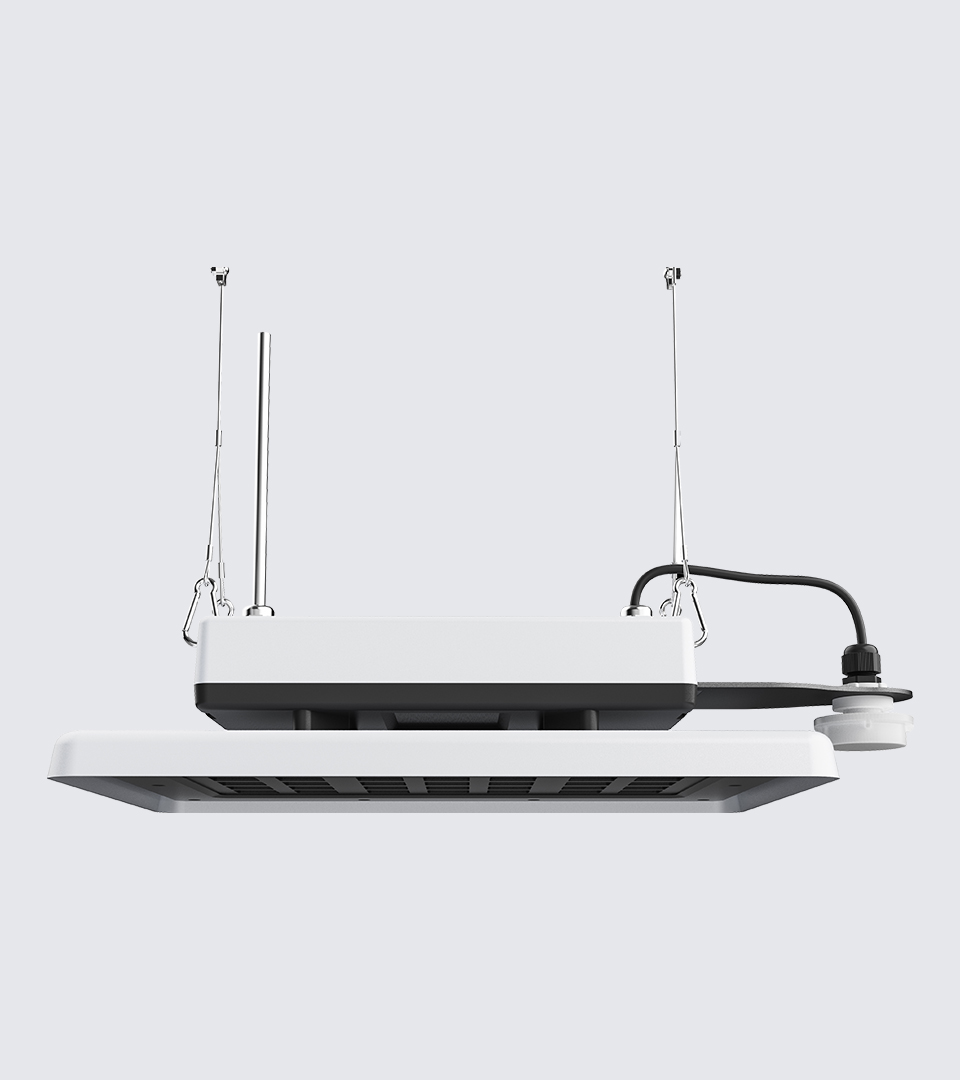
When we installed Squarebeam Elite luminaires in a Tier III facility in Johor, sealing each unit with IP65-rated gaskets eliminated backdrafts that were skewing airflow sensors. It’s not the obvious things that kill airflow — it’s the overlooked ones.
Common Environmental Threats to Data Center Fixtures
- Air Leakage: Especially around lights or sensor mounts in ceiling tiles.
- Dust/Contaminants: Pulled in by negative pressure, harming equipment.
- Humidity & Condensation: Often accumulates inside unsealed housing.
- Fire/Smoke Spread: Through lighting mounts or junctions in plenum space.
- Vibration Transfer: From cooling systems, impacting LED lifespan.
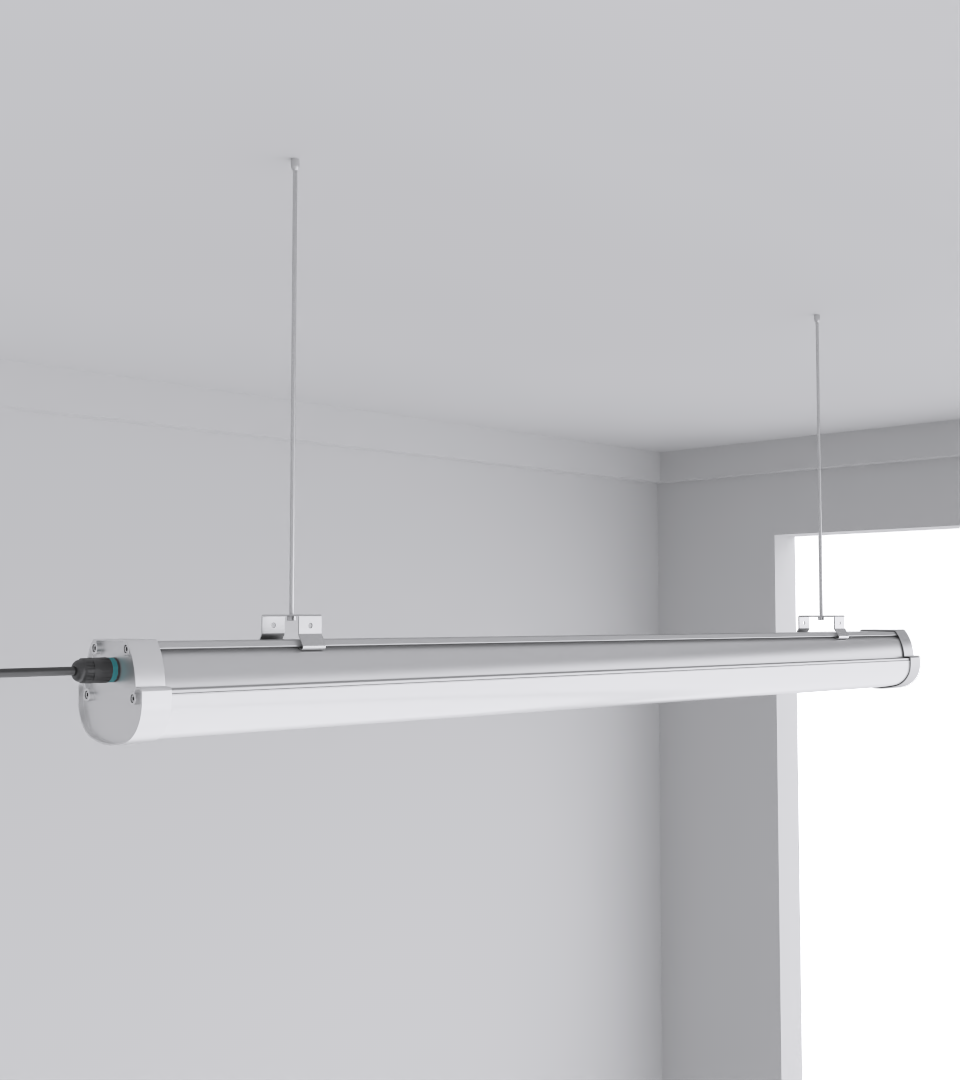
Fixture Categories That Need Sealing in Data Centers
- Ceiling-Mounted Fixtures: Most fail IP and EMI tests without sealing.
- Fire & Water Sensors: Often inserted without brush seals or gaskets.
- Cable Trays: Gaps where trays penetrate walls or floors.
- Server Racks: Openings between chassis and side rails.
- Floor Tiles: Especially raised-floor entries or blanking tiles.
Sealing Materials That Actually Work
| Material | Pros | Use Cases |
|---|---|---|
| EPDM | UV resistant, waterproof | Lighting housings, floor ports |
| Silicone | High temp, good compressibility | Sensor ports, LED backs |
| Closed-cell foam | Cost-effective, easy to cut | Ceiling tile seals |
| Fire-rated sponge | Withstands 1200°C+ | Firestop barriers around fixtures |

Compliance and Performance Standards
- UL 94: Flame-retardant compliance for fixture materials
- ASHRAE TC 9.9: Data center airflow and thermal guidance
- ISO 14644-1: Cleanroom classifications applied to server rooms

Fixtures in temperature-controlled areas must also comply with Energy Star’s air leakage and heat management guidelines.
Best Practices for Sealing Installations
- Map out all light fixtures, sensor ports, and mounting points
- Run thermal imaging to detect airflow leaks
- Install gaskets or foam seals before mounting to save rework
- Use only certified IP-rated products in flood or wet zones
- Schedule re-sealing every 12–24 months for high-usage spaces
Energy Efficiency and ROI
Air leaks caused by poor fixture sealing lead directly to HVAC inefficiency. DOE estimates show:
- Every 1% reduction in air loss improves cooling performance by 2–3%
- Well-sealed fixtures reduce server room hot spots
- Lower stress on HVAC = extended equipment life
In a CAE-led retrofit in Penang, fixture sealing led to a measurable 7.2% drop in cooling energy usage within 3 months.
Product Solutions from CAE Lighting
- Squarebeam Elite — sealed, fire-rated battens for technical zones
- Quattro Triproof Batten — sealed for water, corrosion, and vibration
- SeamLine Batten — slimline sealed unit with minimal airflow disruption
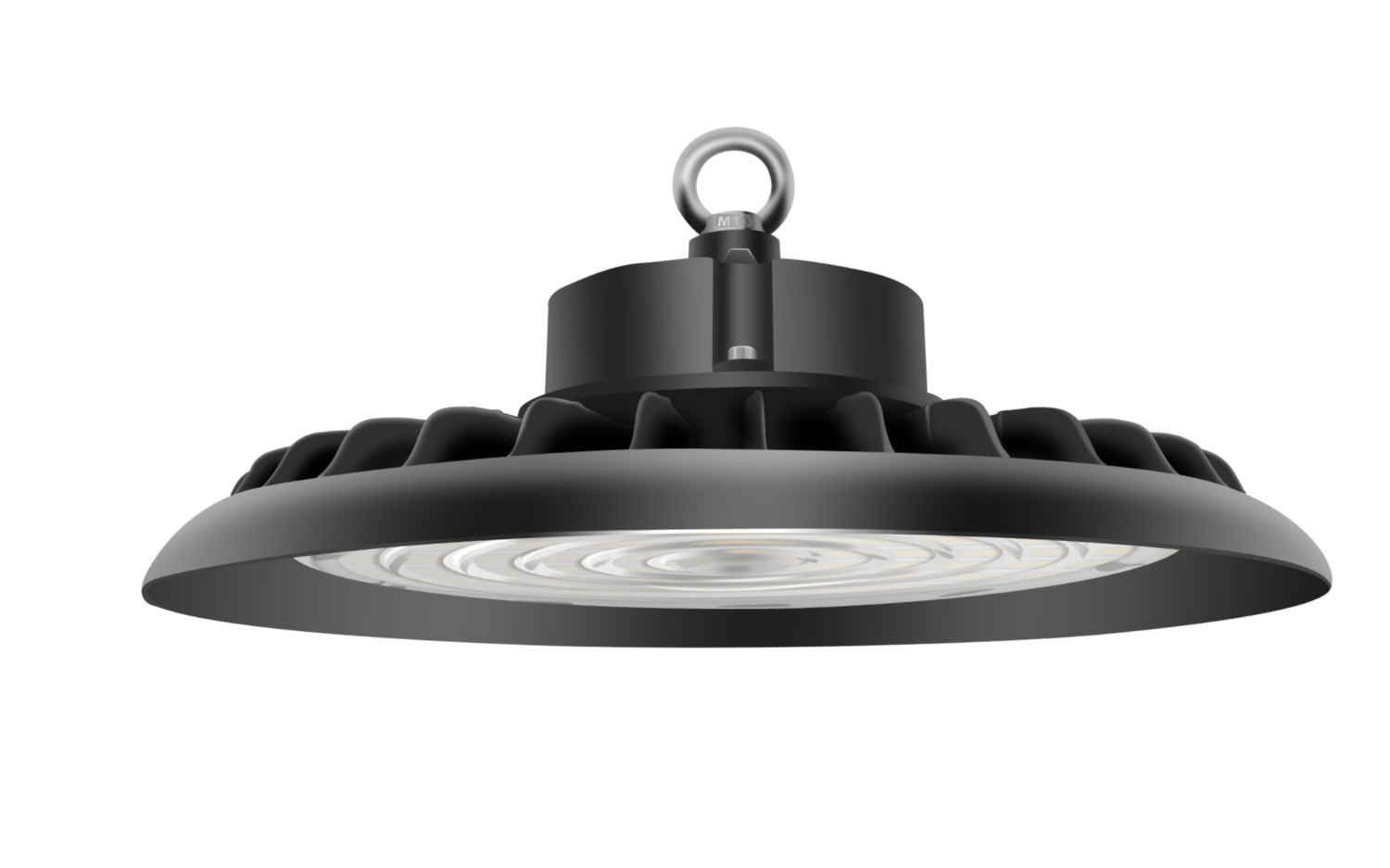
- Budget High Bay — durable and affordable, with optional sealing
Frequently Asked Questions (FAQ)
Q1: Is environmental sealing only needed for ceiling lights?
No. Sensors, fire detection ports, cable trays, and raised floor entries all require proper sealing.
Q2: Do all LED fixtures need to be fire-rated?
Only when installed in smoke-rated or plenum ceilings. However, moisture resistance is recommended across all zones.
Q3: How does sealing improve HVAC efficiency?
Proper sealing reduces pressure imbalance, improves air retention, and limits thermal escape — helping HVAC systems operate more efficiently.
Q4: How often should seals be inspected or replaced?
Every 12–24 months or during scheduled maintenance rounds. High-vibration areas may need earlier attention.
Q5: What certifications should sealed lighting meet?
Look for IP65/IP67 ratings, UL 94 V-0 flame certification, and ASHRAE alignment for technical areas.
To review options or request a product spec sheet, visit the CAE Lighting Product Catalog or contact the CAE team.