
Modular Lighting Expansion Planning for Data Centers: A Complete Engineering Guide
–
- The Real Role of Lighting in Data Center Expansion
- What Modular Lighting Actually Means
- How to Plan Lighting with Future Expansion in Mind
- Lighting Zones, Controls, and Sensors: Build Intelligently
- Avoid Electrical Planning Mistakes
- Choosing the Right Fixtures for Growth
- Energy, ROI, and Planning for the Unknown
- FAQs on Modular Lighting in Data Centers
Key Takeaways
| Feature or Topic | Summary |
|---|---|
| What is Modular Lighting? | Scalable, prefabricated lighting systems designed for flexible integration with expanding infrastructure. |
| Why It Matters in Data Centers | Supports cooling, energy efficiency, zoning, and rapid scalability without downtime. |
| Core Planning Needs | Spare circuit allocation, sensor-ready controls, thermal-aware fixture choice, and future expansion space. |
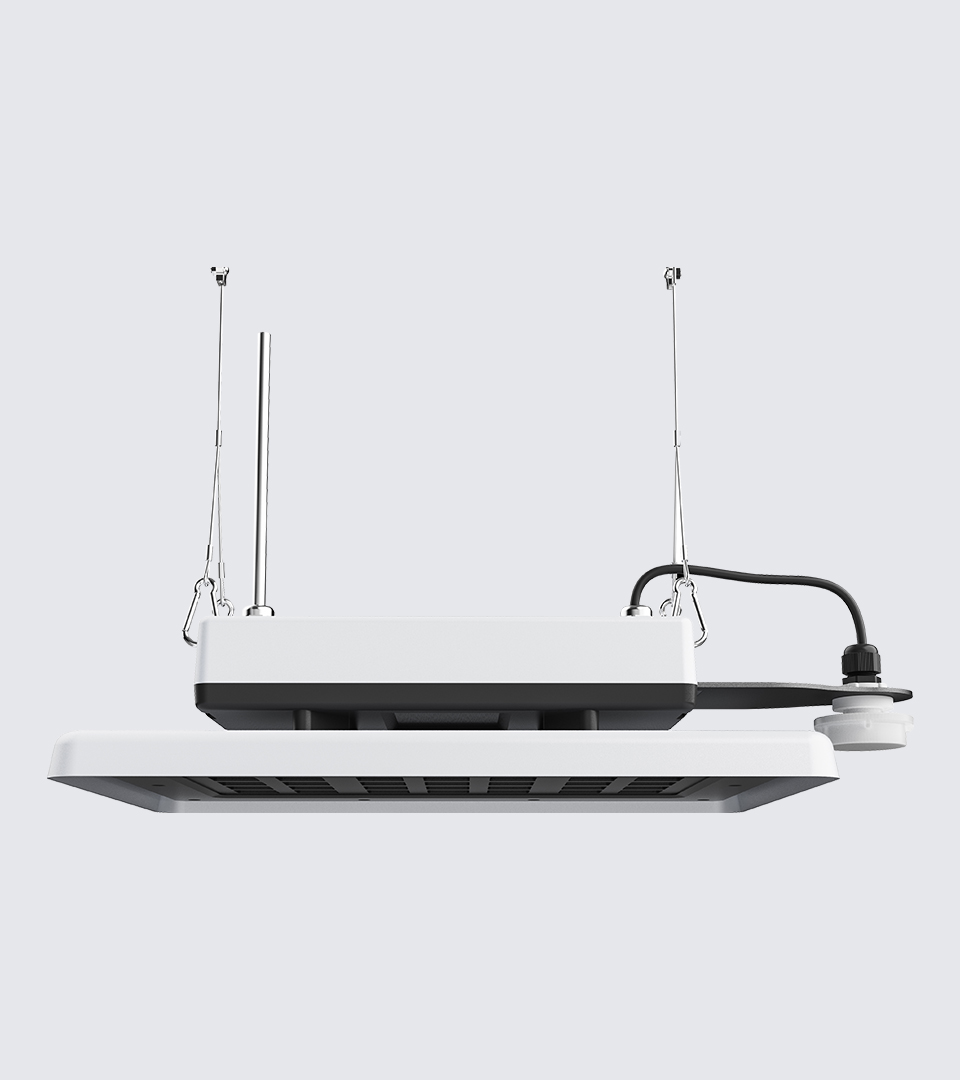
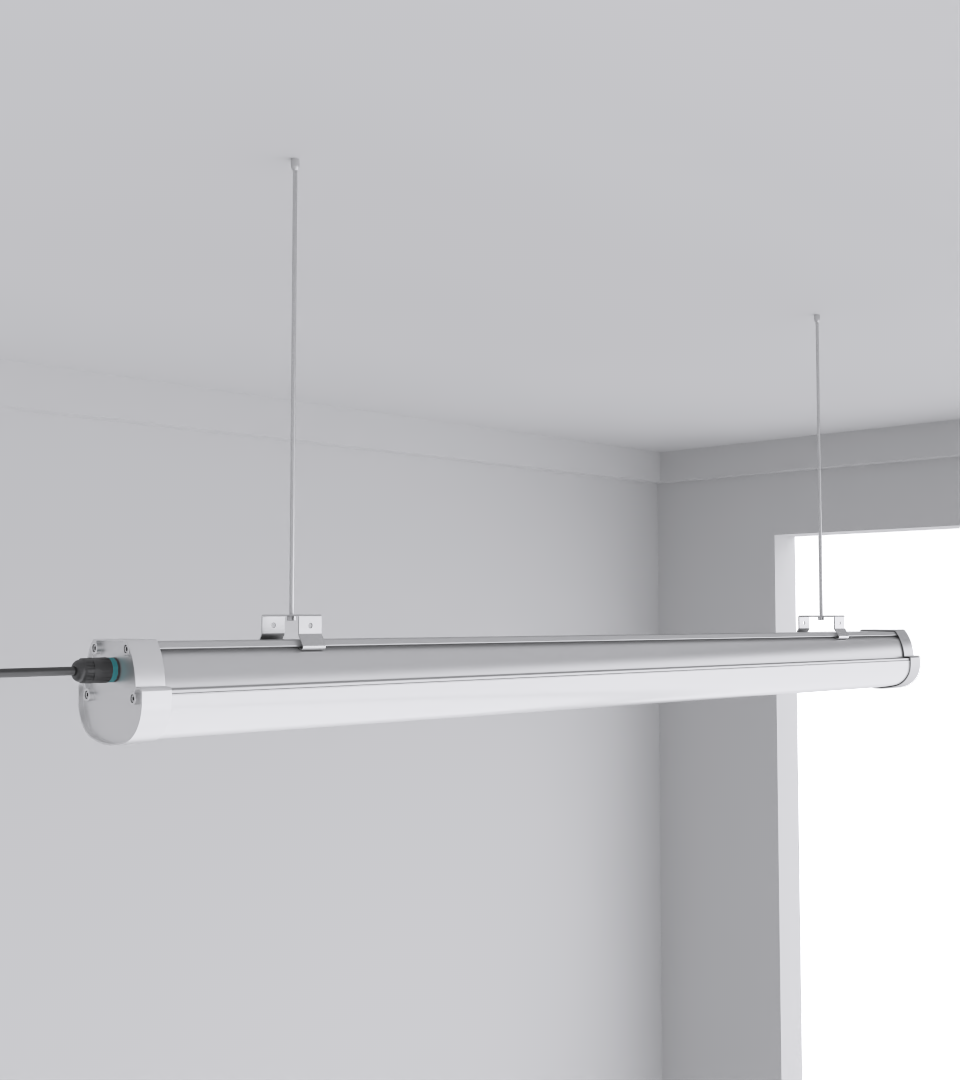
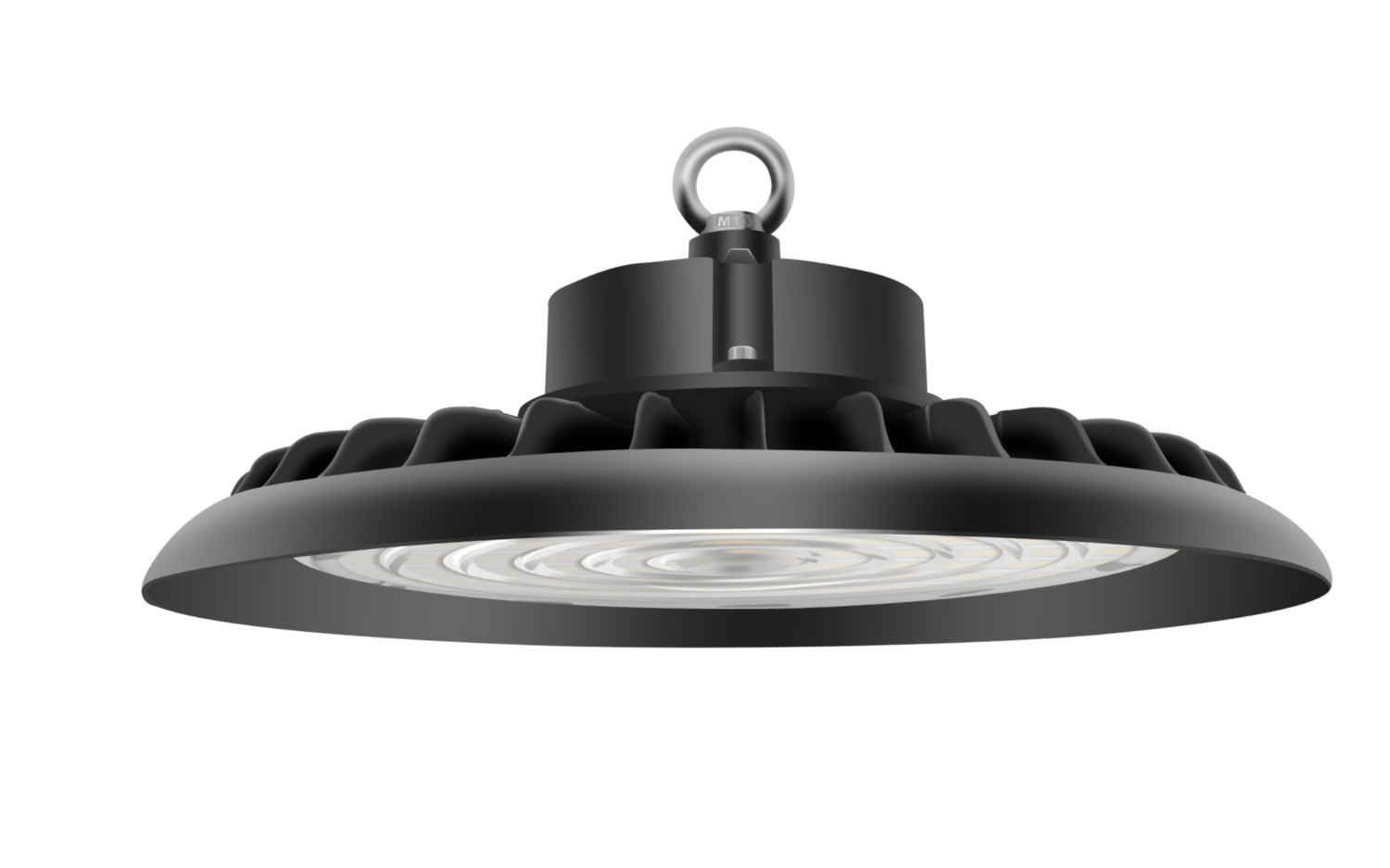
| Products to Know | Squarebeam Elite, Quattro Triproof Batten, SeamLine Batten |
| Common Mistakes | Fixed lighting with no spare zones, neglecting HVAC/light heat balance, lack of modular trunking systems. |
| Best Practices | Use digital twins, simulate lighting loads, install sensor zones early, plan for hot-swapping fixtures. |
1. The Real Role of Lighting in Data Center Expansion
Data center expansions aren’t just about servers and cooling. Lighting is often under-planned, then retrofitted in a way that costs time, energy, and future growth capacity. That’s a mistake. I’ve been brought in on projects where LED retrofits had to be ripped out 18 months later because no zoning was reserved for additional racks.
- Lower cooling demand
- Motion-based zoning to reduce idle usage
- Safer maintenance access in raised floor or cable tray zones
2. What Modular Lighting Actually Means
Modular lighting means more than plug-and-play fixtures. It’s a whole mindset:
- Prefabricated units that mount directly into ceiling grids
- Dedicated circuit channels reserved during Phase 1 planning
- Swappable sensors (motion, heat, ambient lux) that are not hardwired
- Branch cable trays that are modular and separable
3. How to Plan Lighting with Future Expansion in Mind
- Spare circuit allocation: Leave 20% spare lighting capacity per grid zone
- Predefine logical zones: Match lighting to hot/cold aisles and support corridors
- Thermal impact: Use low-heat LEDs to reduce HVAC overcompensation
- Simulation models: Include lighting heat maps in your CFD or BIM models

4. Lighting Zones, Controls, and Sensors: Build Intelligently
- Hot aisle zones: High light output with motion override
- Cold aisle zones: Reduced lighting with daylight harvesting
- Maintenance corridors: Motion + override button
- Security zones: Always-on with alert-linked output boost
5. Avoid Electrical Planning Mistakes
- Allocate 1 circuit per 2 grid zones minimum
- Reserve physical cable tray space for future lines
- Use quick-connect trunking systems over fixed conduit
- Separate low-voltage control lines from power
Bonus: Always integrate with surge protection and grounding per UL/NFPA.
6. Choosing the Right Fixtures for Growth
| Feature | What to Choose |
|---|---|
| Heat Output | Low-heat LEDs like Squarebeam Elite |
| Mounting | T-bar or magnetic brackets for fast swap |
| Ingress Rating | IP65+ for underfloor & cable tray use |
| Sensors | Casambi/Bluetooth ready for flexible control |
7. Energy, ROI, and Planning for the Unknown
- Reduced downtime during future rack additions
- Lower PUE (Power Usage Effectiveness)
- Eligibility for rebate programs
| Element | ROI Time | Notes |
|---|---|---|
| Sensor-controlled zones | 12 months | Avg. 30–40% savings |
| High-efficiency LEDs | 18 months | With smart drivers |
| Zoning control systems | 24 months | Based on workload variance |
8. FAQs on Modular Lighting in Data Centers
What is modular lighting in data centers?
Lighting systems that are scalable, prefabricated, sensor-integrated, and planned to grow without rewiring.
How should I plan lighting for future data center growth?
Start with zoning maps, reserve circuits, use sensor-ready fixtures, and simulate heat and lux coverage.
Can I integrate lighting controls into DCIM or BMS systems?
Yes, via APIs or platforms like Casambi or Zigbee Mesh.
How does lighting affect cooling?
Fixtures with high heat output raise rack temps, increasing HVAC load. Use low-heat fixtures.
What’s the biggest mistake to avoid?
Forgetting to plan lighting zones during phase 1 build. Retrofitting costs more later.