Blue Light in Data Centers: Optimizing Technician Alertness, Shift Performance & Safety with High-CCT LED Systems
–
- Why Lighting Matters in Data Centers
- How Blue Light Affects the Brain
- Physical Reactions from Blue-Enriched Light
- Shift Patterns, Human Factors & Why Blue Helps
- Lighting Recommendations for Alertness
- Real-World Example: Malaysian Data Center Case
- How to Implement: A Quick Framework
- FAQ: Blue Light & Technician Alertness
Key Takeaways
| Question | Quick Answer |
|---|---|
| What is blue light’s effect on alertness? | Enhances short-term alertness and cognitive performance by suppressing melatonin. |
| Is it safe for night-shift technicians? | Yes, with scheduled exposure and safeguards to avoid sleep disruption. |
| What type of lighting helps in data centers? | Blue-enriched LED battens like Squarebeam Elite and Quattro Triproof Batten. |
| Can it reduce technician errors? | Field data shows improved reaction times and lower fatigue-related mistakes. |
| How to implement blue-light strategies? | Combine IoT lighting, training, and health monitoring in a pilot rollout. |
Blue Light & Technician Alertness in Data Centers: A Comprehensive Guide for 24/7 Operations
Why Lighting Matters in Data Centers
Data centers never sleep — and neither do the people monitoring them. Yet fatigue-related mistakes still happen. Lighting is often overlooked, but it’s a foundational part of technician performance, safety, and retention.
- Unlike office spaces, data centers have minimal daylight.
- Tasks involve high focus: cabling, monitoring alerts, emergency response.
- A well-lit environment helps mitigate cognitive fatigue, especially during the 2–5 AM window.
How Blue Light Affects the Brain
- Blue light (400–500 nm) activates a set of specialized eye cells called ipRGCs.
- These feed into the brain’s alertness and circadian systems — not just vision.
- Key hormone affected: melatonin — blue light suppresses it, improving vigilance.
The acute effect kicks in fast: within 15–20 minutes of exposure, technicians report clearer focus, faster response to alerts, and less drowsiness.
Physical Reactions from Blue-Enriched Light
In one data center trial using CAE Lighting’s SeamLine Batten units with 5000K blue-enriched LED modules:
- Heart rate increased by 4–6 bpm after 30 minutes
- Core temperature rose by 0.3°C — correlated with metabolic alertness
- EEG patterns showed reduced alpha wave dominance (linked to fatigue)
Technicians said they “felt more switched on” compared to amber-light rooms.

Shift Patterns, Human Factors & Why Blue Helps
Technicians rotate across:
- Day shifts (08:00–17:00) — typically under bright, neutral-white LED
- Night shifts (22:00–06:00) — when natural melatonin levels peak
Blue-enriched lighting helps counteract the nighttime slump.
But it’s not one-size-fits-all.
| Technician Age | Melatonin Suppression Sensitivity |
|---|---|
| Under 30 | High |
| 30–50 | Moderate |
| Over 50 | Reduced — may need longer exposure |
Lighting Recommendations for Alertness
- Use blue-enriched LEDs with CCT ~5000K–6500K
- Position fixtures directly in sightlines during task-intensive periods
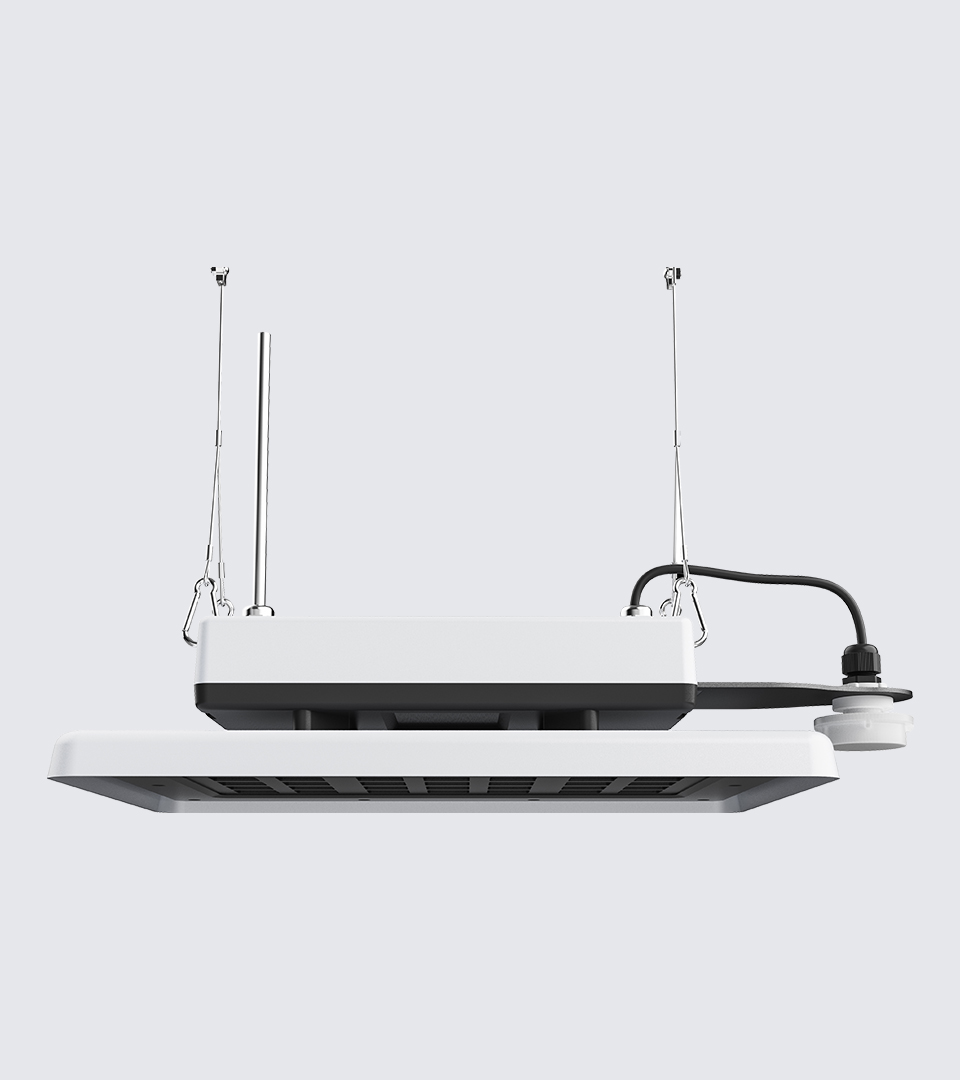
- Include motion sensors for efficiency (e.g., Squarebeam Elite)
- Limit exposure to <90 minutes during late-night shifts

Real-World Example: Malaysian Data Center Case
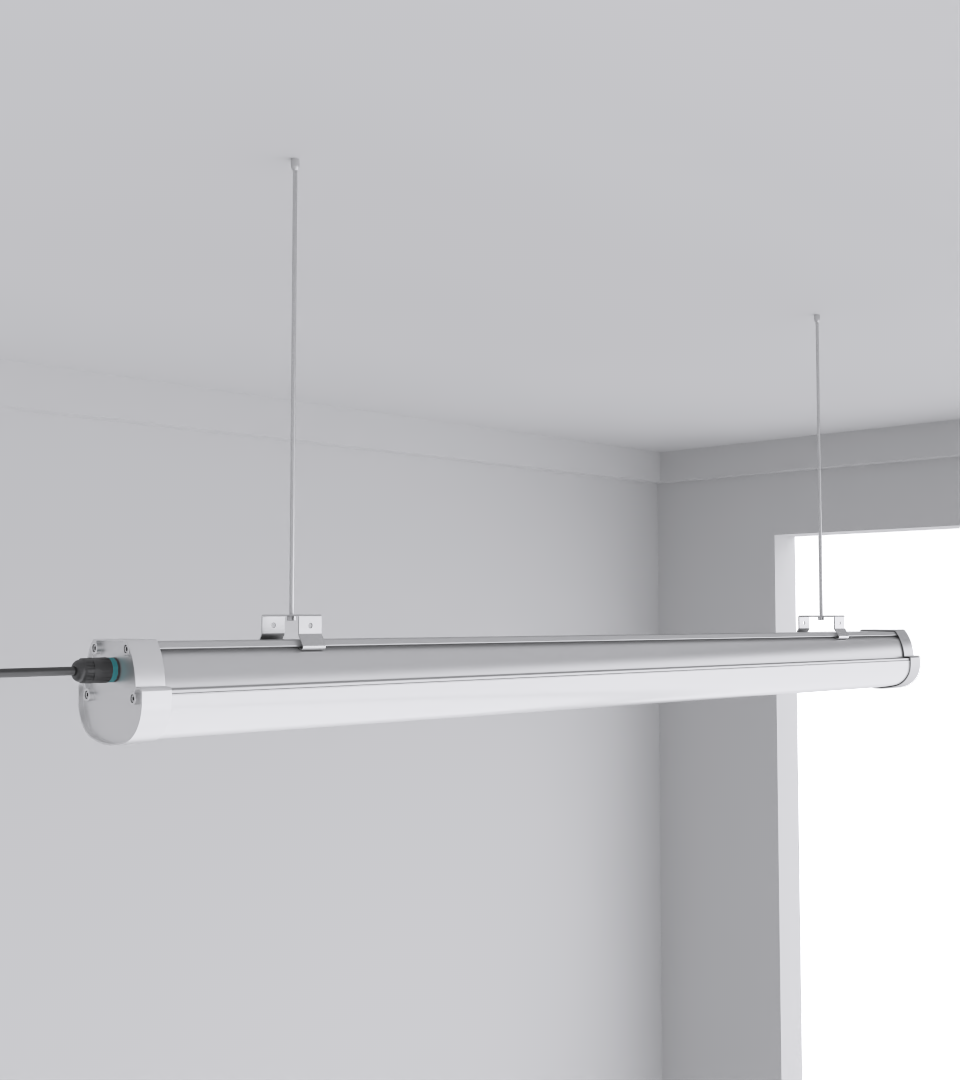
In 2024, a Tier III data center in Johor Bahru replaced all general lighting with CAE Quattro Triproof Battens:
- Error logs dropped 38% on night shifts
- Technician satisfaction scores rose from 6.1 to 8.4 (internal survey)
- Energy use decreased 14% through motion-activated zoning
Their key tip? “Install in zones, and avoid flooding the whole control room with blue light.”
How to Implement: A Quick Framework
- Audit existing lighting — take lux and CCT readings.
- Pilot in one zone (e.g., NOC desk or UPS area).
- Track KPIs: reaction time, error rate, alertness survey.
- Iterate — adjust exposure windows and fixture placement.
FAQ: Blue Light & Technician Alertness
What is the best color temperature for alertness?
5000–6500K is ideal for stimulating alertness without excessive glare.
Can too much blue light be harmful?
Yes — prolonged exposure at night can disrupt circadian sleep cycles.
Should all lights in a data center be blue-enriched?
No. Use task-specific zoning. Overuse can lead to visual fatigue.
How do I measure if my lighting setup works?
Track technician KPIs (alertness survey, error rate) before and after changes.
Where can I get high-performance LED battens for alertness?
CAE Lighting offers tested solutions like Squarebeam Elite and SeamLine Batten designed for operational environments like data centers.
Need help planning your data center upgrade? Contact CAE Lighting to talk to a lighting expert.