
Adjustable Lighting in Data Centers: Optimize Energy, Visibility & DCIM Integration
Table of Contents
- Why Adjustable Lighting Is Critical for Data Center Environments
- Practical Benefits: Energy, Safety, and Compliance
- What Adjustable Lighting Really Means
- Lighting Layout & Coverage: Avoid the Common Pitfalls
- Smart Controls & Sensor Logic
- Integration with Data Center Infrastructure Management (DCIM)
- Thermal Load & Cooling Synergy
- FAQs: What People Ask About Adjustable Lighting in Data Centers
Key Takeaways
| Feature or Topic | Summary |
|---|---|
| Integration Benefits | Energy savings, streamlined operations, enhanced monitoring, and predictive maintenance. |
| Key Protocols | BACnet, Modbus, SNMP ensure interoperability. |
| Implementation Strategies | Assess existing infrastructure, select compatible systems, phased deployment recommended. |
| Operational Advantages | Reduced downtime, improved safety, occupant comfort, and significant sustainability contributions. |
1. Why Adjustable Lighting Is Critical for Data Center Environments
Data centers aren’t just about racks and cooling anymore. Lighting plays a direct role in safety, performance, and even thermal stability. Fixed-output lighting is fading out fast as more facilities move to smart, adaptable systems.
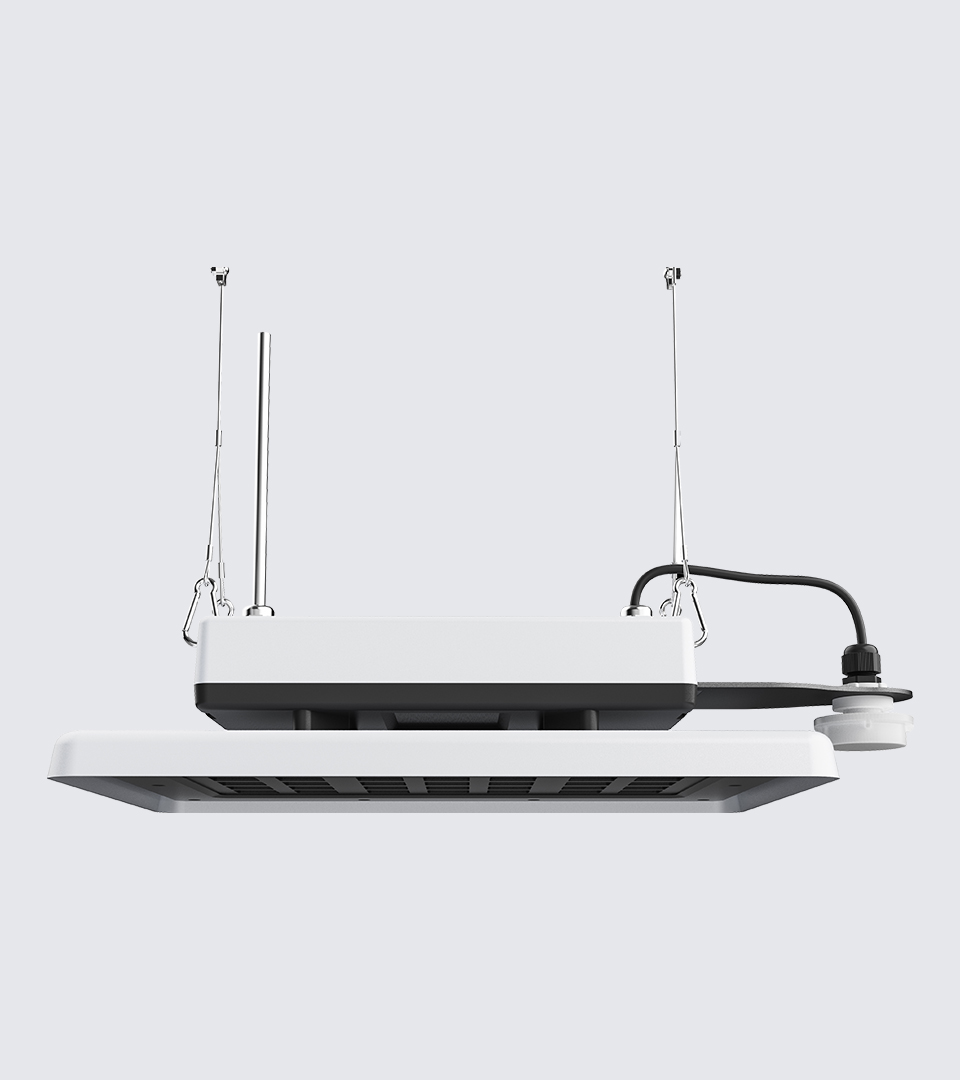
- Adjustable systems enable real-time tuning of brightness (lumen output) and warmth (CCT).
- These lighting changes can reduce eye strain, support shift worker health, and improve visibility in tight rack corridors.
- Field examples show 20–35% further energy savings beyond standard LED retrofits.
2. Practical Benefits: Energy, Safety, and Compliance
- Reduces lighting load by adjusting lumen levels based on time of day or zone activity.
- Supports LEED, ISO 14001, and DLC certifications.
- Improves visual clarity around critical areas—server rows, egress paths.
| Metric | Typical Gain with Adjustable LEDs |
|---|---|
| Lighting Load Cut | Up to 70% |
| PUE Improvement | 0.05–0.15 |
| Emergency Egress Safety | Enhanced with redundancy modes |
3. What Adjustable Lighting Really Means
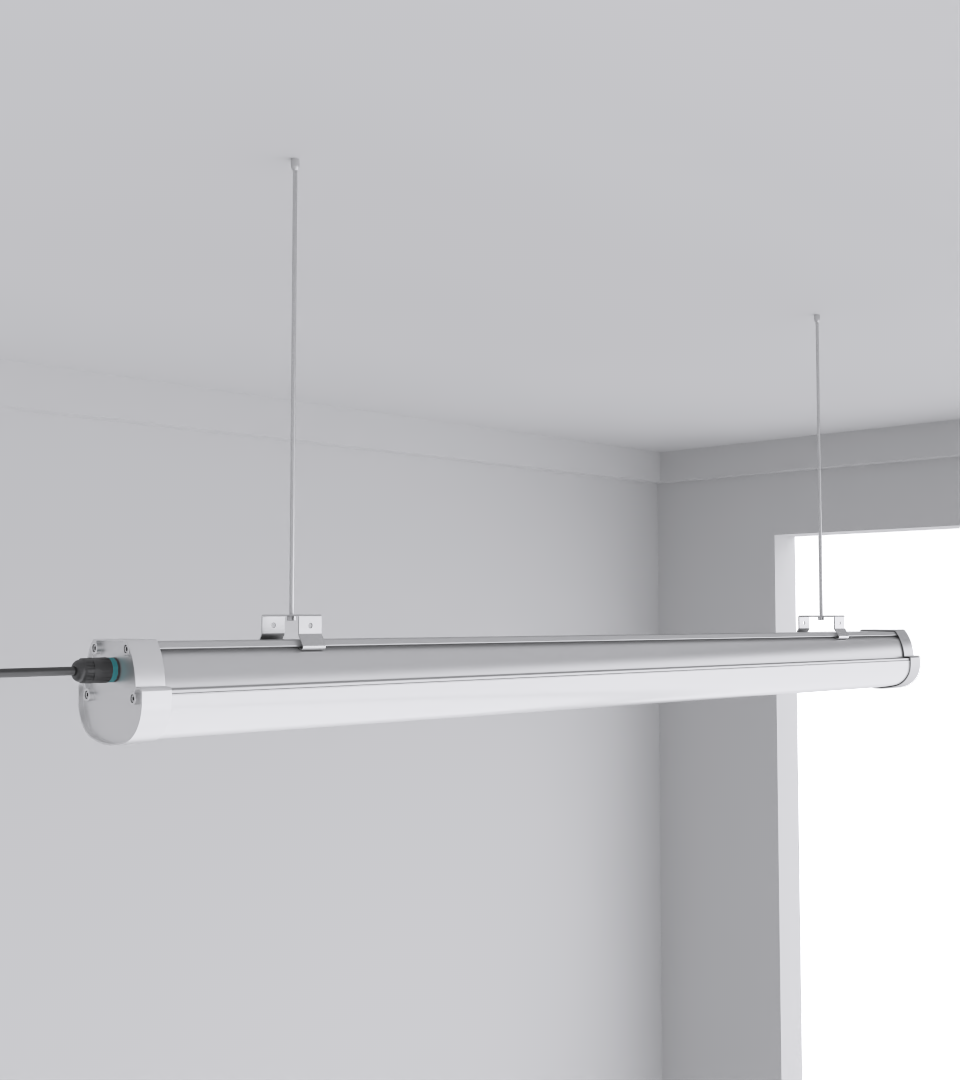
- Field-adjustable output: Modify lumen intensity without rewiring.
- Selectable CCT: Flexibility for comfort and visibility.
- High CRI: Ensures technicians read labels and wires correctly.
Technicians on night shifts have reported fewer mistakes when lighting mimics natural daylight cycles.
4. Lighting Layout & Coverage: Avoid the Common Pitfalls
- Aisles: Target 200–300 lux
- Work zones: 400+ lux
- Ceiling heights: Match with high-bay or narrow-beam fixtures
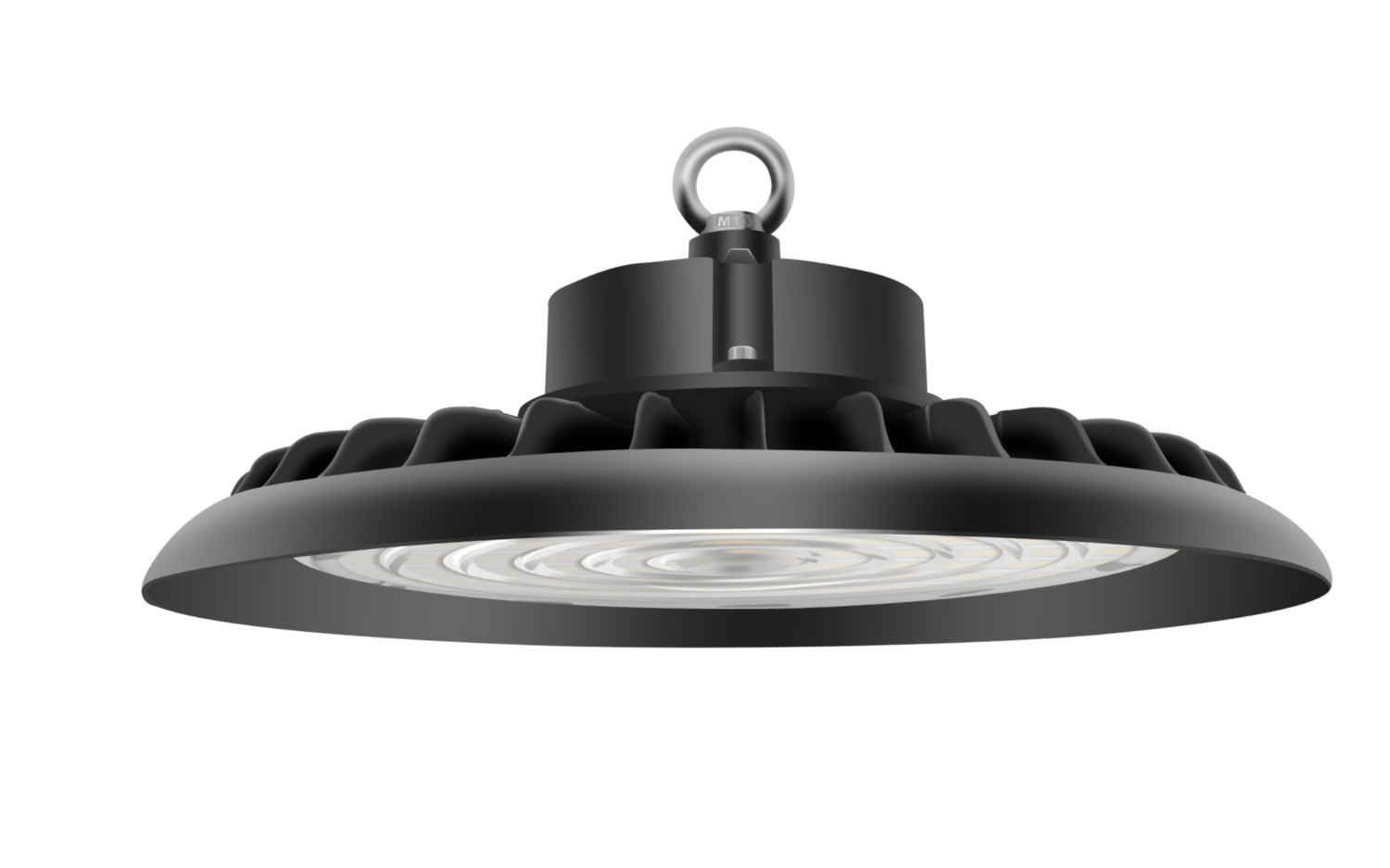
Layered Lighting Strategy
- Ambient: General navigation
- Task: Service points
- Accent: Indicators or signage
5. Smart Controls & Sensor Logic
- PIR motion sensors: Detect movement
- Daylight sensors: Dim when sunlight is available
- Time-based schedules: Automate for non-peak hours
Misplaced sensors cause false triggers and over-lighting. Always run baseline calibration post-installation.
6. Integration with Data Center Infrastructure Management (DCIM)

- BACnet & Modbus: Protocols for integration
- DCIM dashboards: Real-time lux, energy data
- Remote overrides: Key for high-security zones
7. Thermal Load & Cooling Synergy

- Lower wattage: Less heat dumped into cooled zones
- Zoned lighting: Reduces over-illumination in empty areas
- Adaptive dimming: Matches usage patterns, supporting HVAC sync
8. FAQs: What People Ask About Adjustable Lighting in Data Centers
- Q1: What’s the difference between field-adjustable and tunable lighting?
A: Field-adjustable means set at install; tunable changes in real time via controls. - Q2: Can adjustable lights be integrated into BMS systems?
A: Yes. Most CAE fixtures support BACnet or Modbus. - Q3: Will this reduce my cooling costs?
A: Yes, indirectly—lower wattage = less heat output = less cooling demand. - Q4: What are common mistakes in deployment?
A: Poor sensor placement, mismatched lux targets, overlighting. - Q5: Is it worth upgrading older LED fixtures?
A: Yes. Adjustable models offer better control and efficiency.