
Maximizing Energy Efficiency: The True Carbon Footprint of Lighting Systems in Data Centers
- Introduction to Data Center Energy Consumption
- Understanding the Carbon Footprint in Data Centers
- Lighting Systems in Data Centers
- Carbon Footprint of Different Lighting Technologies
- Intelligent Lighting Management Systems
- Design Considerations for Sustainable Lighting
- Lifecycle Assessment of Lighting Systems
- Retrofitting Existing Facilities
- Regulatory and Industry Standards
- Future Trends in Data Center Lighting
- Conclusion
- Frequently Asked Questions (FAQ)
Key Takeaways
| Feature or Topic | Summary |
|---|---|
| Integration Benefits | Energy savings, streamlined operations, enhanced monitoring, and predictive maintenance. |
| Key Protocols | BACnet, Modbus, SNMP ensure interoperability. |
| Implementation Strategies | Assess existing infrastructure, select compatible systems, phased deployment recommended. |
| Operational Advantages | Reduced downtime, improved safety, occupant comfort, and significant sustainability contributions. |
Carbon Footprint of Different Lighting Systems in Data Centers
1. Introduction to Data Center Energy Consumption
Data centers, the backbone of the digital world, consume massive amounts of energy. Their lighting systems, often overlooked, can have a significant environmental impact. Addressing this aspect of data center operations is crucial for meeting sustainability goals.
- Energy consumption in data centers is responsible for nearly 1% of global greenhouse gas emissions. As data centers continue to grow, efficient lighting systems play a pivotal role in reducing their carbon footprint.
- Improving lighting systems isn’t just about energy savings; it’s also about creating a safer, more efficient environment.
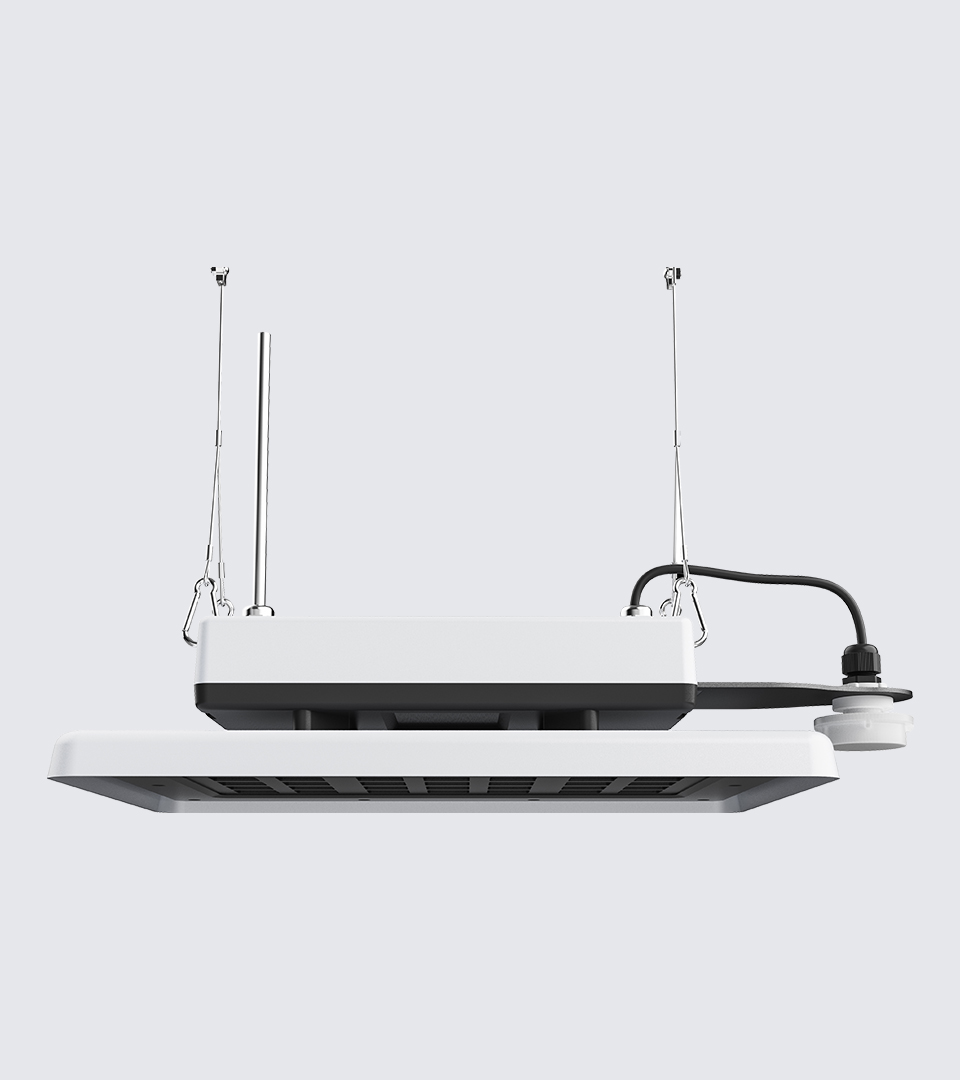
Product Example: Squarebeam Elite
2. Understanding the Carbon Footprint in Data Centers
The carbon footprint of a data center encompasses both direct energy use and the emissions linked to its infrastructure, including lighting systems. This is usually measured in Carbon Usage Effectiveness (CUE) alongside Power Usage Effectiveness (PUE).
- PUE: Ratio of total building energy usage to the energy used by the IT equipment.
- CUE: Specific measure of carbon emissions related to the energy used by a data center.
Data centers typically utilize fluorescent or incandescent lighting, but the shift to LEDs is quickly becoming the industry standard due to its far lower emissions and energy consumption.
3. Lighting Systems in Data Centers
Data centers typically employ traditional lighting technologies like fluorescent or incandescent lights. However, emerging technologies are steadily replacing these older systems.
Traditional Lighting:
- Fluorescent Lights: Common, but inefficient.
- Incandescent Lights: Very inefficient and short-lived.
Emerging Lighting Technologies:
- LED Lighting: Up to 70% more energy-efficient than fluorescent lighting.
- OLED and Quantum Dots: Potential for further energy savings and flexible designs.
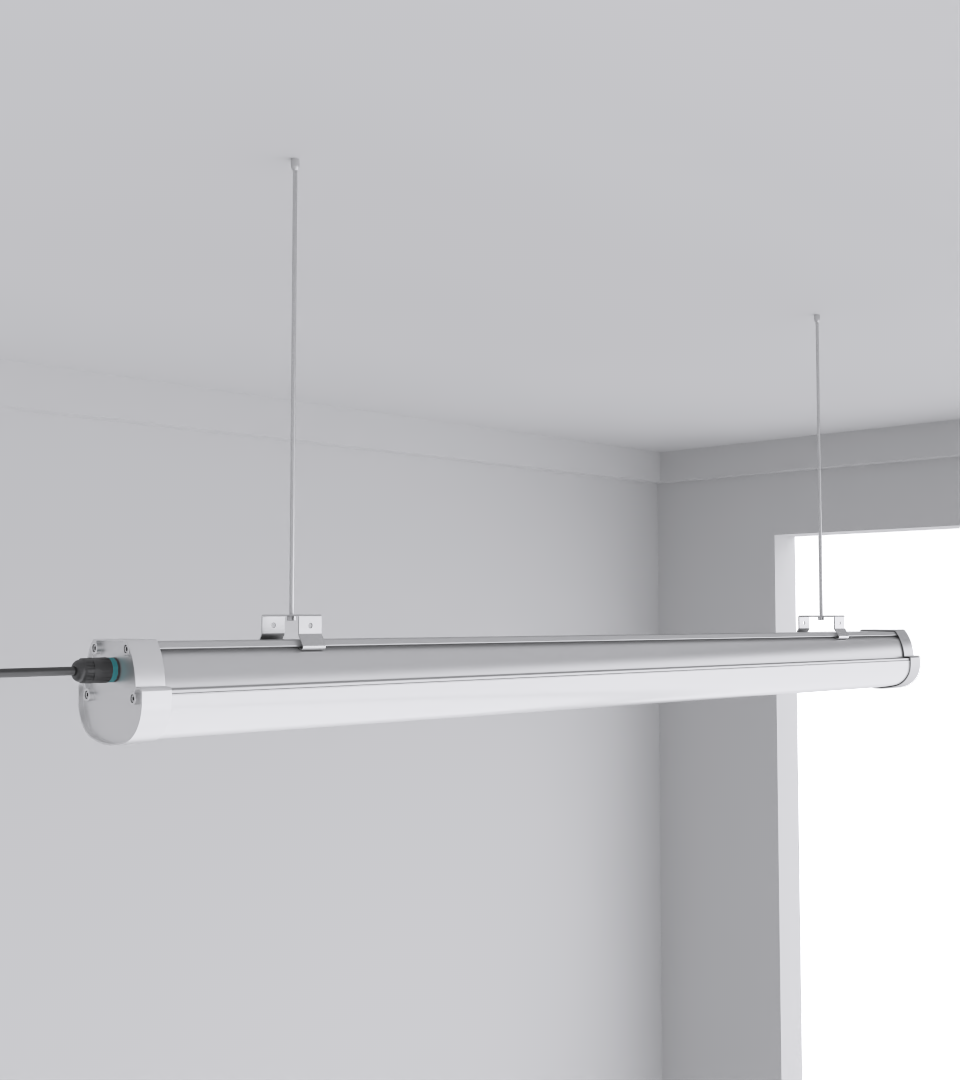
Product Example: Quattro Triproof Batten
Comparison of Lighting Efficiency:
| Lighting Type | Efficiency | Lifespan | Environmental Impact |
|---|---|---|---|
| Fluorescent | Low | 10,000 hrs | High |
| Incandescent | Very Low | 1,000 hrs | Very High |
| LED | Very High | 50,000 hrs | Very Low |
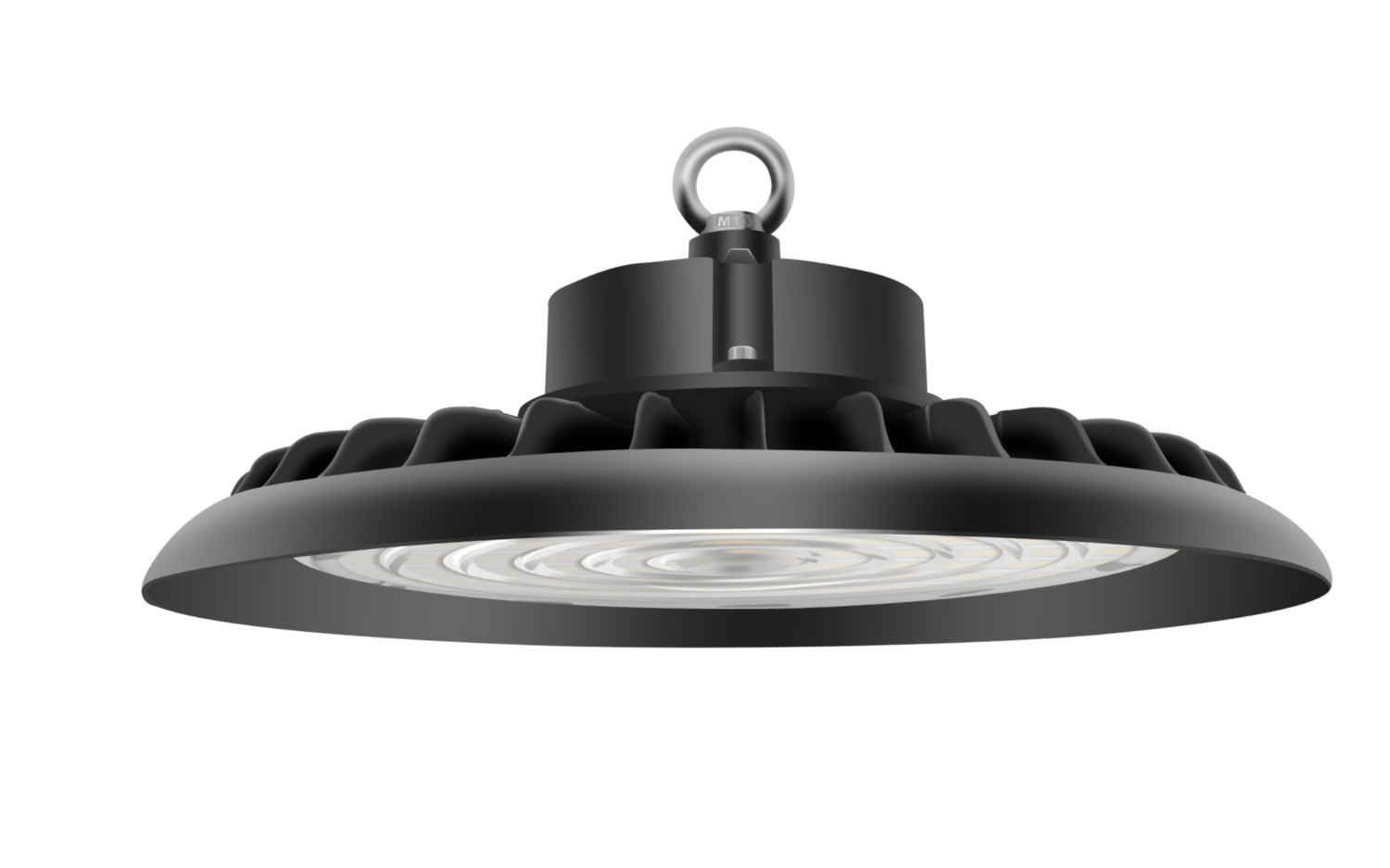
Product Example: Budget High Bay
4. Carbon Footprint of Different Lighting Technologies
Fluorescent lights, though more efficient than incandescent lighting, are still inefficient compared to LED systems. In fact, a switch to LED lighting can reduce a data center’s energy consumption by as much as 70%.
- Fluorescent: Around 60% more energy consumption than LED.
- LED: Best choice for data centers aiming to cut emissions.
Case Study: At a data center in New York, transitioning from fluorescent to LED lighting cut energy consumption by 60%, reducing annual CO2 emissions by approximately 120 tons.
5. Intelligent Lighting Management Systems
The role of intelligent lighting systems cannot be overstated in reducing emissions in data centers. By integrating smart lighting controls, data centers can monitor usage and adjust lighting levels based on occupancy, time of day, or ambient light levels.
Key Intelligent Lighting Controls:
- Occupancy Sensors: Automatically turn lights off when areas are not in use.
- Daylight Harvesting: Adjusts lighting based on available natural light.
- Adaptive Lighting: Lights adjust based on real-time needs, reducing energy waste.
Benefits of Intelligent Lighting:
- Energy Savings: Up to 30% reduction in lighting energy use.
- Extended Fixture Life: Less operational wear and tear due to optimized usage.
Product Example: SeamLine Batten

6. Design Considerations for Sustainable Lighting
Lighting design plays an important role in energy efficiency. In data centers, optimal lighting placement, use of reflective materials, and zoning can further improve sustainability.
Strategic Fixture Placement:
- Proper zoning of lighting reduces energy waste.
- Reflective Surfaces: Enhance the efficiency of lighting by maximizing the natural spread of light.
- Low Power Designs: Focus on low-power fixtures to reduce overall consumption.
Image: SeamLine Batten LED Light
7. Lifecycle Assessment of Lighting Systems
Beyond operational emissions, the lifecycle of a lighting system—from production to disposal—also contributes to its carbon footprint. Considering the entire lifecycle of lighting systems allows data centers to make more sustainable choices.
- Embodied Emissions: Emissions from production, transportation, and installation.
- Operational Emissions: Emissions from energy consumed during use.
Case Study: In a lifecycle assessment of LED lighting, the emissions from production and disposal were far outweighed by the operational savings over a 5-year period.
8. Retrofitting Existing Facilities
Upgrading outdated lighting systems can be a cost-effective way to reduce a data center’s carbon footprint. Retrofitting, especially in older facilities, can yield significant energy savings with a relatively quick return on investment (ROI).
Challenges of Retrofitting:
- Initial Costs: High upfront cost of LED systems.
- Compatibility: Ensuring new systems work with existing infrastructure.
Benefits of Retrofitting:
- Energy Savings: Reduction in annual energy consumption.
- Quick ROI: Typical payback period of 2-3 years for LED retrofits.
9. Regulatory and Industry Standards
Adhering to industry standards and certifications, such as LEED or ISO 14001, can help data centers maintain a sustainable footprint. These standards set the foundation for energy efficiency and environmental responsibility.
- LEED Certification: Encourages energy-saving measures and sustainable lighting practices.
- ISO 14001: Sets standards for environmental management systems.
10. Future Trends in Data Center Lighting
Emerging trends in lighting technology, including AI-driven systems and integration with renewable energy sources, will continue to push the boundaries of sustainability in data centers.
- AI and ML: Predictive systems that optimize lighting based on usage patterns.
- Renewable Energy Integration: Lights powered by solar or wind energy.
11. Conclusion
As data centers strive for greater sustainability, adopting energy-efficient lighting systems is one of the most impactful changes they can make. Intelligent controls, LED lighting, and thoughtful design can significantly reduce the carbon footprint of these essential facilities.
Frequently Asked Questions (FAQs)
1. What is the carbon footprint of lighting in data centers?
Lighting in data centers contributes