
How to Minimize Light Pollution in Data Centers: Practical Solutions and Best Practices
Key Takeaways
| Feature or Topic | Summary |
|---|---|
| Understanding Light Pollution | Light pollution disrupts the environment, affects health, and contributes to wasted energy. Understanding its types—skyglow, light trespass, glare, and over-illumination—is key to reducing its impact. |
| Light Pollution in Data Centers | Data centers often struggle with 24/7 lighting needs, contributing to significant light pollution. Proper lighting management is essential to mitigate its impact. |
| Regulatory Landscape | Understanding global and local lighting regulations, such as LEED and Dark Sky certifications, is critical for data centers to ensure compliance and avoid penalties. |
| Strategies for Reducing Light Pollution | Effective strategies include full cutoff fixtures, dimming systems, motion sensors, and energy-efficient lighting. Adopting smart lighting and renewable energy solutions can further reduce light pollution. |
| Benefits of Mitigating Light Pollution | Reducing light pollution offers benefits like improved community relations, lower energy consumption, regulatory compliance, and a positive environmental impact. |
| Implementing a Light Pollution Reduction Plan | A comprehensive plan includes assessing current lighting practices, setting up a lighting management strategy, and monitoring progress through regular assessments. |
| Future Trends and Innovations | Advancements in smart lighting, AI integration, and renewable energy technologies will play a significant role in reducing light pollution in data centers. |
Understanding Light Pollution
Light pollution refers to any artificial light that disrupts the natural night environment, affecting both human health and ecosystems. The types of light pollution include:
- Skyglow: The brightening of the night sky over populated areas.
- Light Trespass: Light spilling into areas where it’s not needed.
- Glare: Excessive brightness that causes discomfort or impaired vision.
- Over-Illumination: Using more light than necessary, often in an inefficient way.
These forms of light pollution disrupt circadian rhythms, negatively affecting sleep patterns and contributing to various health problems. Furthermore, they disturb wildlife, especially nocturnal species, and upset natural ecosystems.
Light Pollution in Data Centers
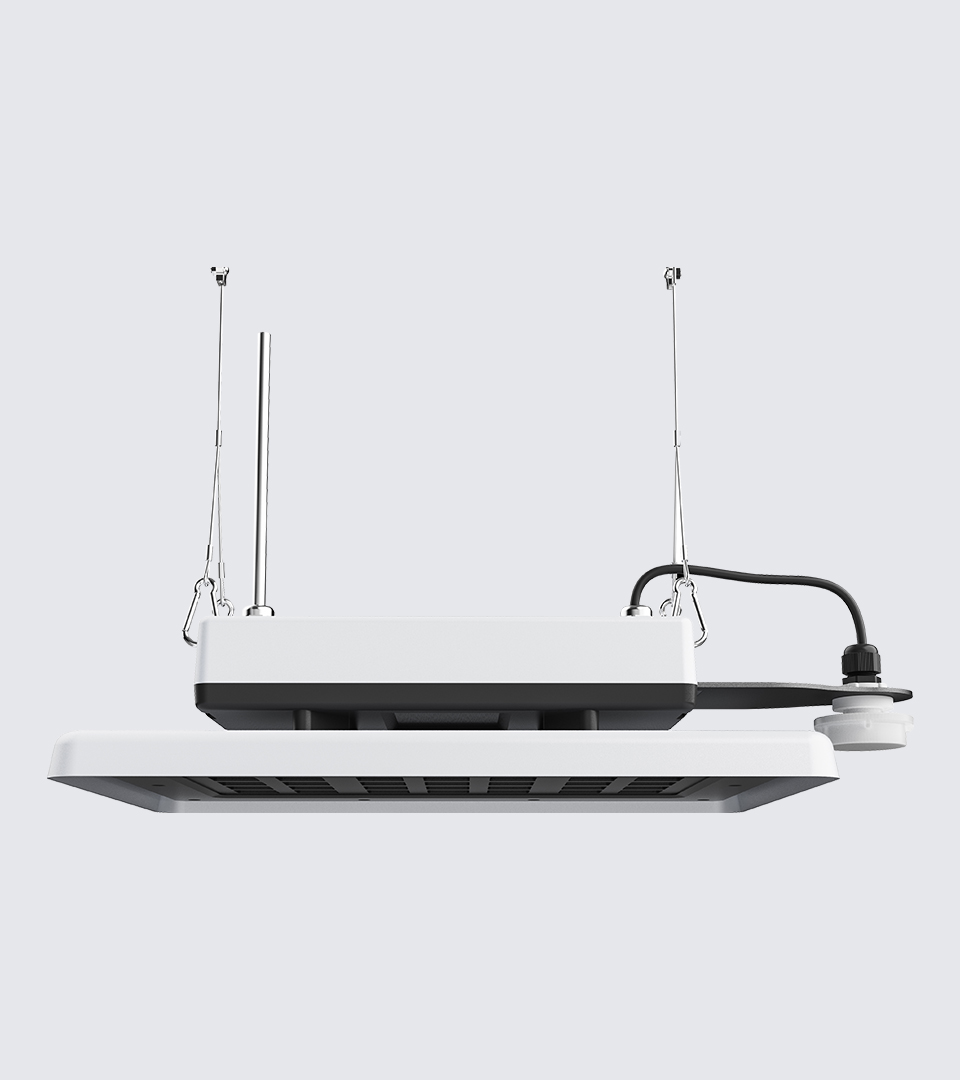
Data centers are often located in remote or industrial zones but are still prone to light pollution, especially given their 24/7 operational needs. The challenge comes in balancing the high-intensity lighting necessary for security, maintenance, and performance, with the environmental need to minimize light spill and glare.
Data centers are uniquely equipped with intense lighting that must be managed. Not only does this lighting contribute to light pollution, but it also increases operational costs due to inefficient energy use. For example, poorly designed or outdated lighting systems in a large facility can generate unnecessary skyglow or light trespass, particularly if they are not properly shielded or focused.

Regulatory Landscape
There are several global and local standards that address light pollution, particularly for data centers. Key regulations include:
- LEED Certification: This sustainability standard rewards companies for minimizing light pollution through best practices in lighting design and energy efficiency.
- Dark Sky Certifications: Promotes reducing light pollution through compliance with specific lighting intensity and direction guidelines.
Non-compliance with these standards can lead to penalties and loss of certification, making it essential for data centers to adhere to local and international lighting standards.
Strategies for Reducing Light Pollution
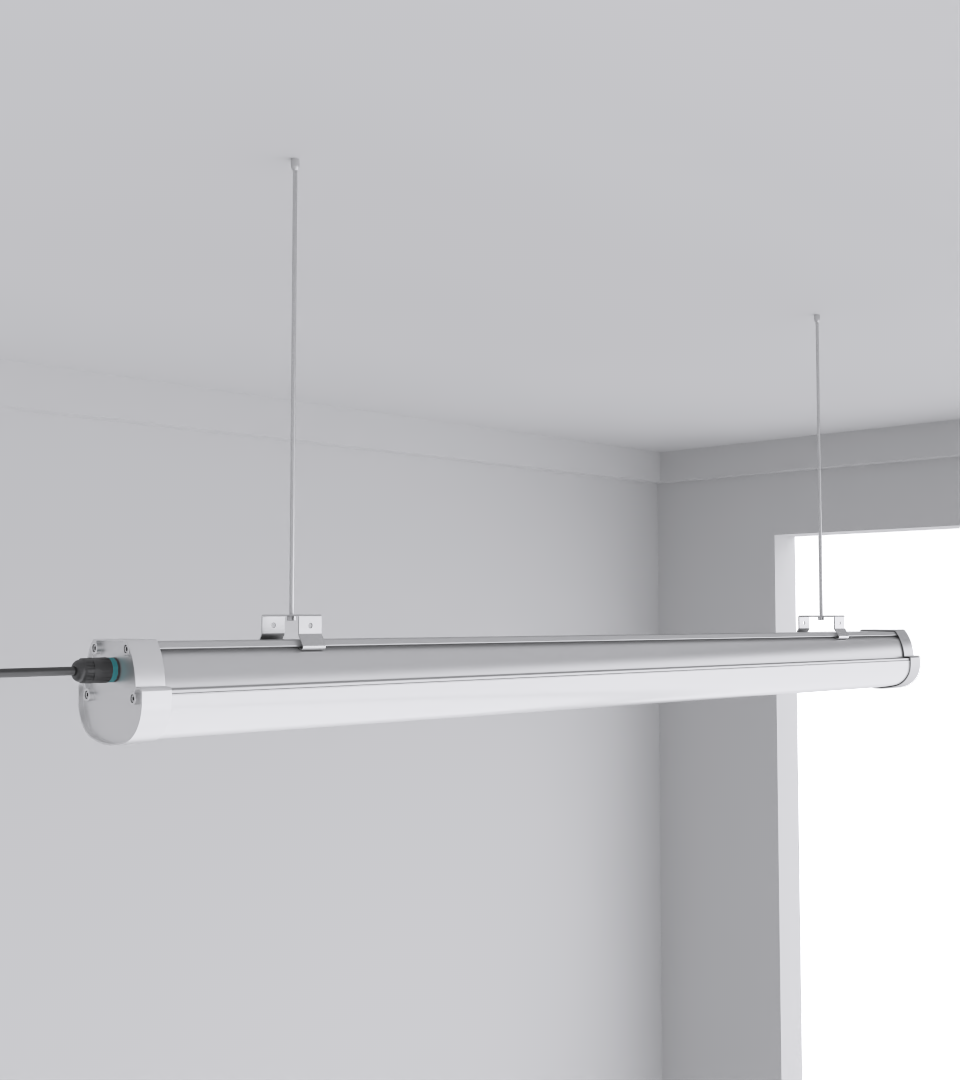
To reduce light pollution in data centers, the following design practices can be implemented:
- Use Full Cutoff Fixtures: These fixtures ensure that light is directed only where it’s needed, reducing spill.
- Implement Dimming Systems and Motion Sensors: These systems reduce unnecessary illumination, especially during off-peak hours.
- Choose Low-Temperature Lighting: Select lighting with color temperatures below 3000K to reduce blue light emissions that interfere with circadian rhythms.
Other measures include establishing lighting curfews, regular maintenance, and employee training to reduce light waste.
Benefits of Mitigating Light Pollution
Reducing light pollution in data centers offers several advantages, both for the facility and the surrounding community:
- Enhanced Community Relations: By reducing light pollution, data centers demonstrate environmental responsibility, fostering goodwill.
- Reduced Energy Consumption: Implementing efficient lighting systems reduces the electricity used for non-essential lighting.
- Compliance with Regulations: Meeting lighting regulations ensures a smooth operational process and prevents penalties.
- Positive Environmental Impact: Reducing light pollution helps protect local wildlife and ecosystems, contributing to overall environmental sustainability.
Implementing a Light Pollution Reduction Plan
To successfully reduce light pollution, data center operators should follow these steps:
- Assess Current Lighting Practices: Identify areas where light spill and waste are significant.
- Develop a Lighting Management Strategy: Create a plan that incorporates best practices, new technologies, and maintenance schedules.
- Monitor and Report Progress: Regular assessments help ensure that light pollution reduction goals are met.
- Engage Stakeholders: Including local communities in the process can help improve relations and build support.
Future Trends and Innovations
As technology evolves, data centers will have access to even more efficient lighting solutions. Innovations in AI and IoT-driven smart lighting systems will further reduce energy waste and minimize light pollution. Additionally, as more data centers move toward sustainability goals, light pollution reduction will likely become a key metric in evaluating environmental impact.
Conclusion
Reducing light pollution in data centers is an essential step toward building sustainable, responsible, and energy-efficient operations. By implementing effective lighting solutions, adhering to regulations, and adopting new technologies, data centers can significantly reduce their environmental footprint while also benefiting from lower operational costs.
Frequently Asked Questions (FAQ)
What is light pollution, and how does it affect data centers?
Light pollution refers to excessive or misdirected artificial light that harms the environment. In data centers, this can result in unnecessary energy consumption and disruptions to the surrounding ecosystem.
How can data centers reduce light pollution?
By using full cutoff fixtures, dimming systems, and selecting energy-efficient lighting options, data centers can significantly reduce light pollution.
Are there regulations for reducing light pollution in data centers?
Yes, regulations such as LEED and Dark Sky certifications help guide data centers in adopting sustainable lighting practices.
What are the benefits of reducing light pollution?
Benefits include improved energy efficiency, compliance with regulations, better community relations, and a reduced environmental impact.