In-House vs. Outsourced Data Center Design: Full Cost, ROI & Scalability Breakdown
Key Takeaways: In-House vs. Outsourced Design in Data Centers
| Decision Factor | In-House Design | Outsourced Design |
|---|---|---|
| Control & Customization | Full control over layout, cooling, and rack configuration | Limited; dictated by vendor’s standardization |
| Speed to Deployment | 12–24 months (avg) | Weeks (move-in ready options) |
| CapEx vs OpEx | High upfront cost (CapEx) | Recurring cost model (OpEx) |
| Scalability | Flexible with enough land and capital | Easier with modular providers |
| Compliance | Must handle ISO/PCI/etc. internally | Vendors usually pre-certified |
| Security | Direct control over access and policies | Relies on vendor trust/SLA |
| Talent | Need internal engineers and DC architects | Vendor provides design experts |
| Risk | Lock-in on your own capabilities | Risk of vendor lock-in and SLA disputes |
Who This Is For — And Why It Matters
This guide is for:
- Data center architects and engineers who need design flexibility for layout, airflow, and redundancy models
- IT directors deciding on whether to maintain operational control or delegate facilities management
- Finance and procurement leaders modeling ROI and analyzing CapEx vs OpEx outcomes
Whether you operate a Tier III facility or manage modular rollouts, the decision to design in-house or outsource will impact:
- Deployment speed
- Long-term maintenance costs
- Future tech integration (like immersion cooling)
- Your ability to meet compliance standards
- Facility scalability and Tier certification
- Availability of skilled staff for critical infrastructure planning
What Counts as “In-House” vs “Outsourced”
In-House Design:
- Design, implementation, and long-term management done by internal teams
- Suitable for companies with significant IT and facilities management capability
- Allows tight control over network topology, cooling strategies, and energy management
Outsourced Design:
- Design and often execution handled by third-party firms
- Ranges from architecture firms to design-build providers
- Common in colocation, hybrid environments, or fast-moving edge deployments
| Model | Who Designs | Who Builds | Level of Customization | Typical Use Case |
|---|---|---|---|---|
| In-House | Internal | Internal | High | Hyperscalers, regulated industries |
| Outsourced | Vendor | Vendor | Low–Medium | Colocation, fast deployment |
| Hybrid | Internal | Vendor | Medium–High | Multi-site enterprises |
Decision Factors That Shift the Balance
Choosing between in-house and outsourced models involves assessing your current infrastructure maturity, budget flexibility, risk tolerance, and compliance landscape.
- Technical Complexity: Liquid cooling, AI-specific zones, or high-density compute nodes may require tailored in-house designs.
- Project Timeline: Outsourced partners bring templated blueprints that accelerate timelines, ideal for fast go-lives.
- Integration Readiness: Outsourcing can ease integration with legacy systems and reduce downtime risk.
- Budget Flexibility: CapEx-heavy in-house builds work if you own the land and demand is stable; otherwise OpEx-based outsourcing helps balance the books.

Cost and ROI: A 10-Year View
| Cost Element | In-House | Outsourced |
|---|---|---|
| Initial Build | Land, construction, permits | None or minimal |
| Design Services | Internal architect salaries or consultants | Bundled into contract |
| Energy Management | Full control, potential cost savings | Standardized by vendor |
| Upgrades & Retrofit | Requires planning and capital outlay | Handled by provider |
| Compliance Overhead | Internal audit and certification costs | Shared vendor responsibility |
| Staff Training | Ongoing | Included with service level agreements (SLA) |
When to Go In-House
Going in-house is ideal for organizations that:
- Have long-term IT demand stability
- Require custom rack or airflow configurations
- Manage sensitive or regulated workloads (e.g., financial, defense, or healthcare data)
- Need to deploy advanced systems like immersion cooling or edge AI clusters
In one case study from Malaysia, CAE Lighting supported a large financial institution that required circadian lighting schemes inside its edge data rooms. This non-standard lighting request couldn’t be met via outsourced design but was integrated seamlessly by in-house engineering.
When to Outsource Design
Outsourcing works best when:
- Speed is a critical factor
- You’re expanding into new geographies
- Internal teams are focused on core IT functions, not facilities
- Capital expenditures are constrained
- You’re using colocation for secondary DR or edge workloads
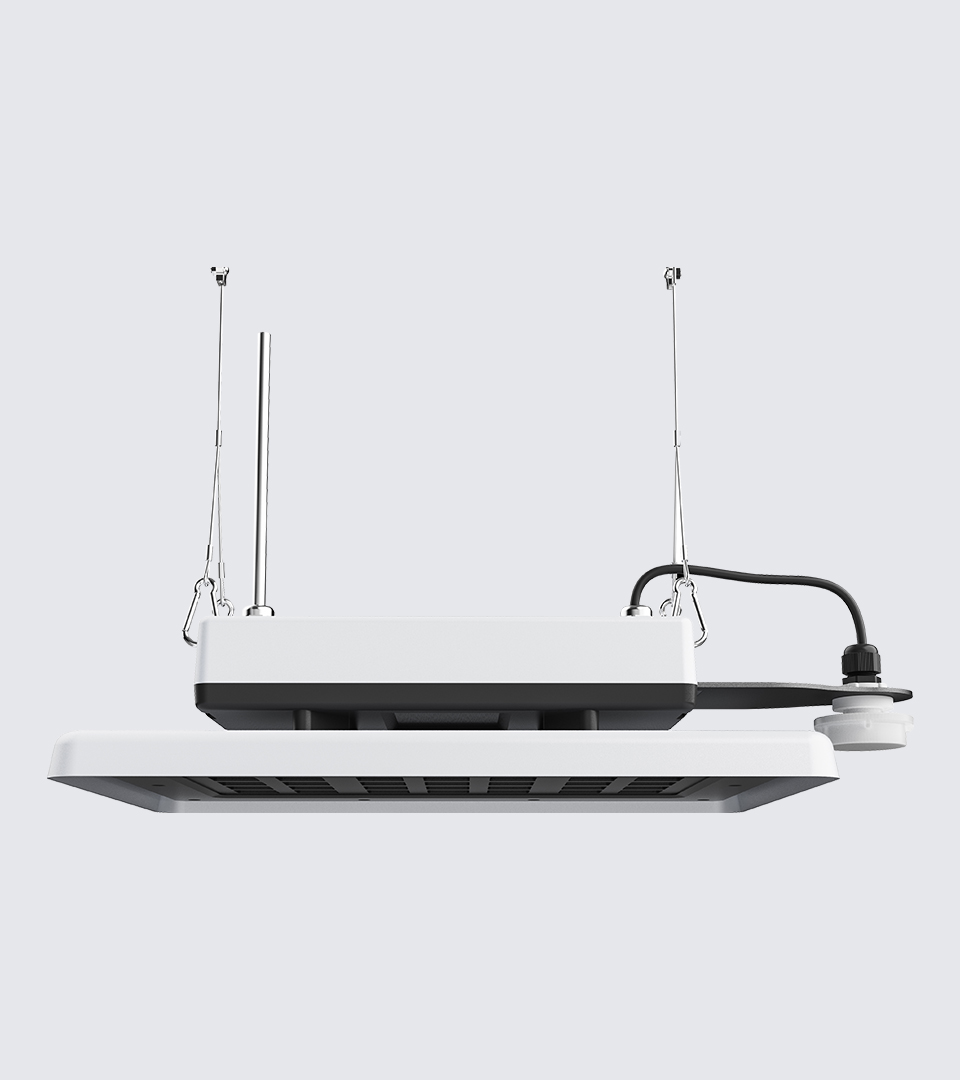
A recent warehouse deployment used CAE Lighting’s 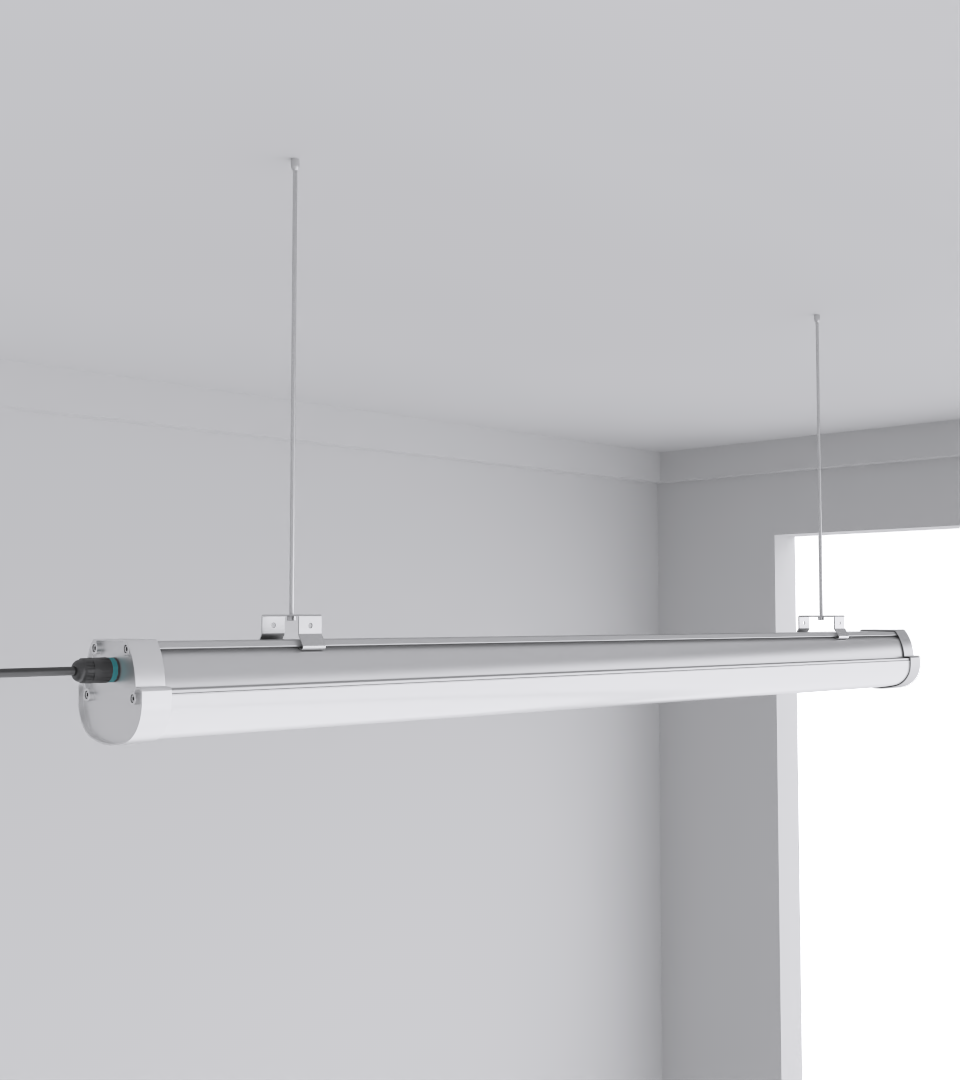 with motion-sensing technology to reduce energy use. The design was developed in partnership with the external colo provider, requiring minimal onsite engineering time.
Hybrid Approaches Work Too
In practice, many organizations blend both models. A typical hybrid setup might include:
- An internal team developing reference architectures and compliance criteria
- Third-party vendors executing the physical build
- Shared monitoring and alerting responsibilities
This approach allows:
- Better cost control
- Easier vendor transitions
- Alignment with evolving internal tech strategies
Case Example: One logistics client used CAE Lighting’s SeamLine Batten system in a hybrid model. Internal teams defined sensor placements for energy optimization, while an external vendor handled physical mounting and connectivity to the site’s automation platform.
Tip: Maintain detailed design documentation internally, even if third-party vendors manage builds. That ensures you’re never locked out of critical upgrade decisions.
FAQs: What People Also Ask
- What’s the biggest hidden cost in in-house design? Staffing and long-term training. Talent turnover causes major delays.
- Is immersion cooling harder to implement with outsourced design? Often yes. Most colos don’t accommodate tank-style immersion systems without special customizations.
- Can I use both models at once? Yes, hybrid approaches are common—especially in edge or DR environments.
- What’s a white space vs gray space decision? White space = server space; gray space = supporting infra (UPS, chillers). Who controls each matters in hybrid models.
- Are modular builds cheaper? For scale-ups, yes. But require vendor partnerships who specialize in prefab solutions.
- How do SLA terms impact outsourced design? Directly. Poor SLA terms can result in inflexible upgrade paths or unexpected fees when reconfiguring rack or power layouts.
- What certifications should outsourced designers have? At minimum ISO 27001, ISO 9001, and ideally design-level experience with Tier III/IV facility standards.
- Do lighting systems impact cooling strategy? Absolutely. As seen in CAE Lighting deployments, high-efficiency LEDs reduce heat load and contribute to optimized airflow models, especially in aisle-containment scenarios.
What tools help evaluate TCO between in-house and outsourced builds?
Tools like DCIM platforms, ROI spreadsheets, and vendor-neutral cost modeling calculators are essential for decision clarity.
What kind of team do I need for successful in-house design?
A mix of electrical engineers, thermal analysts, IT architects, and compliance officers—ideally with data center commissioning experience.
Need to evaluate vendors with the right checklist? See the full SeamLine Batten range or talk to CAE Lighting for guidance on infrastructure-aligned lighting planning for data centers.