Tier III Data Center LED Retrofit: Technical Standards, ROI Data, and Zero-Downtime Strategies
- What Makes a Tier III Data Center Unique
- Why Lighting Plays a Critical Role in Data Centers
- Fluorescent vs LED in the Data Center: Numbers That Matter
- TIA‑942-A: What the Standards Actually Require
- Asymmetric Beam Design and Aisle Lighting
- Smart Sensors, Controls & Integration
- Retrofit Without Downtime: Uptime-Centric Installation
- Real Case Study: Penang Tier III Retrofit
- Frequently Asked Questions (FAQs)
Key Takeaways
| Feature or Topic | Summary |
|---|---|
| Energy Savings | Up to 40% reduction in energy consumption with high-performance LEDs |
| Compliance | Meets TIA-942-A lighting standards for Tier III facilities |
| Thermal Management | Lower heat output reduces HVAC strain and improves cooling efficiency |
| Smart Integration | Occupancy sensors and BMS compatibility enhance energy savings and automation |
| ROI | 2–4 year average payback period with long-term OPEX reductions |
| Case Study | Successful retrofit in Penang data center with 312 fixtures replaced |
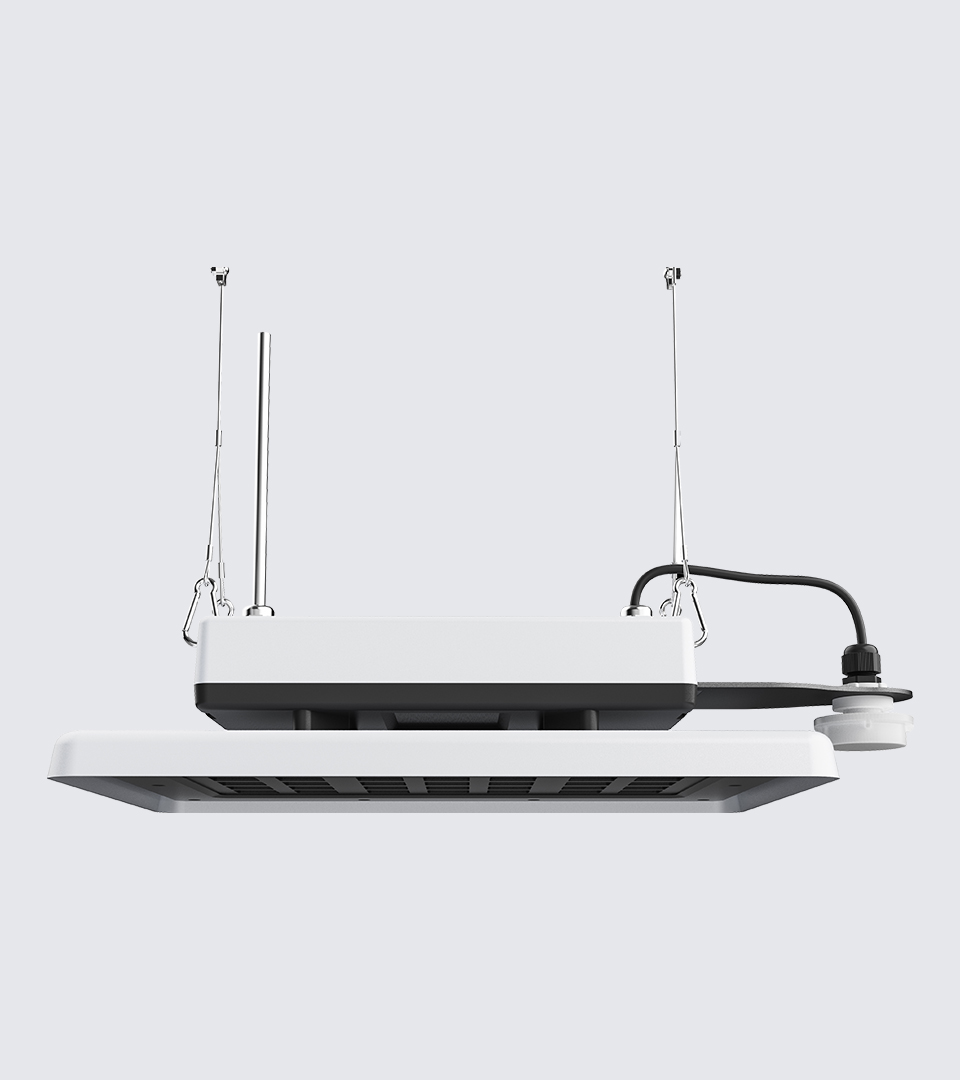
| Product Examples | Squarebeam Elite, Quattro Triproof Batten, SeamLine Batten |
What Makes a Tier III Data Center Unique
Tier III certified data centers are built to support 99.982% uptime — that’s less than 1.6 hours of downtime a year. They require N+1 redundancy and full concurrent maintainability. In simpler terms: anything, including lighting, can be serviced without shutting the system down.
- Must support maintenance of all power and cooling components without service disruption
- Infrastructure must have redundant capacity components and multiple independent distribution paths
- Lighting retrofits must not interfere with uptime — ever
Why Lighting Plays a Critical Role in Data Centers
Lighting isn’t just about visibility in mission-critical environments like these. It affects:
- Power Usage Effectiveness (PUE): Inefficient lighting adds to thermal load
- Heat Management: Fluorescents run hot, increasing HVAC demand
- Worker Safety & Precision: Especially during rack maintenance
- Sensor Compatibility: Needed for BMS, occupancy, and security layers
Fluorescent vs LED in the Data Center: Numbers That Matter
| Metric | Fluorescent | CAE LED (e.g., Squarebeam Elite) |
|---|---|---|
| Energy Use | 100% baseline | ~60% of fluorescent load |
| Heat Output | High | Low |
| Lifespan | ~10,000 hours | 50,000–100,000 hours |
| Maintenance Frequency | Frequent | Rare |

TIA‑942-A: What the Standards Actually Require
The TIA-942-A standard defines lighting into three levels:
- Level 1 – Emergency and Path Lighting
- Level 2 – General Illumination
- Level 3 – Task and Rack Lighting
Each level has its lux thresholds and redundancy considerations:
- Level 2 must ensure 500 lux average across general areas
- Level 3 lighting should support detailed work like cable tracing without additional tools
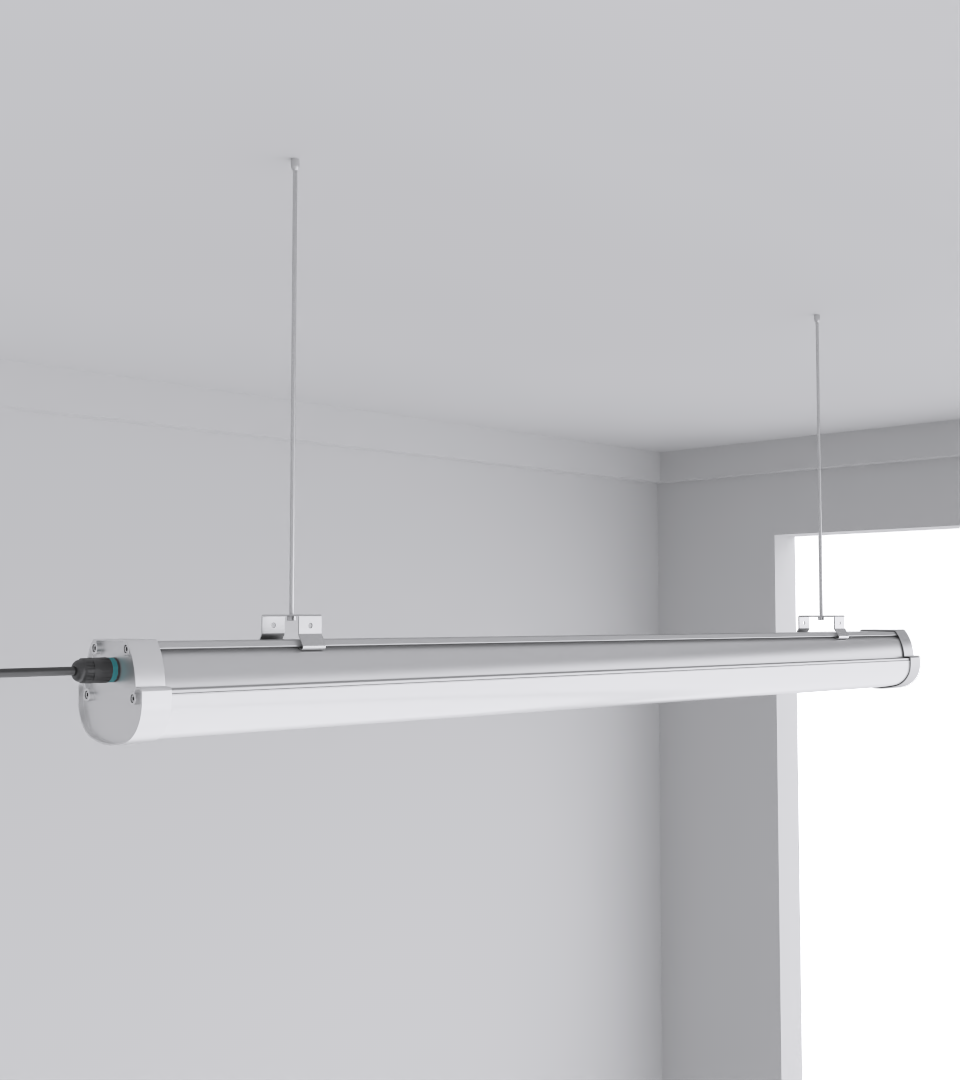
CAE’s Quattro Triproof Batten and SeamLine Batten meet these specifications with built-in redundancy support.
Asymmetric Beam Design and Aisle Lighting
One problem we kept running into in retrofits: symmetrical beams wasting light across rack tops or floors. Asymmetric beams fix that.
- Aim illumination directly where it’s needed: vertical face of server racks
- Reduce stray lux and improve vertical illuminance for rack inspections
- Helps maintain contrast without hot spots or glare

Smart Sensors, Controls & Integration
LEDs are just the start. Adding smart systems unlocks more savings:
- Zoned occupancy sensors to dim or switch off lighting in inactive aisles
- Follow-me lighting systems using PIR or microwave sensors
- Integration with BMS to track and optimize real-time lighting usage
Every CAE retrofit we’ve supported integrates this layer. It’s not futureproofing — it’s present-proofing.
Retrofit Without Downtime: Uptime-Centric Installation
You can’t shut down a Tier III facility. Our recommendation:
- Pre-map zones and lux levels
- Use hot-swappable luminaires (low-voltage connections)
- Work in tandem with rack service windows
- Confirm lux compliance per zone before switching off old units
This phased strategy preserves full Tier III uptime — proven in live facilities.
Real Case Study: Penang Tier III Retrofit
In a Penang data center retrofit:
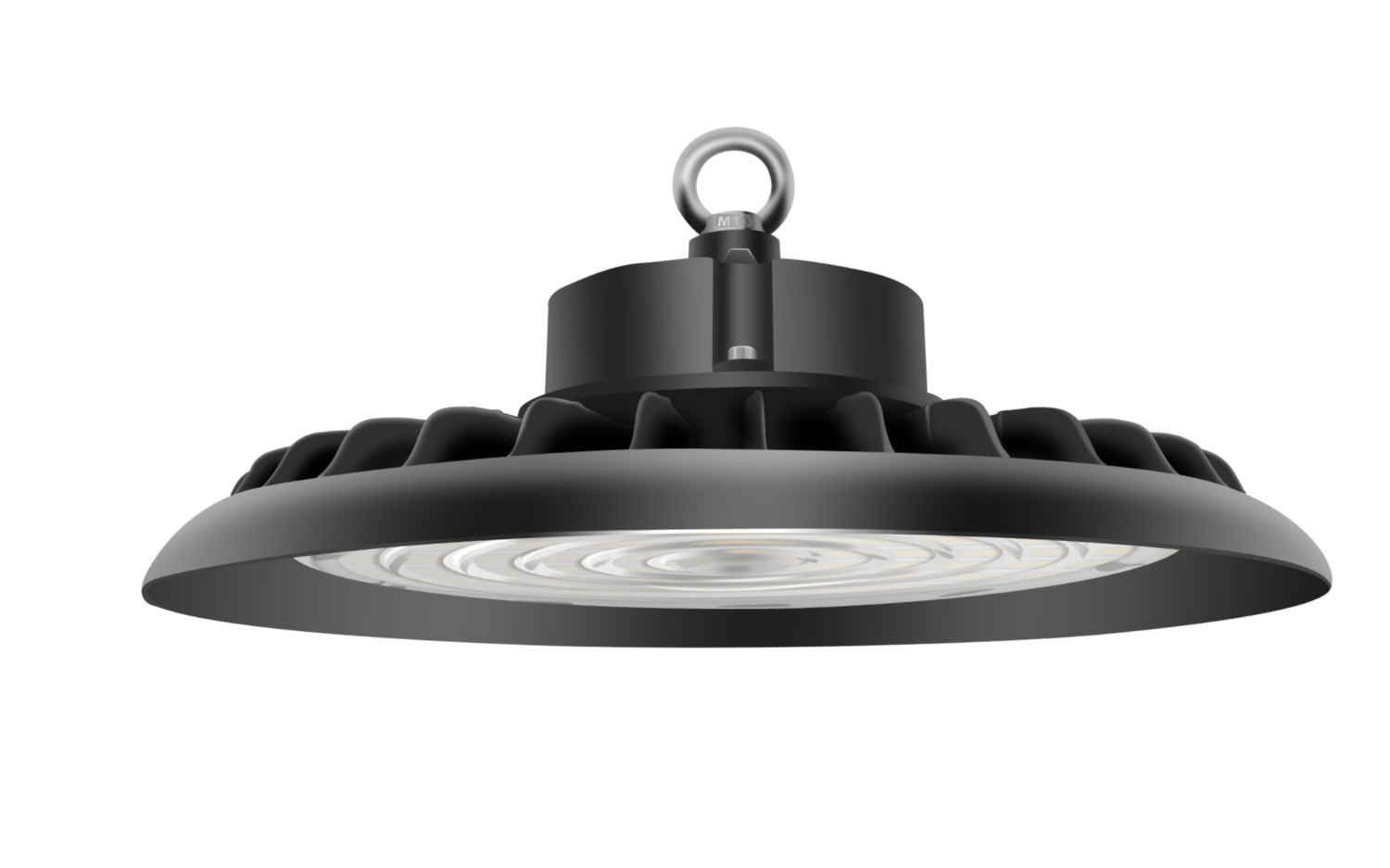
- 312 fixtures replaced with LED models (Squarebeam Elite)
- Energy savings: 42% lighting-specific reduction
- Improved CRAC efficiency: ~3% lower HVAC load
- No downtime: Completed in live environment
Project was executed using CAE Lighting products and resulted in a payback period under 3.4 years.
Frequently Asked Questions (FAQs)
How much energy can I save by switching to LED in a Tier III facility?
Typically 35–45%, depending on the fixture type and runtime hours.
Can I retrofit without violating uptime requirements?
Yes. A phased retrofit approach aligned with service windows allows full uptime compliance.
What lighting levels are required under TIA-942-A?
General areas must achieve 500 lux. Rack task areas often require higher localized levels.
How long does it take to see ROI?
Average ROI is between 2.5 and 4 years, depending on rebates and HVAC gains.
Do I need BMS integration for my retrofit?
Not mandatory, but it significantly enhances tracking, automation, and long-term savings.
For technical consultation or to request a quote, visit the CAE Lighting contact page.