Advanced Intelligent Control Systems in Colocation Data Centers: Cooling, Power & Lighting Integration Explained
- What Intelligent Controls Actually Mean in a Colo Context
- Core Drivers: Why Colo Operators Are Moving Toward Intelligent Control
- Real Systems Under Intelligent Control
- Integration with DCIM and Facility Management Systems
- Energy Efficiency Through Intelligent Lighting Control
- Security Automation You Can Actually Trust
- ROI That Makes Sense to the Finance Team
- Choosing the Right Components for Your Facility
- Frequently Asked Questions (FAQ)
Key Takeaways
| Feature or Topic | Summary |
|---|---|
| Integration Benefits | Energy savings, streamlined operations, enhanced monitoring, and predictive maintenance. |
| Key Protocols | BACnet, Modbus, SNMP ensure interoperability. |
| Implementation Strategies | Assess existing infrastructure, select compatible systems, phased deployment recommended. |
| Operational Advantages | Reduced downtime, improved safety, occupant comfort, and significant sustainability contributions. |
1. What Intelligent Controls Actually Mean in a Colo Context
Most data center folks throw around “smart” or “automated” without ever cracking into what the controls actually do. In a colocation setup, intelligent controls are more than just BMS add-ons. These are full ecosystems of:
- Sensors tracking temperature, humidity, light levels, occupancy
- Controllers and actuators making real-time decisions
- Analytics platforms turning raw inputs into energy-saving actions
- Machine learning models that evolve as usage changes
2. Core Drivers: Why Colo Operators Are Moving Toward Intelligent Control
- Power density is going up, fast (hello, AI training loads)
- Energy costs are unstable—every kWh matters
- Downtime = customer churn
Colo clients now expect SLA-backed uptime and sustainability metrics. Operators need to deliver both:
- Predictive maintenance using thermal maps
- Load balancing for grid interaction
- Smart security access tied into lighting (motion triggers, etc.)
3. Real Systems Under Intelligent Control
- Cooling Systems: Fan speeds, CRAC unit scheduling, liquid loop prioritization
- Power Systems: Dual-feed routing, UPS/generator coordination
- Lighting: Motion-based aisle activation, circadian LED schemes for staff
- Access Security: Biometric locks, logging badge scans, CCTV motion alerts
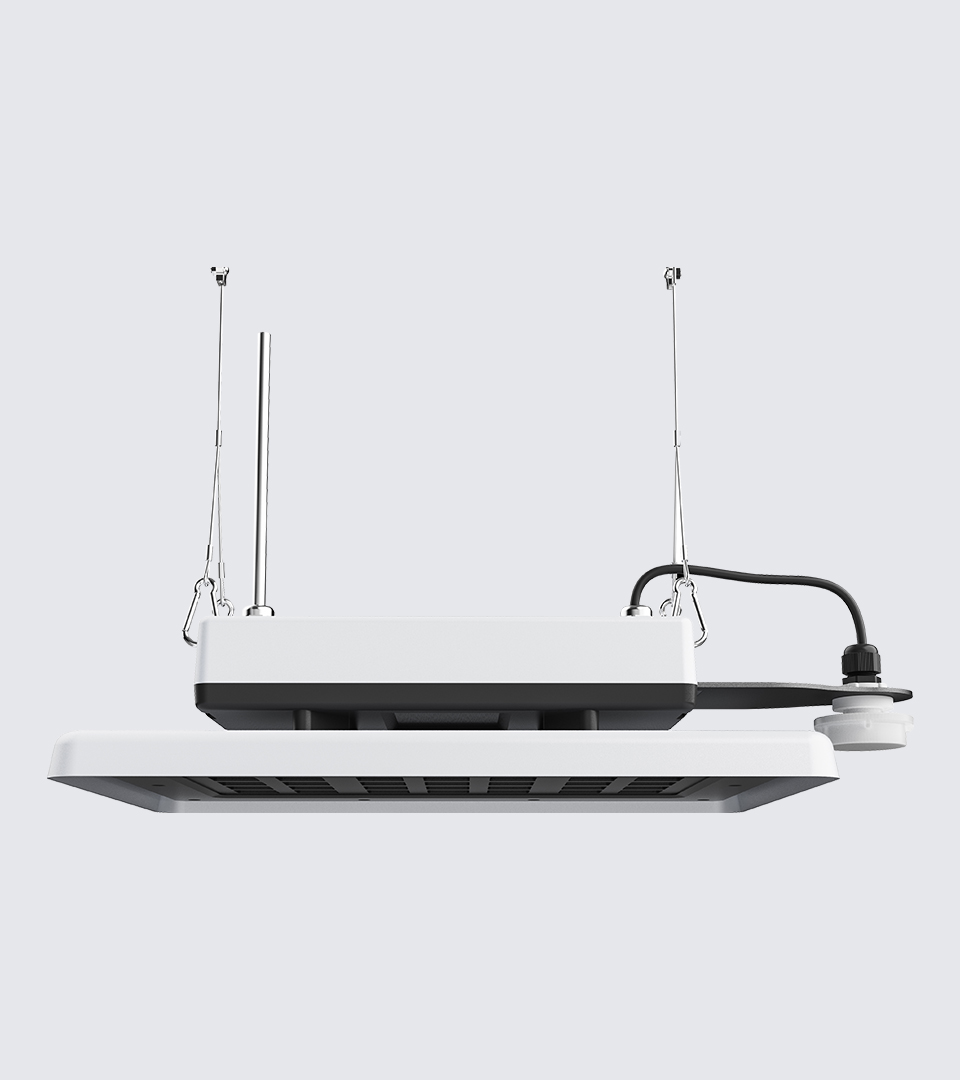
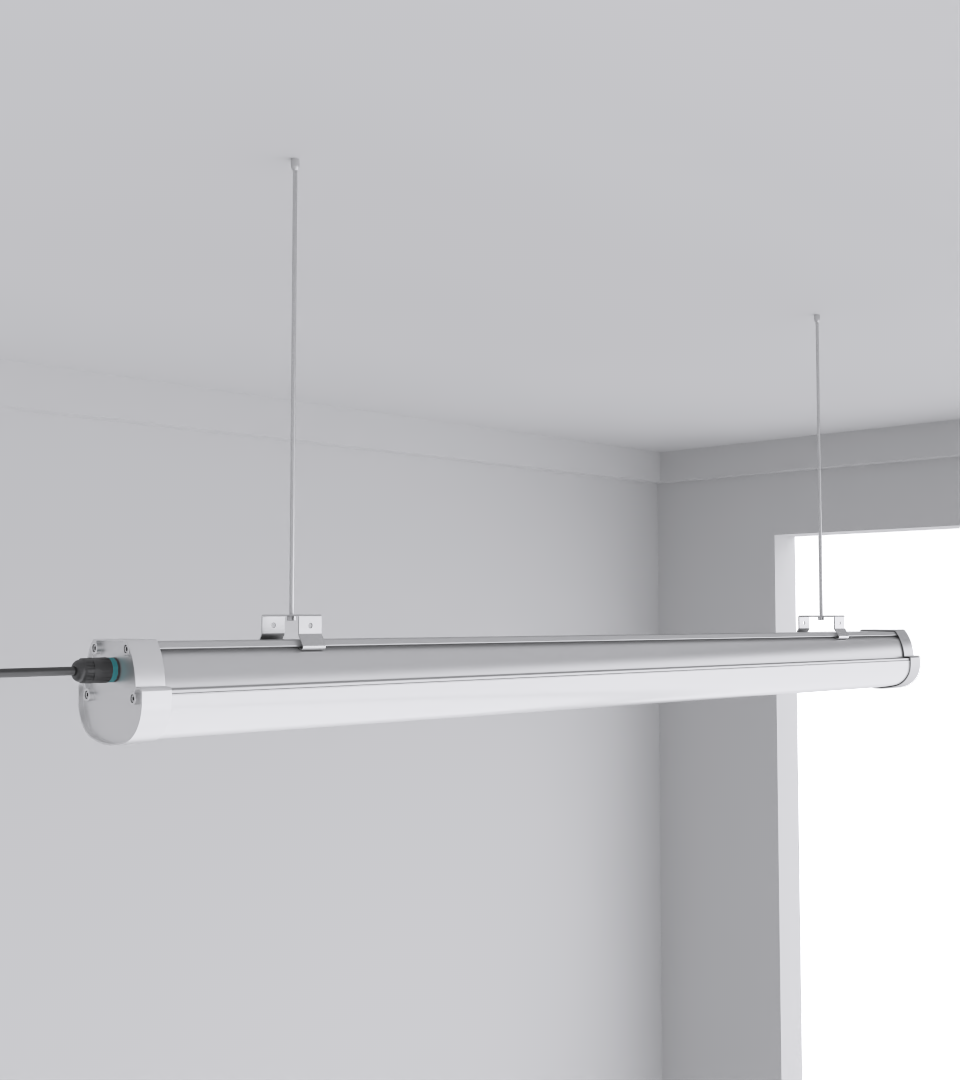
CAE Lighting’s Squarebeam Elite and SeamLine Batten are engineered with integrated sensor arrays to work with your control architecture, not outside it.

4. Integration with DCIM and Facility Management Systems
Intelligent controls don’t exist in a silo. The best setups pipe data into:
- DCIM software (Data Center Infrastructure Management)
- BMS platforms (Building Management Systems)
- Cloud analytics suites for energy forecasting
Quick advice: never run controls in isolation. One facility in Johor spent 4 months manually reconciling BMS logs with lighting event data. No fun.
5. Energy Efficiency Through Intelligent Lighting Control
- 24/7 lighting costs can rival small HVAC zones
- Motion-sensor lighting, as with CAE’s Quattro Triproof Batten, cuts idle watts
- Circadian systems can boost night-shift cognition and reduce fatigue-related errors
| Product | Application | Control Capability |
|---|---|---|
| SeamLine Batten | Cold/hot aisles | Motion + ambient light |
| Squarebeam Elite | Server rooms | Integrated thermal logic |
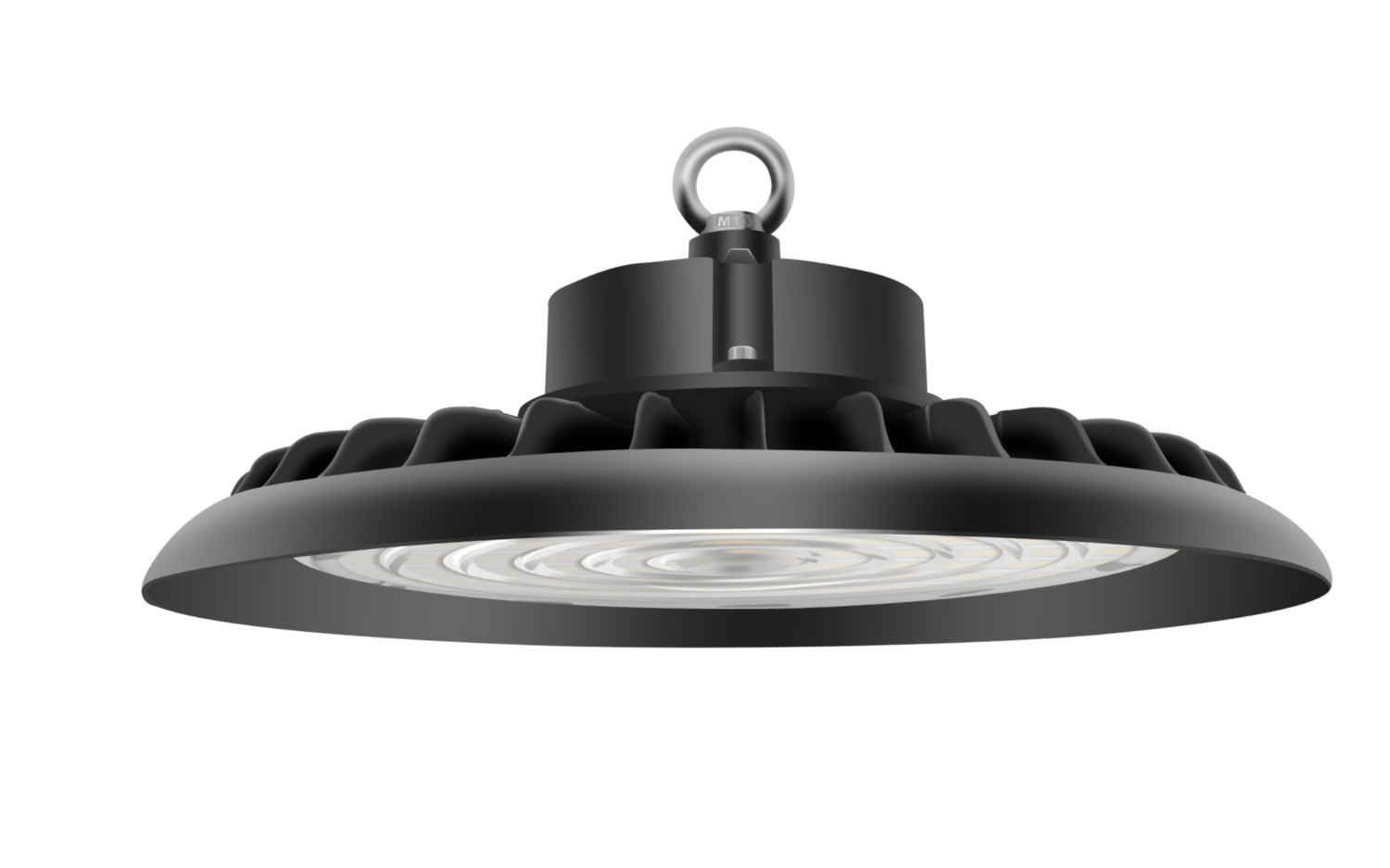
| Budget High Bay | Service corridors | On/off with sensor override |
6. Security Automation You Can Actually Trust
- Biometric access logs synced to HVAC zones
- Lighting triggers tied to physical intrusion points
- Emergency light override systems that activate on alarm
These all reduce manual checks and improve compliance with standards like ISO 27001 or SOC 2.
7. ROI That Makes Sense to the Finance Team
| Benefit | Quantified Impact |
|---|---|
| Cooling optimization | 11–15% energy savings |
| Lighting control | Up to 40% lower usage overnight |
| Fewer manual checks | ~$40k annual labor savings |
| Fewer outages | Avoided SLA penalties (varies) |

8. Choosing the Right Components for Your Facility
- Power draw per sensor (important in remote DCs)
- Data interface protocols (BACnet, Modbus, MQTT)
- Vendor support—some suppliers ghost you post-deployment
- Lighting + sensor integration — CAE’s SeamLine Batten nails this
Frequently Asked Questions (FAQ)
What are intelligent controls in data centers?
They’re automated systems using sensors, logic, and AI to optimize how cooling, power, lighting, and security operate — in real time.
Do intelligent controls work in older data centers?
Yes. Many are modular and can be phased in without full facility rewiring.
Are intelligent lighting systems worth it?
Yes. Especially in colocation settings where aisle use is intermittent — sensor-based lighting cuts cost and supports compliance.
How do they improve energy efficiency?
By preventing overcooling, avoiding idle lighting, and predicting power surges — reducing waste across the board.
Which vendors support integrated lighting + control?
CAE Lighting is a standout, offering smart battens and high bays prebuilt with sensor control logic.