
Emergency Lighting Retrofits for Data Centers: 2025 Compliance, Inverter Systems & Smart Control Integration
- 1. Understanding the Role of Emergency Lighting in Legacy Facilities
- 2. Code Compliance: What Changed and Why It Matters
- 3. Technology Options: Central Inverter vs Self-Contained Units
- 4. Audit First: What to Check in a Legacy Retrofit
- 5. Installation in Live Facilities: How to Avoid Downtime
- 6. Smarter Systems: Integrating Controls & Sensors
- 7. Cost, ROI, and Energy Savings
- 8. Next Steps: What to Do Right Now
- 9. Frequently Asked Questions (FAQ)
Key Takeaways
| Question | Short Answer |
|---|---|
| What defines a “legacy” data center? | Facilities using fluorescent, HID, or early-generation LED systems |
| Why upgrade emergency lighting? | Ensure code compliance, reduce energy costs, and enhance uptime reliability |
| What systems are best: Inverters or self-contained units? | Depends on layout and uptime needs—comparison covered in section 3 |
| How can you retrofit without disrupting operations? | Phased retrofits during scheduled maintenance windows |
| Are smart controls worth the investment? | Yes—up to 65% of modern data centers now use addressable systems |
1. Understanding the Role of Emergency Lighting in Legacy Facilities
Upgrading emergency lighting in legacy data centers isn’t optional anymore. Regulations are stricter, energy costs are rising, and any unplanned downtime is expensive. A retrofit can feel like rewiring a plane mid-flight—but with the right approach, it’s achievable without disruption.
2. Code Compliance: What Changed and Why It Matters
Recent updates to UL 924 and the NEC have redefined expectations:
- UL 924 (2024): Must support lithium-ion, PoE, and smart switching
- NEC 700.3(F): Mandates remote testing capabilities
- IBC/NFPA 101: Exit signage now requires regional adaptations (e.g., floor markings in CA)
3. Technology Options: Central Inverter vs Self-Contained Units
| Feature | Central Inverter | Self-Contained Unit |
|---|---|---|
| Cost | Higher upfront | Lower upfront |
| Maintenance | Centralized | Distributed |
| Downtime Risk | Single point of failure | Compartmentalized |
| Smart Integration | Easier to integrate | Can be complex |
4. Audit First: What to Check in a Legacy Retrofit
- Fixture inventory: types, wattages, spacing
- Battery age & runtime tests
- Zoning plans: Are paths of egress well-lit?
- Ceiling type: Can you accommodate heavier units or wiring reroutes?

5. Installation in Live Facilities: How to Avoid Downtime
- Weekend or night shifts for high-traffic zones
- Wireless modules that don’t require re-routing conduit
- Test runs in one zone before scaling sitewide
6. Smarter Systems: Integrating Controls & Sensors
- Building Management Systems (BMS)
- Daylight sensors to reduce test cycles
- Occupancy triggers to lower energy use in non-critical zones
- Predictive diagnostics for battery health
7. Cost, ROI, and Energy Savings
| Metric | Legacy System | Upgraded LED |
|---|---|---|
| Energy Use | 40W per fixture | 8-12W per fixture |
| Battery Life | 2-3 years | 5-7 years |
| Payback | 4-6 years | 1-3 years (with incentives) |
8. Next Steps: What to Do Right Now
- Conduct a lighting audit using in-house or third-party teams
- Map your compliance gaps against UL 924 and NEC updates
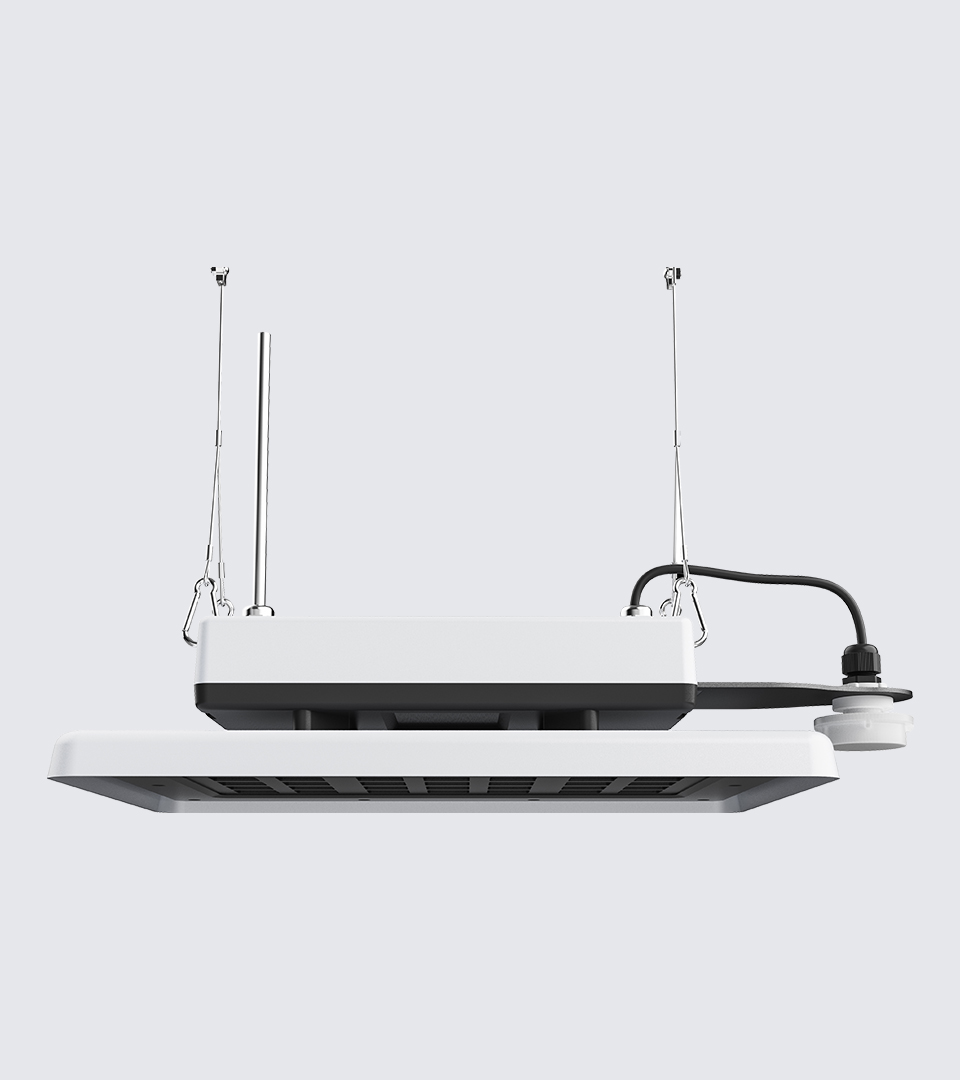
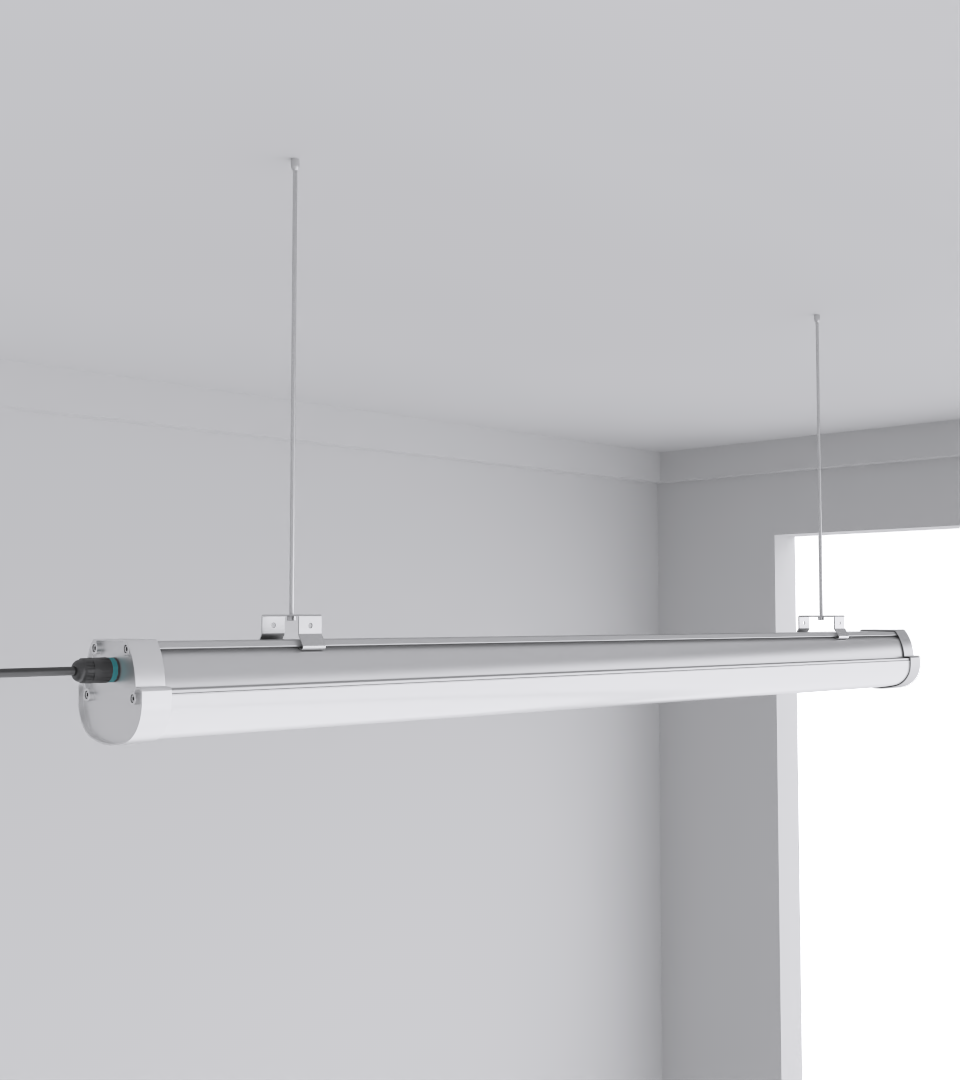
- Choose smart-ready products like Squarebeam Elite or Quattro Triproof Batten
- Talk to a supplier with proven data center experience: CAE Lighting
9. Frequently Asked Questions (FAQ)
What qualifies as a “legacy” emergency lighting system?
Typically systems using fluorescent or early-generation LED fixtures without self-diagnostics or smart control compatibility.
Can I do the upgrade without downtime?
Yes—with phased installation strategies and wireless modules, facilities can stay operational during retrofits.
What’s the best emergency lighting for high-heat environments?
Fixtures like the Squarebeam Elite are designed for thermally demanding zones, common in dense server rooms.
How often do I need to test systems to stay compliant?
Monthly functional tests and annual full-duration tests are typical under NFPA 101.
Do smart systems require rewiring?
Not necessarily. Some wireless systems integrate with existing fixtures using plug-and-play modules.