
Modular DC Lighting in Data Centers: Design, Power Resilience, and Real-World Edge Case Scenarios
–
- Why Modular DC Lighting Is Getting Attention in Data Centers
- What Modular DC Lighting Actually Means
- Real-World Edge Scenarios That Test Lighting Design
- Integration with Power + Monitoring Systems
- Standards to Care About (and Why They Matter)
- Case Study: CAE Lighting’s Modular Data Center Fixtures
- Edge Design Tips from the Field
- FAQ: Modular DC Lighting in Edge Data Centers
Key Takeaways
| Topic | Summary |
|---|---|
| What is Modular DC Lighting? | DC-powered, plug-and-play LED systems that reduce conversion losses and simplify control wiring. |
| Why is it important? | Increases energy efficiency, improves safety, simplifies scalability and helps during grid/UPS transitions. |
| Where does it work best? | Edge deployments, containerized modules, high-reliability zones in data centers. |
| What are edge-case scenarios? | Grid failures, UPS switchover, microgrid brownouts, and thermal interference. |
| Who uses it? | Hyperscale providers, colocation centers, micro data centers, and prefab lab operators. |
| Best suppliers? | CAE LED, Cooper Lighting, Delta Power Solutions. |
| Notable products? | Squarebeam Elite, Quattro Triproof Batten, SeamLine Batten |
Why Modular DC Lighting Is Getting Attention in Data Centers
Most lighting in data centers is still wired for AC. But that’s changing fast — especially in modular, prefabricated, or edge facilities. Modular DC lighting brings:
- Fewer conversion losses
- Cleaner cabling (especially in hot/cold aisle setups)
- Easier tie-ins with UPS and backup
- Lower fire risk (no 230V AC in lighting loops)
And when you’re running containerized or microgrid-powered edge centers, every watt counts.
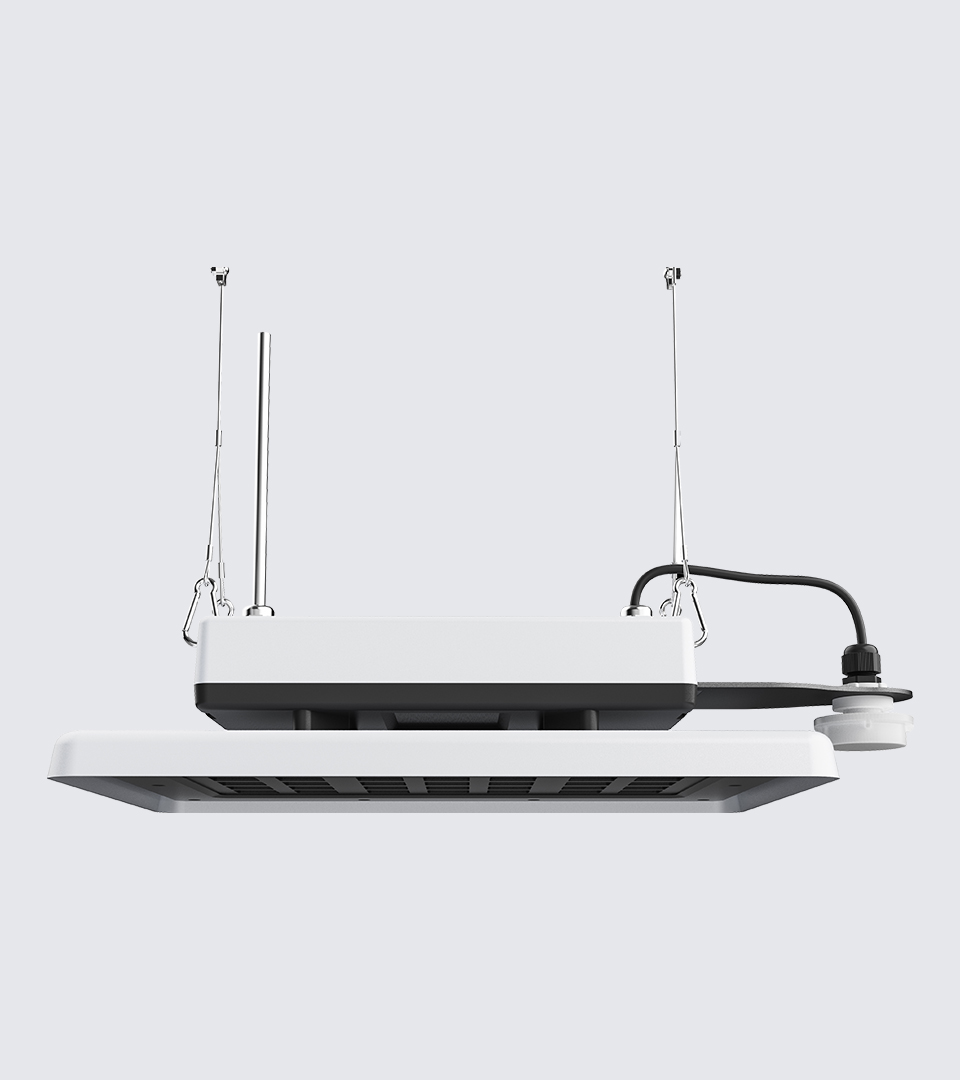
What Modular DC Lighting Actually Means
There’s no single blueprint. But modular DC lighting often includes:
- LED fixtures wired for 12V, 24V, or 48V DC
- Quick-connect terminals for fast install
- Pluggable inline drivers or driverless fixtures
- Pre-sized cables and polarity protection
- Integration-ready for BMS/DCIM sensors
These setups cut down install times and make fault isolation easier.

Real-World Edge Scenarios That Test Lighting Design
Lighting doesn’t fail often. But when it does, it’s usually in:
- UPS switchover: cheap lighting flickers or dies for 2–3 seconds
- High-vibration prefab containers: loose connections = dead zones
- Hot/cold aisle imbalance: overheated drivers shut down without alert
- Low-voltage edge power: modules misbehave below 10V thresholds
Test for these conditions before rollout — we’ve seen a full hot aisle go dark during UPS cutover because lighting wasn’t DC-optimized.
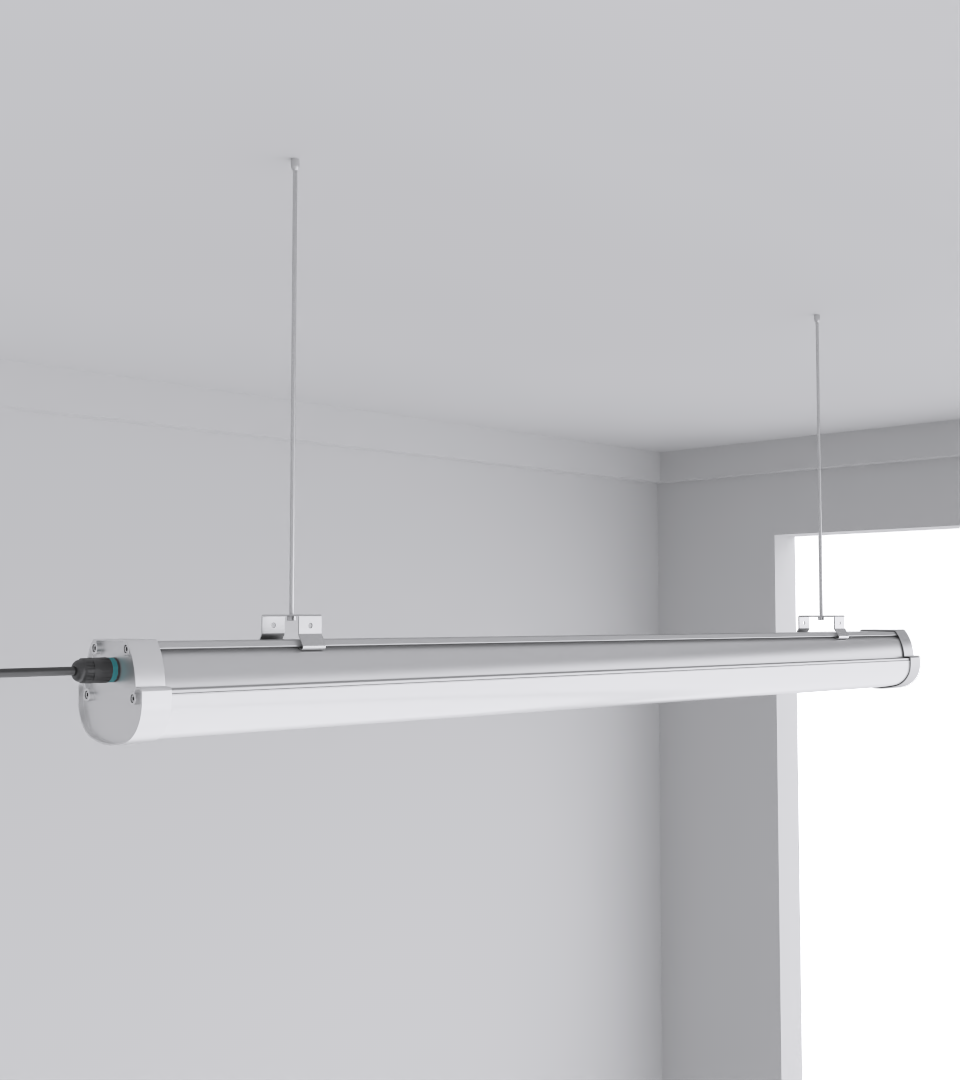
Integration with Power + Monitoring Systems
Modular DC lighting isn’t standalone. It needs to play nice with:
- BMS systems: temp + lux readings, fault reporting
- DCIM dashboards: toggling lighting zones remotely
- UPS/rectifiers: graceful fallback during outages
- Sensor packs: occupancy, tamper alerts, time-of-day dimming
Many facilities skip this step — and regret it later. Your lighting can be smart. Just don’t leave integration to the last 2 days of commissioning.
Standards to Care About (and Why They Matter)
Data centers don’t have lighting-only codes — but lighting still needs to comply with:
- NFPA 70 (NEC): for wiring, emergency backup
- Uptime Tier requirements: particularly in Tier III and IV
- LEED / Green Grid: for energy credits
- OSHA / local code: workplace safety
If you’re speccing lighting and it isn’t rated for 48VDC input — it’s not really modular DC ready.
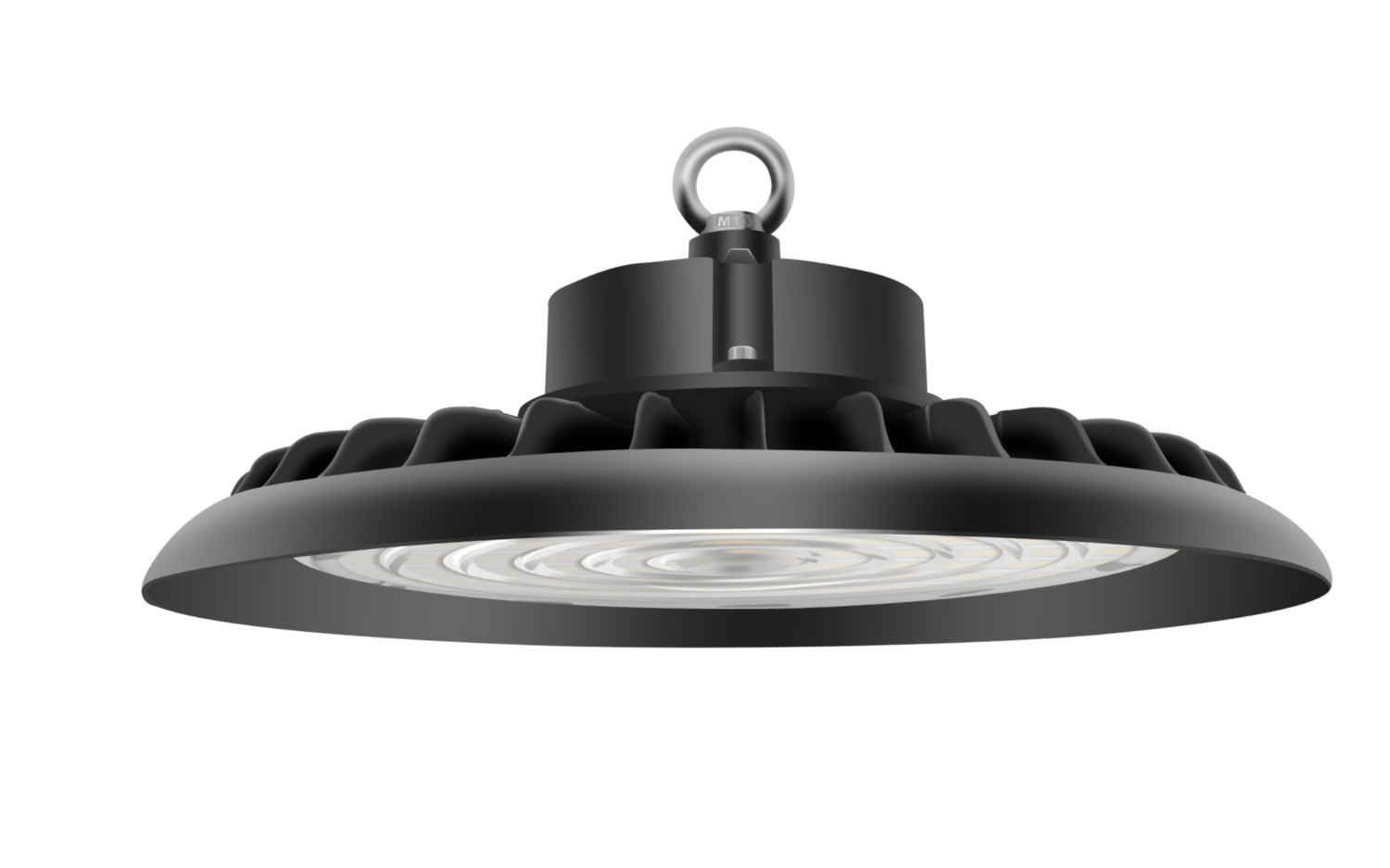
Case Study: CAE Lighting’s Modular Data Center Fixtures
CAE Lighting has been working directly with electrical contractors and data center operators across Asia. Their Squarebeam Elite and Quattro Batten lines were both tested under edge conditions:
- Hot aisle tested at 45°C — no flicker
- Simulated UPS failure with 20ms dropout — no delay
- IP65 sealed — prefab transport-safe
Clients report:
- 15% drop in lighting-related energy use
- 20% faster install with pluggable wiring
- Full DCIM tie-in using CAE’s motion/thermal sensor kit
Edge Design Tips from the Field
Lessons we’ve learned after 50+ modular builds:
- Polarity matters — don’t mix drivers on shared bus
- Keep separate low-volt ring for lighting if possible
- Over-spec wire gauge — actual current draw lower, but redundancy matters
- Avoid cheap connectors — they fail under vibration or thermal shift
One of our edge installs in Malaysia had to be rewired mid-project after a vendor supplied 24VDC fixtures rated only to 12V. That error cost 4 days of uptime.
FAQ: Modular DC Lighting in Edge Data Centers
Q1: Can I retrofit AC lighting with DC fixtures?
Yes — if you isolate the DC loop and confirm voltage compatibility. Use certified converters if needed.
Q2: Is 12V or 48V better for lighting?
48V is better for longer runs and lower losses. 12V works in small pods.
Q3: Will DC lighting work during UPS cutover?
If the DC is supplied through a rectifier directly tied to battery backup — yes. Otherwise, test.
Q4: How do I monitor failures?
Use DCIM or BMS integration. Sensors can detect flicker, open circuits, or thermal shutdowns.
Q5: What’s the typical ROI?
3–5 years, depending on energy pricing and retrofit scope.