LED Lighting Retrofits That Cut Cooling Load in Data Centers by 70%: Real PUE & ROI Results
- Lighting as a Hidden Heat Source in Data Centers
- Why Lighting Upgrades Make a Real Difference in Cooling Load
- Heat Output Comparison: Fluorescent vs. LED
- Modeling Heat Load in Simulation: Best Practices
- Real-World PUE Improvements
- Case Study Snapshot: CAE LED in Action
- LED Controls = Extra Cooling Gains
- Procurement, Support & Retrofits
- FAQs
Key Takeaways
| Feature or Topic | Summary |
|---|---|
| Lighting = Hidden Heat Source | Lighting can contribute up to 10% of a data center’s total cooling load. |
| LED Retrofit = Major Cooling Reduction | Swapping fluorescents for LEDs can lower thermal output by ~60–70%. |
| PUE Impact | Lighting changes can help drop PUE from ~2.0 to as low as 1.61. |
| Financial ROI | LED + controls retrofit can pay for itself in under 2 years. |
| Integration with Cooling Design | LED layout and control strategy impacts airflow, CRAH cycling, and thermal zoning. |
| Regulatory & ESG Alignment | Supports ASHRAE, Energy Star, LEED, and corporate carbon goals. |
Lighting as a Hidden Heat Source in Data Centers
Lighting typically flies under the radar during cooling efficiency discussions. But in high-density compute environments, every watt matters.
- Traditional fluorescent fixtures can emit significant radiant and convective heat
- In a facility with hundreds or thousands of fixtures, this heat adds up
- Lighting alone can contribute 5–10% of the total cooling load in some deployments
Why Lighting Upgrades Make a Real Difference in Cooling Load
Every watt of power consumed by a lighting fixture becomes heat. If that fixture is inefficient, the downstream HVAC system must work harder.
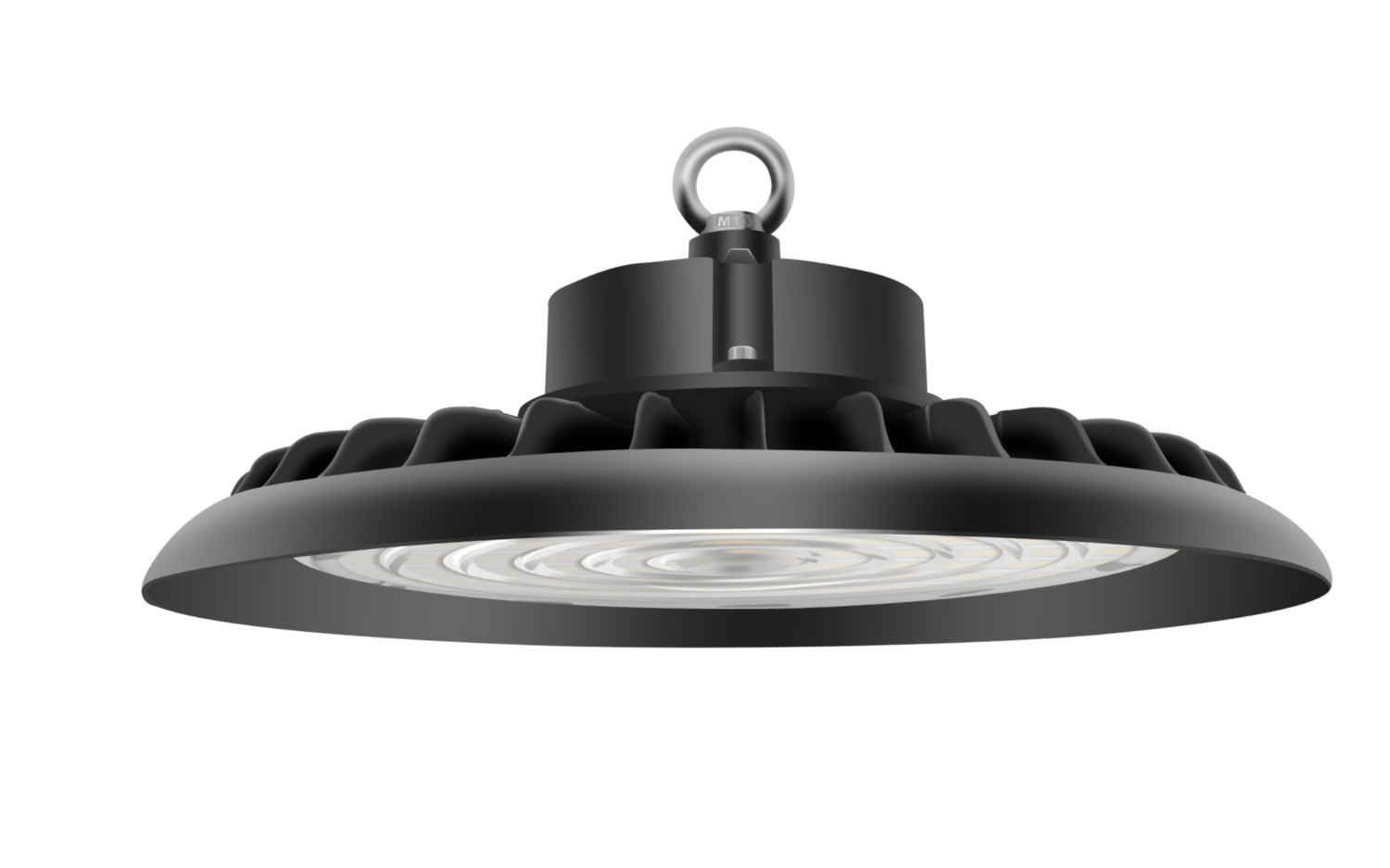
- LED luminaires from CAE Lighting dramatically reduce heat output
- Switching from 58W fluorescent to 20W LED reduces per-fixture heat by ~65%
- Smart lighting reduces burn-time, which also lowers total heat hours
This leads to:
- Lower CRAH fan speeds
- Reduced chiller cycling
- Smoother airflow profiles
Heat Output Comparison: Fluorescent vs. LED
Let’s break it into numbers:
| Metric | Fluorescent (T8) | LED Equivalent |
|---|---|---|
| Power | 58W | 20W |
| Lumen Efficacy | ~90 lm/W | ~160 lm/W |
| Heat Output | ~198 BTU/hr | ~68 BTU/hr |
| Daily Heat (10h) | ~1,980 BTU | ~680 BTU |
This means for every 100 fixtures:
- Fluorescents generate 198,000 BTU/day
- LEDs drop that to 68,000 BTU/day
Modeling Heat Load in Simulation: Best Practices
In CFD or energy models, lighting should be treated as:
- A distributed heat source at ceiling level
- With convective, radiant, and conductive properties (especially in containment zones)
Tips for better simulation:
- Use real fixture placement — not generic grid assumptions
- Include dimming profiles if controls are installed
- Model for both peak and average operational loads

Real-World PUE Improvements
Lighting upgrades directly affect the Power Usage Effectiveness (PUE) formula:
PUE = Total Facility Energy / IT Load
Less lighting heat → less HVAC energy → lower numerator.
Case: A Tier III center dropped from PUE 2.0 → 1.61 with a lighting+CRAH retrofit.
- 17% reduction in cooling energy
- Payback in 18 months
- Ongoing savings on power and maintenance

Case Study Snapshot: CAE LED in Action
One facility in Southeast Asia installed:
- 240 Squarebeam Elite luminaires
- Integrated motion sensors
- Remote dimming profiles by zone
Results:
- Cooling load dropped 21%
- PUE from 1.88 → 1.55
- CapEx recovered in 14 months
LED Controls = Extra Cooling Gains
Don’t just swap bulbs. Layer in control tech:
- Motion sensors shut off lights in unused aisles
- Daylight harvesting lowers lux levels where sunlight reaches
- Zone dimming keeps lights low during non-critical hours
Procurement, Support & Retrofits
CAE Lighting supports full lighting audits, fixture mapping, and product selection via its Product Line.
For retrofit teams:
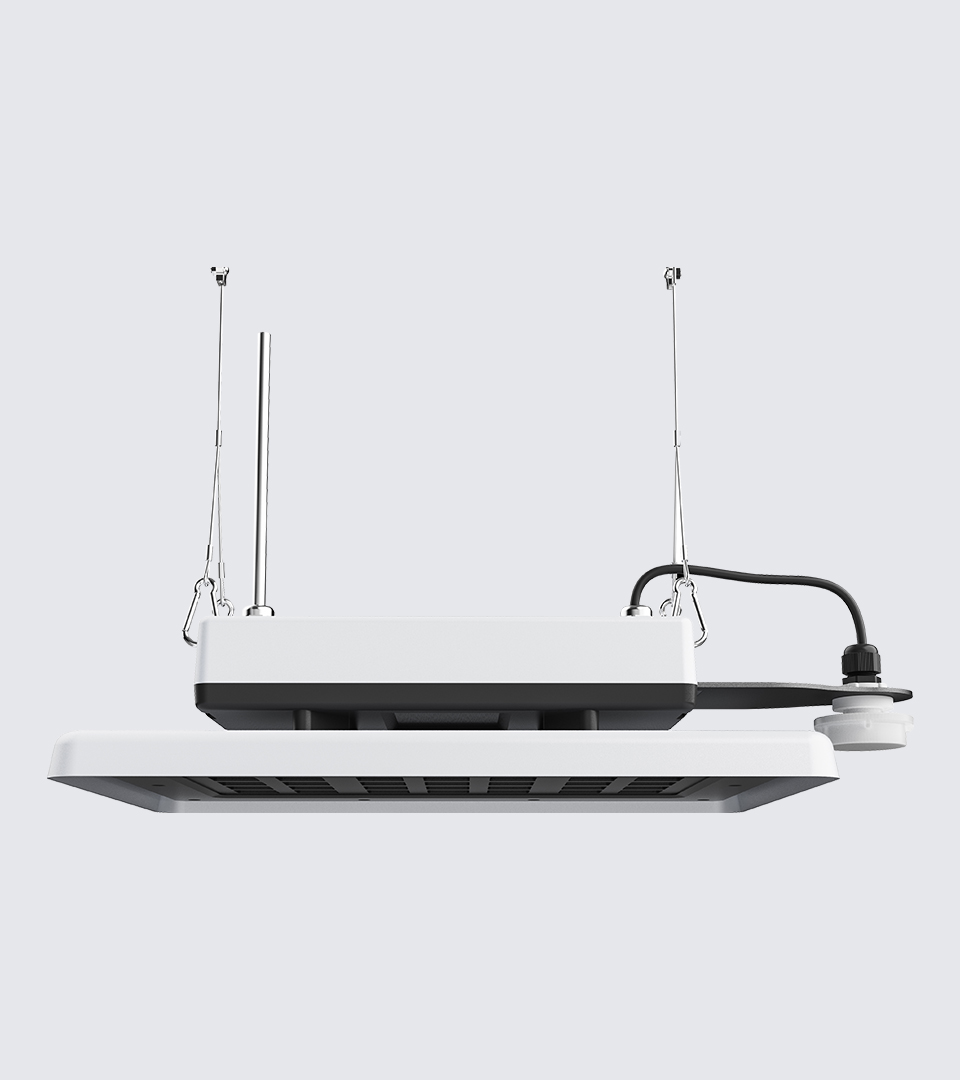
- Squarebeam Elite: high-temp, low-glare
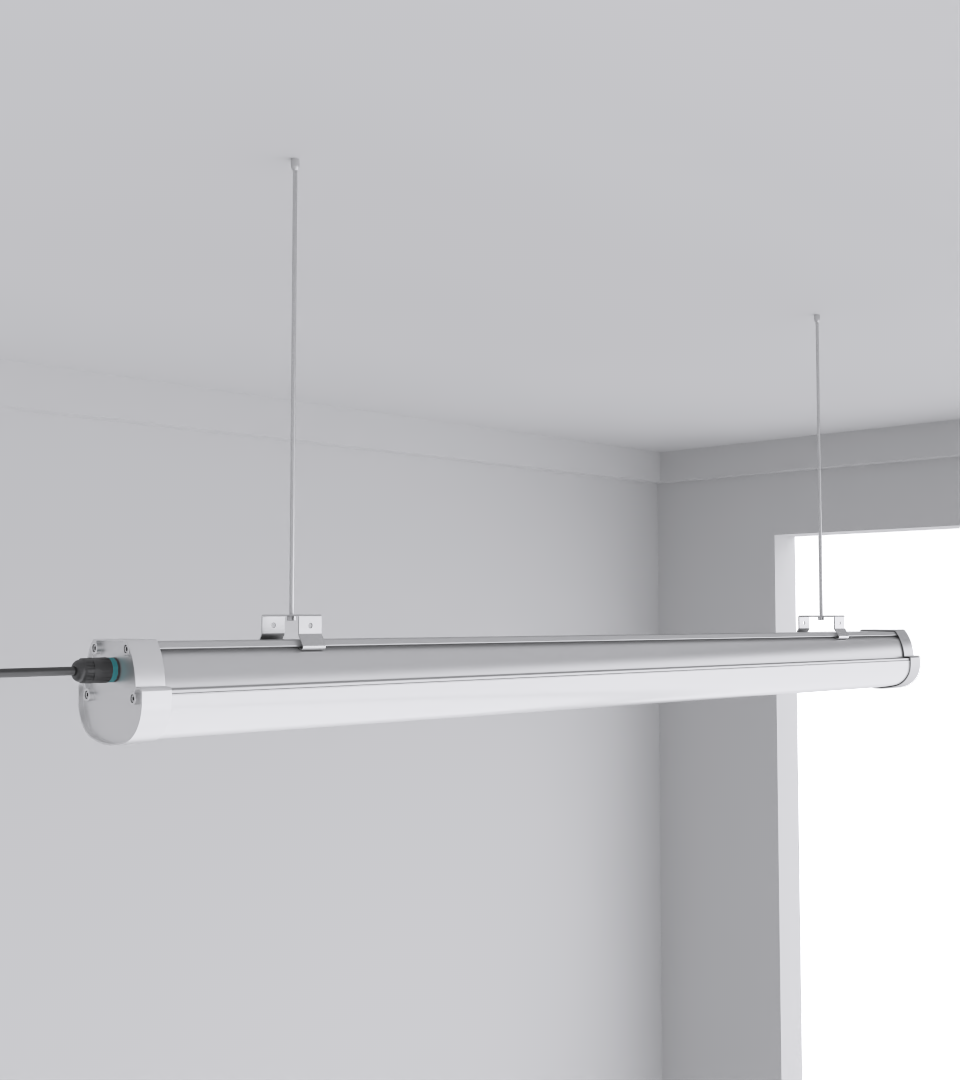
- Quattro Triproof Batten: waterproof, sensor-ready
- SeamLine Batten: seamless linear finish
Full engineering documentation, sample orders, and quotes are available via CAE Contact.
FAQs
Do LEDs really lower cooling costs in data centers?
Yes. LEDs generate far less heat than traditional fluorescents, reducing cooling loads by up to 70% in lighting-only calculations.
How fast is ROI on lighting upgrades?
Usually 1–2 years when factoring both energy and maintenance savings.
Can lights mess with airflow in a hot aisle/cold aisle setup?
Yes — improper fixture placement can disturb airflow. Use slimline, low-profile LED fixtures in containment designs.
What’s the best LED for high-density server rooms?
Squarebeam Elite or Quattro Triproof Batten — both tested for high heat and sealed environments.
Can lighting help with ESG goals?
Absolutely. Reduced energy = lower emissions. Certified LEDs also support LEED/ISO compliance.