How Adaptive Controls Are Reshaping Data Center Efficiency, Cooling, and Uptime in 2025
–
- Introduction: What Are Adaptive Controls in Data Centers?
- Why Demand Is Surging
- Key Technologies Behind Adaptive Controls
- Adaptive Lighting and Thermal Design by CAE Lighting
- Benefits of Adaptive Control Systems
- Implementation Challenges and Fixes
- Global Projects and Case Deployments
- What to Do Next: Checklist and Guidance
- Frequently Asked Questions (FAQ)
Key Takeaways
| Feature or Topic | Summary |
|---|---|
| AI Workloads | Surging demand is doubling power use and straining cooling capacity in data centers. |
| Adaptive Controls | Real-time systems powered by AI are reducing waste and improving reliability. |
| Cooling Innovations | Liquid and airflow-based adaptive cooling is now standard in large facilities. |
| Smart Power Distribution | Smart PDUs and predictive systems balance energy loads and reduce downtime. |
| Market Momentum | $4.9B liquid cooling market set to grow to $21.3B by 2030. |
| CAE Lighting | CAE Lighting offers adaptive-ready luminaires like Squarebeam Elite. |
| Regulation | Compliance pressure is forcing upgrades—especially in U.S., EU, and parts of Asia. |
| Sustainability | Adaptive controls are key to reducing emissions and enhancing operational longevity. |
1. Introduction: What Are Adaptive Controls in Data Centers?
Adaptive controls in data centers refer to automated systems that adjust power, cooling, and resource usage dynamically based on live data inputs. These systems use AI or predictive logic to maintain operational efficiency, prevent overheating, and reduce wasted energy.
- Real-time sensor feedback triggers immediate action (cooling shifts, load shedding).
- AI models learn patterns in demand, anticipating needs instead of reacting late.
- Controls span HVAC, power distribution, security, and sometimes server throttling.
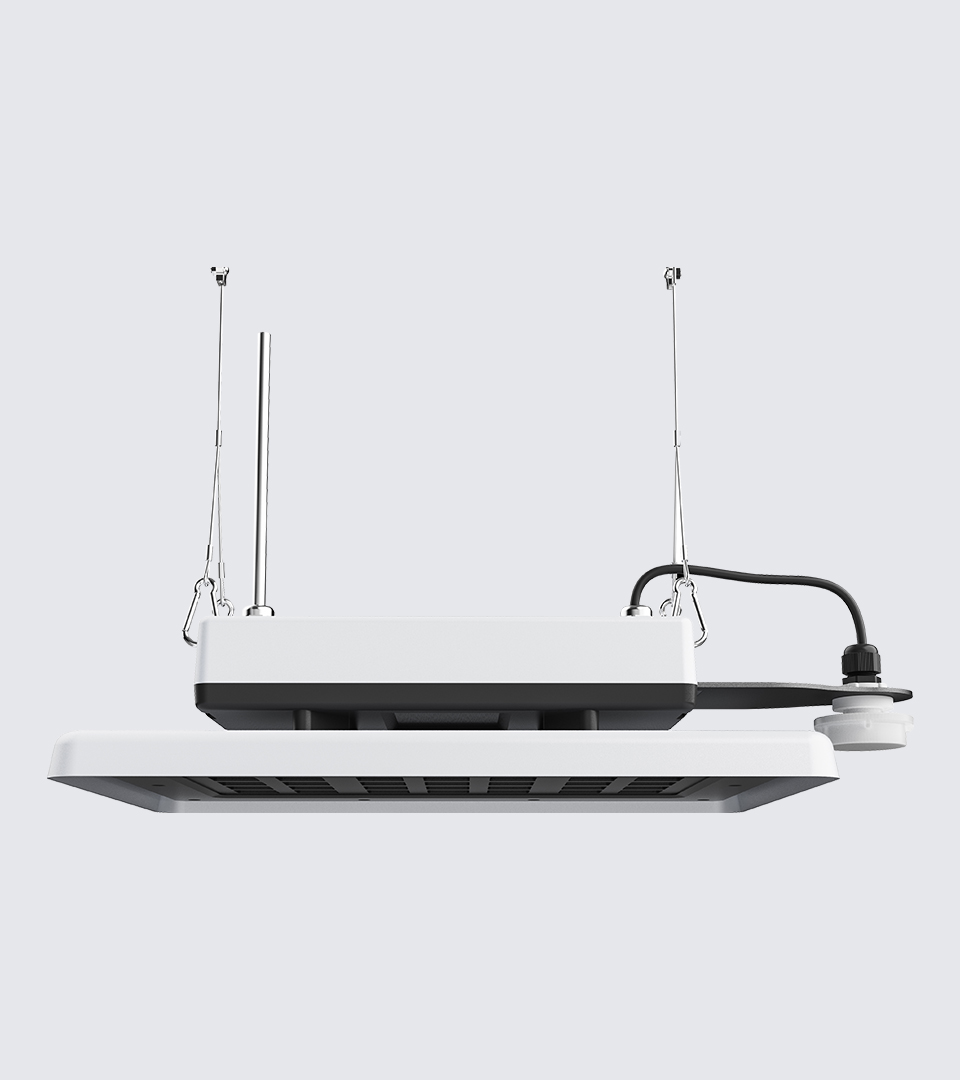
“We started using Squarebeam Elite for adaptive lighting in high-density server halls—made a measurable impact on ambient cooling.” — Senior Systems Engineer, Kuala Lumpur
2. Why Demand Is Surging
2.1 AI Load Booms and Thermal Pressure
- AI training models use GPUs and ASICs that generate much more heat than CPUs.
- Average rack density has jumped from 6 kW to over 15 kW in many facilities.
- CBRE projects double the energy use by 2026.
2.2 Power Grid Limitations
- Blackouts in Northern Virginia data zones prompted regulators to pause expansions.
- Adaptive systems help reduce peak grid demand by spreading out load and using backup energy.
3. Key Technologies Behind Adaptive Controls
3.1 AI-Optimized Cooling
- Sensors map hot spots.
- AI adjusts fan speeds, coolant flow, and airflow direction.
3.2 Multi-Agent Control
- Each system (HVAC, UPS, generator) has an autonomous controller.
- These agents coordinate with each other to keep conditions stable.

3.3 Smart Power Distribution Units
- Monitors phase balance, voltage irregularities.
- Switches power sources automatically if needed.
3.4 Predictive Maintenance
- AI forecasts equipment failure windows.
- Supports asset management and procurement cycles.
4. Adaptive Lighting and Thermal Design by CAE Lighting
- Squarebeam Elite: Built to reduce thermal load near server racks.
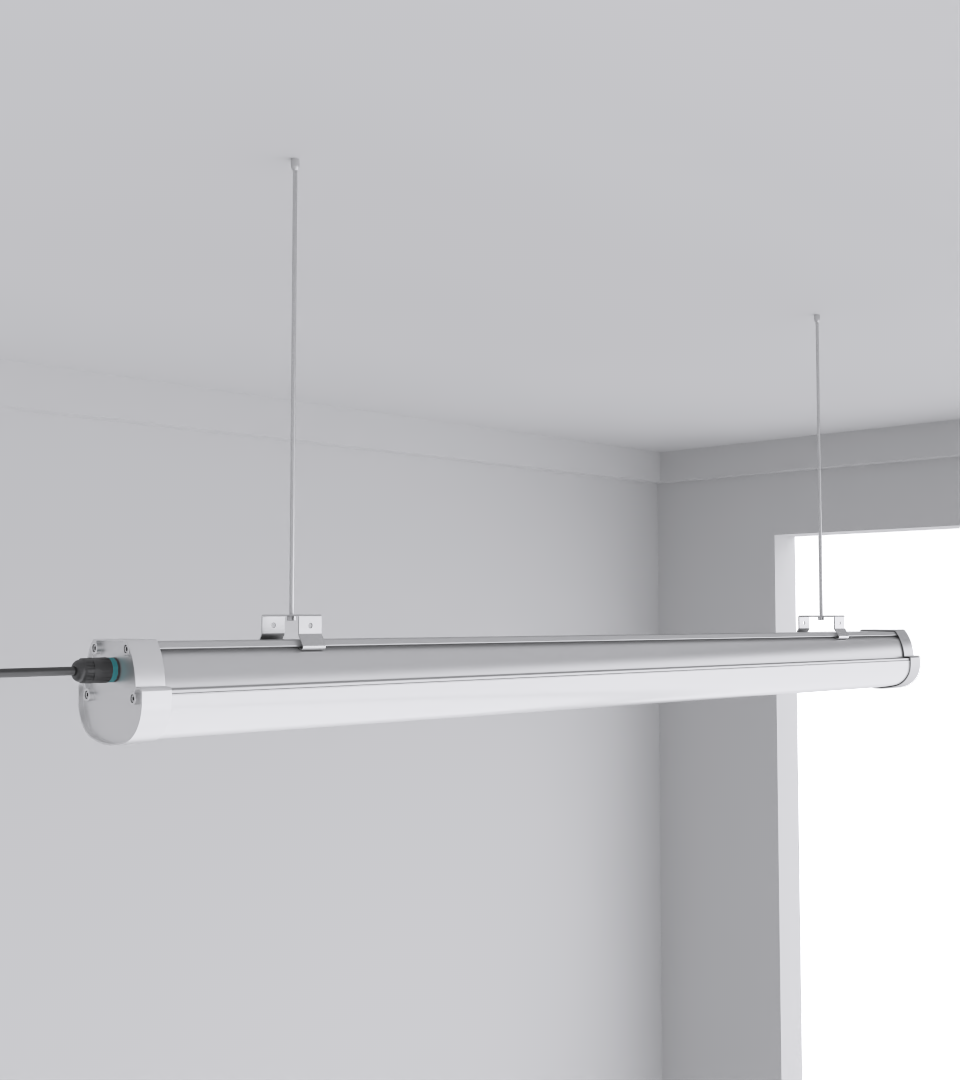
- Quattro Triproof Batten: Withstands high humidity and dust; ideal for floor-level illumination.
- SeamLine Batten: Slim design for dense rack corridors, reducing obstruction.
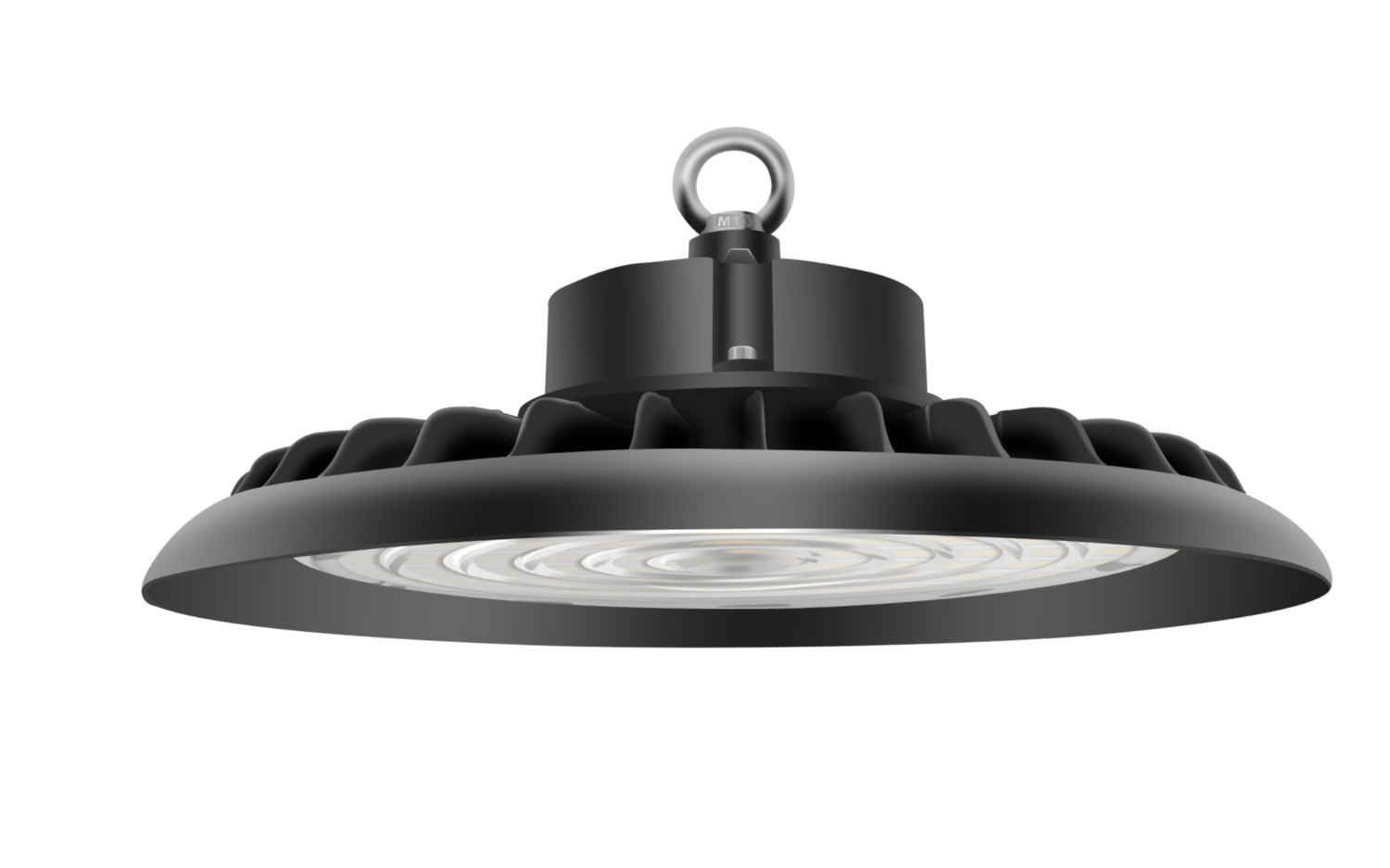
Why it matters: Poor lighting planning creates heat pockets and disrupts air flow. Using thermally efficient fixtures like those from CAE Lighting keeps cooling systems operating efficiently.
5. Benefits of Adaptive Control Systems
| Area | Impact |
|---|---|
| Efficiency | Up to 30% reduction in electricity costs via demand-based adjustments |
| Reliability | Live error mitigation; lower equipment wear |
| Uptime | UPS and backup switches react faster than human-monitored systems |
| Emissions | Reduced fossil backup runtime, supporting ESG goals |

6. Implementation Challenges and Fixes
- Legacy integration: Older HVAC and UPS may lack digital interfacing—consider hybrid installs.
- Cybersecurity: Control systems need isolation from internet-facing assets.
- CapEx: Start with modular add-ons like smart PDUs before full platform shifts.
Read more about smart lighting strategy for data centers in this CAE Lighting guide.
7. Global Projects and Case Deployments
- Thailand & Malaysia: Smart lighting projects across logistics + edge data center corridors
- North America: Grid-regulated data zones using AI for workload shifting
- Europe: Strong regulatory momentum toward adaptive cooling for carbon compliance
8. What to Do Next: Checklist and Guidance
Deployment Checklist:
- Audit current HVAC, PDU, UPS infrastructure
- Identify thermal hotspots with IR sensors
- Contact vendors with AI-ready solutions
- Start with adaptive lighting to reduce thermal impact and energy load
- Use CAE Lighting’s contact page for custom consultation
❓ Frequently Asked Questions (FAQ)
Q: What is adaptive control in a data center?
A: A system that adjusts power, cooling, and lighting based on real-time usage and AI predictions.
Q: Can adaptive lighting reduce data center cooling costs?
A: Yes. Thermally optimized fixtures reduce localized heat and allow for better airflow management.
Q: Are smart PDUs secure?
A: Most come with isolated networks and firmware protections, but regular audits are key.
Q: What’s the typical ROI on adaptive systems?
A: Depending on facility size, ROI is often within 18–36 months, especially with rising energy costs.
Q: Does CAE Lighting offer consultation?
A: Yes — they offer custom layouts, lighting design, and control-ready fixture suggestions tailored to infrastructure needs.
For more, visit the CAE Lighting product portal.