Human-Performance Lighting for Data Centers: Technical Guide to Circadian-Aligned, Tunable LED Systems
–
- 1. Why Human‑Performance Lighting Now Matters More Than Ever
- 2. Understanding the Shift: Human‑Performance vs Human‑Centric Lighting
- 3. Operator Fatigue, Eye Strain & Circadian Mess: The Real Impact
- 4. The Biology of Light: Not Just Lux, But Circadian Stimulus
- 5. ROI and Practical Savings: HPL Isn’t Just About Health
- 6. Lighting Strategy: Smart Zones, Motion Sensors, and Tunable White
- 7. Case Study Highlights: Lessons from Industrial Environments
- 8. Recommendations: How to Start Your Lighting Shift
- Frequently Asked Questions (FAQ)
Key Takeaways
| Feature or Topic | Summary |
|---|---|
| What It Is | Human-performance lighting (HPL) supports circadian health, alertness, and accuracy in 24/7 environments like data centers. |
| Why It Matters | Operators working in shifts face fatigue, eye strain, and low alertness without proper lighting. |
| Key Features | Tunable white LEDs, motion-sensor integration, glare control, smart automation, and spectrum tuning. |
| ROI & Benefits | 80%+ energy savings, reduced human error, better retention, and enhanced safety. |
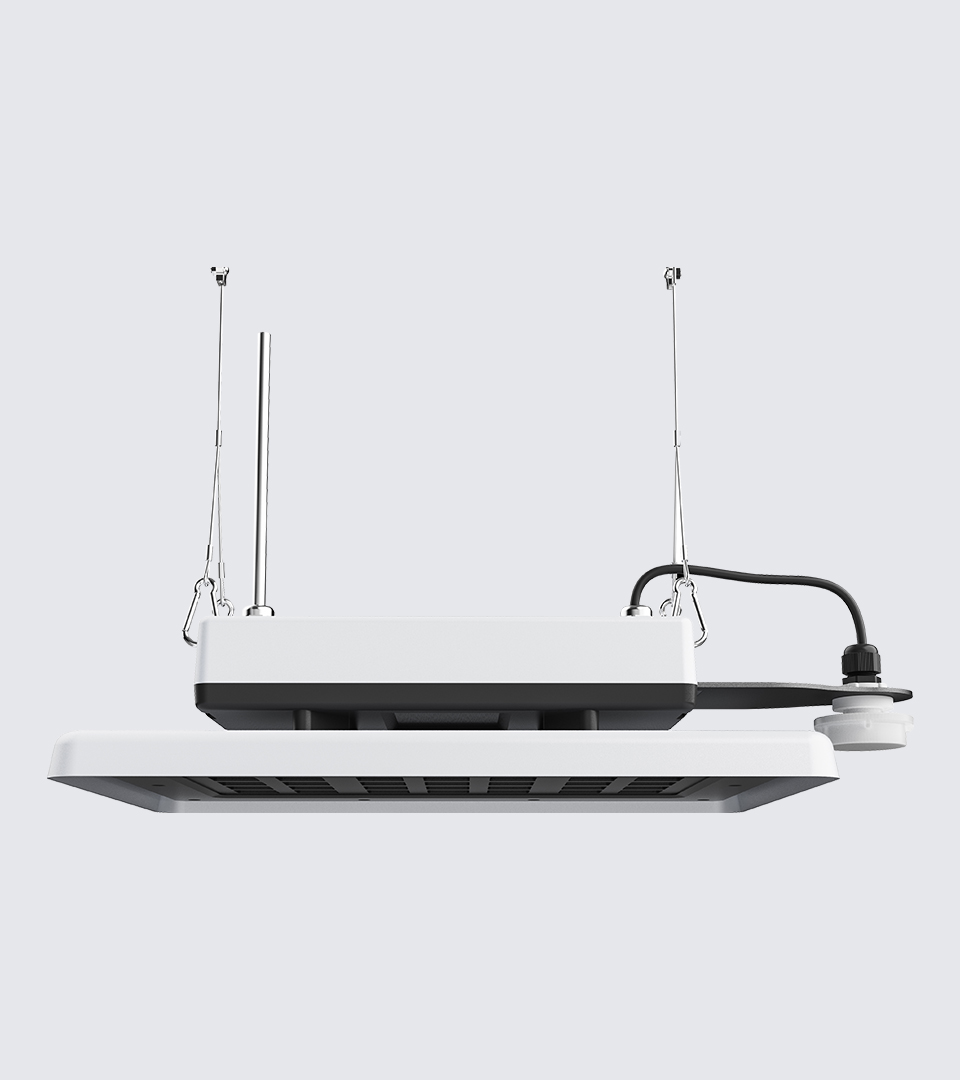
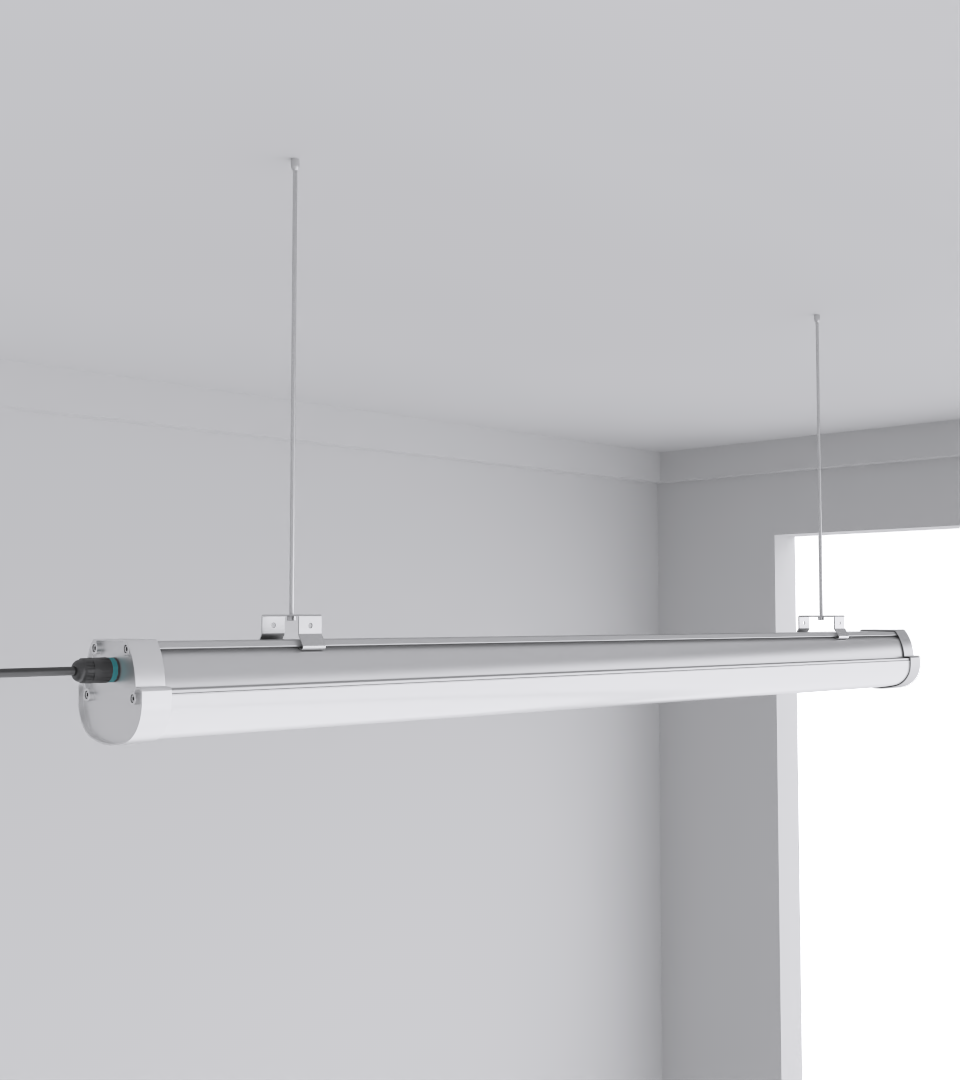
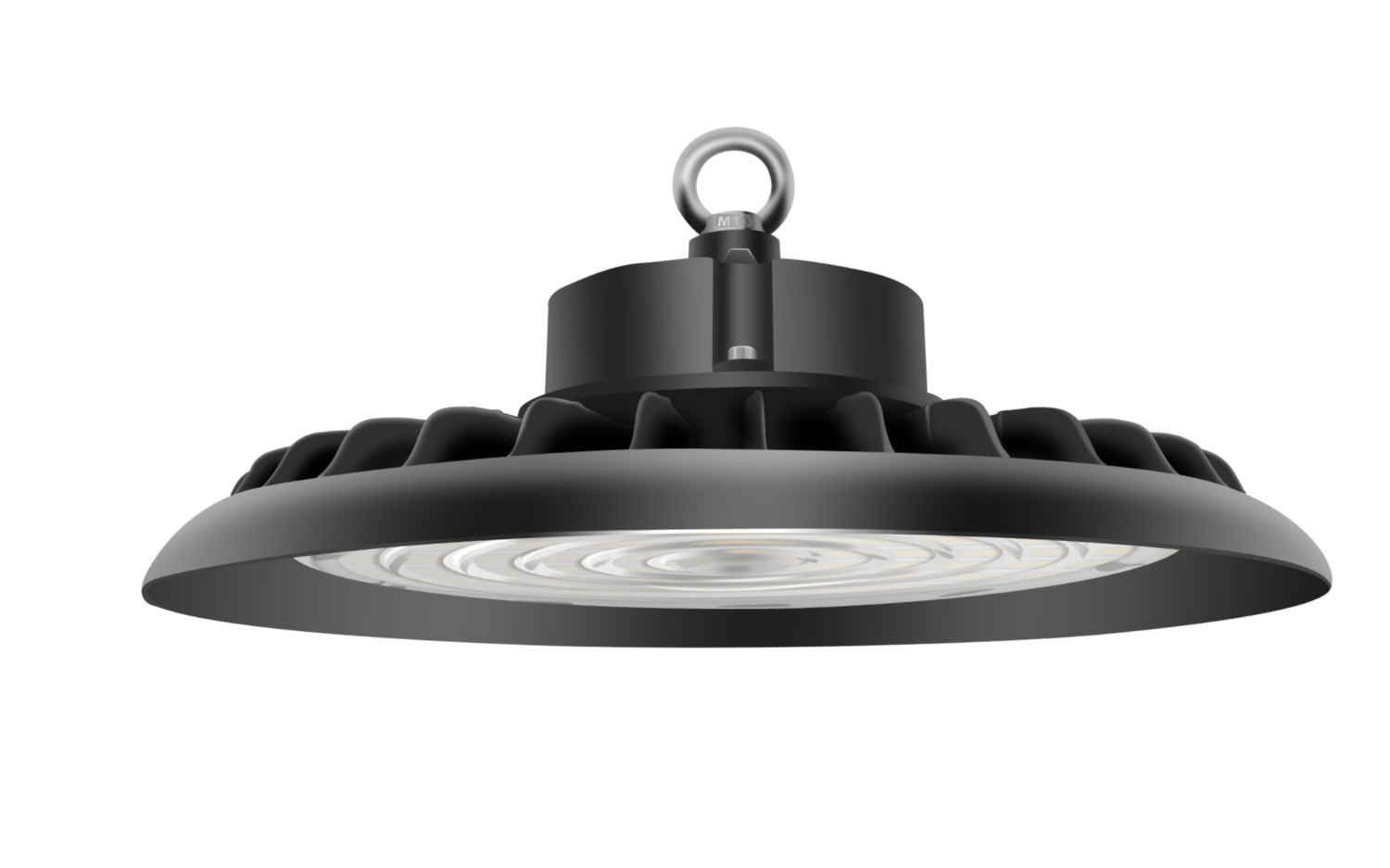
| CAE Lighting’s Role | Provides cutting-edge industrial luminaires like Squarebeam Elite and Quattro Batten for high-efficiency and circadian-aligned data center lighting. |
1. Why Human‑Performance Lighting Now Matters More Than Ever
24/7 monitoring. Rotating shifts. Long hours under artificial light. This is the reality of most data centers. And lighting? It’s often overlooked.
- Lighting affects mood, alertness, and even melatonin levels.
- Bad lighting equals more human error.
- CAE Lighting’s approach focuses on biologically-attuned brightness and temperature.
2. Understanding the Shift: Human‑Performance vs Human‑Centric Lighting
“Human-centric” became a buzzword. It’s not wrong—but it’s vague. Human-performance lighting (HPL) is more specific: it’s about quantifiable outcomes.

| Term | Focus | Outcome |
|---|---|---|
| Human-Centric Lighting | Comfort & general wellbeing | Often qualitative |
| Human-Performance Lighting | Cognitive alertness & circadian sync | Measurable improvements |
3. Operator Fatigue, Eye Strain & Circadian Mess: The Real Impact
If you’ve ever worked night shifts in a data center, you know the feeling: your brain starts slowing, your vision dries out, and you forget what day it is.
- Up to 36% more errors occur during poorly lit night shifts (Trilux study).
- Eye strain leads to more micro-breaks, reducing efficiency.
- Melatonin suppression without proper spectral tuning can delay sleep by 2+ hours.
4. The Biology of Light: Not Just Lux, But Circadian Stimulus
You need more than “bright enough.” You need the right spectrum, the right timing, and the right zones.
- ipRGCs in your eyes aren’t for seeing—they’re for setting your body clock.
- Melanopic lux measures how well light stimulates wakefulness.
- Color temp shifts from 2700K (rest) to 5000K (alert) regulate mood and focus.

5. ROI and Practical Savings: HPL Isn’t Just About Health
HPL doesn’t just make people feel better. It saves money—fast.
| Item | Standard LED | HPL LED (e.g. Squarebeam Elite) |
|---|---|---|
| Install Cost | $22,000 | $28,000 |
| Energy/Year | $11,000 | $4,500 |
| Maintenance/Year | $2,000 | $500 |
| Break-even | 3.1 yrs | 2.2 yrs |
6. Lighting Strategy: Smart Zones, Motion Sensors, and Tunable White
One-size lighting plans don’t work. Server aisles need focus lighting. NOCs need tunable scenes. Break rooms need warmer light.
- Motion-triggered lighting saves 15–20% energy.
- Tunable white settings reduce circadian misalignment.
- Use programmable zones: cooler light at consoles, warmer in rest areas.
7. Case Study Highlights: Lessons from Industrial Environments
From retail to server rooms, CAE’s fixtures are tuned for the real world—not labs.
A logistics center in Johor used Squarebeam Elite to reduce light fatigue during night shifts. Result: 24% fewer reported sleep issues in quarterly surveys.
- In Thailand, Quattro Triproof Batten was installed in high-humidity racks—zero failures over 18 months.
8. Recommendations: How to Start Your Lighting Shift
Not sure where to start? Begin with an audit.
- Conduct a melanopic lux assessment
- Replace critical-zone fixtures with tunable luminaires
- Install occupancy + brightness sensors
- Review automation controls and daylight integration
- Run a pilot program in one zone before full rollout
Contact CAE Lighting to request sample kits or pilot setup.
Frequently Asked Questions (FAQ)
What is human-performance lighting?
Lighting that supports health, alertness, and accuracy using spectrum, timing, and smart controls.
Can HPL be retrofitted into existing data centers?
Yes. Products like SeamLine and Squarebeam Elite are designed for drop-in or suspended retrofit installs.
How does HPL help data center operations?
Better operator alertness, fewer errors, energy savings, and reduced downtime.
Is HPL more expensive?
Upfront cost is higher, but break-even comes within 2–3 years due to energy and maintenance savings.
Does it meet industry standards?
Yes. CAE Lighting products are designed to align with WELL, LEED, and TIA-942 guidelines.
Explore full product specs at CAE Lighting’s product range
Or learn more about Squarebeam Elite