
Data Center LED Lighting vs Traditional: Energy, Cooling, ROI & Smart Integration Explained
–
Key Takeaways
| Feature or Topic | Summary |
|---|---|
| Energy Use | Up to 80% less consumption |
| Heat Emission | Minimal heat, lower cooling needs |
| Maintenance | Fewer replacements needed |
| ROI | Payback in 1–3 years |
| Controls | Smart systems & integration |
Why LED Is the Superior Choice
Lighting might only account for 3–5% of a data center’s total energy use, but when your facility runs 24/7, even small inefficiencies scale into serious costs. LED lighting isn’t a “nice-to-have”—it’s a tactical upgrade. I’ve seen entire facilities cut cooling loads by double digits just from a lighting swap.
What Are We Replacing?
Most “traditional” data centers still run fluorescent tubes or metal halide bulbs. Here’s what that gets you:
- High fixture count due to poor coverage
- Serious heat output straining HVAC
- Short lifespan (often < 2 years)
- Mercury-filled tubes creating disposal issues
Why LEDs Work Differently
LEDs (light-emitting diodes) are solid-state devices. That means:
- Instant full brightness, no warm-up
- Directional output, no wasted lumens
- Dimmable and smart-compatible
- Minimal heat conversion: only ~5% energy lost
Energy Efficiency
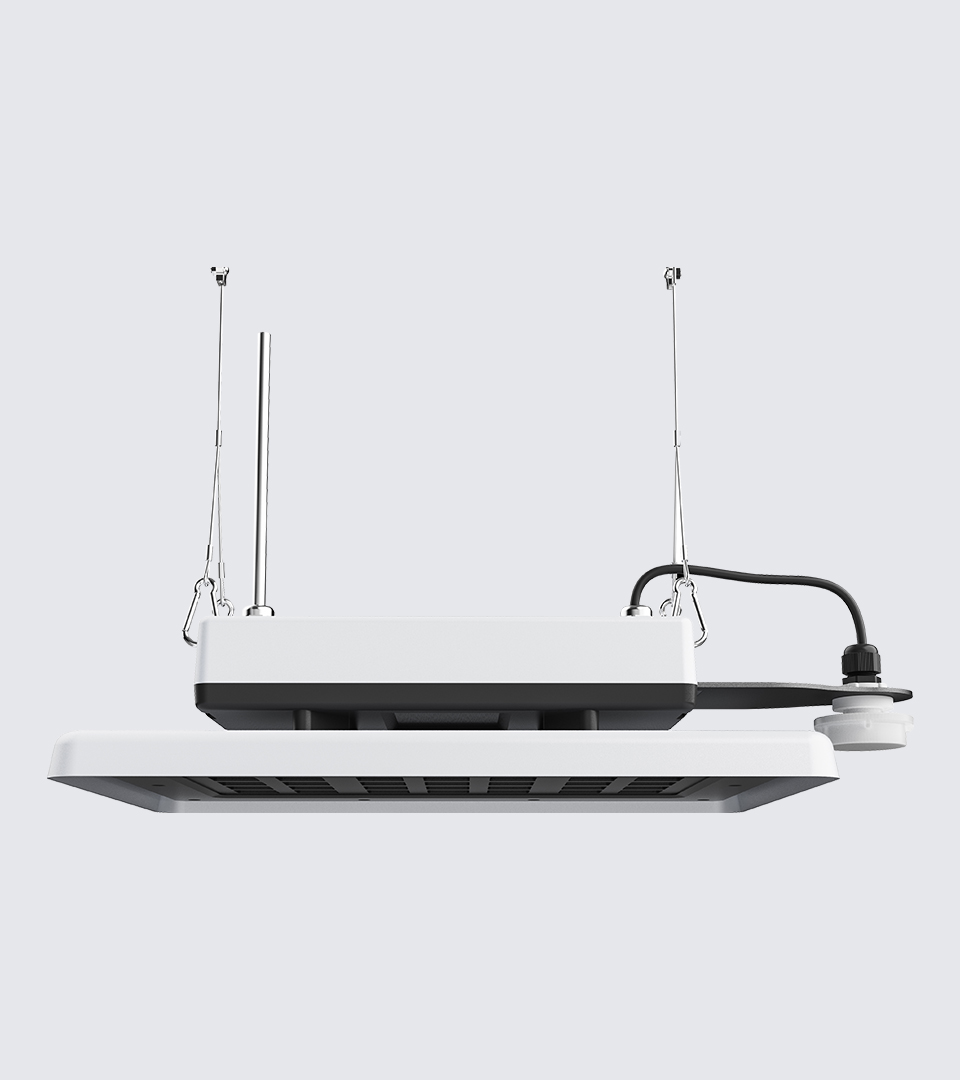
High-efficiency models like the Squarebeam Elite can reach 130–150 lm/W, often doubling older lighting systems.
- One Johor site cut lighting energy by 68%
- Cooling load dropped 11% after install

Longevity & Maintenance
With 60,000–100,000 hour lifespans, modern LEDs offer:
- 6+ years of 24/7 operation without replacement
- No ballast failures
- Lower labor and ladder time
Light Quality
LEDs offer visual clarity through:
- High CRI for better accuracy and visibility
- Flicker-free output for operator comfort
- More control over beam direction
Controls and Integration
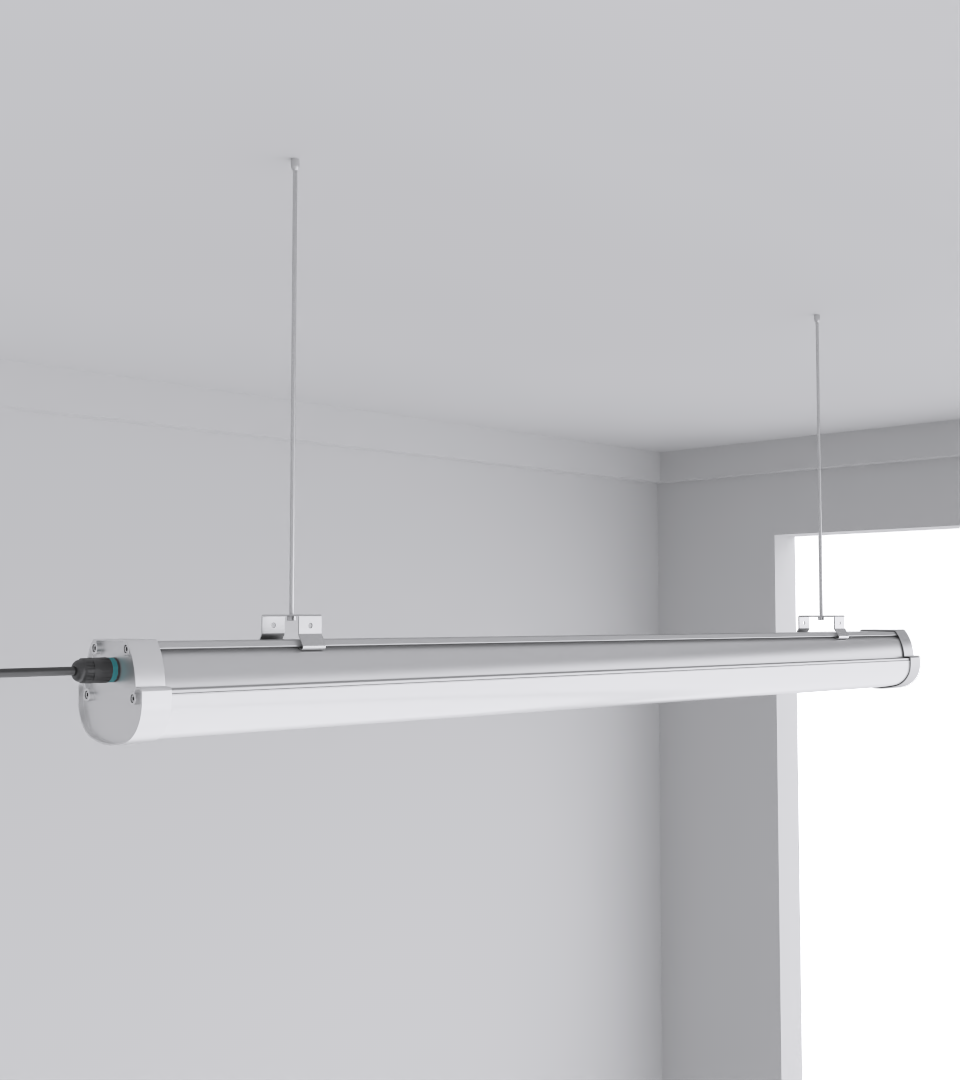
With smart options like SeamLine Batten, data centers gain:
- PoE integration (Power over Ethernet)
- Occupancy and motion sensors
- Scheduling via building management system

Sustainability & Compliance
Modern LEDs help meet green goals through:
- No hazardous mercury
- Support for ISO 14001 and Energy Star
- Lower PUE scores and better lifecycle impact
Frequently Asked Questions (FAQ)
- Can LEDs help lower PUE?
Yes, they reduce both lighting and cooling loads. - What’s the lifespan difference?
Fluorescents: ~10,000 hours. LEDs: 60,000–100,000+ hours. - Are smart controls worth it?
Yes—motion sensors alone can save 30–40% in low-traffic zones. - Do I need rewiring?
Not always. Many LED retrofits are drop-in ready or low-voltage. - Where can I find certified LED products?
Check out CAE’s product catalog.