
LED vs Fluorescent Lighting in Data Centers: In-Depth Cost, Efficiency, and Performance Comparison
–
- Introduction
- Lighting Technologies Explained
- Energy Efficiency Comparison
- Lifespan and Maintenance Costs
- Environmental Impact
- Heat Output and HVAC Considerations
- Lighting Quality and Performance
- Cost Analysis: Initial Investment vs. Long-Term Savings
- Regulatory Compliance and Incentives
- Decision-Making Framework
- Conclusion
- Frequently Asked Questions (FAQ)
Key Takeaways
| Feature or Topic | Summary |
|---|---|
| Energy Efficiency | LEDs are more energy-efficient, reducing lighting energy use by up to 60% in data centers. |
| Maintenance Costs | LEDs last longer (up to 75% fewer maintenance visits), leading to reduced labor and downtime. |
| Heat Output & HVAC Impact | LEDs emit 40% less heat, easing the load on cooling systems and reducing PUE. |
| Cost Analysis | Although LEDs have higher upfront costs, the long-term savings in energy and maintenance make them more cost-effective. |
| Environmental Benefits | LEDs are more eco-friendly with no mercury content and better recyclability. |
| Compliance & Incentives | LED adoption can qualify for rebates and tax credits, making it a cost-effective upgrade. |
Introduction
Lighting is a significant factor in the operational efficiency of a data center, not just for visibility but for its impact on energy consumption, heat management, and maintenance. As data centers grow in size and complexity, the decision between LED and fluorescent lighting becomes crucial. This article offers a clear comparison of both options, focusing on cost, energy efficiency, and environmental impact.
Lighting Technologies Explained
LED Lighting: The Evolution of Efficiency
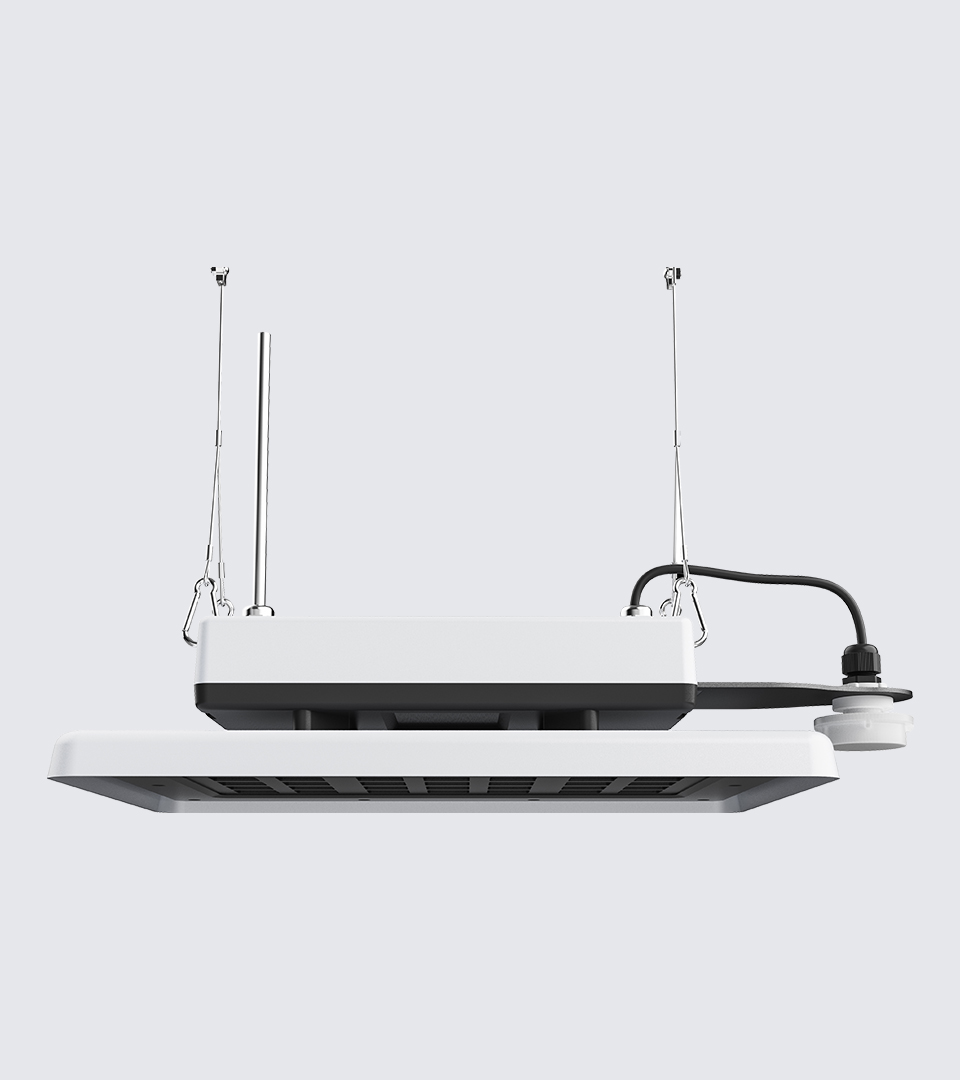
LED lighting technology has revolutionized lighting in various industries, including data centers. LEDs (Light Emitting Diodes) use semiconductors to convert electricity into light, making them highly energy-efficient. They generate less heat and have longer lifespans compared to fluorescent bulbs.
LEDs offer immediate-on functionality and minimal flicker, which are important factors in sensitive environments like data centers, where uptime and minimal interference are critical.
Fluorescent Lighting: Older Technology with Pros and Cons
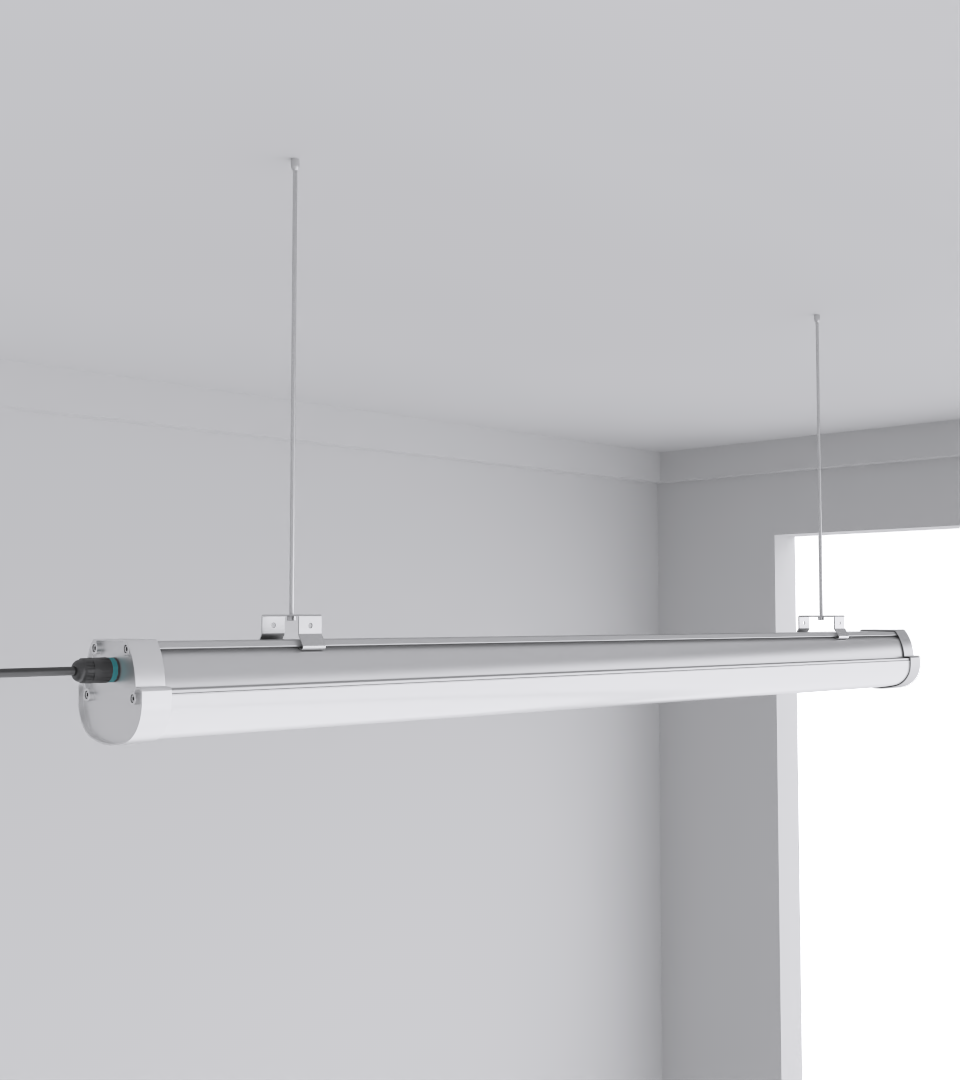
Fluorescent lighting operates by passing electricity through a gas-filled tube, causing the gas to emit ultraviolet light, which then excites phosphor coating on the inside of the bulb to produce visible light. While fluorescent lights are cheaper upfront, they consume more energy and have a shorter lifespan than LEDs. They also require more maintenance and are less efficient at managing heat.
Energy Efficiency Comparison
One of the most significant advantages of LED lighting over fluorescent is its energy efficiency. LEDs use less power to produce the same amount of light, which is particularly important in energy-intensive environments like data centers. Data centers can reduce lighting-related energy consumption by as much as 60% by switching to LEDs.
Case Study: The Energy Savings in Action
A large data center in the US retrofitted its fluorescent lights with LED fixtures, cutting their lighting energy usage from 100,000 kWh to 40,000 kWh annually. This change saved the company approximately $30,000 per year in energy costs.
Lifespan and Maintenance Costs
LED Lifespan: A Long-Term Investment
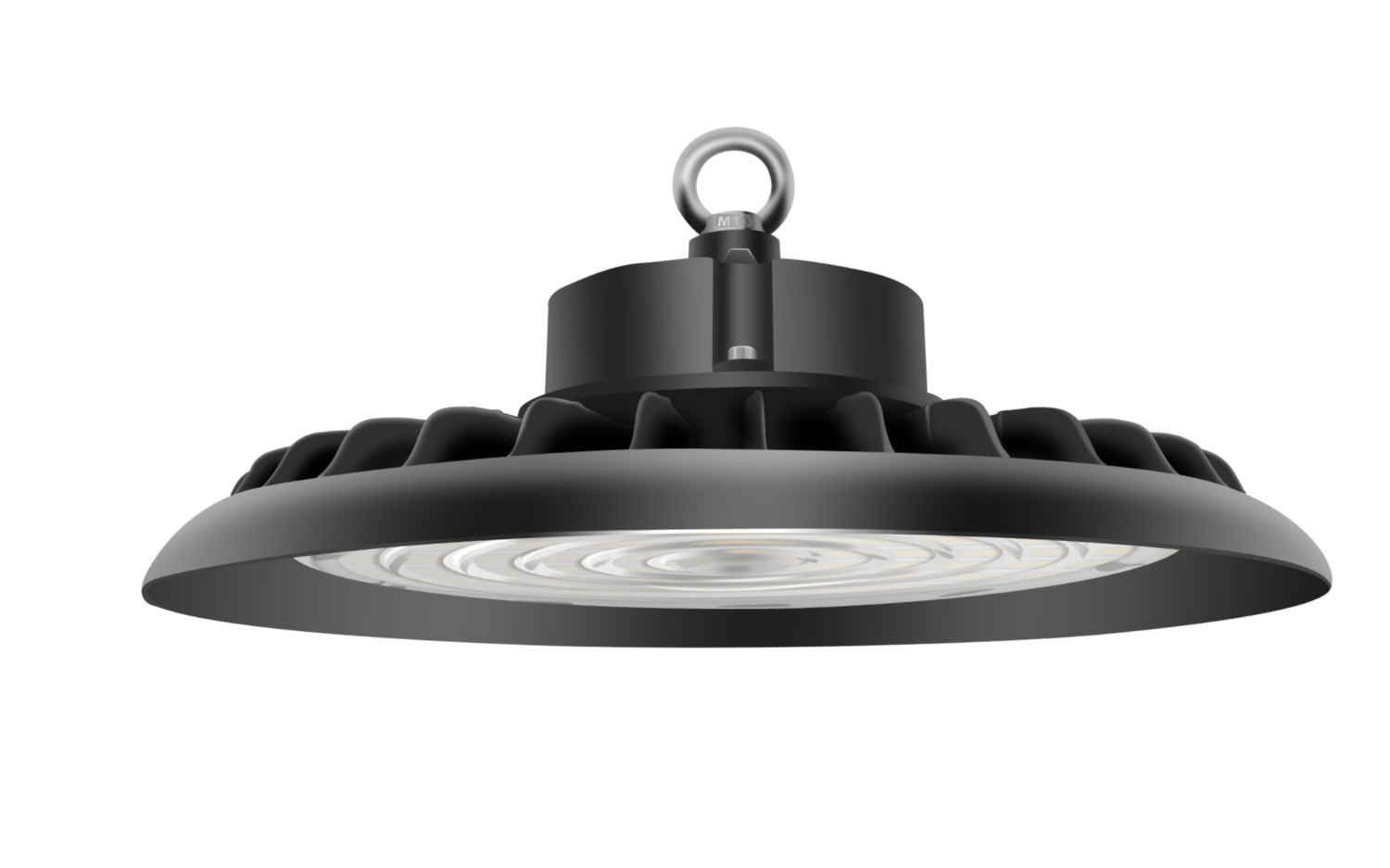
LEDs are designed to last up to 50,000 hours or more, which is about five times longer than fluorescent bulbs. This extended lifespan leads to fewer replacements and significantly reduced maintenance costs. In data centers where uptime is crucial, this translates into fewer disruptions and lower operational costs.
Fluorescent Lifespan: More Frequent Replacements
Fluorescent lights typically last between 15,000 to 20,000 hours. With their shorter lifespan, they need more frequent replacements, increasing both direct and indirect maintenance costs. This frequent replacement can lead to more downtime, which is costly in a data center environment.
Environmental Impact
Carbon Footprint and Energy Consumption
LEDs are much more energy-efficient than fluorescent lights, which helps reduce the carbon footprint of a data center. Their lower power consumption means less energy is required, which can lower greenhouse gas emissions from power generation.
Disposal and Materials
Fluorescent lights contain mercury, which poses environmental hazards during disposal. LED lights, on the other hand, are free from mercury, making them a safer, more environmentally-friendly choice.
Heat Output and HVAC Considerations
Heat Emission and its Impact on Cooling Systems
In data centers, heat generation from lighting can be a critical concern, as it adds to the load on HVAC systems. LEDs emit significantly less heat compared to fluorescent lights—up to 40% less. This reduced heat output helps in lowering cooling energy consumption and improving Power Usage Effectiveness (PUE).
Case Study: Heat Reduction in Action
At a data center in Europe, the switch from fluorescent to LED lighting led to a 25% reduction in cooling costs, thanks to the decrease in heat output. This change not only saved money but also contributed to better operational efficiency.

Lighting Quality and Performance
CRI, Flicker, and Instant-On Features
LEDs outperform fluorescent lights in terms of light quality. With a higher Color Rendering Index (CRI), they provide better color accuracy and visibility. Moreover, LEDs don’t flicker, which can be detrimental in environments where precision is important. Instant-on capability is another feature where LEDs excel, offering immediate full brightness without warm-up time.
Cost Analysis: Initial Investment vs. Long-Term Savings
Upfront Costs
LEDs generally have a higher upfront cost than fluorescent lights. However, this cost is quickly offset by their longer lifespan, reduced energy consumption, and lower maintenance needs.
ROI and Payback Period
Given the long-term savings in energy and maintenance, LEDs offer a much better return on investment (ROI) in the long run. A typical data center might see a payback period for the initial LED investment in as little as 2 to 3 years.
Regulatory Compliance and Incentives
Many regions and countries offer incentives for upgrading to energy-efficient lighting systems like LEDs. This includes tax credits, rebates, and other forms of financial support aimed at promoting sustainability and energy efficiency.
Decision-Making Framework
When deciding between LED and fluorescent lighting for a data center, it’s essential to conduct a full cost-benefit analysis that includes energy savings, maintenance costs, and environmental impact. Data centers should also consider scalability—LED solutions are often more adaptable to future growth than fluorescent systems.
Future Trends
Advancements in LED technology continue to emerge, including improvements in smart lighting and IoT integration. As data centers increasingly prioritize efficiency and sustainability, LEDs remain the best option for meeting these demands.
Conclusion
Switching from fluorescent to LED lighting in data centers is a smart investment. LEDs offer substantial long-term savings in energy, maintenance, and cooling costs. They also provide better lighting quality and are more environmentally friendly. While the upfront costs are higher, the return on investment and operational efficiency benefits far outweigh the initial expense.
Frequently Asked Questions
What is the cost difference between LED and fluorescent lighting?
While LEDs are more expensive initially, they save more money in the long run due to energy savings and lower maintenance costs.
How does LED lighting affect data center cooling?
LEDs produce significantly less heat than fluorescent lights, which can reduce the load on cooling systems and improve Power Usage Effectiveness (PUE).
Are there any incentives for switching to LED lighting?
Yes, many governments and energy organizations offer rebates and tax incentives for adopting energy-efficient lighting like LEDs.
How long do LED lights last compared to fluorescent lights?
LEDs can last up to 50,000 hours, while fluorescent lights typically last between 15,000 to 20,000 hours.