Maximize Energy Efficiency and Cut Costs: A Complete Guide to Retrofitting Existing Data Center Fixtures with LED Technology
–
- Introduction
- Understanding LED Technology
- Benefits of LED Retrofitting
- Planning Your LED Retrofit
- Implementation Strategies
- Advanced Lighting Controls
- Maintenance and Longevity
- Regulatory Compliance and Standards
- Case Studies and Real-World Examples
- Overcoming Common Challenges
- Future Trends in Data Center Lighting
- Conclusion
- Frequently Asked Questions (FAQ)
Key Takeaways
| Feature or Topic | Summary |
|---|---|
| Integration Benefits | Energy savings, streamlined operations, enhanced monitoring, and predictive maintenance. |
| Key Protocols | BACnet, Modbus, SNMP ensure interoperability. |
| Implementation Strategies | Assess existing infrastructure, select compatible systems, phased deployment recommended. |
| Operational Advantages | Reduced downtime, improved safety, occupant comfort, and significant sustainability contributions. |
The Ultimate Guide to Retrofitting Existing Fixtures with LEDs in Data Centers: Boost Efficiency, Cut Costs, and Enhance Sustainability
I. Introduction
LED retrofitting involves replacing outdated lighting systems with energy-efficient LED solutions. This shift is critical in data centers, where lighting accounts for a significant portion of energy usage. Implementing LED fixtures not only reduces electricity bills but also enhances operational efficiency, contributing to sustainability goals. With growing attention to reducing carbon footprints, retrofitting with LEDs is becoming a crucial strategy for data center operators.
In this guide, we will walk through the steps of retrofitting lighting in data centers, highlighting the benefits, challenges, and best practices for a smooth transition to LED technology. Learn more about CAE Lighting’s solutions for data centers.
II. Understanding LED Technology
How LEDs Work
LEDs (Light Emitting Diodes) produce light when an electrical current passes through a semiconductor. Unlike traditional bulbs, which use filament or gas, LEDs are energy-efficient, produce minimal heat, and have a longer lifespan. This makes them ideal for data centers, where reducing both energy consumption and heat output is crucial.
Types of LED Fixtures Suitable for Data Centers
In data centers, the most common types of LED fixtures include:
- Troffers: Typically used for ceiling-mounted lighting in large spaces.
- High-Bays: Suitable for areas with high ceilings, offering widespread illumination.
- Linear Strips: Ideal for narrow aisles or racking systems.
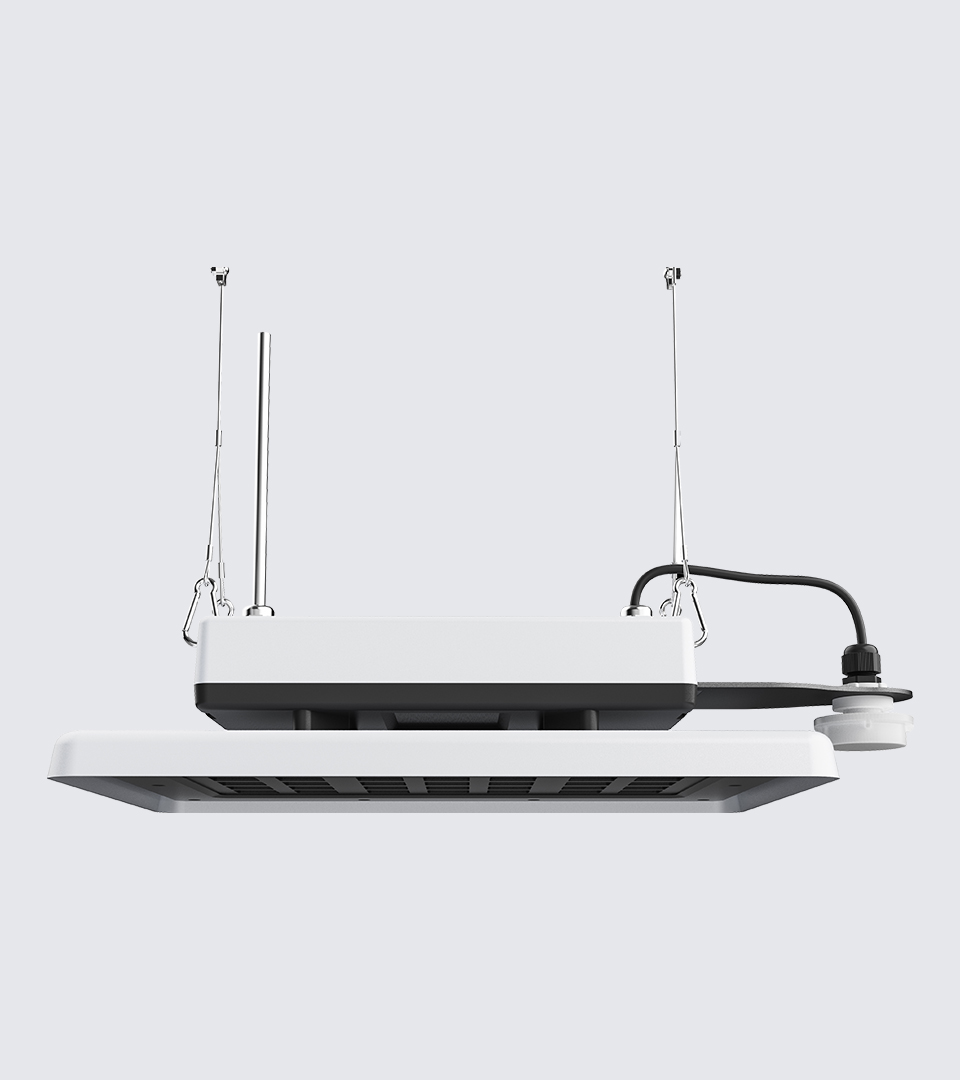
Explore CAE Lighting’s Squarebeam Elite LED.
Comparing LEDs with Traditional Lighting
- Energy Consumption: LEDs consume up to 75% less energy than incandescent or fluorescent lamps.
- Lifespan: LED fixtures can last up to 50,000 hours, compared to 10,000 hours for fluorescent lights.
- Heat Emission: LEDs generate significantly less heat, reducing the burden on cooling systems.
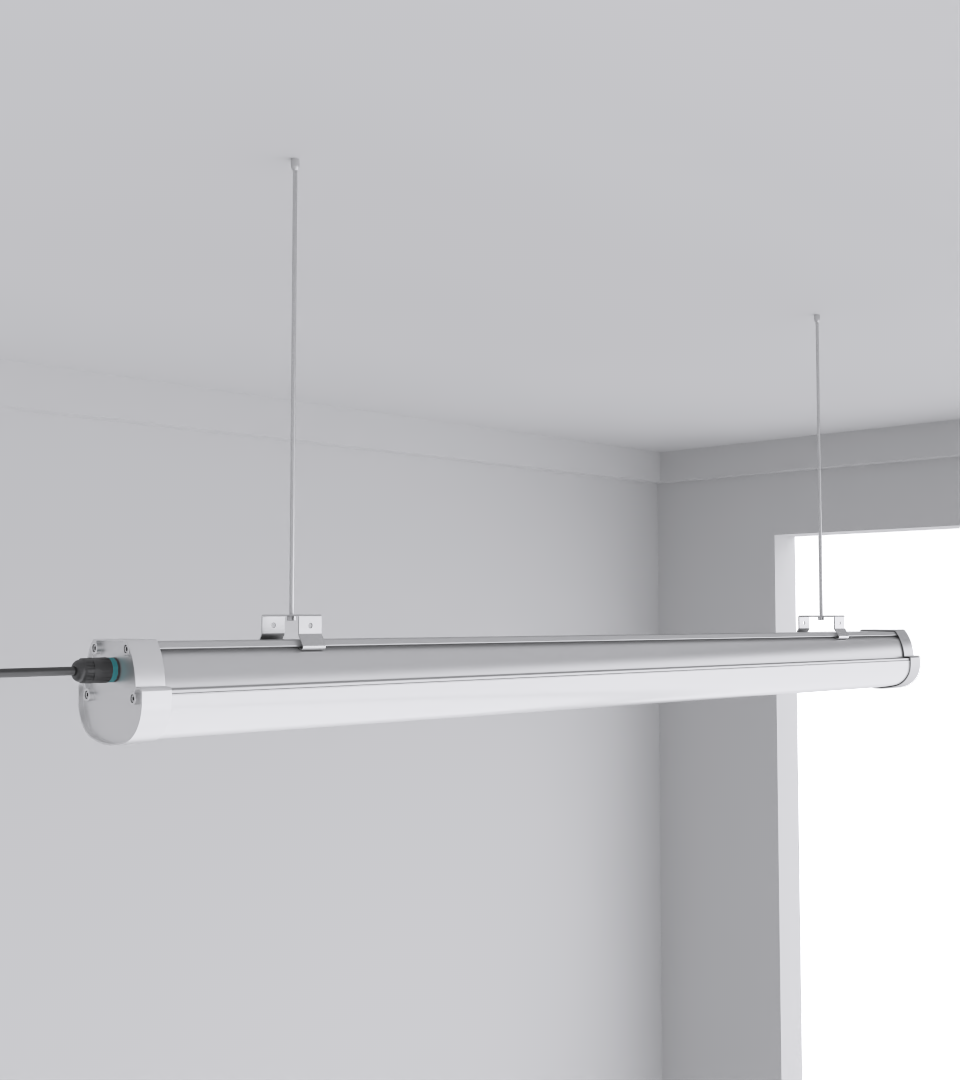
Learn more about the Quattro Triproof Batten.
III. Benefits of LED Retrofitting
Retrofitting existing fixtures with LEDs in data centers brings numerous advantages:
- Energy Efficiency: By lowering power usage, LED retrofitting helps data centers improve their Power Usage Effectiveness (PUE), which directly impacts energy consumption.
- Cost Savings: The initial investment is recouped quickly through reduced energy costs. Many facilities see ROI within 2–3 years.
- Enhanced Lighting Quality: LEDs provide uniform lighting without flicker, improving visibility and reducing glare.
- Reduced Heat Emission: Less heat output means less load on HVAC systems, leading to additional savings on cooling costs.
- Longevity and Durability: LEDs last longer than traditional lighting, requiring fewer replacements and lower maintenance costs.
- Environmental Impact: LEDs reduce the carbon footprint, aligning with sustainability initiatives and green certifications like LEED.
IV. Planning Your LED Retrofit
Planning is key to the success of any LED retrofit project. Here’s how to get started:
- Assessing Current Lighting Systems: Conduct an energy audit to identify inefficiencies in the existing system.
- Setting Objectives and Budgeting: Define clear goals—whether energy savings, improved lighting quality, or reducing maintenance costs—and determine the budget for the retrofit.
- Selecting the Right LED Fixtures: Choose LED fixtures based on the specific needs of your data center, considering factors like space, mounting options, and the type of work being done.
- Choosing Between Retrofit Kits and Full Fixture Replacements: Retrofit kits allow for the replacement of the lighting components while keeping existing fixtures, while full fixture replacements provide a more comprehensive solution.
V. Implementation Strategies
Step-by-Step Retrofit Process
A typical LED retrofit involves the following steps:
- Initial Assessment: Conduct a thorough audit of the current system to determine energy consumption and areas for improvement.
- Fixture Selection: Choose the appropriate LED fixtures based on operational requirements and space constraints.
- Installation: Install the LED fixtures or retrofit kits while ensuring minimal disruption to data center operations.
- Testing and Optimization: Test the system to ensure everything is working efficiently and make adjustments if necessary.
Zero-Downtime Retrofitting
Upgrading lighting without interrupting operations is possible with careful planning. Scheduling retrofits during off-peak hours or using temporary lighting systems can ensure continuous operation.
See how the SeamLine Batten can fit your data center.

VI. Advanced Lighting Controls
Incorporating advanced lighting controls can further enhance the benefits of LED retrofitting:
- Power over Ethernet (PoE): A system that delivers both power and data over a single Ethernet cable, reducing the need for separate power wiring and simplifying installation.
- Smart Sensors: Motion detectors and daylight harvesting sensors can adjust lighting based on occupancy and available natural light, further reducing energy consumption.
- Centralized Control Systems: Integrated control systems allow facility managers to monitor and adjust lighting levels across multiple data center zones.
VII. Maintenance and Longevity
Maintaining LED fixtures is relatively simple:
- Best Practices for Cleaning and Servicing: Regularly dust and inspect fixtures for damage. LEDs are durable but still require occasional maintenance.
- Monitoring Performance: Use sensors or building management systems (BMS) to monitor energy usage and detect any issues with the fixtures.
- Planning for End-of-Life: LEDs have a long lifespan, but when they do reach the end of their life, proper disposal and recycling are important to minimize environmental impact.
Explore more about CAE Lighting’s maintenance services.
VIII. Regulatory Compliance and Standards
Adhering to regulatory standards is crucial for ensuring compliance and maximizing incentives:
- Industry Standards: Standards like TIA-942 and ASHRAE guide data center operations and lighting requirements.
- Green Certifications: Pursuing certifications like LEED and ENERGY STAR demonstrates your commitment to sustainability.
- Incentives and Rebates: Many government programs offer financial incentives to support LED retrofitting projects, making them even more cost-effective.
IX. Case Studies and Real-World Examples
Numerous data centers have successfully implemented LED retrofitting projects. For example, a major data center in Singapore reduced their energy bills by 30% within the first year by upgrading to LED fixtures.
X. Overcoming Common Challenges
While LED retrofitting offers significant benefits, there are challenges to overcome:
- Addressing Initial Costs: The upfront cost of LED fixtures can be higher than traditional lighting. However, the long-term savings in energy and maintenance make LEDs a smart investment.
- Dealing with Technical Limitations: Compatibility issues can arise with existing infrastructure. Retrofit kits can address many of these challenges.
- Managing Change: Training staff and updating maintenance procedures are crucial to ensuring the success of the retrofit.
XI. Future Trends in Data Center Lighting
Emerging technologies, like OLEDs and Li-Fi, are shaping the future of data center lighting. Additionally, the role of AI and IoT in predictive maintenance and intelligent lighting control will continue to grow.
XII. Conclusion
Retrofitting with LEDs offers data centers significant advantages in terms of energy efficiency, cost savings, and sustainability. By following the steps outlined in this guide, data center managers can enhance lighting quality, reduce maintenance costs, and meet environmental goals. The transition to LEDs may seem daunting at first, but with the right planning and execution, it’s a straightforward process that brings long-term rewards.
Frequently Asked Questions
1. What are the main benefits of LED retrofitting in data centers?
LED retrofitting improves energy efficiency, reduces cooling costs, enhances lighting quality, and provides long-term cost savings.
2. How do I choose between retrofit kits and full fixture replacements?
Consider retrofit kits if the existing fixtures are in good condition and you want to minimize costs. Full fixture replacements may be necessary for older systems or when upgrading to more efficient designs.
3. How long do LED fixtures last?
LED fixtures typically last 50,000 hours, far longer than traditional lighting, which reduces the need for frequent replacements.
4. Are there any incentives for retrofitting with LEDs?
Yes, many governments offer incentives, rebates, and tax credits to encourage energy-efficient upgrades, making LED retrofitting more affordable.