
How LED Lighting is Revolutionizing Server Accessibility and Efficiency in Data Centers
Table of Contents
- Understanding Server Accessibility
- The Role of Lighting in Server Accessibility
- LED Lighting: A Game Changer for Data Centers
- Enhancing Server Accessibility with LED Lighting
- Case Studies: Real-World Applications
- Overcoming Implementation Challenges
- Future Trends in Data Center Lighting
- Conclusion
- Frequently Asked Questions (FAQ)
Key Takeaways
| Feature or Topic | Summary |
|---|---|
| Integration Benefits | Energy savings, streamlined operations, enhanced monitoring, and predictive maintenance. |
| Key Protocols | BACnet, Modbus, SNMP ensure interoperability. |
| Implementation Strategies | Assess existing infrastructure, select compatible systems, phased deployment recommended. |
| Operational Advantages | Reduced downtime, improved safety, occupant comfort, and significant sustainability contributions. |
Data centers are the backbone of modern computing, and ensuring that servers are easily accessible and efficiently maintained is crucial. One often-overlooked factor in enhancing server accessibility is lighting. LED lighting, in particular, has become a game changer, offering not just energy savings but also practical benefits for server visibility and safety.
1. Understanding Server Accessibility
Server accessibility in a data center context refers to the ease with which technicians and operators can access and service servers. Poor visibility and unsafe lighting setups are common barriers to quick and efficient server management. Here are the typical challenges faced in data centers:
- Dark Spots: Insufficient lighting can cause areas of poor visibility, making server maintenance difficult.
- Safety Hazards: Inadequate lighting increases the risk of accidents while accessing or maintaining servers.
- Energy Waste: Traditional lighting systems often emit unnecessary heat, further burdening cooling systems.
Incorporating high-quality LED lighting can alleviate these issues by providing consistent, bright, and even illumination across server aisles.
2. The Role of Lighting in Server Accessibility
Proper lighting plays a key role in improving both visibility and safety in data centers. Here’s how:
- Visibility: Adequate lighting ensures technicians can see clearly, reducing errors and increasing efficiency when accessing servers.
- Safety: Bright, even lighting in high-traffic areas, such as aisles between racks, ensures workers can move safely, reducing accidents and operational downtime.
Choosing the right lighting setup, like motion-sensor LEDs and smart controls, ensures that light is only on when needed, enhancing both energy efficiency and safety.
3. LED Lighting: A Game Changer for Data Centers
LED lighting offers several advantages over traditional lighting systems, particularly in data centers. Here’s why:
- Energy Efficiency: LEDs consume up to 70% less energy than conventional lighting, which means a significant reduction in operational costs.
- Reduced Heat Emission: LEDs produce less heat compared to incandescent or fluorescent lighting. This reduction in ambient heat can lower server inlet temperatures, helping to cut down cooling costs.
- Longevity: With an extended lifespan, LEDs require less frequent replacement, reducing downtime and maintenance costs.
4. Enhancing Server Accessibility with LED Lighting
LED lighting enhances server accessibility in several ways:
- Strategic Placement: Proper positioning of LEDs ensures even light distribution, eliminating shadowy corners or dark spots that hinder server access.
- Smart Controls: Utilizing motion sensors and automated dimming helps reduce energy consumption without compromising visibility. Lighting adjusts based on traffic, ensuring energy is used only when necessary.
- Color Temperature: Selecting the right color temperature (typically between 4000K and 5000K for clarity) helps reduce eye strain and improve focus for data center staff.

5. Case Studies: Real-World Applications
Several data centers have already seen the positive impact of switching to LED lighting. Here are two examples:
- Example 1: A major data center in Singapore integrated motion-sensor LEDs, reducing energy consumption by 40% and improving worker productivity by enhancing visibility in server aisles.
- Example 2: In a DHL logistics hub, LEDs were installed in server areas, leading to a 30% reduction in energy costs and improved server uptime due to better cooling efficiency.
6. Overcoming Implementation Challenges
Switching to LED lighting does come with its own set of challenges. Here are some considerations:
- Initial Costs: The upfront cost of LEDs can be higher than traditional lighting, but the energy savings and long lifespan outweigh the initial investment.
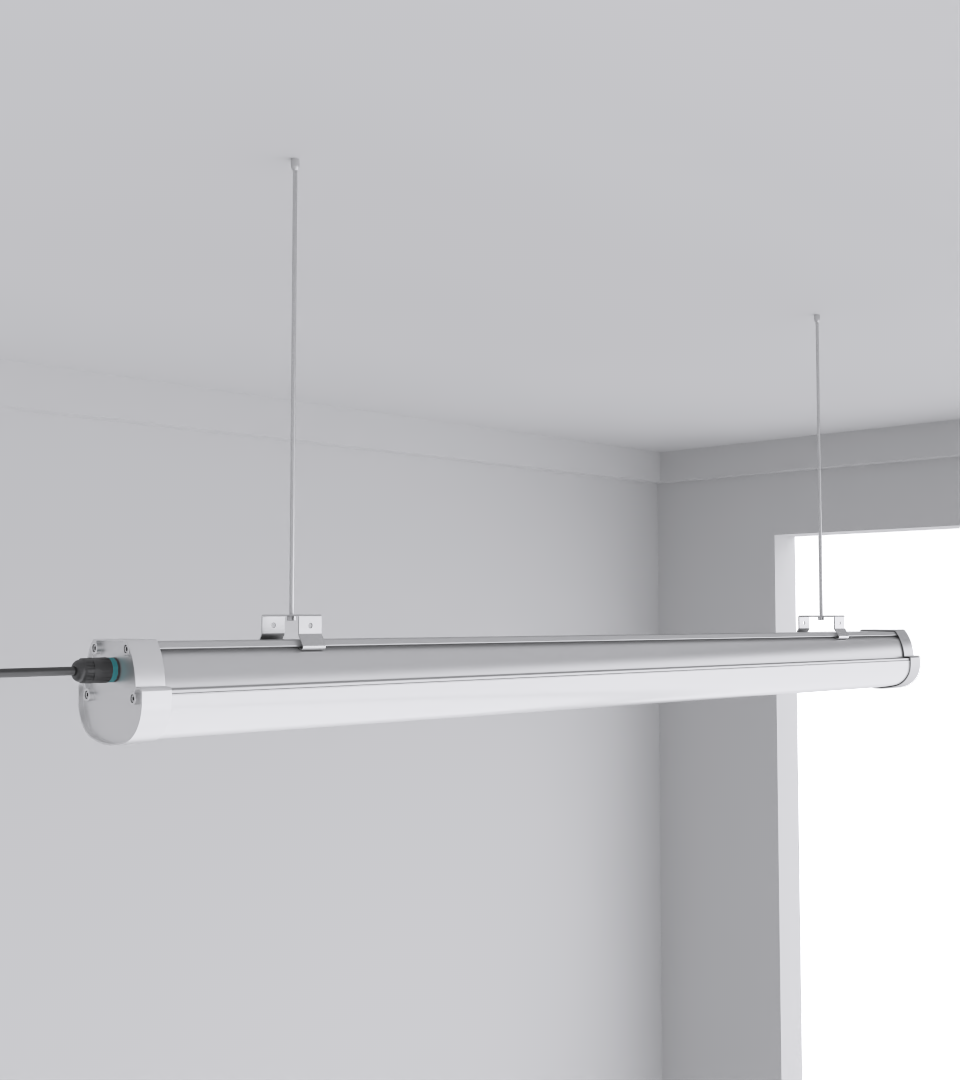
- Integration: Retro-fitting older infrastructures may require some adjustments, such as new fixtures or wiring. However, modern LED batten lights can be easily integrated into most data center setups.
- Training: Staff may need training to operate new smart lighting systems. However, once set up, these systems are relatively low-maintenance.
7. Future Trends in Data Center Lighting
As technology advances, new lighting solutions continue to emerge. Some future trends in data center lighting include:
- IoT Integration: Data centers will increasingly use the Internet of Things (IoT) to manage lighting systems more effectively, adjusting light levels based on server usage and occupancy.
- Adaptive Lighting: Dynamic lighting systems, which adjust based on the time of day or current activities, are expected to improve further. These systems not only optimize energy use but also enhance user comfort.
8. Conclusion
LED lighting is a crucial component of modern data centers, improving server accessibility and operational efficiency. By providing optimal lighting, reducing heat, and lowering maintenance costs, LED lighting plays a significant role in creating safer and more efficient data center environments.
Data centers looking to stay ahead of the curve should consider integrating LED lighting solutions to boost productivity, reduce energy costs, and improve server uptime.
Frequently Asked Questions (FAQ)
- How does LED lighting impact energy costs in data centers? LED lighting reduces energy consumption by up to 70% compared to traditional lighting systems, leading to significant savings on electricity bills.
- Can LED lighting improve server cooling efficiency? Yes, LED lights emit less heat than traditional lights, helping reduce the overall temperature in server rooms, which lowers cooling costs.
- What are the main benefits of motion sensor LED lights in data centers? Motion sensors ensure that lights are only on when needed, optimizing energy use and improving cost efficiency without compromising on visibility.
- How long do LED lights last in data centers? LED lights typically last between 50,000 to 100,000 hours, reducing the need for frequent replacements and minimizing downtime.
- Are there any disadvantages to using LED lighting in data centers? The main disadvantage is the initial installation cost, but the long-term savings in energy and maintenance typically offset this investment.