
LED Failover Systems in Data Centers: Design Requirements, Redundancy Strategies, and Compliance Standards
- What is LED Failover and Why Is It Critical?
- Core Components of a Failover System
- Standards Compliance for Data Center Lighting Redundancy
- Failover Design Strategy: Tiered Architecture
- Intelligent Controls and Automation
- Operations and Testing
- Comparing LED Failover Products
- Implementation Roadmap
- Frequently Asked Questions (FAQ)
Key Takeaways
| Feature or Topic | Summary |
|---|---|
| Failover Definition | Automatic lighting backup switch when power or circuit fails |
| Why It Matters | Supports data center uptime, safety, and SLA compliance |
| Core Components | Dual wiring, ATS, smart sensors, LED driver redundancy |
| Standards to Follow | TIA-942-C, NFPA 101, ISO 50001, Uptime Institute Tier Framework |
| Best Practice | Use intelligent zoning and distributed failover planning |
| Recommended Products | Squarebeam Elite for high-temp zones, Quattro Triproof Batten for rugged environments |
| Implementation Roadmap | Assess > Design > Install > Commission > Maintain |
| Common Pitfall | Underestimating ATS switching speed or backup runtime |
1. What is LED Failover and Why Is It Critical?
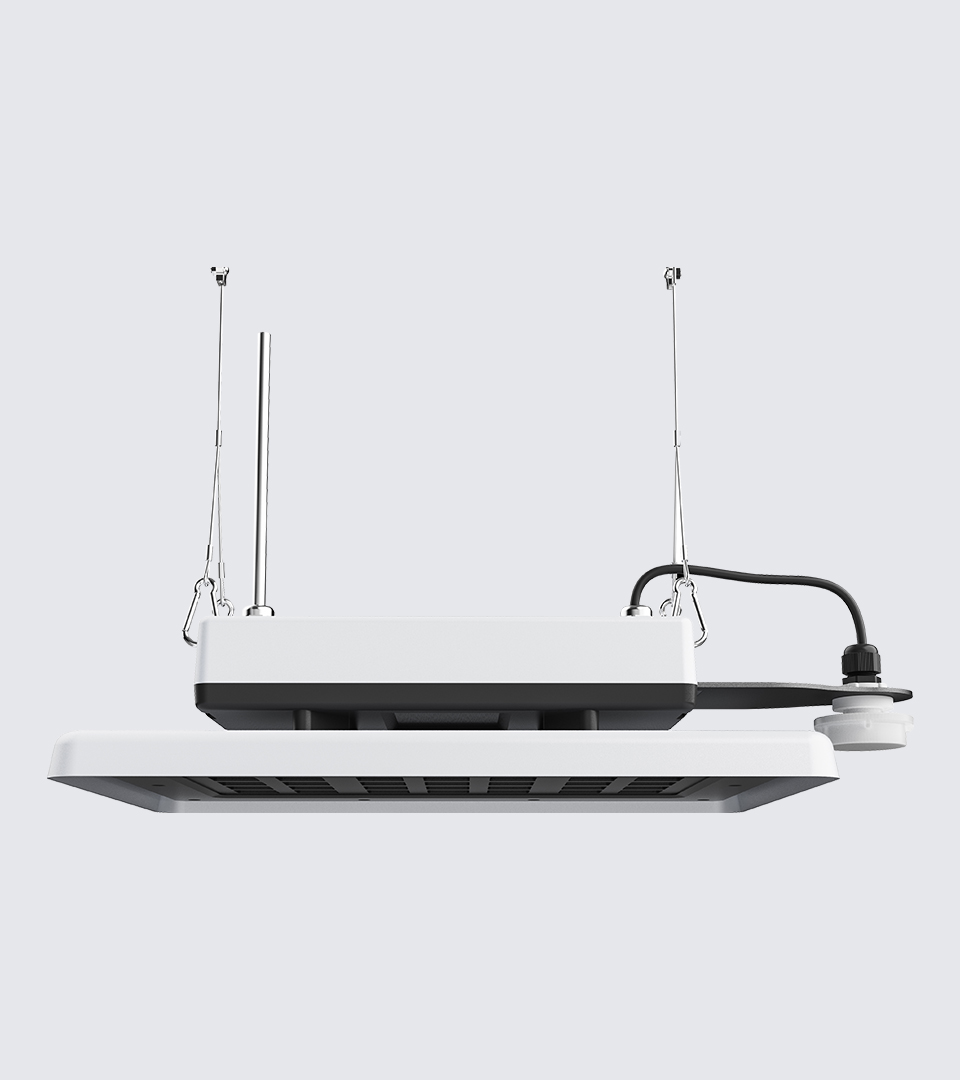
LED failover refers to the automatic activation of backup lighting in the event of a power circuit failure. In data centers, this isn’t a bonus—it’s essential.
- Keeps pathways and hot aisles lit during power interruptions
- Ensures compliance with life-safety codes
- Minimizes downtime from lighting blackouts during maintenance
- Supports SLAs that mandate uninterrupted operation
2. Core Components of a Failover System
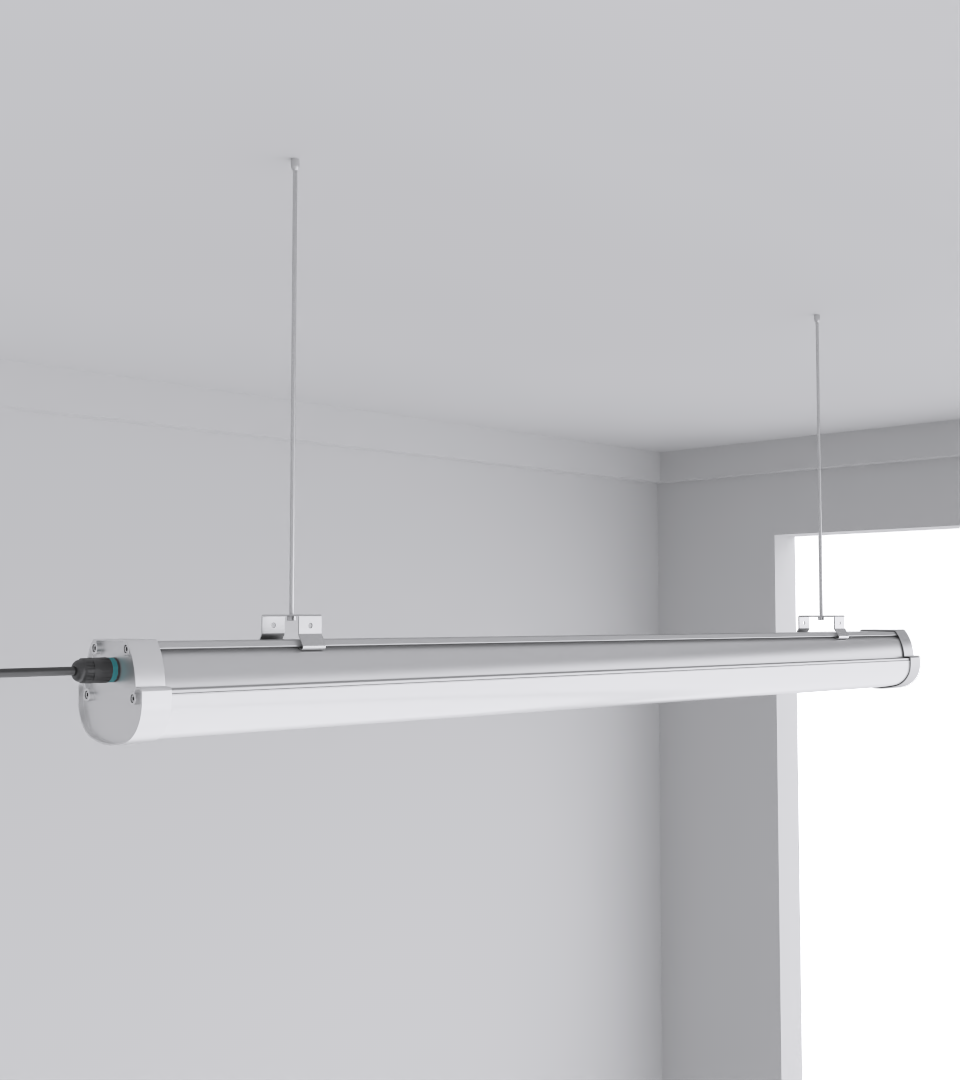
- Dual-circuit LED drivers per fixture
- Automatic Transfer Switches (ATS) to swap power sources
- Uninterruptible Power Supply (UPS) or generator for backup energy
- Smart zoning: prioritizing hot aisles, BMS areas, entryways
- Segmentation logic to prevent full blackout scenarios
3. Standards Compliance for Data Center Lighting Redundancy
- TIA-942-C: Dual-path lighting for Tier III and Tier IV
- NFPA 101 / NEC 700-701: Egress and emergency lighting
- Uptime Institute: Lighting is part of concurrent maintainability
4. Failover Design Strategy: Tiered Architecture

- Zone identification by priority level
- Group fixtures by redundancy: N, N+1, 2N
- Keep control wiring physically separate
5. Intelligent Controls and Automation
- Motion sensors for usage-based activation
- Auto-off timers for non-essential areas
- Alerts sent via BMS or DCIM platforms
- Manual test buttons for verification
6. Operations and Testing
- Quarterly transfer simulations
- Monitor UPS handling time
- Track failover logs for power event patterns
7. Comparing LED Failover Products
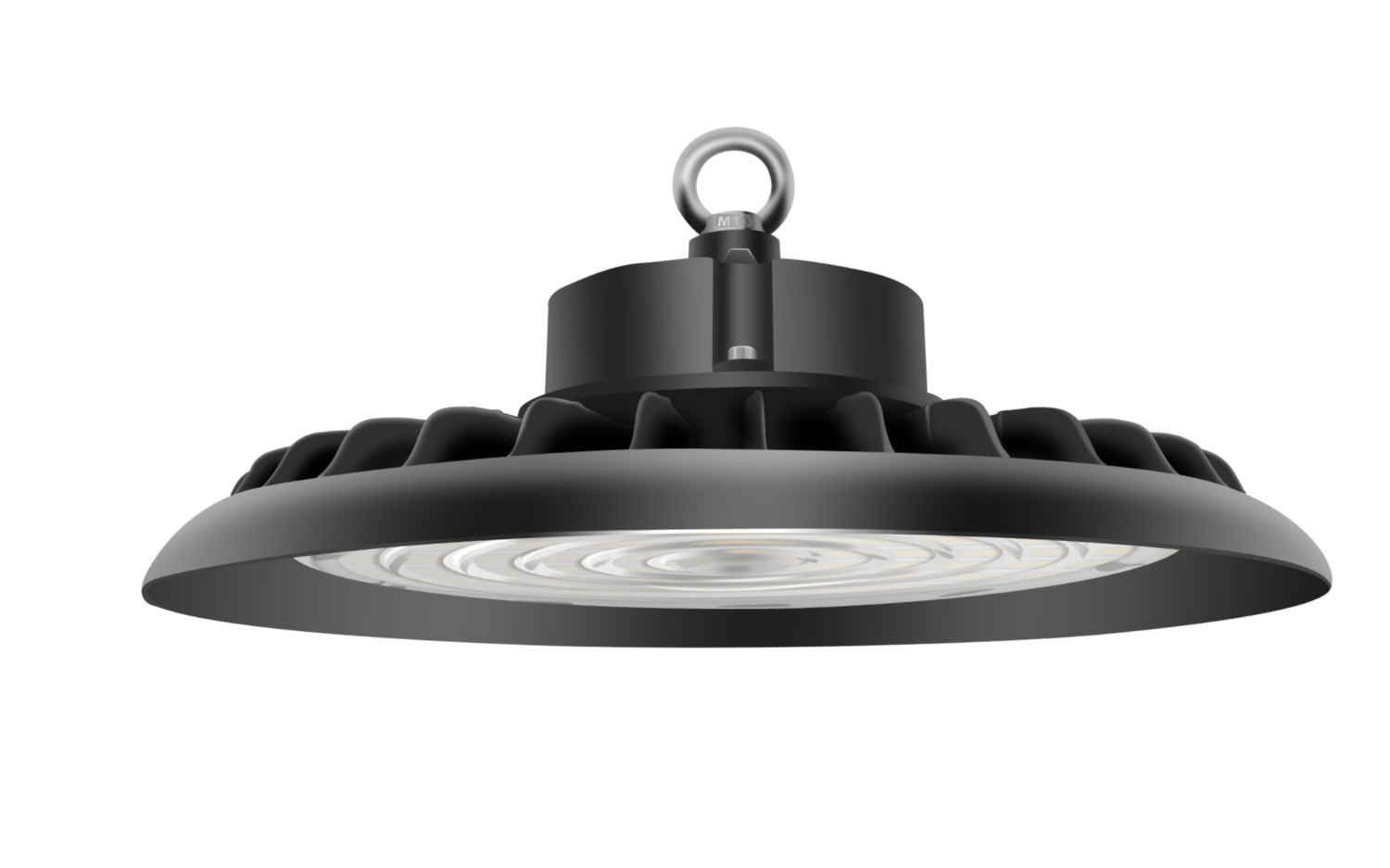
| Product | Use Case | Redundancy | Temperature |
|---|---|---|---|
| Squarebeam Elite | Hot aisles, server access | Dual driver + ATS | High (40°C+) |
| Quattro Triproof | Loading bays, corridors | Single w/ sensor backup | Moderate |
| Budget High Bay | General warehouse | Single circuit | Standard |
8. Implementation Roadmap
- Survey high-risk blackout areas
- Balance loads across dual wiring
- Choose resilient lighting models
- Define a rigorous failover testing protocol
- Commission and train staff on response
Frequently Asked Questions (FAQ)
What is LED failover in a data center? It’s a backup lighting system that switches on automatically if main power fails.
Do all LED fixtures support dual-circuit failover? No, you need purpose-built fixtures like Squarebeam Elite.
How fast should failover activate? Ideally under 2 seconds to maintain visibility and compliance.
Is retrofit possible? Yes. Contact CAE Lighting for site-specific solutions.
Does failover lighting increase energy use? Only minimally, especially if zones are smart-controlled.
Is it required by code? For Tier III/IV or under NFPA/NEC, yes. For others, highly recommended.