
Deploying LED Monitoring Systems in Data Centers: Sensor Integration, PUE Reduction, and Real-Time Control
Key Takeaways
| Feature or Topic | Summary |
|---|---|
| Integration Benefits | Energy savings, streamlined operations, enhanced monitoring, and predictive maintenance. |
| Key Protocols | BACnet, Modbus, SNMP ensure interoperability. |
| Implementation Strategies | Assess existing infrastructure, select compatible systems, phased deployment recommended. |
| Operational Advantages | Reduced downtime, improved safety, occupant comfort, and significant sustainability contributions. |
Introduction
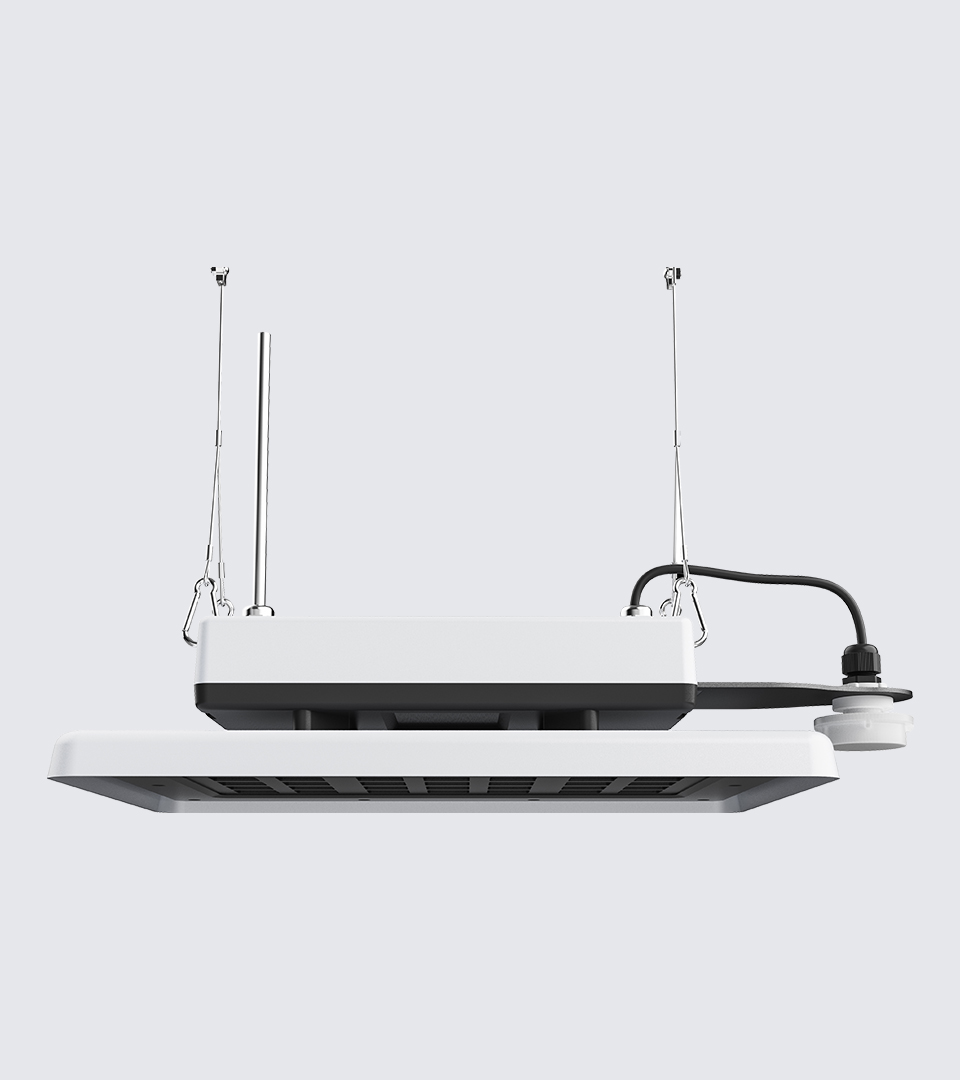
LED monitoring systems in data centers refer to lighting setups that go beyond illumination—they sense, report, and integrate. CAE Lighting, for instance, develops sensor-enabled luminaires that interface with software platforms like DCIM and SNMP. In a high-stakes environment like a data center, lighting does more than shine: it protects, reports, and saves.
What Is an LED-Based Monitoring System?
An LED monitoring system typically combines:
- LED light fixtures (often with motion, temperature, or humidity sensors built-in)
- Control systems (PoE, 0–10V, Zigbee, or Bluetooth Mesh)
- Monitoring dashboards integrated with platforms like Sunbird DCIM
This setup allows for:
- Auto-dimming and on/off based on occupancy
- Reporting on lumen degradation and environment changes
- Alerts triggered by sensor thresholds
Why Data Centers Need LED + Monitoring
- Lower PUE: Smart lighting reduces heat, easing HVAC strain
- Security: Motion-activated lighting doubles as an access alert
- Maintenance: Predictive replacement alerts for failing LEDs

Key Benefits (with Data & Benchmarks)
- Energy Efficiency: Up to 60% reduction vs. fluorescent lighting
- Cooling Efficiency: 2–3°C lower inlet temperatures
- Lifespan: 50,000+ hour LED life = fewer disruptions
- Security: Real-time occupancy alerts
- Compliance: Supports ASHRAE, ISO standards
Core Components Deep Dive
| Component | Description |
|---|---|
| LED Fixture | Luminaires with onboard sensors and dimming capabilities |
| Controller | Manages input from sensors, enables PoE or Zigbee communications |
| Software | Web-based or local dashboards with alarm and data logging |
| Protocols | SNMP, BACnet, Modbus for BMS integration |
Technical Metrics & KPI Setup
- PUE: Use sensors to feed real-time data to DCIM
- Lux Levels: Maintain required brightness with minimal power
- Alert Thresholds: E.g., temp >28°C or wattage spikes >5%
- Lumen Output: Track degradation over time via built-in diagnostics

Implementation Strategy
- Audit light points, cabinet layout, airflow
- Choose smart fixtures like from CAE Lighting
- Ensure SNMP/BACnet support for DCIM integration
- Pilot test a zone before full rollout
- Track ROI in 90–180 day intervals
Vendor & Product Comparison
| Vendor | Fixture | Sensor Type | Protocols | Price Range |
|---|---|---|---|---|
| CAE Lighting | Squarebeam Elite | Motion + Temp | SNMP, BACnet | $$ |
| Cooper Lighting | Metalux Industrial | Motion + Daylight | BACnet | $$$ |
| Lantana LED | EdgeLight Series | Temp + Humidity | SNMP, Modbus | $$ |
| Signify | Interact Pro | Occupancy Only | Zigbee | $$$$ |
Frequently Asked Questions
Q1: How much energy can LED lighting save in a data center?
Up to 60% compared to legacy fluorescent systems.
Q2: What is the typical ROI timeline for an LED monitoring system?
Between 18 to 24 months, depending on facility size and cooling efficiency.
Q3: Are these systems compatible with existing DCIM platforms?
Yes, most LED systems from CAE and others support SNMP, BACnet, or Modbus for seamless integration.
Q4: Can smart lighting help with data center security?
Yes, motion-activated systems log access activity and trigger alerts.
Q5: Which CAE products are best suited for data centers?
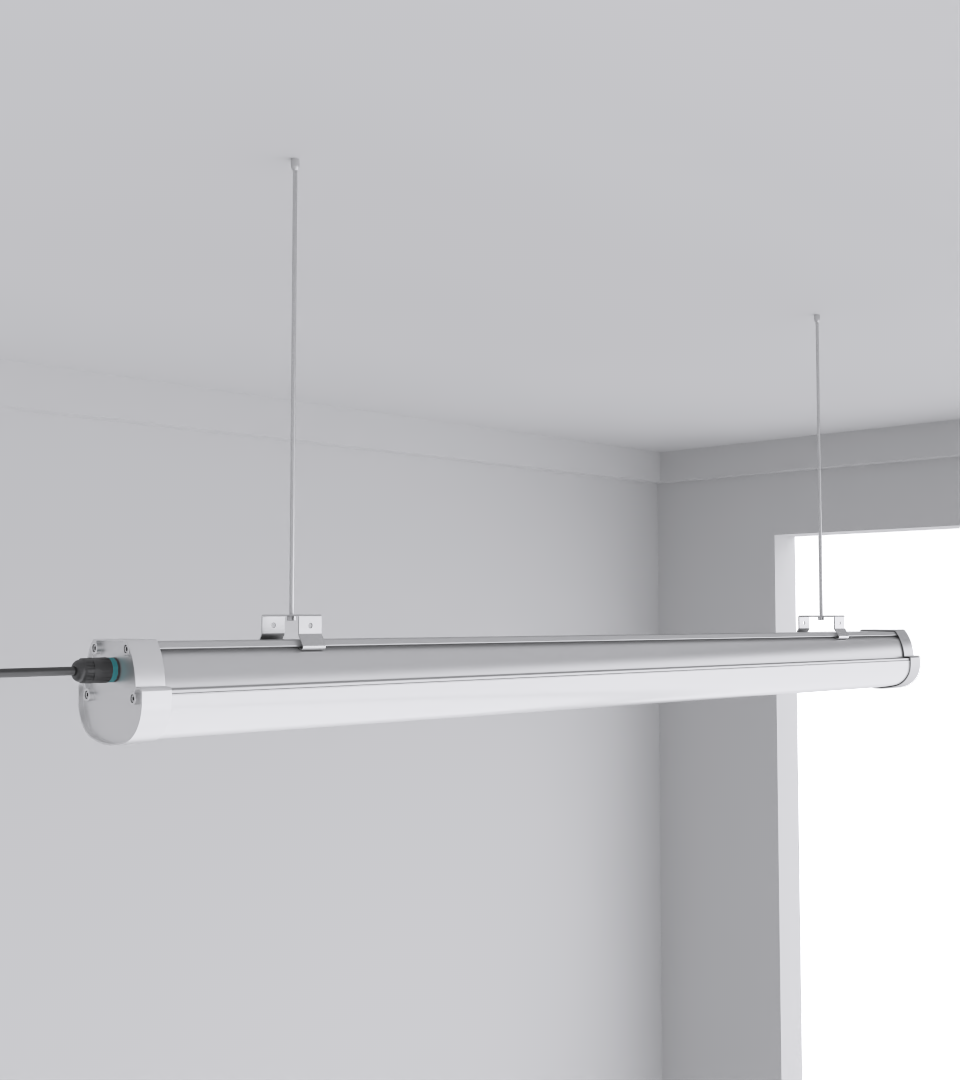
Squarebeam Elite and Quattro Triproof Batten are both optimized for high-performance environments.
Contact CAE Lighting for project consultations or to request samples