Automated Lighting in Data Centers: Protocols, Sensor Strategies, and PUE Optimization
- What Is Automated Lighting in Data Centers?
- Why Lighting Automation Matters in Data Centers
- Energy Load: Lighting’s Share and Efficiency
- Protocols and Integration: DALI, DSI, DCIM
- Fixture Types: Battens, Bays, and Why It Matters
- Sensor Technologies: Motion, Light, Thermal
- ROI and Sustainability Certifications
- What to Do Next: Vendor Selection & Commissioning
- Frequently Asked Questions (FAQ)
Key Takeaways
| Question | Answer |
|---|---|
| What is automated lighting in data centers? | A lighting system using sensors, timers, and protocols to control illumination dynamically |
| Why does it matter? | Improves energy efficiency, PUE, uptime, and safety in 24/7 environments |
| What are the top technologies? | LED battens, motion sensors, DALI/DALI-2, BAS integration, daylight harvesting |
| What’s the ROI like? | 12–36 months payback typical; long-term maintenance and energy savings follow |
| Who uses it? | Data centers, colocation facilities, edge computing hubs, hyperscale operators |
What Is Automated Lighting in Data Centers?
Automated lighting in data centers refers to systems that adjust illumination based on occupancy, time schedules, and integrated software protocols. Unlike manual systems or basic timers, these setups use intelligent controls like motion sensors, DALI networks, or even Building Automation Systems (BAS) to fine-tune lighting levels.
- Occupancy-based dimming
- Daylight harvesting in areas with skylights or windows
- Integration with facility management dashboards
Why Lighting Automation Matters in Data Centers
Lighting in data centers isn’t just for visibility — it directly impacts thermal management and energy metrics like PUE (Power Usage Effectiveness).
- Poorly managed lighting contributes to unnecessary heat load
- Proper systems reduce fixture runtime, increasing lifespan
- Helps meet environmental certifications like LEED
In a retrofit of a facility in Klang, Malaysia, CAE Lighting reduced runtime per fixture by 56% using PIR motion sensors and daylight-response automation.
Energy Load: Lighting’s Share and Efficiency
In traditional data centers, lighting may only account for 3–6% of total energy use, but every percent counts when margins are tight.
| Energy Component | Approximate % of Total Use |
|---|---|
| Cooling Systems | 35–50% |
| Server Loads | 30–40% |
| Lighting | 3–6% |
Protocols and Integration: DALI, DSI, DCIM
Modern lighting setups aren’t standalone anymore. Integration with Data Center Infrastructure Management (DCIM) systems or BAS allows for:
- Centralized control
- Real-time energy monitoring
- Alert management in critical zones
| Protocol | Used For | Feature |
|---|---|---|
| DALI | Zoned digital dimming | Scalable & programmable |
| DSI | Serial interface, older systems | Simpler but limited |
| DMX/RDM | Advanced theatrical-level control | Often overkill for data use |

Fixture Types: Battens, Bays, and Why It Matters
Not all LEDs are equal. The choice of fixture type directly affects lux levels, heat dispersion, and even employee fatigue.
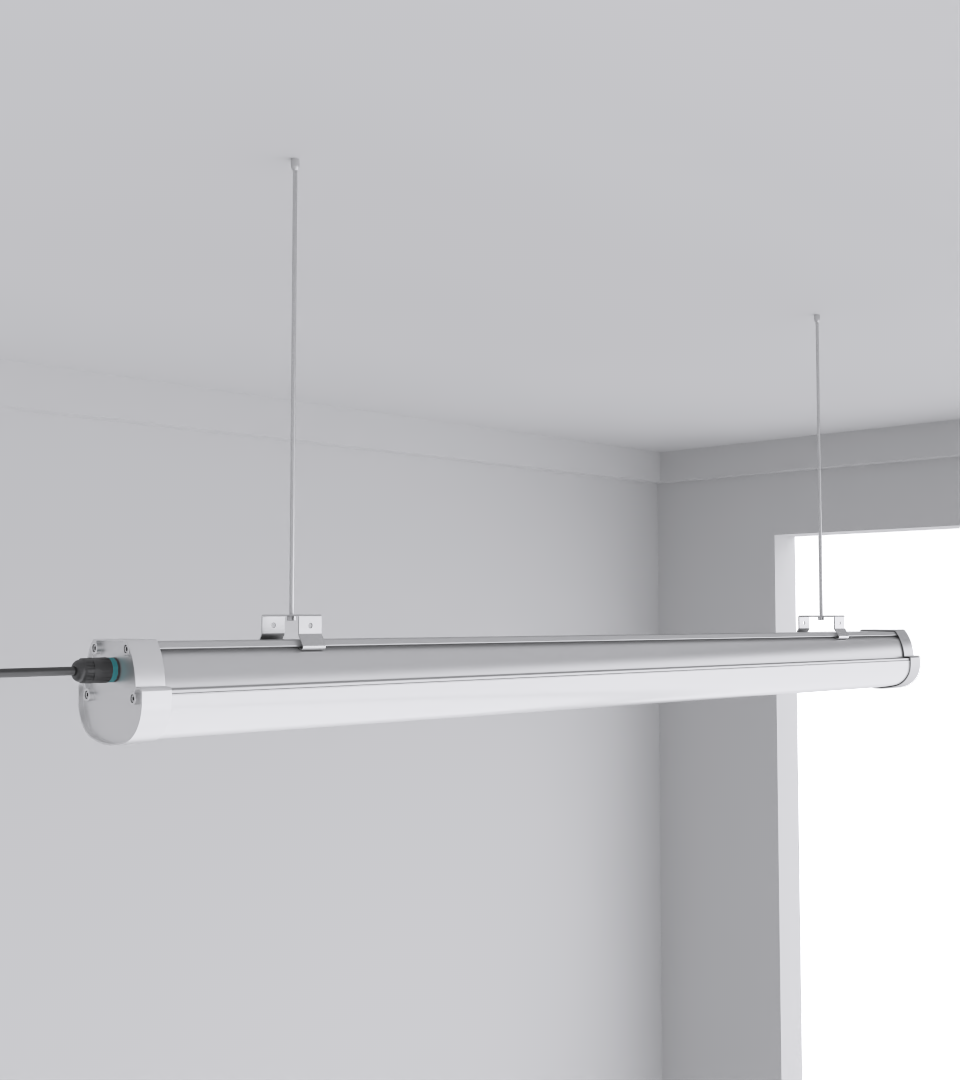
- Linear battens: Best for low-clearance spaces
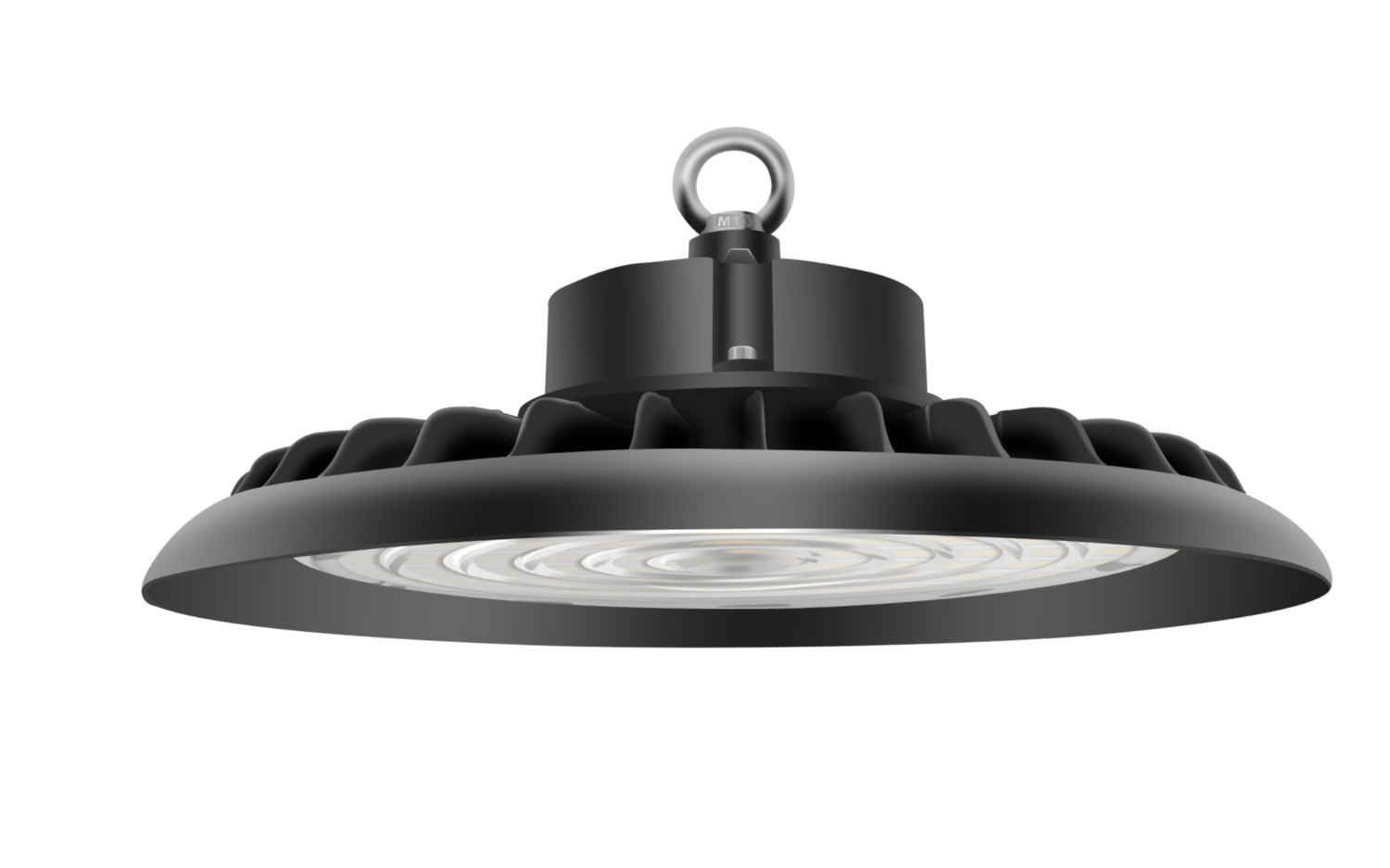
- High bays: Effective in tall rack areas and cold aisles
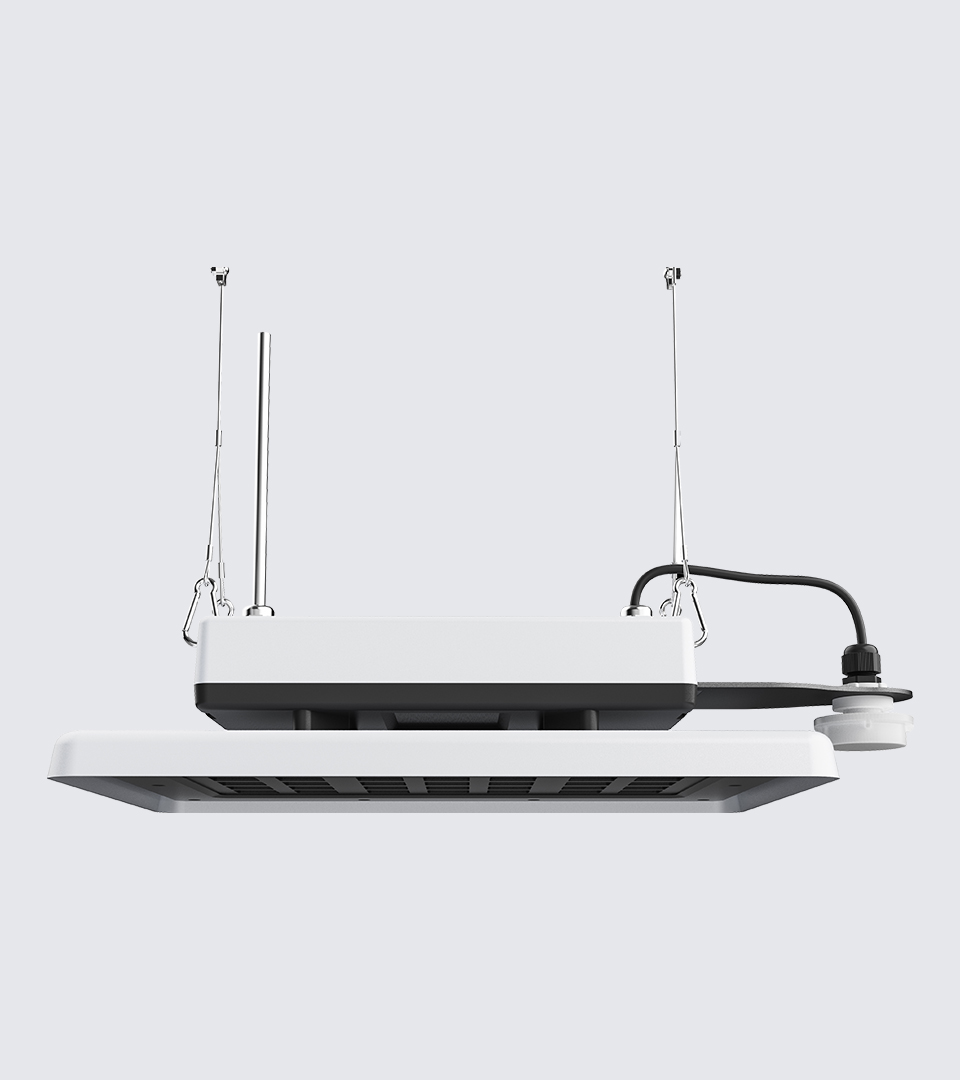
- Triproof lights: Ideal for IP65+ requirements, water/dust resistance

Sensor Technologies: Motion, Light, Thermal
Choosing the right sensor mix is critical in data center environments. Over-specification or using the wrong sensor types often leads to wasted energy and false triggers.
- Passive Infrared (PIR): Detects motion using heat signatures; ideal for open areas and corridors.
- Ultrasonic: Emits sound waves; better for enclosed rack rows or where motion is less predictable.
- Photocells: Sense ambient light levels; ideal for supplementing daylight harvesting or fine-tuned dimming.
In a deployment by CAE Lighting in Johor, Malaysia, mixing PIR and photocell sensors resulted in a better energy-to-performance ratio than full-sensor grid installations.
ROI and Sustainability Certifications
Return on investment (ROI) for automated lighting in data centers typically ranges from 12 to 36 months, depending on facility size and sensor density. Beyond cost savings, these systems support broader sustainability goals:
- Longer LED lifespans reduce e-waste and maintenance frequency.
- Lower heat output helps reduce cooling loads.
- Automation aligns with international green building standards.
| Certification | Relevant Benefit |
|---|---|
| LEED | Supports energy optimization and innovation credits. |
| ISO 14001 | Framework for environmental management systems. |
| ISO 50001 | Energy management system guidance. |
What to Do Next: Vendor Selection & Commissioning
When selecting a lighting automation vendor for your data center, prioritize practical, field-tested experience over marketing claims. Key vendor traits to look for:
- Proven in-house engineering support (e.g., CAE Lighting).
- DALI or D4i-certified products for compatibility and scalability.
- Transparent project references or case studies with documented results.
Commissioning should include:
- Lighting simulation: Validate lux levels pre- and post-installation.
- Sensor testing: Ensure calibration based on room layout and obstruction zones.
- Redundancy checks: Confirm operation during emergency and fail-safe conditions.
For more implementation guidance, see CAE Lighting’s full Data Center Lighting Solutions Guide.
Frequently Asked Questions (FAQ)
- What is automated lighting in data centers?
Lighting systems that automatically adjust based on occupancy, time schedules, or environmental data to reduce energy usage and improve visibility. - How much energy can it save?
Typically between 30% to 60% over static LED systems, depending on sensor deployment and usage hours. - Is DALI better than DSI?
Yes. DALI provides two-way communication, advanced zoning, and future scalability. DSI is simpler and mostly used in legacy systems. - What are the best fixtures for high-heat data center environments?
Squarebeam Elite and Quattro Triproof Batten are designed to withstand elevated temperatures without degrading performance. - Which certifications should I consider for lighting automation?
Look for LEED, ISO 14001, and ISO 50001 compatibility to align with international energy and sustainability benchmarks.