
Occupancy Sensors in Data Centers: Reduce PUE, Improve Cooling Efficiency, and Automate Compliance
- Why Occupancy Sensors Are Crucial in Data Centers
- Energy Efficiency, Cooling Gains & ROI Metrics
- Integration with BMS & Smart Infrastructure
- Compliance & Risk Reduction
- Sensor Technologies Explained (PIR, Camera, Hybrid)
- Installation Strategy: Where Sensors Actually Go
- Scaling Smart Sensing Across Multi-Tenant Facilities
- Future-Proofing with Edge Analytics & AI
- Frequently Asked Questions (FAQ)
Key Takeaways
| Feature or Topic | Summary |
|---|---|
| Energy Savings | Occupancy-based control of lighting and HVAC can reduce energy use by 30–50% in some zones. |
| Improved Uptime | Real-time sensor data helps identify undercooled/hot zones before critical thresholds are crossed. |
| Regulatory Compliance | Supports documentation for ASHRAE TC9.9, TIA-942, and ISO standards. |
| Cost Efficiency | Decreased OPEX via automated HVAC and lighting control, reduced maintenance and fewer breakdowns. |
1. Why Occupancy Sensors Are Crucial in Data Centers
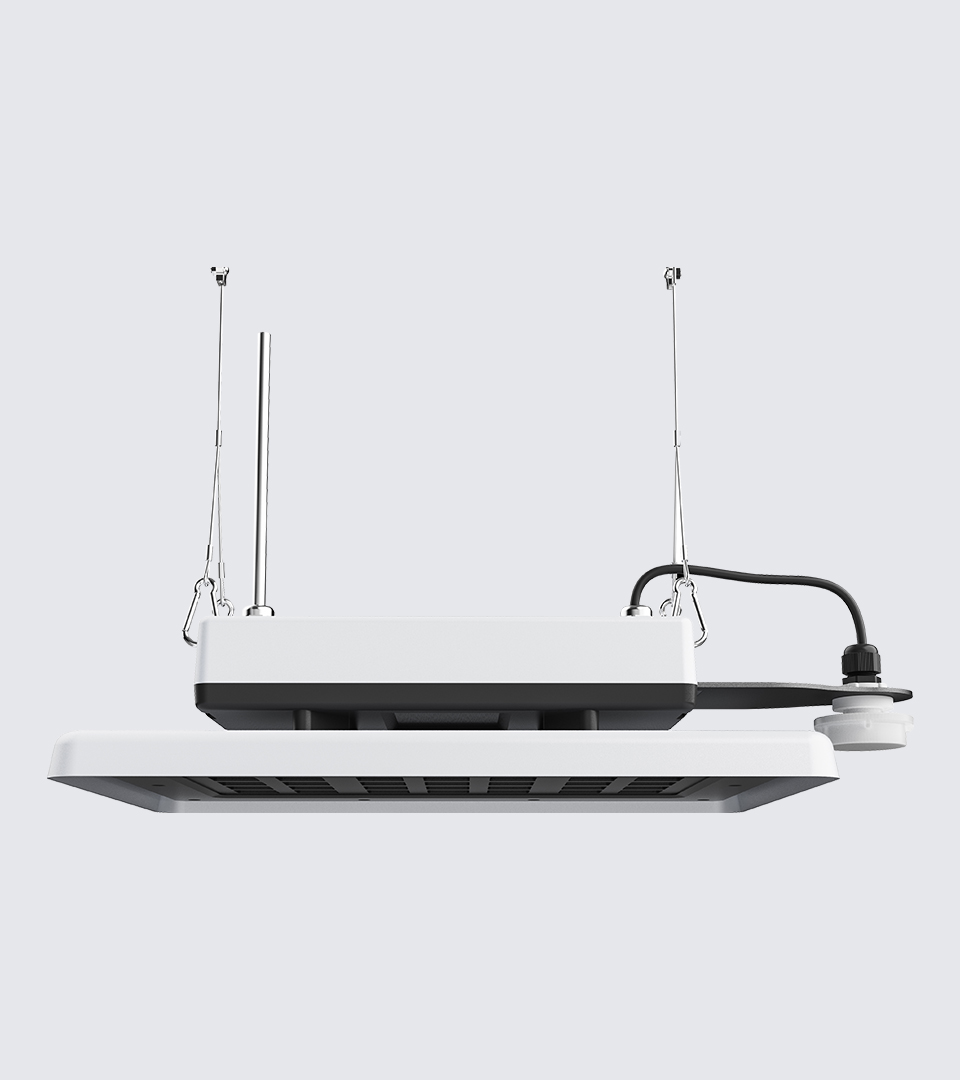
Data centers don’t sleep — but their lighting and cooling systems shouldn’t be running at full tilt 24/7 either. This is where occupancy sensors come in.
- In rack aisles that are only entered intermittently, sensors cut lighting load dramatically
- HVAC zones adjust airflow and cooling based on actual presence, not assumed occupancy
- Helps achieve lower Power Usage Effectiveness (PUE), a key KPI for efficiency
A recent rollout using CAE Lighting’s SquareBeam Elite fixtures with integrated occupancy sensing reduced lighting energy by over 40% in unoccupied server rooms.
2. Energy Efficiency, Cooling Gains & ROI Metrics

Savings are measurable:
- Lighting: Occupancy sensors switch off lights in idle zones
- HVAC: Demand-Controlled Ventilation (DCV) adjusts airflow based on headcount
| System | Range | Notes |
|---|---|---|
| Lighting | 30–60% | Depending on traffic and access hours |
| Cooling (HVAC) | 10–25% | Requires integration with DCIM/BMS |
3. Integration with BMS & Smart Infrastructure
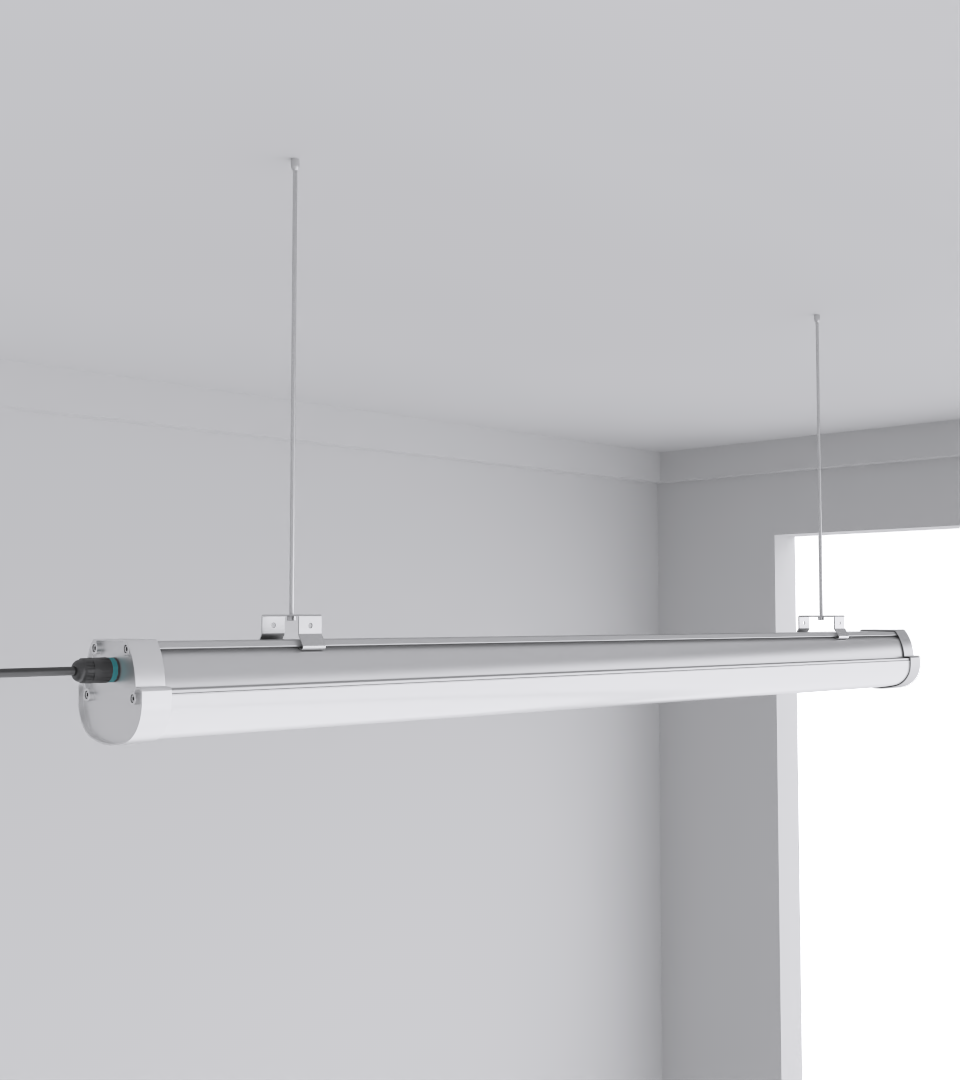
Modern data centers rely on Building Management Systems (BMS) or Data Center Infrastructure Management (DCIM) platforms. Occupancy sensors feed these systems with real-time usage data.
- Connects via BACnet, Modbus, MQTT, or REST APIs
- Enables control over lighting, HVAC, and even pressure and humidity systems
CAE Lighting’s Quattro Triproof Batten is rated IP66 and ideal for sensor-enabled setups in high-humidity corridors.
4. Compliance & Risk Reduction

Facility managers are under pressure to meet:
- ASHRAE TC 9.9: Thermal guidelines for data centers
- TIA-942: Standard for data center infrastructure
- ISO 14001: Environmental Management System compliance
Occupancy data supports documentation, audits, and real-time tracking of system loads and failures.
5. Sensor Technologies Explained (PIR, Camera, Hybrid)
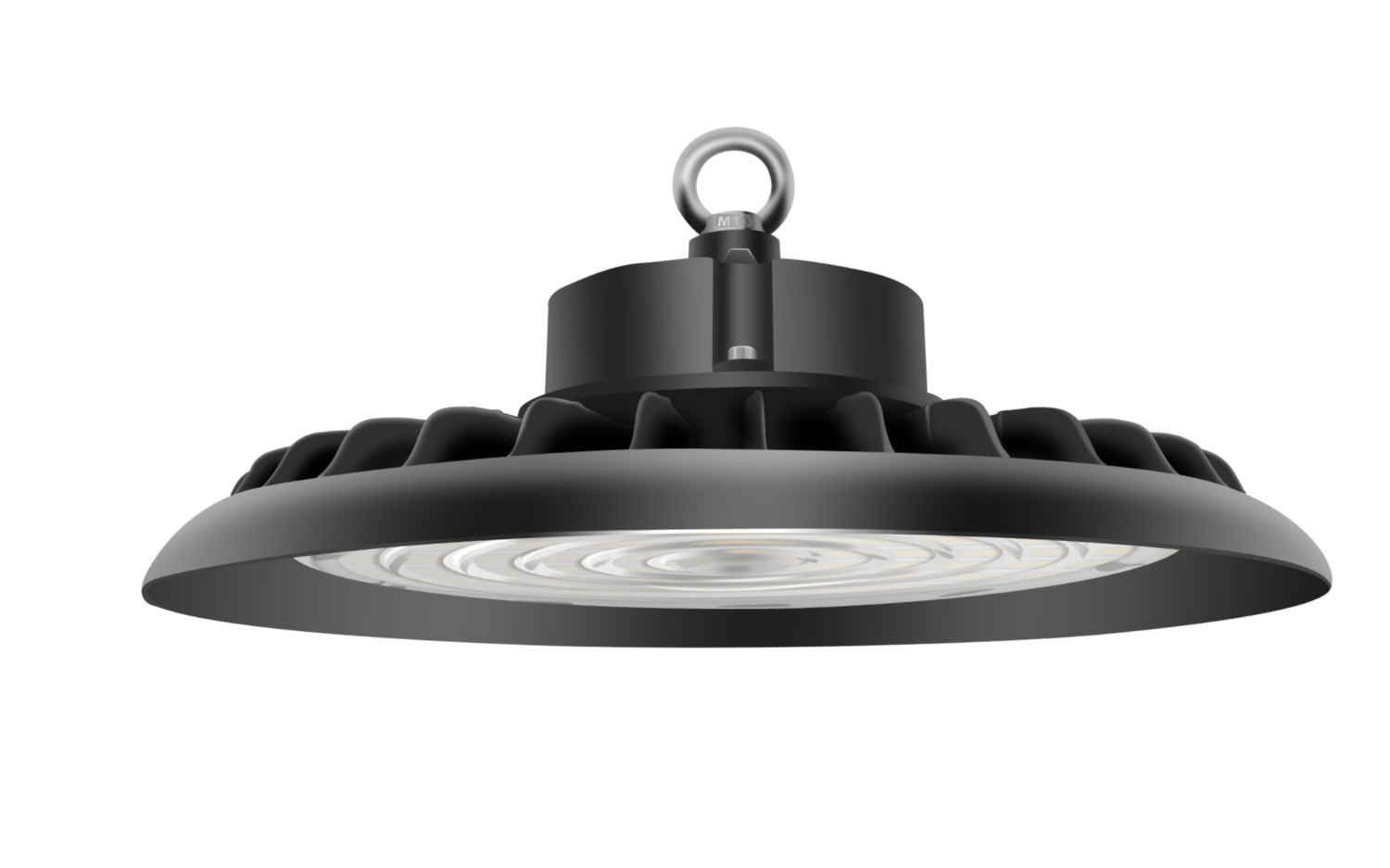
Different sensor types serve different functions:
- PIR (Passive Infrared): Best for static monitoring
- Ultrasonic: Penetrates partitions
- Thermal/Camera: Highly accurate, but higher cost
6. Installation Strategy: Where Sensors Actually Go
Optimal placement zones:
- Entry/exit zones – always-on
- Cold aisle – PIR preferred
- Hot aisle – thermal preferred
Note: Avoid HVAC vents and clean lenses quarterly.
7. Scaling Smart Sensing Across Multi-Tenant Facilities
For large-scale data centers:
- Thousands of sensor endpoints
- Each must be uniquely addressed (MAC, BACnet ID)
- Firmware must support OTA updates
CAE sensors are deployed across a 3,500+ node system in Johor with real-time DCIM feedback.
8. Future-Proofing with Edge Analytics & AI
Sensors are evolving with AI and edge logic:
- Detect typical vs abnormal presence
- Operate independently of DCIM
- Fuse multiple inputs (motion, CO2, thermal)
Frequently Asked Questions (FAQ)
- Q: Do occupancy sensors interfere with cooling?
A: No, they help optimize it by triggering demand-based cooling. - Q: Are they accurate enough?
A: Yes, especially when using hybrid sensors in hot/cold aisle layouts. - Q: What’s the ROI?
A: Typically 12–24 months depending on scale and system integration. - Q: Which sensor is best for racks?
A: PIR for cold aisles, thermal or hybrid for turbulent hot zones. - Q: Can they handle dust-heavy environments?
A: Yes, with IP66-rated models and maintenance protocols.