Adaptive Lighting Algorithms in Data Centers: Real-Time Control Systems for Lower PUE and Safer Environments
- What Are Adaptive Lighting Algorithms and Why They Matter in Data Centers
- Energy Metrics: How Adaptive Systems Directly Improve PUE
- Algorithmic Models That Power Intelligent Lighting
- Edge vs Cloud: Where the Computation Happens
- Implementation Workflow: Real Steps with Real Data
- Case Study: CAE Lighting in Malaysian Data Centers
- Safety, Visibility and Emergency Modes
- Frequently Asked Questions (FAQ)
Key Takeaways
| Feature or Topic | Summary |
|---|---|
| What are adaptive lighting algorithms? | Real-time systems that adjust light output based on occupancy, time, and visibility needs in data centers |
| Why use them in data centers? | Reduced energy costs, improved safety, better compliance with industry lighting standards |
| What tech is involved? | Sensor networks, dimmable LEDs, fuzzy logic, reinforcement learning, edge/cloud computing |
| How do they improve PUE? | By minimizing overlighting and unnecessary usage, reducing overall power consumption |
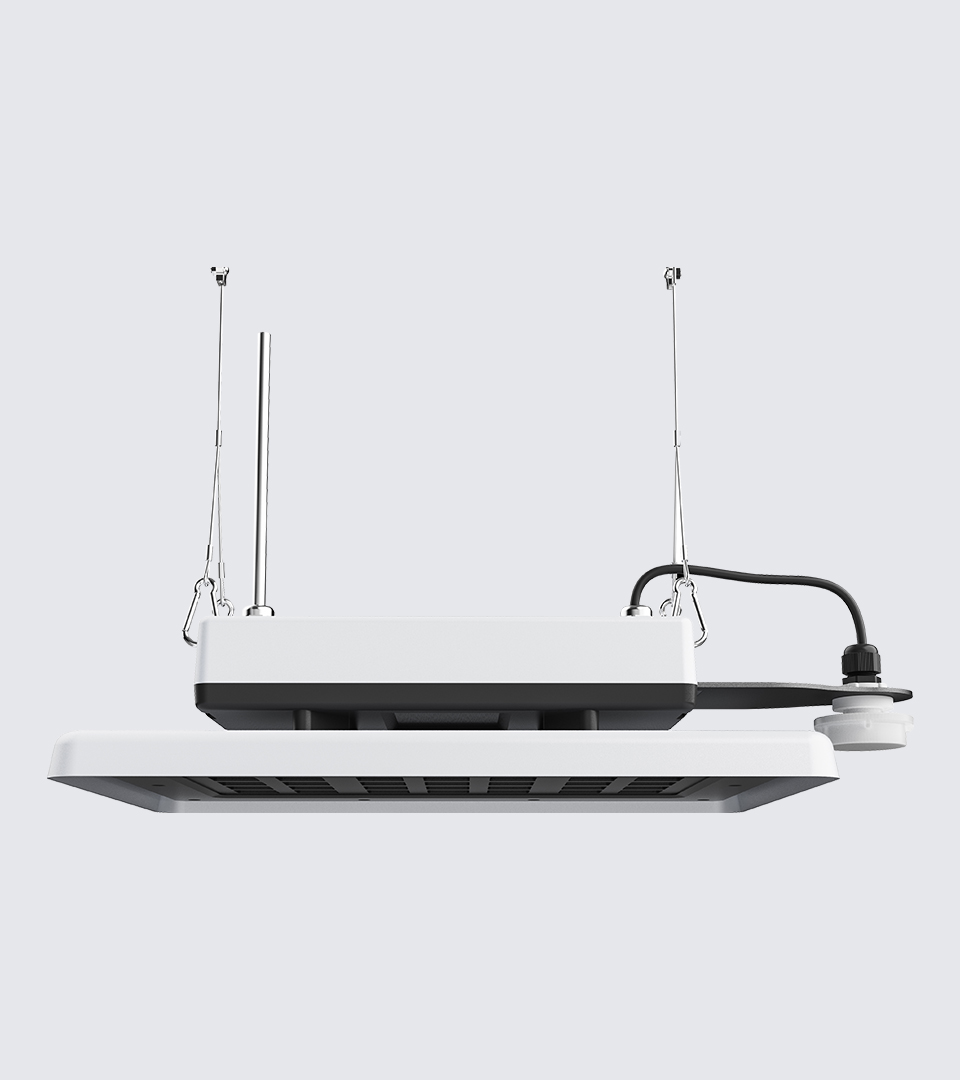
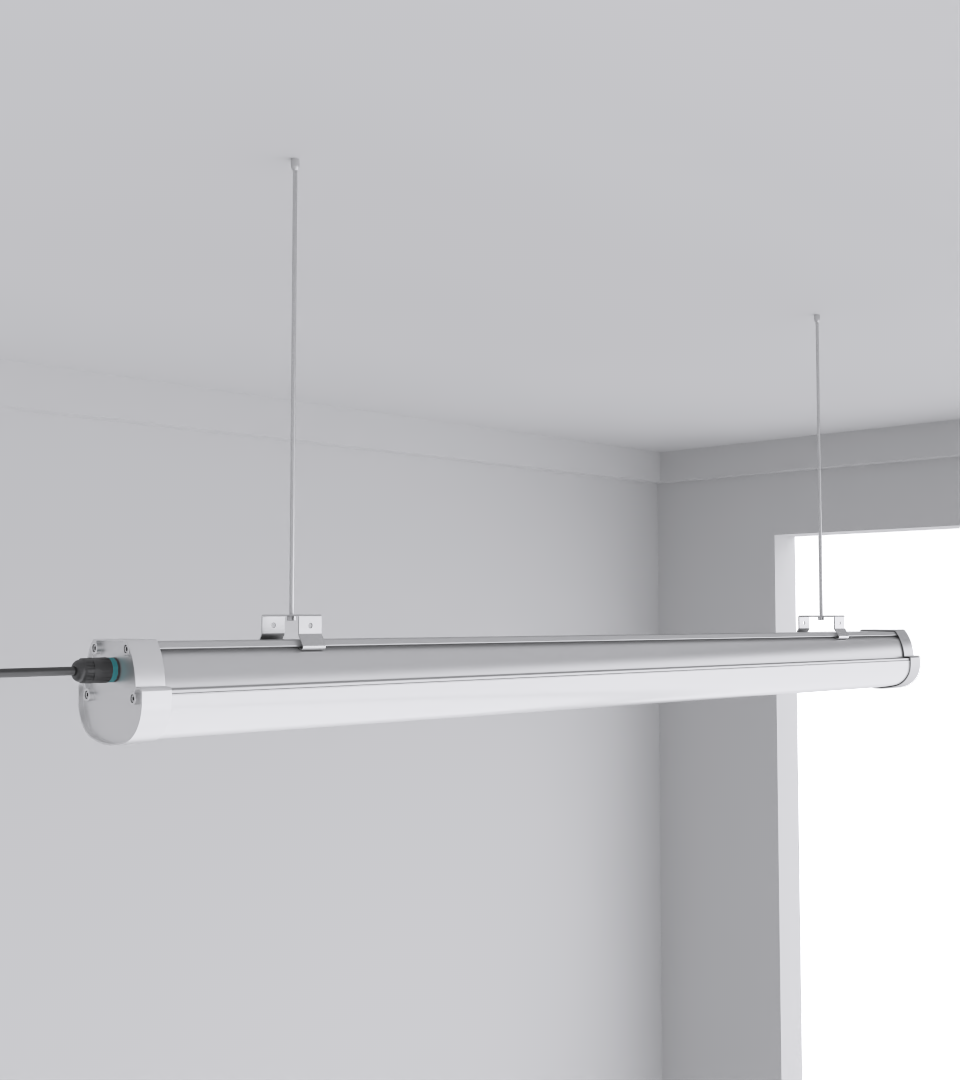
| Top products? | Squarebeam Elite, Quattro Triproof Batten from CAE Lighting |
What Are Adaptive Lighting Algorithms and Why They Matter in Data Centers
Adaptive lighting algorithms are intelligent systems that control luminaires based on dynamic inputs like occupancy, ambient brightness, and operational schedules. In data centers, these systems are increasingly being implemented to control costs, ensure safety, and comply with both energy and visibility regulations.
- These systems rely on sensors that detect motion, light levels, and temperature.
- Algorithms like fuzzy logic, Kalman filtering, or reinforcement learning then determine the optimal brightness in real time.
- They help avoid overlighting unused corridors or racks.
Energy Metrics: How Adaptive Systems Directly Improve PUE
Power Usage Effectiveness (PUE) is a key metric in data center efficiency. Lighting—often a minor contributor—becomes significant when scaled across hundreds of thousands of square feet.
| Metric | Traditional LED | Adaptive System |
|---|---|---|
| Annual Lighting Energy (kWh) | 110,000 | 56,000 |
| Avg. Lux in Aisles | 380 | 360 (adaptive zones) |
| Motion Sensor Integration | No | Yes |
| PUE Contribution | ~0.07 | ~0.03 |
Algorithmic Models That Power Intelligent Lighting
- Fuzzy Logic – Works with simple IF-THEN rules. Easy to implement, ideal for occupancy-based dimming.
- Reinforcement Learning (RL) – Adapts over time; learns from reward/punishment signals to optimize brightness for safety and energy.
- Kalman Filter / Strong-Tracking Filter – Filters out noise in real-time sensor data. Used in environments with fluctuating movement or cooling airflow interference.
- Mesopic Vision Models – Adjust lighting levels for visibility under semi-dark conditions, improving contrast in low light.
Edge vs Cloud: Where the Computation Happens
Depending on latency and security needs, adaptive lighting systems may run their decision-making processes at the edge (on-site devices) or in the cloud.
- Edge Computing Pros: Low latency, offline capable, secure. Essential for emergency lighting.
- Cloud Control Pros: Easier to update and monitor. Better for global management.

Implementation Workflow: Real Steps with Real Data
- Audit current lighting system (lux levels, occupancy rate, energy draw)
- Choose algorithm that fits your operation
- Model zones in simulation tools like Relux or Dialux
- Pilot install in 1–2 zones with full sensor feedback
- Evaluate KPIs – energy savings, false trigger rates, comfort feedback

Case Study: CAE Lighting in Malaysian Data Centers
- 52% drop in lighting power use
- 23% increase in technician satisfaction
- Emergency egress lighting functional during grid test
See full project: CAE Lighting’s Data Center Lighting Guide
Safety, Visibility and Emergency Modes
- Minimum Lux in Tech Areas: 300–500 lux
- Emergency Mode: 90-minute failover required
- Color Rendering: CRI 80+ for maintenance clarity
Frequently Asked Questions (FAQ)
Q: Can adaptive lighting systems interfere with data equipment?
A: No, CAE systems are EMI-shielded and tested for use around sensitive IT gear.
Q: How often do sensors need calibration?
A: Typically every 18–24 months.
Q: What’s the most efficient algorithm?
A: Reinforcement Learning long-term, Fuzzy Logic short-term.
Q: What if the system fails?
A: Backup circuits ensure emergency lighting stays on for 90+ minutes as required.