
Advanced Scheduling Systems for Data Center Lighting: Integration, Controls, and ROI
–
- What Is a Lighting Scheduling System in a Data Center?
- Why Scheduling Matters: Energy, Uptime & Compliance
- Types of Scheduling Controls
- Zone Mapping in Data Centers: Cold Aisles, Corridors & Edge
- Integration with BMS and DCIM Platforms
- Common Implementation Mistakes to Avoid
- Monitoring Results: ROI, Energy Savings, Feedback
- Procurement, Rollout & What to Do Next
- Frequently Asked Questions (FAQ)
Key Takeaways
| Feature or Topic | Summary |
|---|---|
| Integration Benefits | Energy savings, streamlined operations, enhanced monitoring, and predictive maintenance. |
| Key Protocols | BACnet, Modbus, SNMP ensure interoperability. |
| Implementation Strategies | Assess existing infrastructure, select compatible systems, phased deployment recommended. |
| Operational Advantages | Reduced downtime, improved safety, occupant comfort, and significant sustainability contributions. |
1. What Is a Lighting Scheduling System in a Data Center?
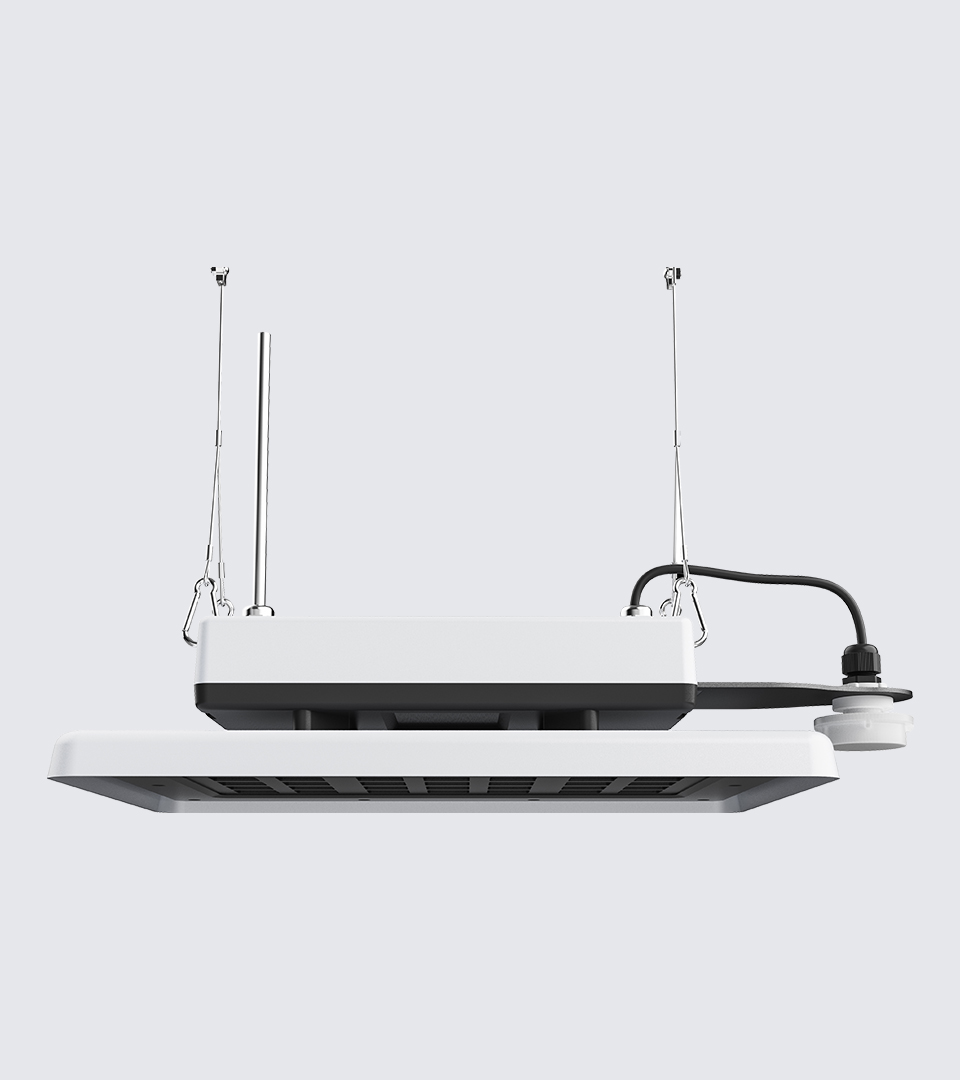
A lighting scheduling system automates how and when lights operate within a facility. In data centers, where uptime and energy efficiency are essential, automated lighting reduces operational waste and enhances control.
- Example: Motion-triggered lights in low-traffic zones reduce hours of unnecessary illumination.
- Time-based: Lights activate during defined operating hours.
- Zone-specific: Separate cold/hot aisle logic or emergency areas.
2. Why Scheduling Matters: Energy, Uptime & Compliance
- Energy Cost: Up to 38% savings reported in CAE Lighting’s Malaysia retrofit.
- Cooling Load: Less heat from lighting reduces HVAC burden.
- Safety: Emergency lighting logic integrates with system power failovers.
- Compliance: Building code often mandates scheduled dimming or override functions.

3. Types of Scheduling Controls
| Control Type | Description |
|---|---|
| Time-based | Daily, weekly, or holiday-based schedules using wall clocks or system clocks |
| Occupancy Sensor | Uses motion sensors (PIR or ultrasonic) to trigger lights |
| Daylight Harvesting | Adjusts lighting based on ambient light levels |
| Zone Scheduling | Maps and separates zones with unique scheduling needs |
| Emergency Override | Maintains lighting in critical paths during outage |
4. Zone Mapping in Data Centers: Cold Aisles, Corridors & Edge
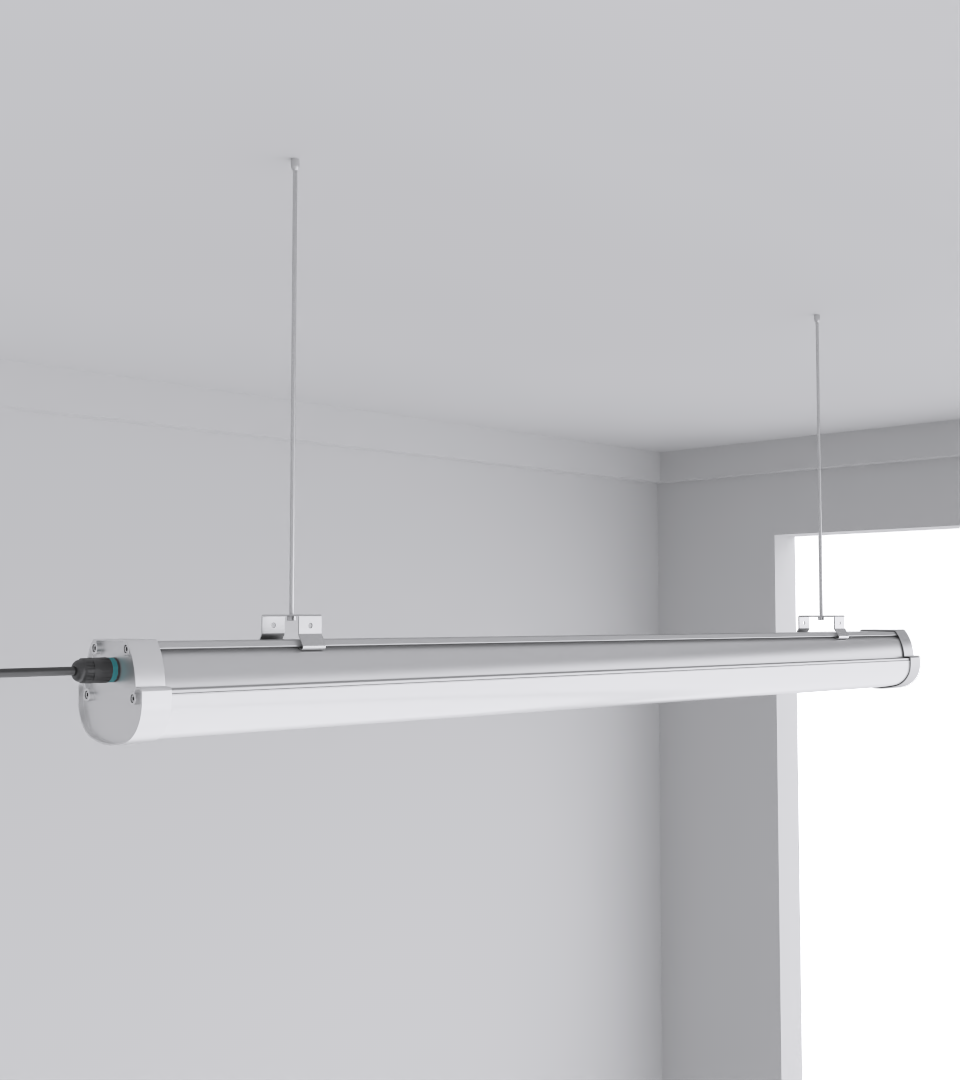
- Cold Aisles: Scheduled low-lumen output to support cooling.
- Corridors: Motion-activated or time-triggered for walkways.
- Security Zones: Constant low light for CCTV.
- Edge Areas: Manual override zones for maintenance.
5. Integration with BMS and DCIM Platforms
- BMS: Centralized lighting plus HVAC control
- DCIM: Tracks real-time occupancy, schedules alerts
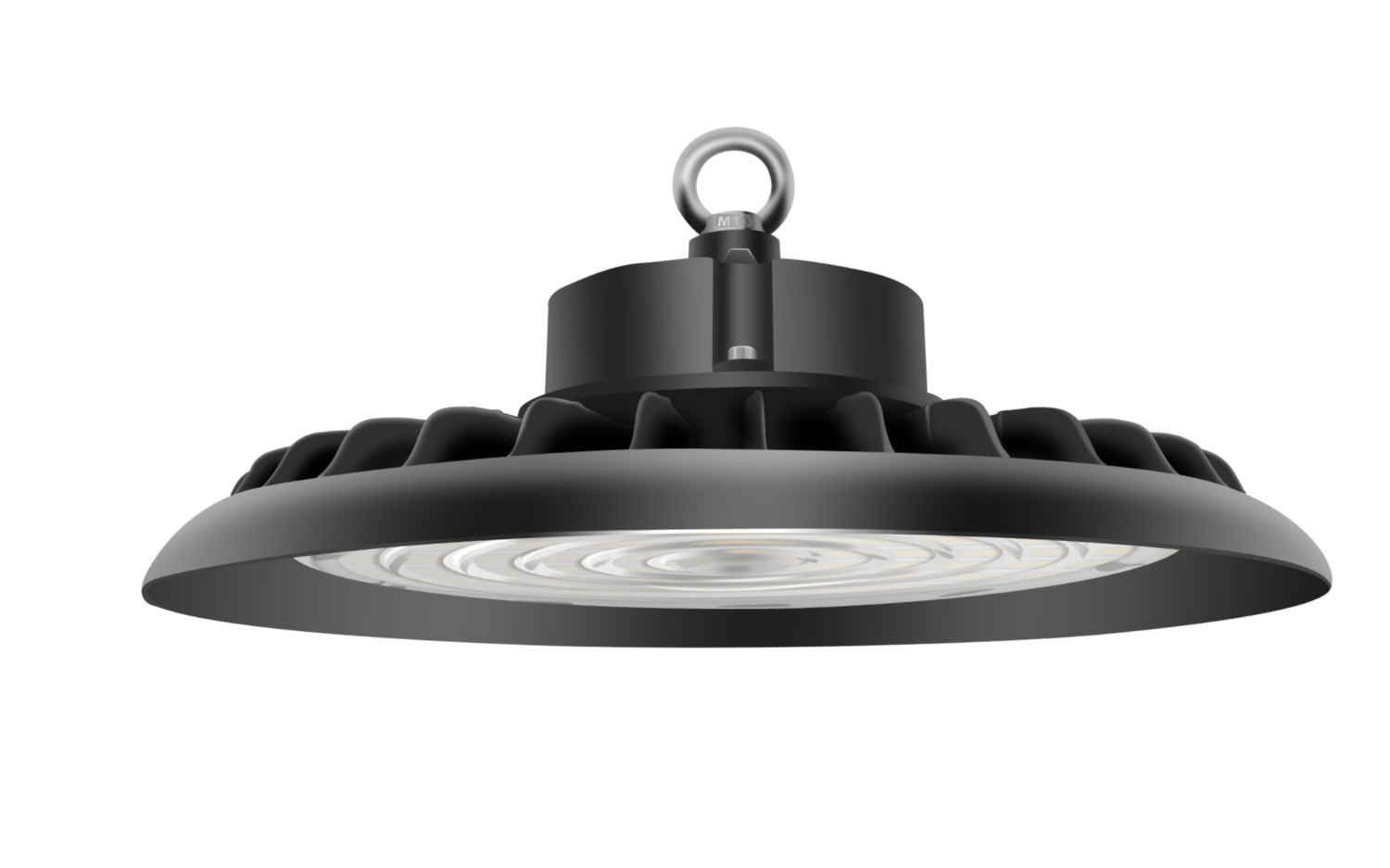
- Smart Modules: Zigbee/Casambi compatibility for remote management

6. Common Implementation Mistakes to Avoid
- No occupancy profiling — sensors wrongly placed
- Flat scheduling across all zones — inefficient
- Manual override conflicts — lighting remains active unnecessarily
7. Monitoring Results: ROI, Energy Savings, Feedback
| Metric | Method |
|---|---|
| kWh per zone | Compare pre/post install |
| Sensor trigger counts | Diagnose over-activation |
| Lumen depreciation | Plan reconfiguration or relamping |
| Occupancy heatmaps | Tune schedules based on traffic |
8. Procurement, Rollout & What to Do Next
- Start with an audit: Map current lighting usage by zone
- Select hardware: Choose sensor-equipped luminaires
- Define scheduling logic: Include overrides, seasons, and fail-safes
- Pilot test 1–2 zones
- Review and optimize: Adjust based on real data
- Scale up: Use centralized control and remote management
Frequently Asked Questions (FAQ)
What is a data center lighting schedule?
It’s a pre-defined control plan that turns lights on/off or dims them based on time, occupancy, daylight, or emergencies.
How much can you save?
Typical range is 25–40%, depending on baseline usage and how optimized the zones and sensors are.
Can you use sensors in cold aisles?
Yes. Just ensure the sensor tech is resistant to temperature fluctuation and false triggers.
What if staff override the system?
Include timed manual overrides and audit logs to reset defaults after short periods.
Should all zones follow the same schedule?
No. Separate logic for critical, public, and edge zones yields the best efficiency and safety balance.