
Motion-Triggered Lighting in Data Centers: Sensor Selection, TIA-942-A Compliance, and Real-World Deployment Strategies
Key Takeaways
| Feature or Topic | Summary |
|---|---|
| Energy Efficiency | Cuts lighting energy by up to 75% in rarely accessed zones |
| Security Integration | Works with CCTV and alarms for intruder visibility |
| Sensor Variety | PIR, ultrasonic, microwave, and AI-based sensors offer deployment range |
| ROI Timeline | Payback possible within 12–24 months depending on scale |
What Motion-Triggered Lighting Means for Data Center Environments
In a facility where uptime is king and kilowatts are cash, even lighting has to earn its keep. Motion-triggered lighting in data centers isn’t about making a space look good. It’s about eliminating unnecessary usage while supporting staff workflows and security operations.
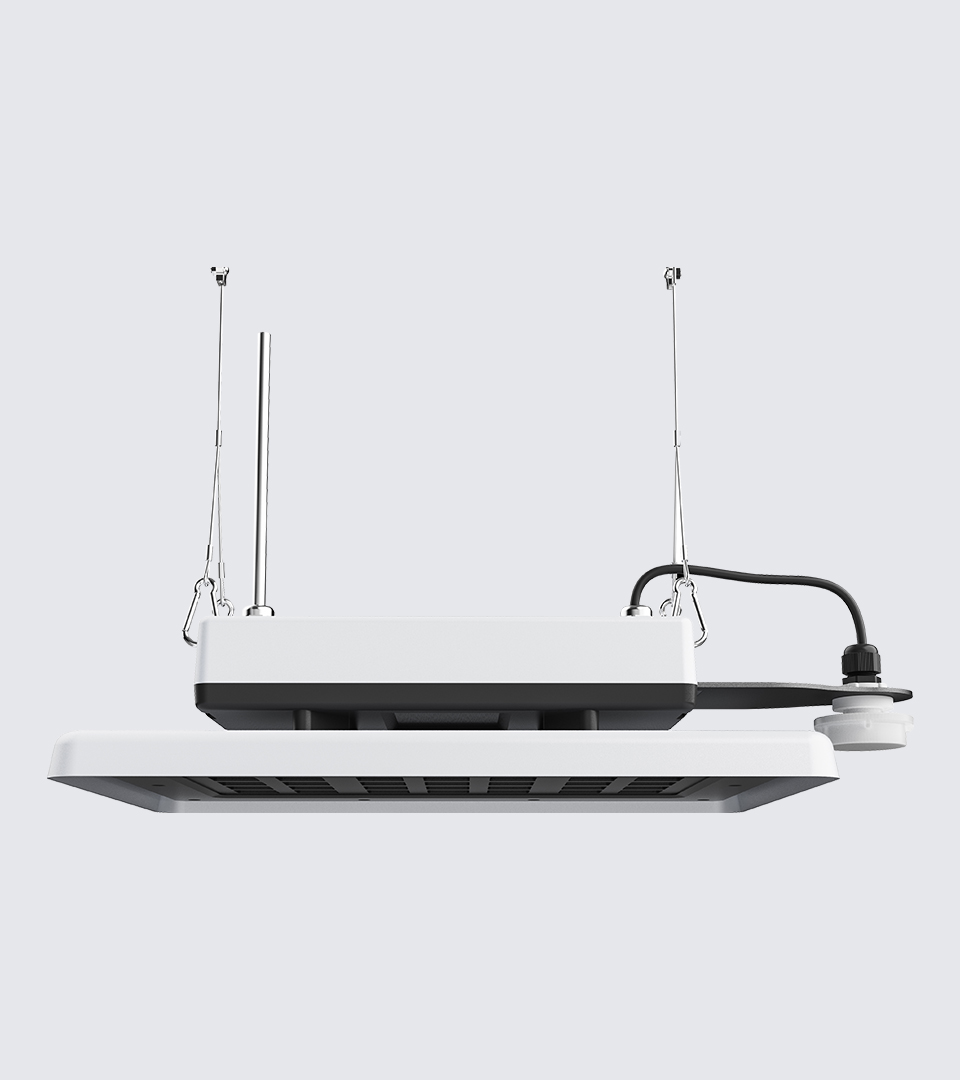
Why Motion-Controlled Lighting Is Crucial in Data Centers
- Data centers often operate “lights-out” to reduce HVAC load and power draw
- Constant illumination isn’t necessary in most zones (e.g. back-of-house, cable trays)
- Motion sensors enable dynamic activation — saving power without impacting usability
- Supports uptime goals by reducing thermal burden on HVAC systems
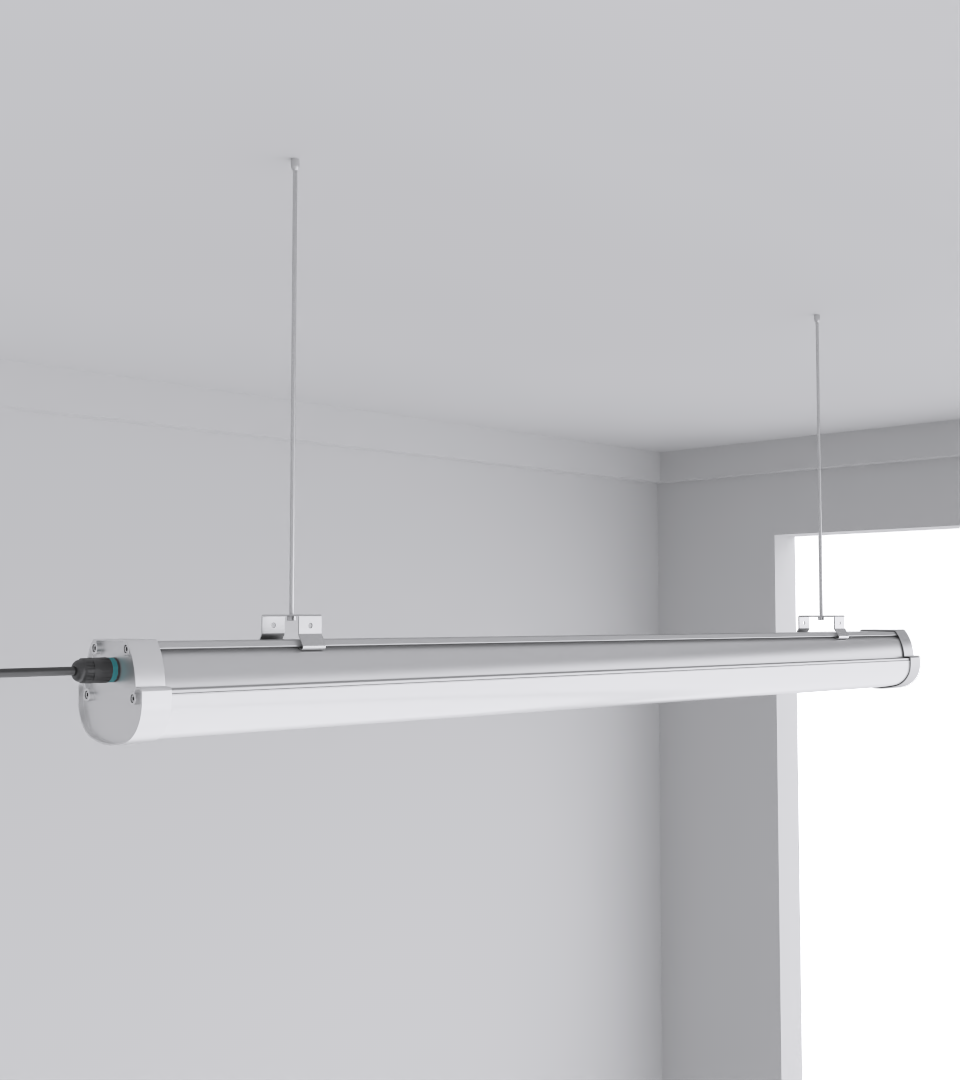
Tiered Lighting Compliance: TIA-942-A Lux Requirements
| Tier | Use Case | Illuminance (lux) |
|---|---|---|
| 1 | Background illumination | ~100 |
| 2 | Active zone navigation | ~200 |
| 3 | Task lighting/work zones | ~500 |
Understanding Sensor Types: Which One Actually Works?
| Sensor Type | Strengths | Weaknesses |
|---|---|---|
| PIR (Infrared) | Low cost, reliable in line-of-sight | Struggles with heat interference |
| Ultrasonic | Good for enclosed aisles | False positives from airflow |
| Microwave | Penetrates barriers, sensitive | Can trigger through walls |
| Camera-based AI | Best accuracy, advanced logic | High cost, privacy concerns |
Control Mechanisms: PoE, BMS & Direct Control
- PoE (Power over Ethernet): Enables full networked control and analytics
- Building Management Systems (BMS): Centralizes light and HVAC response
- Manual override: For critical maintenance zones

Real-World Scenario: Rack-Level Follow-Me Lighting
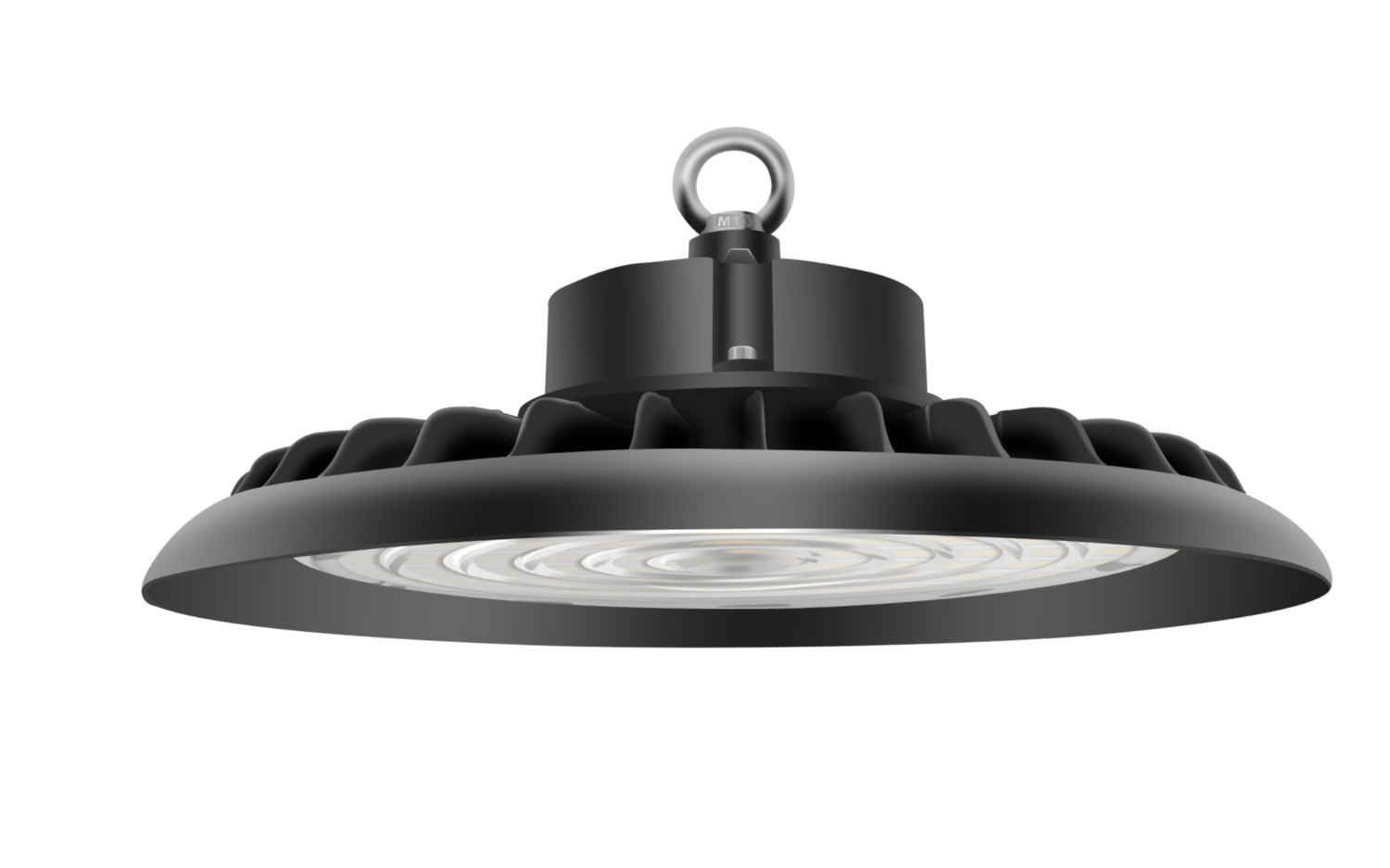
We implemented a follow-me lighting grid at a Tier 3 facility in Malaysia using CAE’s high bay and linear battens with staggered sensors.
- Activated light 1m ahead of personnel movement
- Maintained 30s fade-out delay
- Dropped energy usage by 64% month-over-month
Common Mistakes & What to Avoid
- Incorrect sensor placement
- Ignoring lux measurement post-install
- Overcomplicating networks where simple timers suffice
How to Get Started: Design, Install, Maintain
- Start with a lighting audit
- Choose your sensor tiers
- Install in layers
- Commission carefully
- Review quarterly
FAQs: Motion-Triggered Lighting in Data Centers
Q: Is motion-activated lighting reliable in 24/7 environments?
Yes — reliability exceeds 99.5% when installed properly with redundancy.
Q: Best sensor for high-ceiling cold aisles?
PIR or microwave sensors with wide-angle, low latency detection.
Q: Can I integrate motion lighting into my BMS?
Yes — if fixtures support PoE or have an open API.
Q: What’s the ROI timeline?
12–24 months depending on scale and energy cost.
Q: What standards apply?
TIA-942-A, plus local codes and NFPA 70E.