
Custom Scene Programming for Data Centers: The Technician’s Guide to DMX, SCADA, and Smart Logic Integration
- What Is Custom Scene Programming in Data Centers?
- Why It Matters: Benefits for Technical Teams & Operations
- Common Use Cases for Scene Logic
- Core Components: What Makes a Scene System Tick
- Scene Logic Programming: Workflow Breakdown
- Lighting Integration: DMX Scene Configuration Tips
- Troubleshooting Scenes: Common Pitfalls
- What Next: Tools, Certification, and Real-World Scaling
- Frequently Asked Questions (FAQs)
Key Takeaways
| Feature or Topic | Summary |
|---|---|
| Integration Benefits | Energy savings, streamlined operations, enhanced monitoring, and predictive maintenance. |
| Key Protocols | BACnet, Modbus, SNMP ensure interoperability. |
| Implementation Strategies | Assess existing infrastructure, select compatible systems, phased deployment recommended. |
| Operational Advantages | Reduced downtime, improved safety, occupant comfort, and significant sustainability contributions. |
Custom Scene Programming in Data Centers: A Technician’s Guide to Design, Deploy & Maintain Automated Control Systems
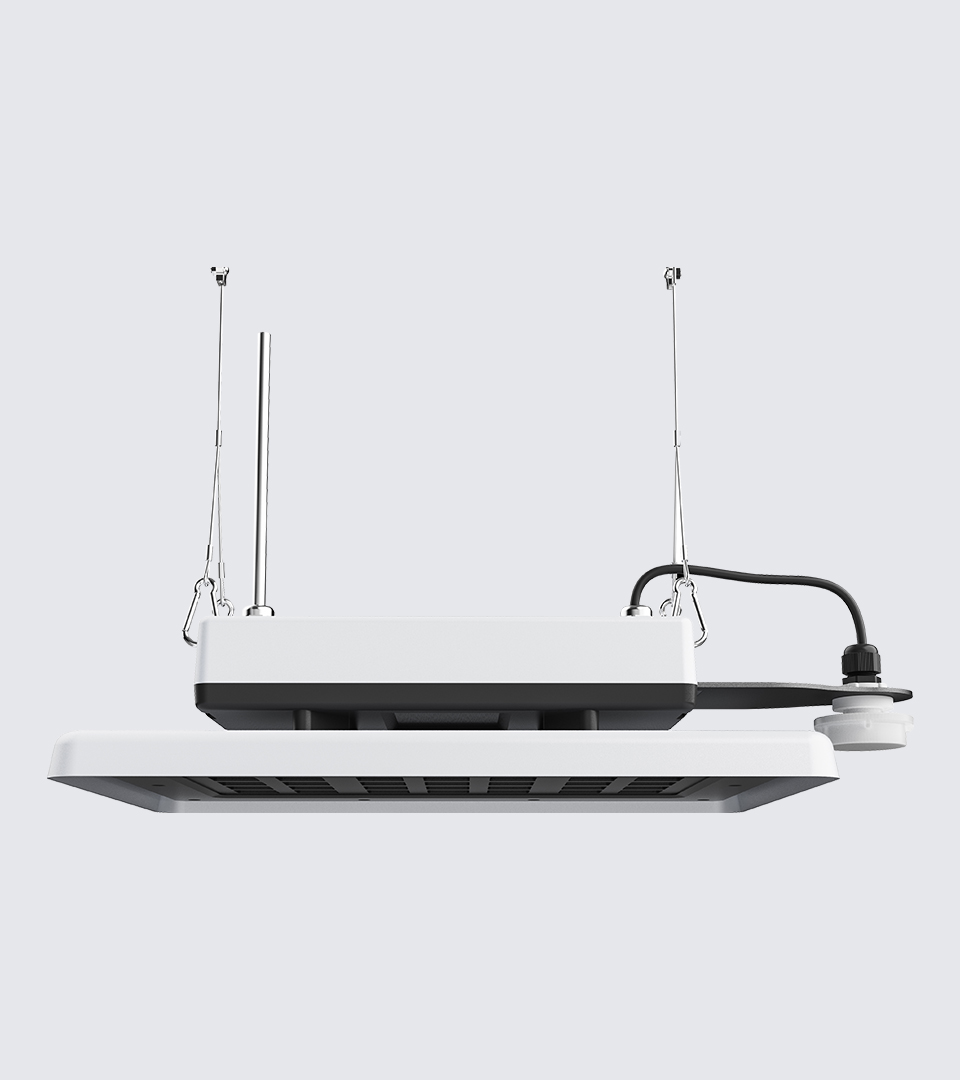
Custom scene programming refers to defining control logic sequences that activate specific outputs (lighting, fans, alarms, notifications) in response to predefined triggers (temperature spikes, open doors, scheduled maintenance, etc.).
- A technician unlocks a cabinet
- Lighting ramps up to full brightness
- Cooling fans increase airflow
- A security log entry is created
Why It Matters: Benefits for Technical Teams & Operations
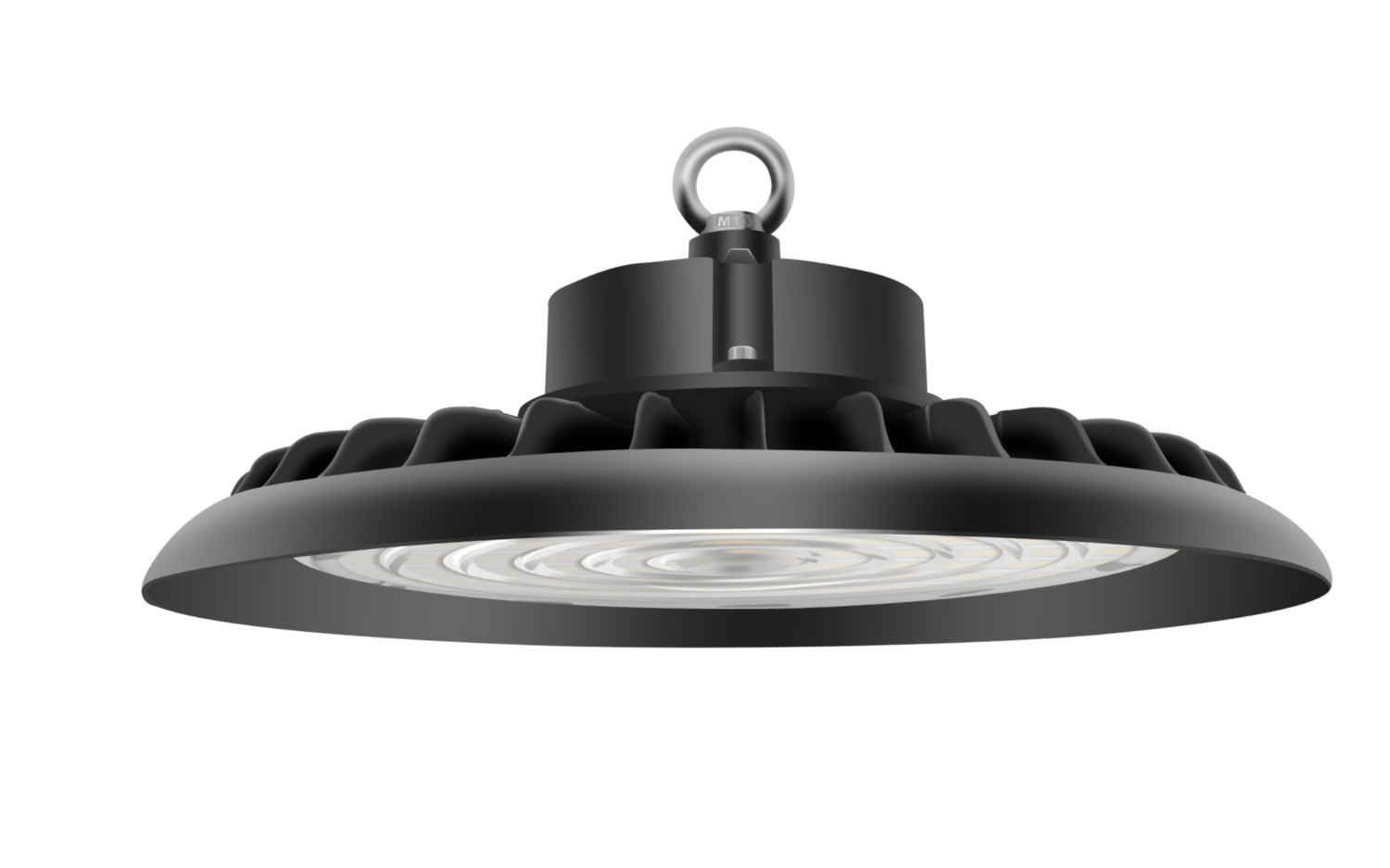
- Energy Efficiency: Scene-based control reduces unnecessary lighting/fan operation.
- Incident Visibility: Scenes can trigger alarms, logs, and visual indicators.
- SLA Compliance: Smart control systems react instantly to failure points.
- Technician Efficiency: Fewer manual interventions, faster diagnostics.
Field Insight: We reduced nighttime energy draw by 14% in a Tier-III facility by triggering low-output scenes after staff badge-out.
Common Use Cases for Scene Logic
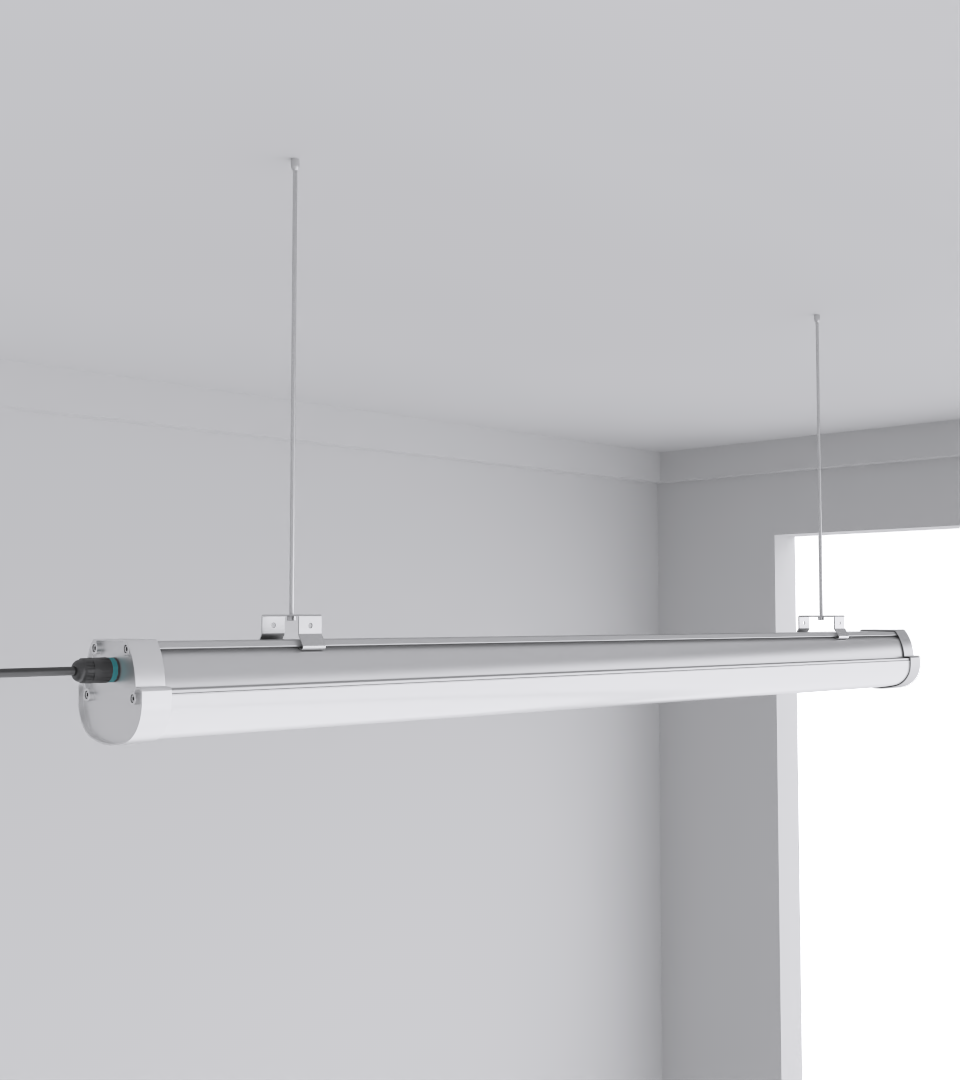
- Emergency Mode: Smoke sensor triggers full lights, mutes fans, unlocks exit paths.
- Cooling Load Scene: Trigger lighting cutback + high-flow fan mode.
- Rack Provisioning: Badge scan activates lighting + HVAC + logging.
- Weekly Maintenance: Pre-scheduled override reduces output for crew comfort.
Core Components: What Makes a Scene System Tick
- Inputs: Sensors (motion, smoke, temp, airflow, humidity, contact)
- Outputs: Lighting (e.g. SeamLine), HVAC, logs
- Controllers: SCADA/BMS, DMX, automation hubs
- Protocols: BACnet, MQTT, REST, SNMP, Modbus
- Scene Logic: Stored in local controller or cloud config
Scene Logic Programming: Workflow Breakdown
- Map Inputs: Sensors reporting what and where
- Define Triggers: Example – “if temp > 30°C”
- Sequence Outputs: Lights, fans, notifications
- Test: In SCADA simulator or dry-run
- Deploy: With rollback enabled
Tips:
- Use timestamps in logs
- Never hardcode MAC/IP
- Keep test/prod environments separate
Lighting Integration: DMX Scene Configuration Tips

- Assign DMX addresses to fixtures
- Use per-channel logic: RGBW, fade, dim, temperature
- Split into DMX universes for scalability
Troubleshooting Scenes: Common Pitfalls

Checklist for scene failures:
- Check event timestamps and timezone config
- Validate sensor connectivity
- Confirm output mapping and channel integrity
- Look for overlapping logic or debounce settings
What Next: Tools, Certification, and Real-World Scaling
- Explore: Node-RED, Home Assistant (lab environments)
- Train on SCADA platforms: Schneider, Siemens, Honeywell
- Certify in DMX, BACnet, MQTT as applicable
- Use Git for versioning YAML/JSON scene configs
Frequently Asked Questions (FAQs)
Q: What is a “scene” in lighting control for data centers?
A: A sequence of lighting and system changes triggered by a specific event (e.g. temperature spike, door open).
Q: Can I run lighting scenes via BMS or SCADA?
A: Yes. Most modern BMS platforms support custom scripting or visual logic.
Q: Is DMX better than MQTT for data centers?
A: DMX excels in lighting; MQTT is better for distributed control messages.
Q: How do I avoid scene overload?
A: Use namespaces and logical zones. Avoid global triggers unless strictly needed.
Q: Can scenes reduce energy costs?
A: Yes—when tied to occupancy, HVAC, and scheduled load control.