Smart Lighting in Data Centers: Hidden Cybersecurity Risks and How to Stop Them
- 1. What Is Smart Lighting in Data Centers
- 2. Physical and Cyber Threats in Data Center Lighting
- 3. Protocols and Network Segmentation
- 4. Real-World Incidents and Industry Lessons
- 5. Designing Secure Lighting Architectures
- 6. Installation and Maintenance Considerations
- 7. Best Practices and Compliance
- 8. Where CAE Lighting Fits In
- Frequently Asked Questions (FAQ)
Key Takeaways
| Feature or Topic | Summary |
|---|---|
| Main Concern | Smart lighting systems in data centers pose cybersecurity risks due to network access. |
| Common Threats | DDoS, eavesdropping, malware injection, and covert channels via light signals. |
| Industry Standards | NIST, ANSI/UL 2900, DOE matrices guide secure design and implementation. |
| Best Practices | VLANs, encryption (AES-128), secure commissioning, firmware management. |
| Key Products | Squarebeam Elite, Quattro Triproof Batten, SeamLine Batten. |
| CAE Lighting’s Role | Certified luminaires designed for cyber/physical resilience and energy efficiency. |
1. What Is Smart Lighting in Data Centers — and Why It Matters
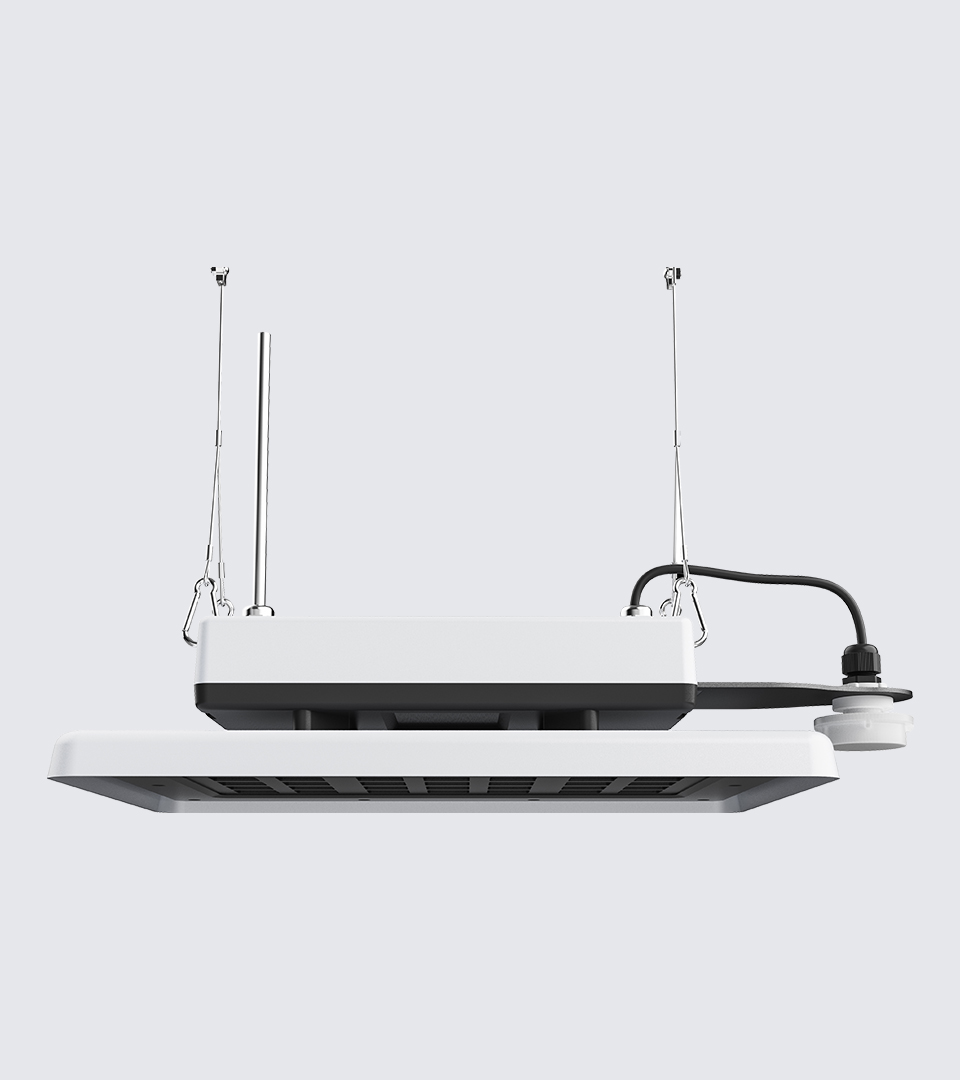
Smart lighting in data centers involves network-connected LED luminaires that communicate via protocols like Zigbee, DALI, or Ethernet (PoE). These fixtures can be controlled remotely, integrated into broader building automation systems (BAS), and even participate in real-time monitoring and optimization.
2. Physical and Cyber Threats in Data Center Lighting
Lighting has traditionally been seen as a passive asset — today, it’s an active participant in data infrastructure. Threats include DDoS attacks on controllers, sniffing of Zigbee traffic, and firmware tampering via insecure update channels.
3. Protocols and Network Segmentation: What to Use (And Avoid)

Older protocols like DALI weren’t built for security. Use AES-128 encryption, secure TLS for remote access, and VLAN-segmented PoE systems to isolate lighting traffic from IT core infrastructure.
4. Real-World Incidents and Industry Lessons
Real-world attacks have included drone exfiltration using LED modulation and Mirai-like malware targeting CCTV-lighting networks. Incidents have caused surveillance blind spots and emergency light disruptions.
5. Designing Secure Lighting Architectures
- Device authentication via certificates
- Use end-to-end AES encryption
- VLAN or physical segmentation of lighting network
- Firmware updates via secure channels only
- Emergency lights on isolated redundant loops
6. Installation and Maintenance Considerations
- Lock and secure PoE switches
- Segment lighting zones by physical security zones
- Quarterly firmware integrity checks
- Training for on-site technicians on secure handling
7. Best Practices and Compliance
CAE’s certifications (ISO 9001/14001/45001) support secure practices, but best practices require Zero Trust principles, MFA on lighting dashboards, staff cybersecurity awareness, and vendor vetting.
8. Where CAE Lighting Fits In
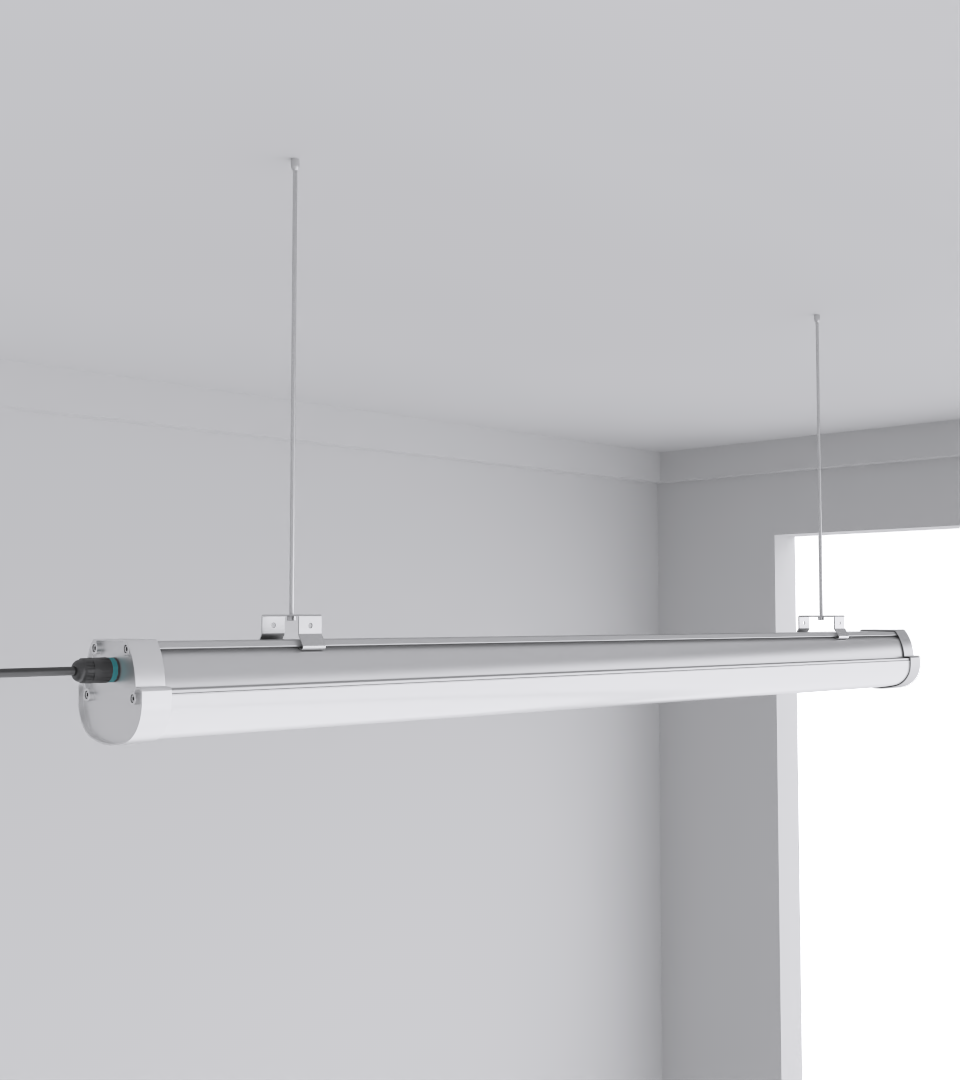
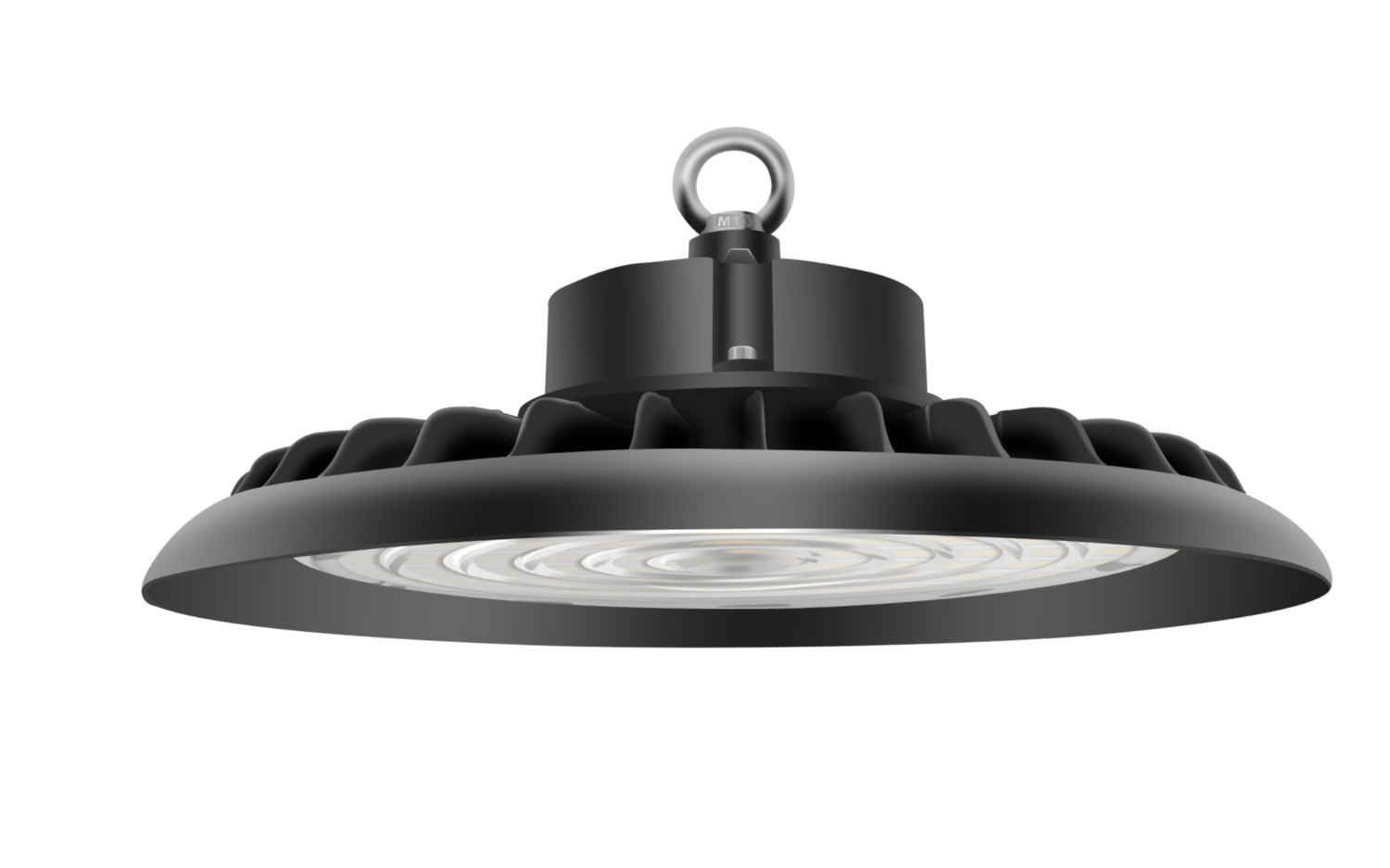
CAE’s data center portfolio includes Squarebeam Elite, Quattro Triproof, and SeamLine Batten—all engineered for high thermal and security requirements. Their integrated approach supports lighting that is both operational and cyber-resilient.
Frequently Asked Questions (FAQ)
What is the biggest cybersecurity risk in smart lighting for data centers?
Lateral movement from lighting to core IT via unsegmented networks.
Can lighting be used to exfiltrate data?
Yes, via visual covert channels like flicker modulation or unsecured broadcast protocols.
Should I prefer PoE over Zigbee?
Yes, PoE with VLAN segmentation is more secure and easier to control in structured cabling environments.
How often should firmware be updated?
At least quarterly or immediately after a vulnerability patch is released.
Is CAE Lighting a secure vendor?
Yes, their practices align with DOE, NIST, and ANSI