Data Center Battery-Backup Fixtures Explained: UL 924, BESS, and Smart Lighting Integration
–
- What Defines a Battery-Backup Fixture in Data Centers?
- How Do Data Centers Design for Uptime With Redundancy Tiers?
- Battery Types: Pros, Cons, and Data Center Suitability
- Fixture-Level Inverters vs Centralized Emergency Panels
- Integration with BMS and Predictive Maintenance
- Regulatory & Safety Compliance: What to Know
- Real-World Projects: Where CAE Lighting Powers Uptime
- Checklist: Specifying the Right Battery-Backup Fixture
- Frequently Asked Questions (FAQ)
Key Takeaways
| Feature or Topic | Summary |
|---|---|
| Primary Function | Maintain egress and operational lighting during grid/power failures |
| Core Technologies | UPS systems, diesel generators, lithium-ion BESS, fixture-level battery inverters |
| Battery Types | VRLA, TPPL, LFP, NiZn, Solid-State |
| Compliance Standards | NFPA 101, UL 924, IEC 60598 |
| CAE Lighting Products | Squarebeam Elite, Quattro Triproof Batten |
| Maintenance Best Practices | Monthly runtime testing, BMS monitoring, temperature control |
1. What Defines a Battery-Backup Fixture in Data Centers?
Battery-backup fixtures in data centers are emergency luminaires equipped with internal or external power sources that maintain illumination during power outages. Unlike standard commercial backup lighting, data center units often work within a complex redundancy framework: UPS systems, diesel/natural gas generators, rack-level battery backup units (BBUs), and dedicated fixture-level inverters.
- UPS systems for near-instant switchover (0 ms–2 ms response)
- Generators to support prolonged outages
- BESS (Battery Energy Storage Systems) for autonomy, load smoothing, and green compliance
- Dedicated emergency fixtures for egress lighting during failures (mandated by UL 924)
2. How Do Data Centers Design for Uptime With Redundancy Tiers?
High-availability data centers aim for “five-nines” (99.999%) or better uptime. That means downtime cannot exceed 5.26 minutes per year. Lighting failure isn’t just about convenience; it’s about safety, compliance, and sometimes automated robotics that rely on visible pathways.
Common redundancy paths:
- Tier III-IV setups often use both on-site UPS + diesel generators
- Tier I-II might rely more heavily on central BESS or backup lighting inverters
Key tip from the field: Always test your ATS (Automatic Transfer Switch) under load. One client we worked with in Malaysia had untested ATS hardware that failed mid-crisis. Lesson learned: your inverter may work, but your switchgear might not.
Read CAE’s Data Center Lighting Guide →
3. Battery Types: Pros, Cons, and Data Center Suitability
Selecting the wrong chemistry = higher cost, greater fire risk, or premature degradation. Here’s a distilled summary:
| Battery Type | Density | Lifespan | Risk | Notes |
|---|---|---|---|---|
| VRLA | Low | 3–5 yrs | Acid leakage | Low upfront cost, bulkier |
| TPPL | Medium | 5–7 yrs | Heat buildup | Premium lead-acid upgrade |
| LFP (LiFePO4) | High | 8–12 yrs | Low | Fire-resistant, stable, ideal for BESS |
| NiZn | Medium | 7–10 yrs | Low | Eco-safe, less energy dense |
| Solid-State | High | 10–15 yrs | TBD | Still maturing, high cost |
Emergency lighting must meet UL 924. Some chemistries (like standard Li-ion NMC) can trigger thermal runaway. In enclosed ceilings or hot corridors, this is a real hazard.
4. Fixture-Level Inverters vs Centralized Emergency Panels
There are two main approaches:
- Centralized inverter systems power groups of fixtures via backup panels
- Fixture-integrated battery inverters house emergency packs in each luminaire
Tradeoffs:
- Centralized: Easier maintenance, scalable, but costly wiring and less zone flexibility
- Fixture-Level: Faster deployment, simpler compliance, harder to test in bulk
Most data centers mix both, depending on critical zones (e.g., racks vs corridors).
CAE Lighting Product Catalog →
5. Integration with BMS and Predictive Maintenance
A modern data center isn’t just about power — it’s about control. Your lighting backups must interface with:
- BMS (Building Management Systems)
- SCADA platforms
- AI-driven predictive analytics
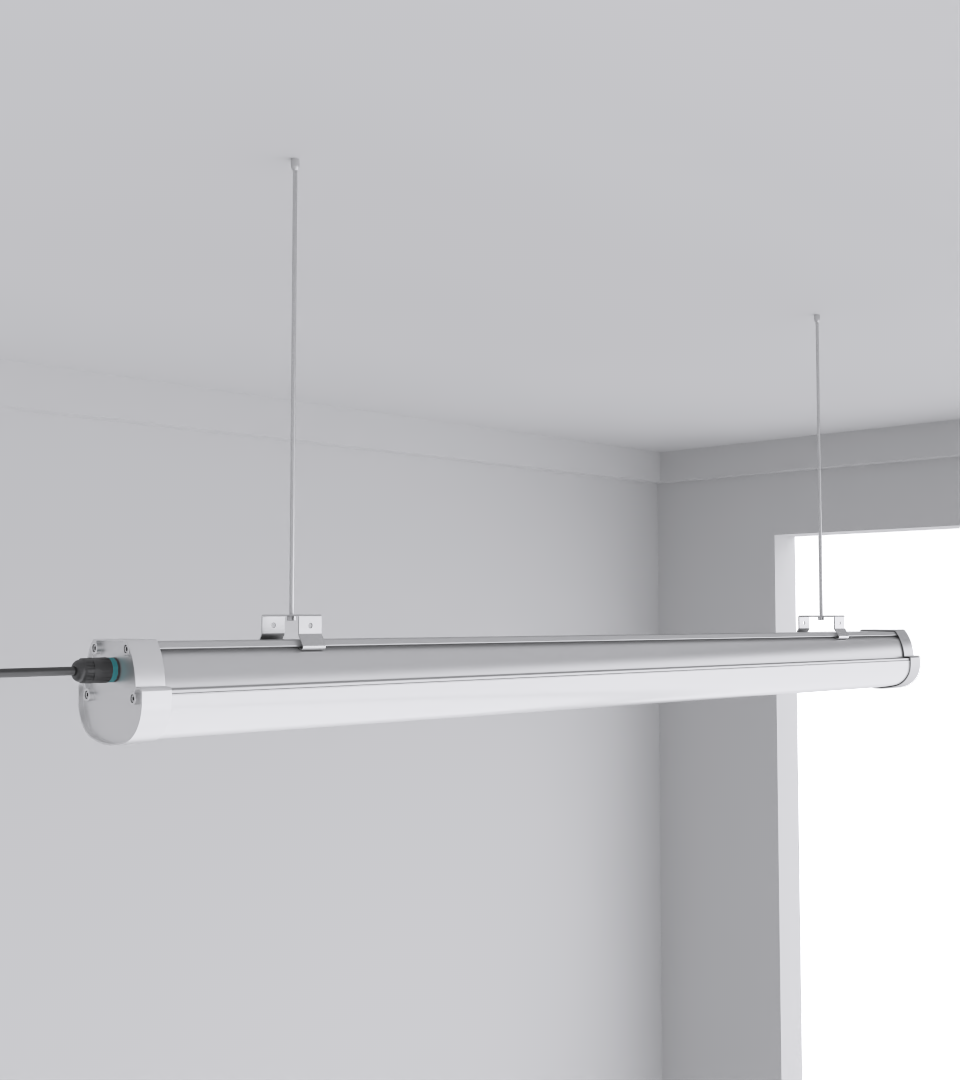
Fixtures like SeamLine Batten from CAE offer motion sensors and smart triggers, helping reduce unnecessary draw and flag failures.

Key insight: We’ve seen older systems miss fixture failures for months because their inverter didn’t report status upstream. Don’t skip BMS integration — it’s cheaper than lawsuits.
6. Regulatory & Safety Compliance: What to Know
Don’t guess here. Data center lighting backups must conform to:
- NFPA 101: Life Safety Code
- UL 924: Emergency lighting standard
- NEC Article 700 & 701: Essential system wiring and transfer
- IEC 60598-2-22: Global emergency luminaire standards
Missed certifications can block occupancy or fail audits.
7. Real-World Projects: Where CAE Lighting Powers Uptime
From logistics depots in Johor to colocation spaces in Thailand, CAE Lighting has supported:
- Over 40,000 units of SeamLine Batten in SEA retail + logistics
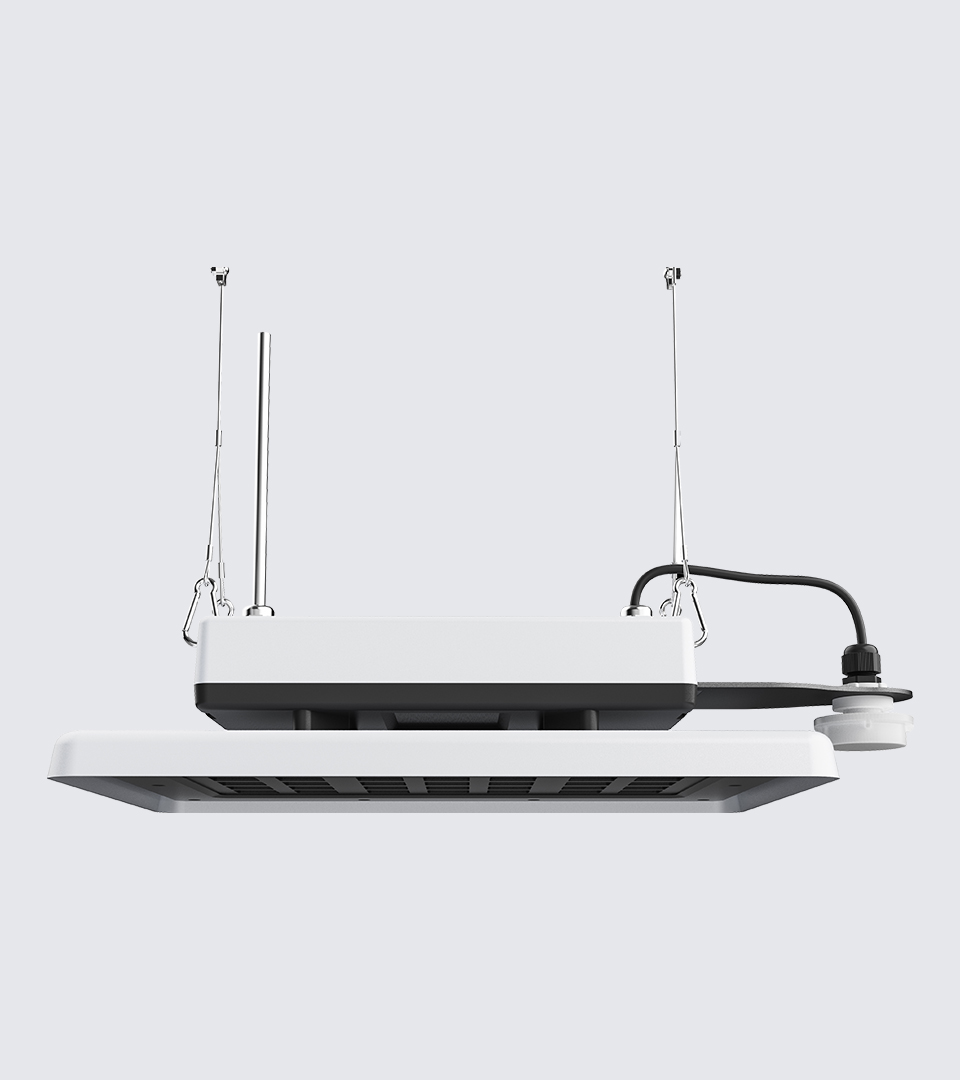
- Smart upgrades in Tier III data centers, integrating Squarebeam Elite
- Custom emergency integration with both centralized and fixture-level fallback
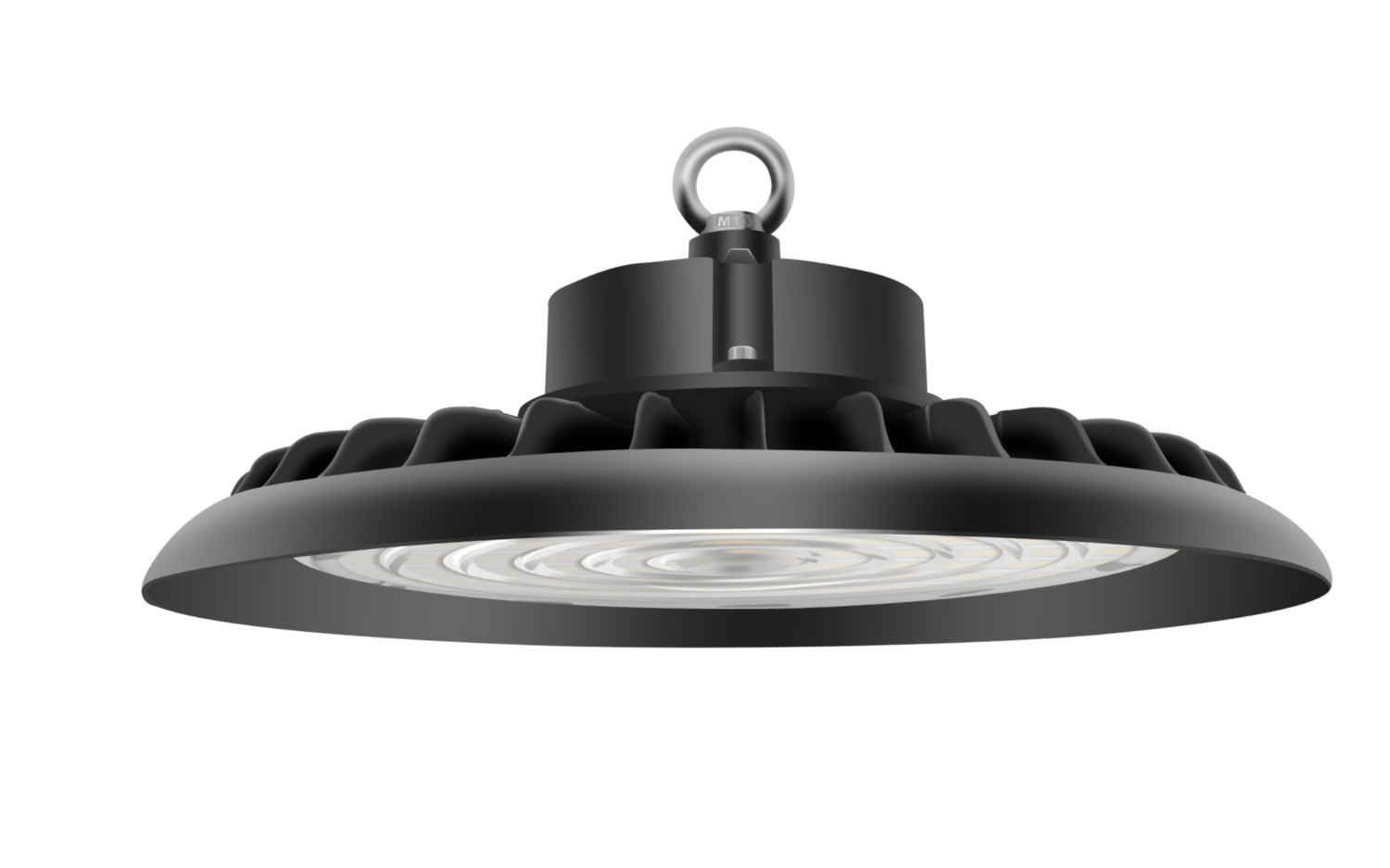
Budget High Bay Light also sees frequent retrofit use in generator-synchronized lighting fallback zones.
8. Checklist: Specifying the Right Battery-Backup Fixture
Use this table during RFP or design review:
| Factor | Best Practice |
|---|---|
| Runtime | ≥ 90 min per UL 924 |
| Battery | LFP or NiZn for stability |
| Mounting | Surface / Suspended / IP65 for critical zones |
| Control | Must integrate with BMS or SCADA |
| Certification | UL 924, IEC 60598-2-22, CE |
| Output | 120–277 V compatibility, auto-sensing |
For consultation: Contact CAE Lighting
Frequently Asked Questions (FAQ)
Q1. How often should I test emergency lighting in data centers?
At least monthly for functional checks and annually for full 90-minute runtime tests.
Q2. Can I use standard lithium-ion batteries for emergency lighting?
Not safely. Use LFP or NiZn to meet fire safety and thermal stability requirements.
Q3. Should backup fixtures connect to the same UPS as servers?
No. Best practice is separate power paths for safety lighting to avoid overload during failure.
Q4. How long do battery-backup luminaires last?
Depending on chemistry, 5 to 12 years. Always monitor temperature and cycle count.
Q5. Do CAE fixtures support motion-sensor or smart BMS control?
Yes. Squarebeam Elite and SeamLine Batten both support optional sensor modules and network control.