
LED Emergency Lighting for Data Centers: Full Compliance, Smart Control, and ROI Guide
- Why Emergency Lighting Is Non-Negotiable in Data Centers
- How LED Emergency Lighting Cuts Heat, Waste, and Downtime
- NFPA, UL, and ASHRAE Codes: What You Actually Need to Follow
- Centralized Inverter Systems vs. Self-Contained Units: Which Works?
- Integration with UPS, Generators, and Smart Controls
- Designing Effective LED Emergency Lighting Layouts
- Testing, Monitoring, and Maintenance in Practice
- Cost Breakdown, Rebates, and Real-World ROI
- Frequently Asked Questions (FAQ)
Key Takeaways
| Feature or Topic | Summary |
|---|---|
| Why use LED emergency lighting? | Lower heat, longer life, energy efficiency, and safety compliance. |
| LED vs traditional options? | LEDs save up to 80% power and reduce thermal stress in high-density environments. |
| Relevant codes? | NFPA 101, UL 924, and ASHRAE standards for egress and performance. |
| UPS and smart integration? | Yes — most LED systems support UPS, smart controls, remote monitoring. |
| ROI expectations? | Typical payback in under 3 years with reduced maintenance and utility rebates. |
| How are they monitored? | Self-testing, remote diagnostics, alert integration with facility systems. |
1. Why Emergency Lighting Is Non-Negotiable in Data Centers
Data centers can’t afford lighting failure — not during operations, and definitely not during an emergency. Emergency lighting ensures clear visibility along egress paths, stairwells, corridors, and critical maintenance zones. This isn’t just about compliance. It’s about response time. Every second counts during a fire alarm or power failure.
- Server rooms often lack windows. No natural fallback.
- Power transfer (to UPS or generator) takes milliseconds — but milliseconds are long in the dark.
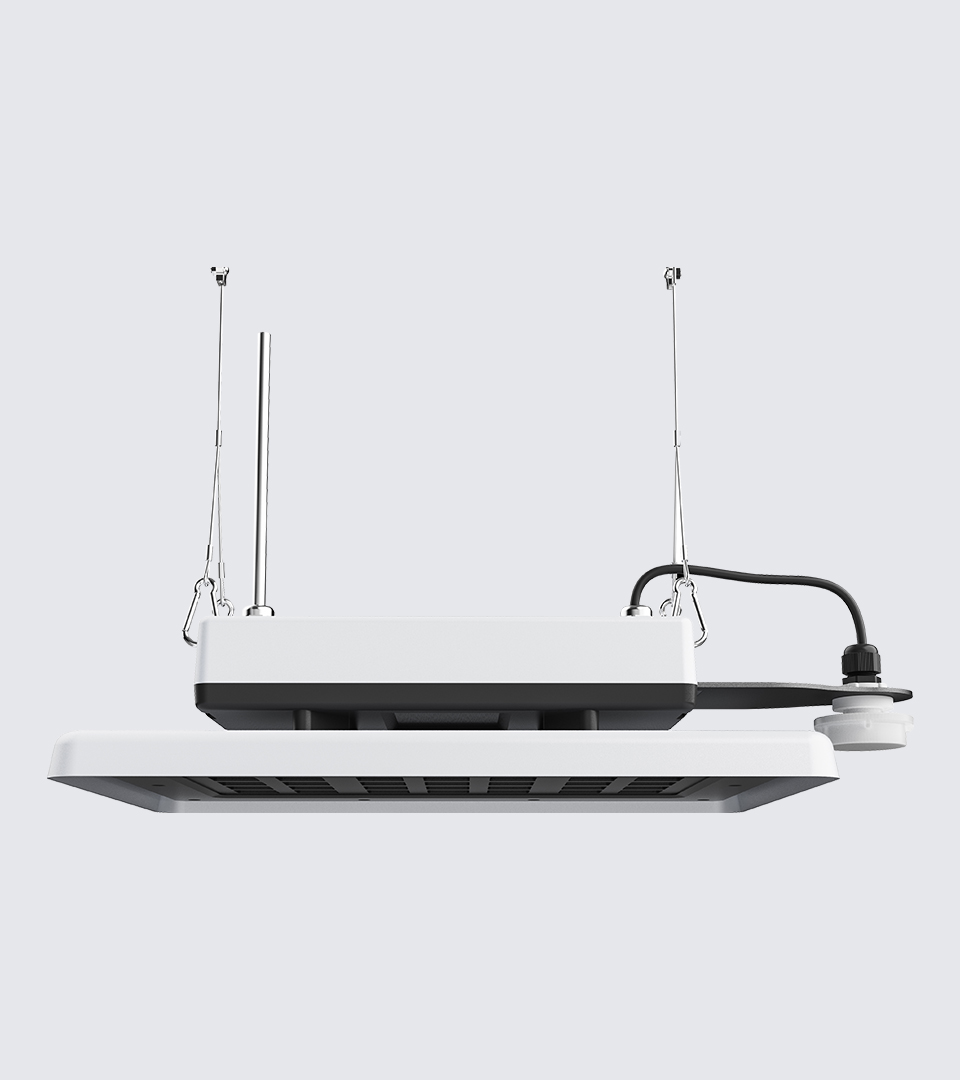
- Backup luminaires with LED tech deliver instant-on illumination.
2. How LED Emergency Lighting Cuts Heat, Waste, and Downtime
Older fluorescent or halogen systems generate unnecessary heat — problematic in already thermally stressed environments.
Why LED makes sense here:
- Consumes up to 80% less power than fluorescents.
- Produces less heat, reducing strain on HVAC systems.
- Instant-on (no warm-up delay).
- 50,000+ hour lifespan: That’s years of no-touch reliability.
| Feature | Fluorescent | LED Emergency |
|---|---|---|
| Startup Delay | Yes | No |
| Energy Use | ~35W | ~10–14W |
| Maintenance | Frequent | Rare |
3. NFPA, UL, and ASHRAE Codes: What You Actually Need to Follow
Compliance isn’t optional. LED emergency lighting in data centers must conform to these standards:
- NFPA 101: Requires minimum 1 footcandle average illumination along egress paths.
- UL 924: Specifies testing and performance for emergency lighting fixtures.
- ASHRAE/IES: Covers mounting, spacing, lux output and integration guidelines.

4. Centralized Inverter Systems vs. Self-Contained Units: Which Works?
Two main emergency lighting configurations dominate in data centers:
Centralized Inverter System
- One battery powers multiple fixtures.
- Simple to manage and test from a control room.
- Higher initial cost, requires centralized design strategy.
Self-Contained Emergency Luminaires
- Each fixture has its own battery.
- Excellent for isolated zones and redundancy.
- Testing must be done per fixture.
5. Integration with UPS, Generators, and Smart Controls
LED systems must integrate seamlessly with a data center’s backup power and monitoring stack:
- UPS: Prevents interruption before generator kicks in.
- Generators: Extend operation during long outages.
- Smart controls: Enable diagnostics, dimming, test scheduling, and more.

6. Designing Effective LED Emergency Lighting Layouts
Effective layouts aren’t about code alone. They’re about real visibility in real emergencies.
- Spacing: Avoid dark zones by overlapping beam spread.
- Redundancy: Always assume a fixture might fail.
- Mounting height: Impacts beam coverage and glare.
| Zone | Recommended Fixture | Mounting Height |
|---|---|---|
| Main Corridors | Squarebeam Elite | 2.7–3.5 m |
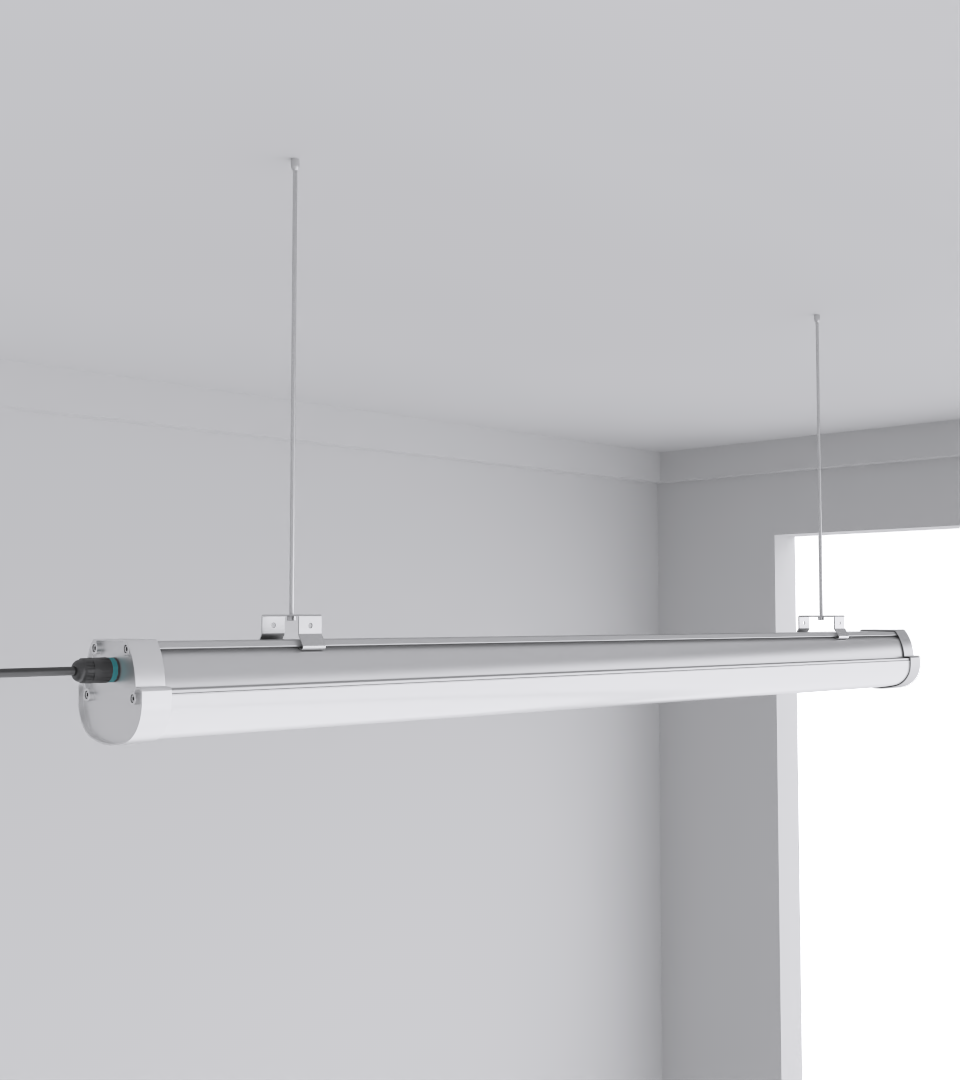
| Cold Aisles | Quattro Triproof | 2.4–2.8 m |
| Server Rooms | SeamLine Batten | 2.2–2.5 m |
7. Testing, Monitoring, and Maintenance in Practice
Modern LED emergency lights now include self-testing and alert features — but don’t trust them blindly:
- Monthly pulse testing and annual full runtime testing are mandatory.
- Networked diagnostics can alert on battery degradation or circuit issues.
- Keep logs synced with your BMS — not just PDF exports.
Common issues from the field:
- Batteries expire silently with no alert.
- Firmware updates disable test routines.
- Misreporting “passed” due to sensor faults.
8. Cost Breakdown, Rebates, and Real-World ROI
Let’s talk money. Here’s how LED emergency lighting plays out economically:
| Metric | Fluorescent | LED Emergency |
|---|---|---|
| Avg. Fixture Cost | $45 | $65 |
| Lifetime (hours) | 8,000 | 50,000+ |
| Maintenance / Year | ~$10 | <$1 |
| Payback Time | — | 2.4 years |
Frequently Asked Questions (FAQ)
Q: What is the minimum run-time for emergency LED fixtures?
A: 90 minutes is the industry minimum per UL 924 and NFPA 101.
Q: Can I retrofit existing fluorescent emergency lights with LED?
A: Yes, as long as the drivers and battery systems are compatible.
Q: Are self-testing LED lights reliable?
A: Yes — but always verify logs and alerts with manual checks periodically.
Q: Can LED emergency lighting help lower cooling costs?
A: Yes. Less heat output reduces HVAC workload in temperature-critical areas.
Q: Are rebates available for upgrading to LED?
A: Yes — check utility providers and government programs for available incentives.