
Dual Power Lighting Systems for Data Centers: Design, Compliance, and Failover Explained
- What Exactly Is a Dual Power Source Lighting System?
- Redundancy Architecture: Where Lighting Fits in Power Distribution
- UPS, ATS, and Smart Transfer: How Dual Lighting Keeps Running
- Safety & Compliance: Which Rules Apply?
- Monitoring & Smart Integration: The Lighting Network Inside DCIM
- Resilience in Real Failovers: What Actually Happens
- Efficiency Considerations: Energy, Heat, and Inverter Load
- Implementation Tips: Specs, Cable Paths, Maintenance
- FAQs: Dual Power Lighting Systems
Key Takeaways
| Feature or Topic | Summary |
|---|---|
| Redundancy Tiers | Dual power systems support 2N/2N+1 tier resilience levels |
| UPS & ATS Integration | Essential for automatic switchover during utility/power failure |
| Compliance Standards | NFPA 75, UL 924, IEC 60598-2-22 enforced for emergency lighting |
| Monitoring & BMS/DCIM Integration | Enables smart control, load metering, and real-time diagnostics |
| Dual Lighting Paths | Independent circuits feeding the same luminaire or zoned redundancy |
| Smart Sensor Compatibility | Occupancy sensors, daylight harvesting modules integrated |
| Efficient LED Fixtures (e.g. Squarebeam) | High efficacy, reduced heat, inverter-friendly |
| Real Use Cases | Used in Tier III/IV data halls, server corridors, UPS rooms |
What Exactly Is a Dual Power Source Lighting System?
Why would anyone feed light from two sources? Seems dramatic, no? But data centers don’t do drama—they do uptime.
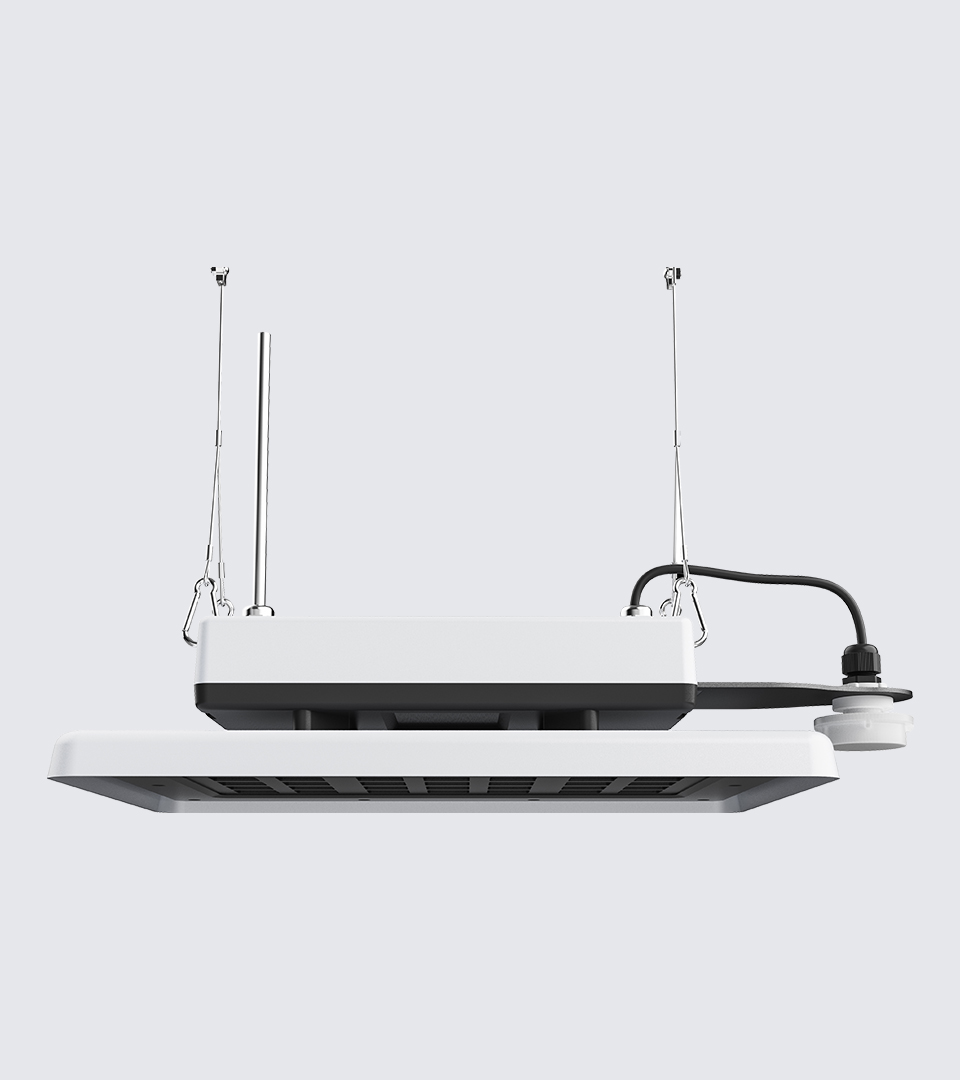
In a dual power source lighting setup, every critical light fixture (like the Squarebeam Elite) is wired to receive power from two independent circuits: A and B. If A fails—maybe from a UPS outage or switchgear failure—circuit B picks up the slack. The switch? Instant, automatic, thanks to an ATS (Automatic Transfer Switch) or dual-circuit driver.
Safety & Compliance: Which Rules Apply?
Let’s talk about rules (and fines).
Applicable standards:
- NFPA 75 & 101: Data center fire protection and emergency egress
- UL 924: Emergency lighting transfer equipment
- IEC 60598-2-22: Luminaire standards for emergency operation
Split-fed systems must demonstrate:
- 90 minutes autonomy on one path outage
- Visual indication of transfer success (light continuity)
- Fail-safe grounding between dual feeds
Failure to meet UL or NFPA code means possible shutdown of operations—especially in colocation environments where uptime SLAs are tied to certifications.
Monitoring & Smart Integration: The Lighting Network Inside DCIM
If your lights don’t talk, they can’t warn you.
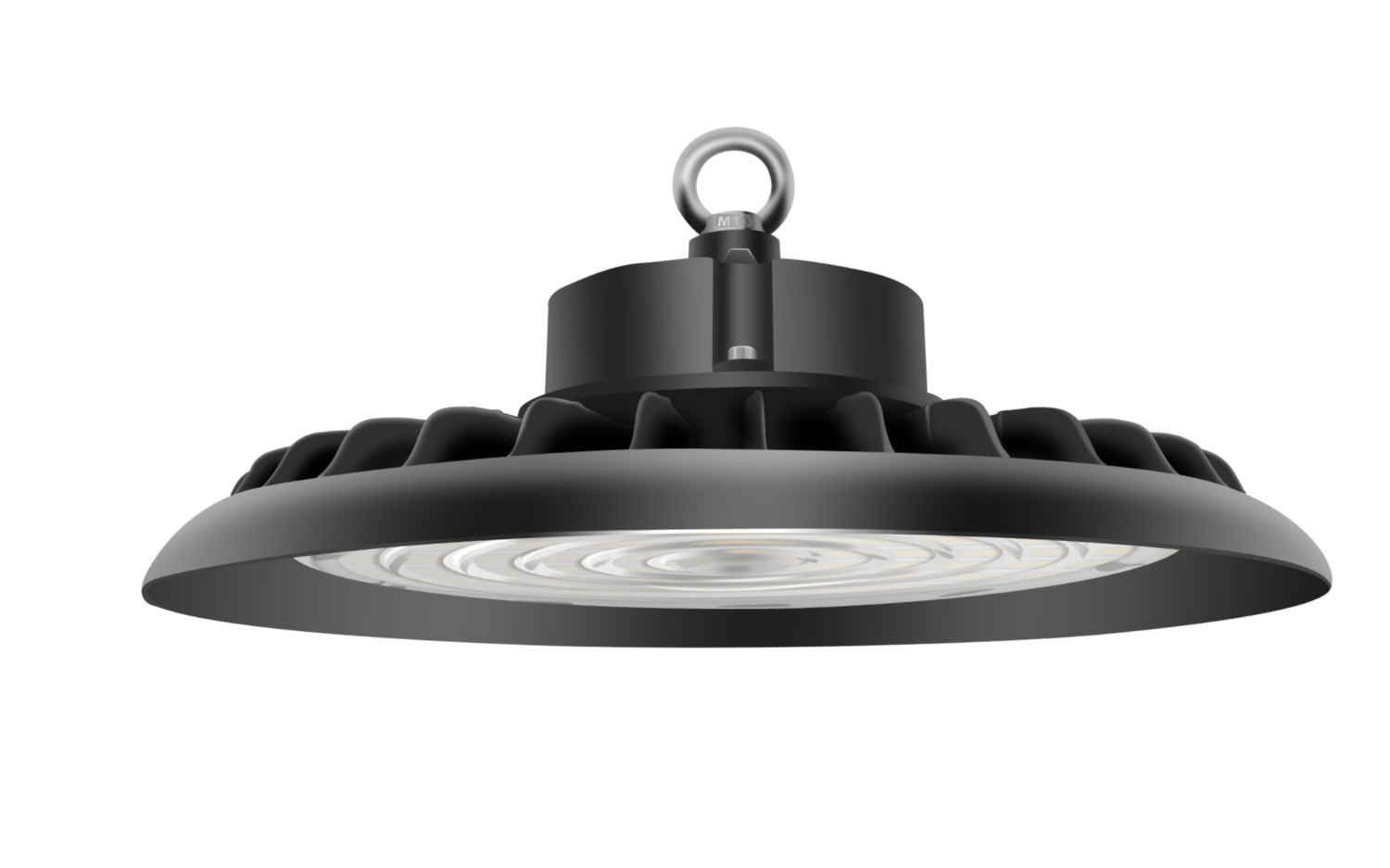
Modern LED luminaires like the Budget High Bay Light can integrate into DCIM via smart relays or Zigbee/Bluetooth controllers.
Features:
- Remote testing of emergency modes
- Load metering of A/B feeds
- Fault alerting to BMS
- Integration into motion sensors or daylight harvesting scenes
If half your lighting fails and no one knows—is it really redundant?
Resilience in Real Failovers: What Actually Happens
In January 2024, a test at a Tier IV data hall in Malaysia showed:
- 37 lights were split-fed using SeamLine Batten fixtures
- Circuit A was cut at subpanel
- Lights blinked but stayed on within 120ms using B feed
Takeaways:
- Real-world failover isn’t always smooth unless tested
- Drivers need to be thermally stable during transfer
- Conduct partial failover drills quarterly (simulate PDU, UPS faults)
Sometimes, the breaker doesn’t care it’s 3 a.m. And neither should your lighting.
Efficiency Considerations: Energy, Heat, and Inverter Load
It’s not just about being redundant. It’s about being efficient while redundant.
Benefits of dual-fed LED systems:
- Lower wattage per fixture (CAE’s models operate at 24W-48W)
- Smart sensors reduce idle lighting hours
- Inverter-friendly load curves
Even if one feed is solar-supplemented (future trend), CAE’s lights maintain stable output.
| Feature | Traditional Light | Dual-Feed LED (CAE) |
|---|---|---|
| Wattage per fixture | 70W Fluoro | 24W-48W |
| Heat emission | High | Low |
| ATS Compatibility | Rare | Built-in w/ driver |
| Emergency compliance | Partial | 90 min tested |
Implementation Tips: Specs, Cable Paths, Maintenance
Want to avoid a future migraine? Do this:
- Use color-coded cabling for A/B feeds (red/blue)
- Keep conduits physically separated
- Validate ATS operations monthly
- Document all lighting panels and feed paths
Include dual-feed notes on as-builts. No tech wants to guess which circuit feeds what during a storm.
FAQs: Dual Power Lighting Systems
Q: Do I need two separate light fixtures for dual power?
A: Not always. Some LED battens (like Squarebeam or SeamLine) accept dual inputs internally.
Q: What happens if both power sources fail?
A: Emergency battery backup or centralized inverter systems must engage per UL 924.
Q: Are these systems more expensive?
A: Yes, but offset by lower downtime risk and longer fixture lifespan.
Q: Can dual-feed lights work with smart sensors?
A: Yes. Just ensure sensors are fed by both circuits or battery-backed for reliability.
Q: Is this mandatory in all data centers?
A: No, but it’s expected in Tier III and Tier IV deployments due to uptime guarantees.