Generator-Powered Lighting in Data Centers: Full Integration, Standards, and Control Strategies
- 1. Why Generator-Integrated Lighting Matters
- 2. Standards & Regulatory Requirements
- 3. Power Architecture: UPS, ATS, Generator
- 4. Generator Types & Fuel Strategies
- 5. Smart Controls, Protocols, and Remote Ops
- 6. Testing, Transition Timing, and Redundancy
- 7. Cost Breakdown and Long-Term ROI
- 8. Integration with Renewables and Microgrids
- 9. Frequently Asked Questions (FAQ)
Key Takeaways
| Topic | Summary |
|---|---|
| Why It Matters | Generator-integrated lighting ensures safe, uninterrupted operation during outages in data centers |
| Compliance Requirements | Follow NFPA 110, NEC Articles 700–702, and IEC 60364 standards for emergency lighting |
| System Architecture | Requires coordination between UPS, ATS, and generator circuits for seamless transfer |
| Generator Types | Diesel, gas, and hybrid solutions each impact cost, emissions, and reliability differently |
| Control Systems | Use SCADA, HMI dashboards, and Modbus/DNP3 for lighting-generator control and automation |
| Redundancy & Testing | Designs must support N+1/N+2 and monthly/annual test logs for lighting systems |
| Sustainability | Combine generators with solar/storage to reduce emissions and runtime |
| Use Cases | Relevant for edge, hyperscale, and microgrid data centers where uptime is critical |
1. Why Generator-Integrated Lighting Matters
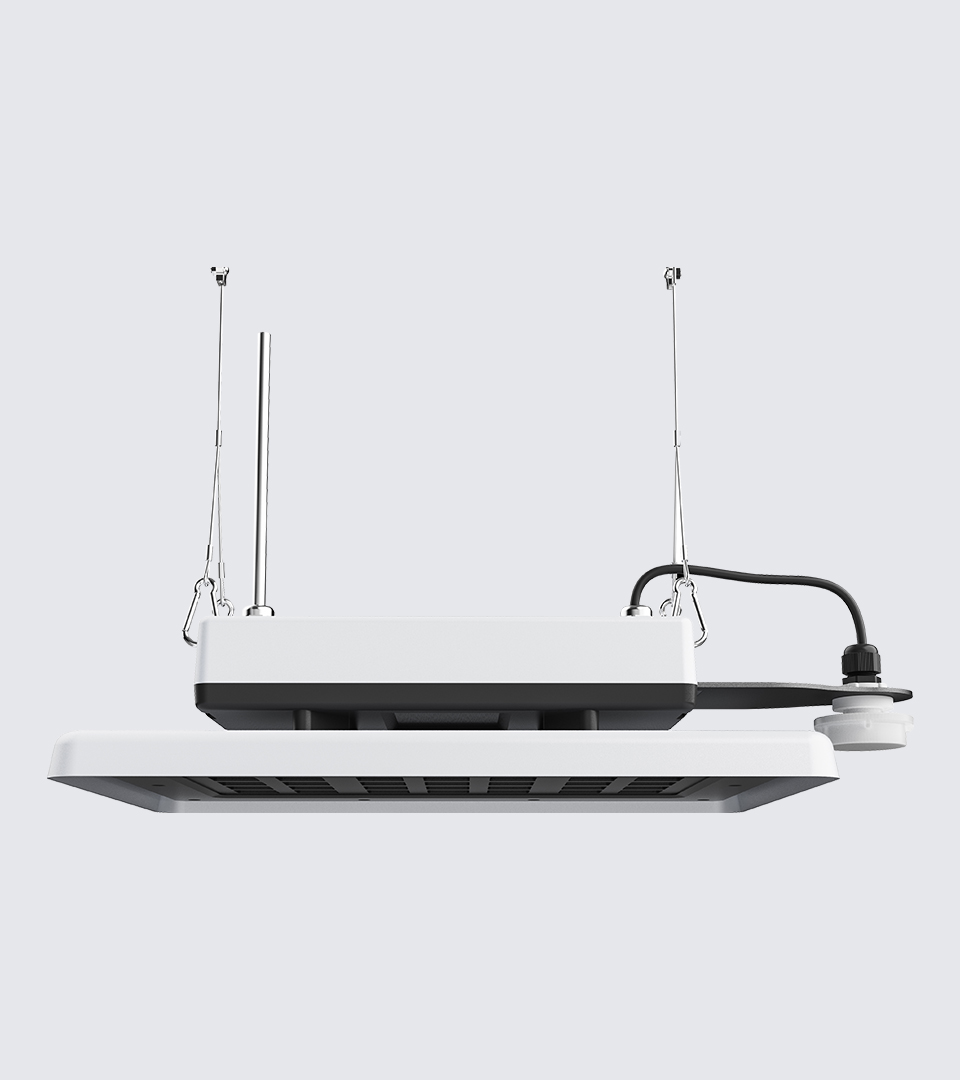
Generators aren’t just for servers. When the grid fails, emergency lighting must come on immediately. Darkness inside a data hall—where cabling, hot aisles, and raised floors coexist—can turn into a hazard within seconds. UPS systems handle servers, but lighting is sometimes treated as an afterthought. That’s a mistake.
- Accidents increase by 4.7× during lighting outages in mission-critical zones.
- Switching delays longer than 10 seconds violate NFPA 110.
- Data center teams must locate PDUs, access panels, and fault indicators under emergency light.
Lighting backed by an ATS + generator ensures:
- Zero blackout risk during transfers
- Safe exit and maintenance navigation
- Compliance with fire and insurance requirements
Example: One facility in Johor experienced a cooling failure because maintenance staff couldn’t reach a faulty CRAC due to pitch darkness. Their lights were on a separate utility-fed loop. Don’t separate lighting and power during outages.
Read: Data Center Lighting Solutions Guide →
2. Standards & Regulatory Requirements
You can’t just plug lighting into a genset and hope it works. You’ll need to comply with:
- NFPA 110 (Type 10, Class 1, Level 1): 10s transfer max, 1 hour runtime minimum
- NEC Articles 700–702: Lighting circuits must be on emergency or legally required standby
- IEC 60364-5-56: Emergency lighting must operate independent of general circuits
- ISO/IEC 30134 & ISO 50001: Performance & energy efficiency data
Also consider:
- Local emissions regulations (Tier 4 Final, NOx, VOC, and decibel ratings)
- Fire marshal mandates for egress light levels (>1 fc at floor)
Reference: Ultimate Guide to Data Center Lighting Standards →
3. Power Architecture: UPS, ATS, Generator

Three Elements Must Coordinate:
- UPS: Instant coverage (battery)
- ATS: Switches source (grid to gen)
- Generator: Long-term power
Utility Grid → ATS → Lighting Load
              → UPS (bridge)
              → Generator (if outage >2–5s)
Tips:
- Use bypass-isolated ATS to allow testing
- Size cables for inrush (LEDs can spike 2–3×)
- Separate safety lighting from general loads
Product Spec: SeamLine Batten →
4. Generator Types & Fuel Strategies
Lighting behaves differently depending on your fuel source.
| Generator Type | Pros | Cons |
|---|---|---|
| Diesel | Fast response, high power | High emissions, fuel storage risk |
| Natural Gas | Cleaner burn, pipeline-fed | Slower response, zoning issues |
| Biogas | Sustainable | Variable supply, permits needed |
| Hybrid (solar+gen) | Reduces runtime/emissions | Higher setup cost |
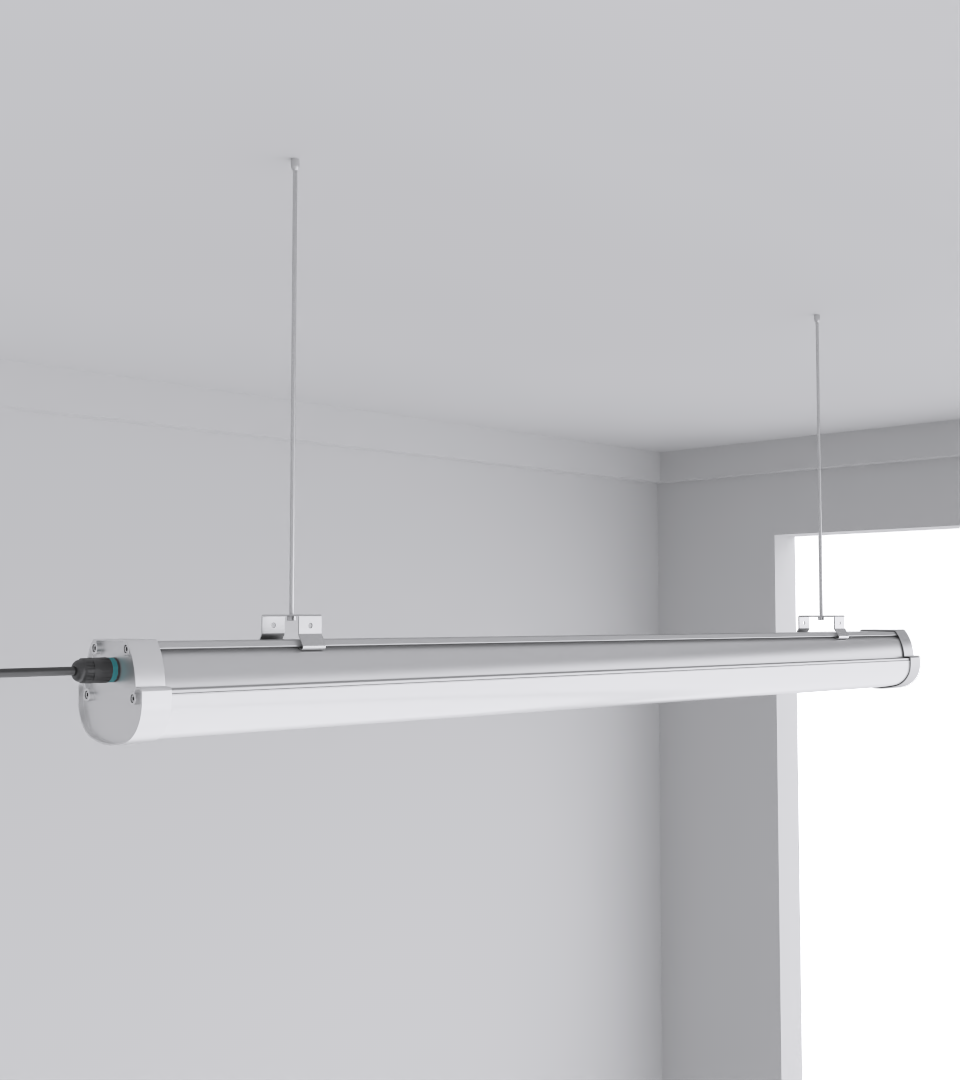
Example: A hybrid site in Malaysia used a CAE Quattro Triproof Batten across the facility, reducing generator runtime by 23% due to smart daylight harvesting.
5. Smart Controls, Protocols, and Remote Ops
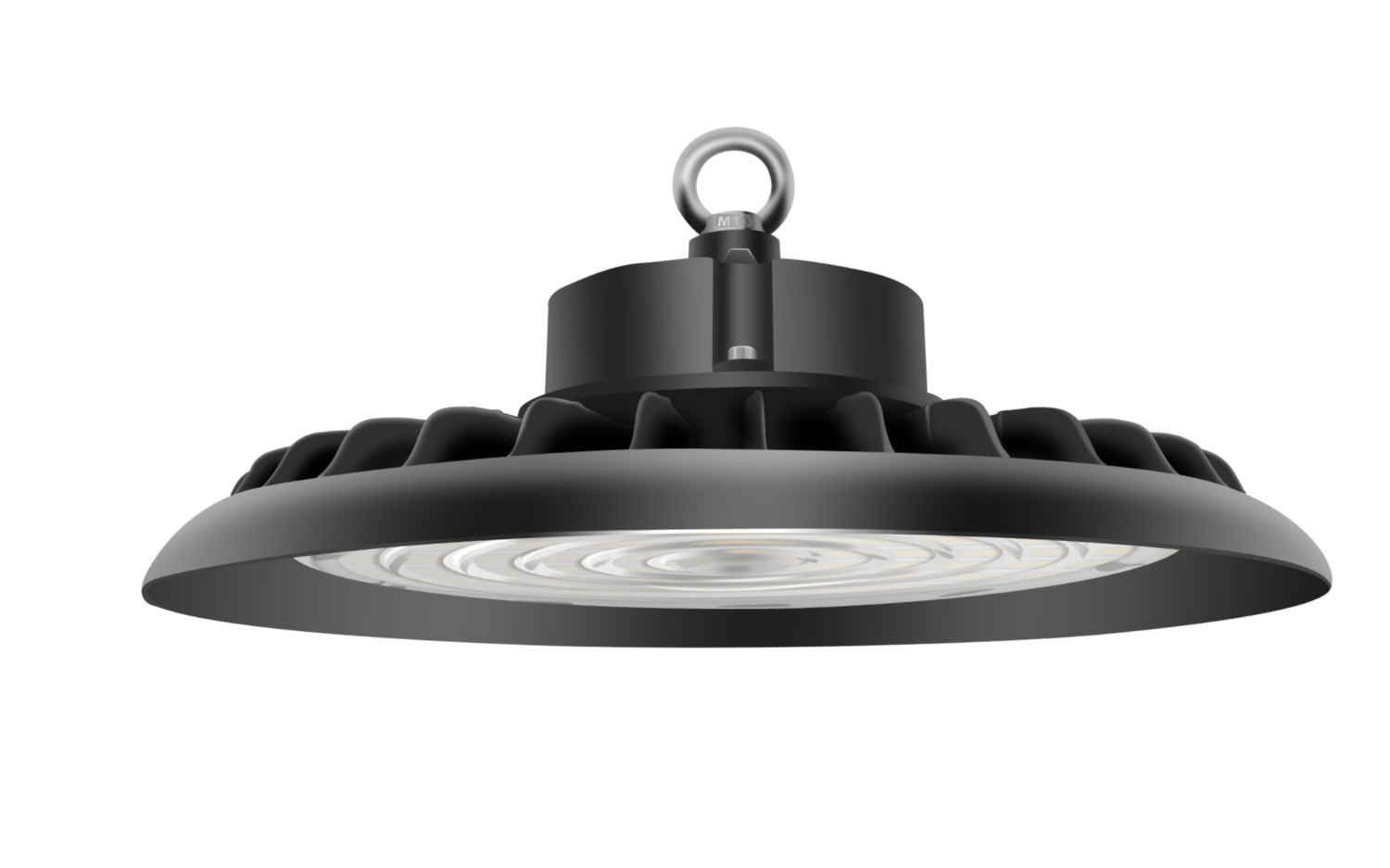
Smart lighting isn’t smart unless it’s controllable. Generator-integrated lighting should support:
- Protocols: Modbus, SNMP, BACnet, DNP3
- Interfaces: SCADA, HMI, remote dashboard
- Automation: Load shedding, runtime optimization
Example: In one setup, we programmed ATS + SquareBeam Elite + SCADA to turn on only emergency luminaires during generator operation, cutting peak draw by 40%.
6. Testing, Transition Timing, and Redundancy
Testing matters. Most generator failures in lighting systems come from untested ATS delays or UPS hold-up times expiring early.
- ATS cycle time: <10 sec
- UPS battery aging: curve changes under load
- Light-up delay: must remain under 1 sec for compliance
- Transfer log monitoring: record and verify
| Failure | Cause | Solution |
|---|---|---|
| Lights don’t turn on | ATS delay >10s | Use faster transfer switch |
| Flicker on gen-start | UPS undersized | Increase bridge time |
| Emergency lights dim | Battery drain | Schedule replacements |
More: Generator-Backed Lighting Failures →
7. Cost Breakdown and Long-Term ROI
Generator-powered lighting isn’t cheap upfront—but neither is a lawsuit after someone trips in a blackout.
| Component | Typical Cost Range |
|---|---|
| Generator (200kW) | $35,000–$80,000 |
| ATS + Panel | $5,000–$15,000 |
| UPS System | $10,000–$50,000 |
| Smart LED Lights | $50–$200/unit |
| Controls/SCADA | $10,000–$40,000 |
ROI comes from:
- Downtime prevention (1hr = $150K avg loss)
- Insurance premium reductions
- Incentives for energy efficiency/emissions compliance
8. Integration with Renewables and Microgrids

You want to talk about the future? It’s not just diesel anymore.
Data centers are:
- Tying lighting to solar arrays with battery backup
- Using AI to forecast lighting + gen dispatch
- Monetizing through demand response
Example Setup:
- Generator: Tier 4 diesel
- Solar: 60 kW rooftop
- Battery: 200 kWh buffer
- Lighting: Motion‑sensor SeamLine + SquareBeam
See SeamLine LED Batten Product Page →
9. Frequently Asked Questions (FAQ)
Why can’t emergency lighting just use the UPS?
UPS capacity is often allocated to IT equipment. Lighting loads are better handled by generator backup to preserve battery runtime.
What’s the difference between ATS and UPS in lighting?
UPS is instant and short-term; ATS transfers power to the generator, which is longer-term. Both are needed for seamless operation.
How do I test generator-integrated lighting?
Simulate a grid outage, observe ATS switching time, confirm light activation. Log cycle time and output voltage.
Can I use solar only?
For now, solar can buffer via battery, but isn’t stable alone. Hybrid solar + generator setups are more reliable.
What lights are best for generator integration?
Use high‑efficiency LEDs with low inrush current and surge protection. Models like SquareBeam Elite and Quattro Triproof Batten are optimized for generator environments.