
Optimizing LED Lighting Efficiency Metrics for Data Centers: Key Strategies for Energy Reduction and Performance Enhancement
Table of Contents
- Understanding LED Efficiency Metrics
- PUE and LED Lighting
- Cooling Efficiency Ratio (CER) and LED Lighting
- Energy Reuse Factor (ERF) and LED Lighting
- Total Cost of Ownership (TCO) of LED Lighting in Data Centers
- Case Studies and Industry Benchmarks
- Regulatory Compliance and Certifications
- Frequently Asked Questions (FAQ)
Key Takeaways
| Feature or Topic | Summary |
|---|---|
| Integration Benefits | Energy savings, streamlined operations, enhanced monitoring, and predictive maintenance. |
| Key Protocols | BACnet, Modbus, SNMP ensure interoperability. |
| Implementation Strategies | Assess existing infrastructure, select compatible systems, phased deployment recommended. |
| Operational Advantages | Reduced downtime, improved safety, occupant comfort, and significant sustainability contributions. |
Maximizing LED Efficiency Metrics in Data Centers: A Comprehensive Guide to Sustainable Lighting Solutions
Data centers are notoriously energy-intensive operations, requiring large amounts of power to maintain their servers, cooling systems, and other essential equipment. The role of lighting in this equation is often overlooked, but it can have a significant impact on overall energy consumption. LED lighting, however, presents a sustainable solution by significantly reducing energy use while maintaining optimal illumination levels for both operations and safety.
Understanding LED Efficiency Metrics
When evaluating lighting solutions for data centers, there are several key LED efficiency metrics to consider:
- Luminous Efficacy: This refers to how much visible light a lamp emits per watt of power consumed. LEDs typically outperform traditional bulbs in this area, making them a great choice for data centers aiming to reduce energy consumption.
- Color Rendering Index (CRI): A metric used to measure how accurately light shows the color of objects. Although not directly related to energy efficiency, high CRI is essential for ensuring proper visibility in data centers.
- Thermal Output: LED lights produce far less heat compared to incandescent or fluorescent lighting, making them a better option for environments where cooling efficiency is critical, such as in data centers.
These metrics directly influence energy consumption and operational efficiency. LEDs, with their lower heat output and high luminous efficacy, contribute to a more efficient operation.

PUE and LED Lighting
PUE (Power Usage Effectiveness) is one of the most widely used metrics to measure the energy efficiency of data centers. It compares the total building energy usage to the energy used by the IT equipment alone. A lower PUE indicates that a data center is using energy more efficiently.
Impact of LED Lighting on PUE: By reducing the energy required for lighting, LED lighting directly contributes to improving PUE. With conventional lighting systems, a significant portion of the energy consumed is used for lighting purposes. LED fixtures, however, are far more energy-efficient, leading to lower PUE values and ultimately, lower operational costs.
Cooling Efficiency Ratio (CER) and LED Lighting
The Cooling Efficiency Ratio (CER) measures how efficiently a data center uses energy for cooling. It is calculated by dividing the total energy consumption of the cooling system by the amount of cooling provided. Lower values indicate better cooling efficiency.
How LED Lighting Helps Improve CER: LED lighting generates far less heat than conventional lighting. This lower thermal output reduces the load on cooling systems, improving CER. Data centers using LED lighting will likely need less air conditioning or other cooling methods, directly impacting overall energy usage.
Energy Reuse Factor (ERF) and LED Lighting
The Energy Reuse Factor (ERF) measures how effectively a data center recovers and reuses the energy it consumes. A higher ERF indicates that a data center is successfully utilizing its energy-saving strategies.
LED Lighting’s Role in ERF: LED lighting contributes to a better ERF by reducing the overall energy consumption. When combined with energy reuse systems, LED lights help maximize the efficiency of energy recapture and redistribution, which can then be used for other parts of the data center.
Total Cost of Ownership (TCO) of LED Lighting in Data Centers
When assessing the Total Cost of Ownership (TCO) for LED lighting, it’s important to account for the initial cost, operational savings, and maintenance over time. While LED lights typically have a higher initial cost compared to traditional lights, their long lifespan and energy efficiency lead to significant savings in the long term.
Case Studies and Industry Benchmarks
Several data centers have successfully implemented LED lighting systems to enhance their operational efficiency.
Regulatory Compliance and Certifications
Data centers must comply with various regulatory standards, including ISO/IEC 30134, EN 50600, and ENERGY STAR certifications.
Frequently Asked Questions (FAQ)
- What is PUE, and why does it matter in data centers? PUE (Power Usage Effectiveness) measures the efficiency of energy used in a data center. The lower the PUE, the more efficient the data center is. LED lighting can reduce PUE by consuming less energy.
- How can LED lighting reduce operational costs in data centers? LED lighting reduces energy consumption by up to 80% compared to traditional lighting, lowering operational costs over time. Additionally, LEDs last longer, reducing maintenance and replacement costs.
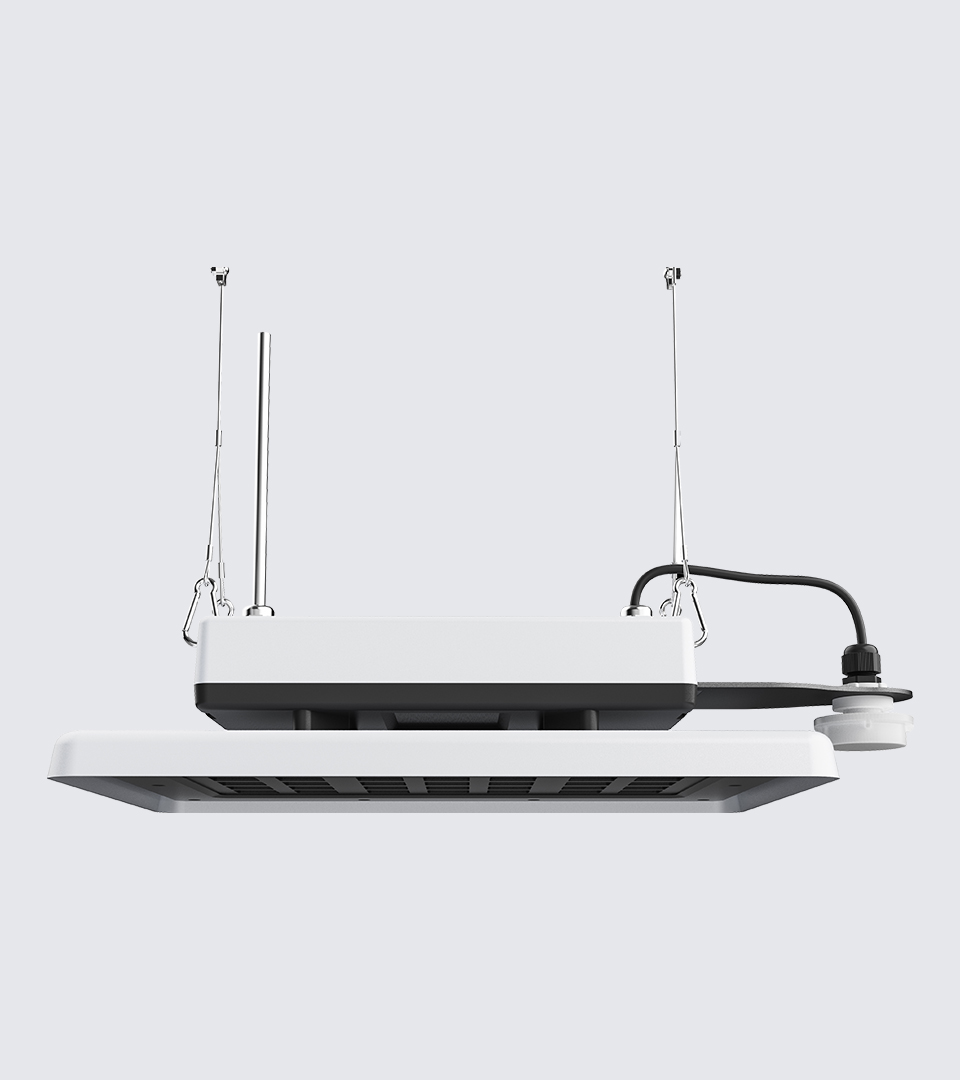
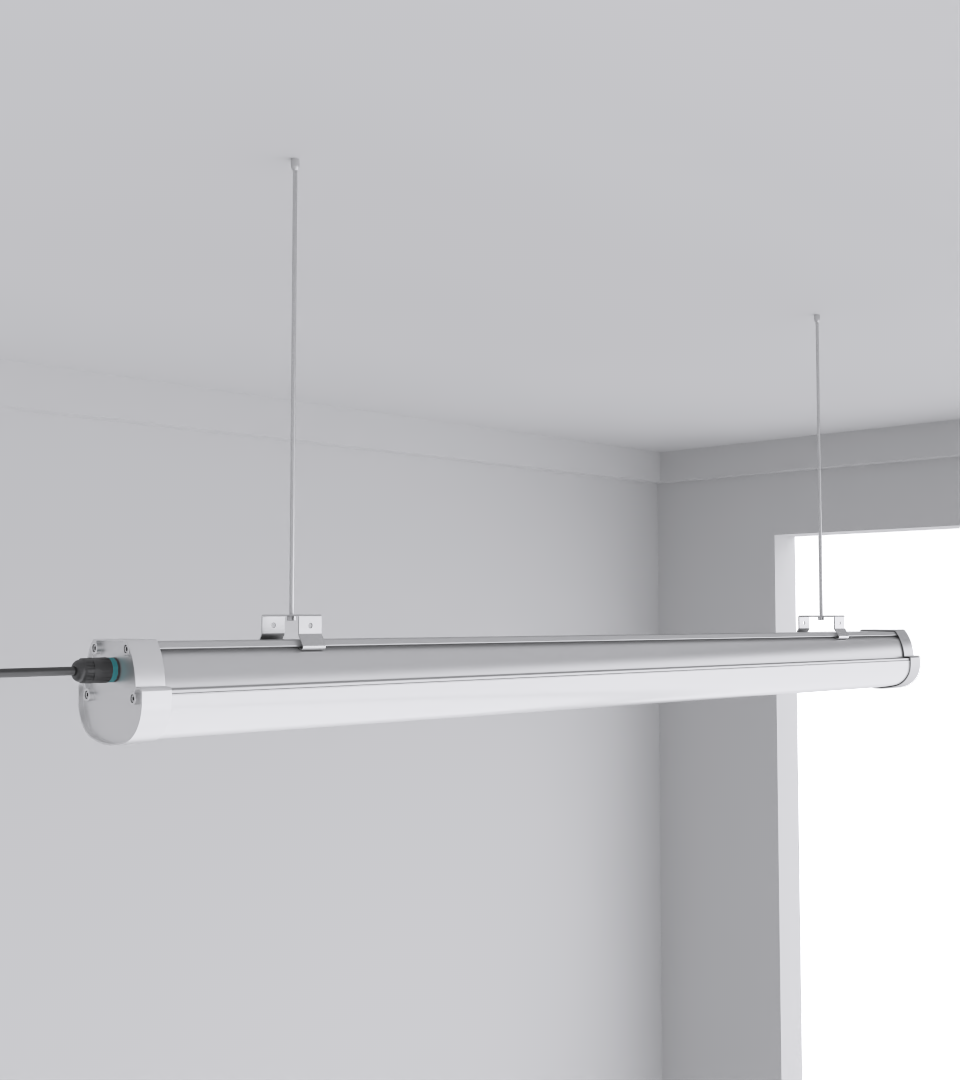
- What is the best LED lighting solution for data centers? Products like the Squarebeam Elite and Quattro Triproof Batten are ideal for data centers due to their efficiency, durability, and low thermal output.