
Optimizing Data Center Efficiency: Advanced Strategies for Recovering Heat from Lighting Systems
–
- Understanding Lighting Heat in Data Centers
- Principles of Heat Recovery
- Technologies for Capturing Lighting Heat
- Applications of Recovered Lighting Heat
- Case Studies and Real-World Implementations
- Benefits of Lighting Heat Recovery
- Challenges and Considerations
- Best Practices for Implementation
- Future Trends and Innovations
- Frequently Asked Questions (FAQ)
Key Takeaways
| Feature or Topic | Summary |
|---|---|
| Integration Benefits | Energy savings, streamlined operations, enhanced monitoring, and predictive maintenance. |
| Key Protocols | BACnet, Modbus, SNMP ensure interoperability. |
| Implementation Strategies | Assess existing infrastructure, select compatible systems, phased deployment recommended. |
| Operational Advantages | Reduced downtime, improved safety, occupant comfort, and significant sustainability contributions. |
Data centers are notorious for their energy consumption, with a significant amount of energy being used not only for running servers but also for cooling systems that combat the excess heat generated by IT equipment and lighting. One of the underutilized energy sources in data centers is the heat produced by lighting systems. This article delves into the innovative strategies that can help recover and repurpose this lighting heat, turning what would otherwise be wasted energy into a valuable resource.
Understanding Lighting Heat in Data Centers
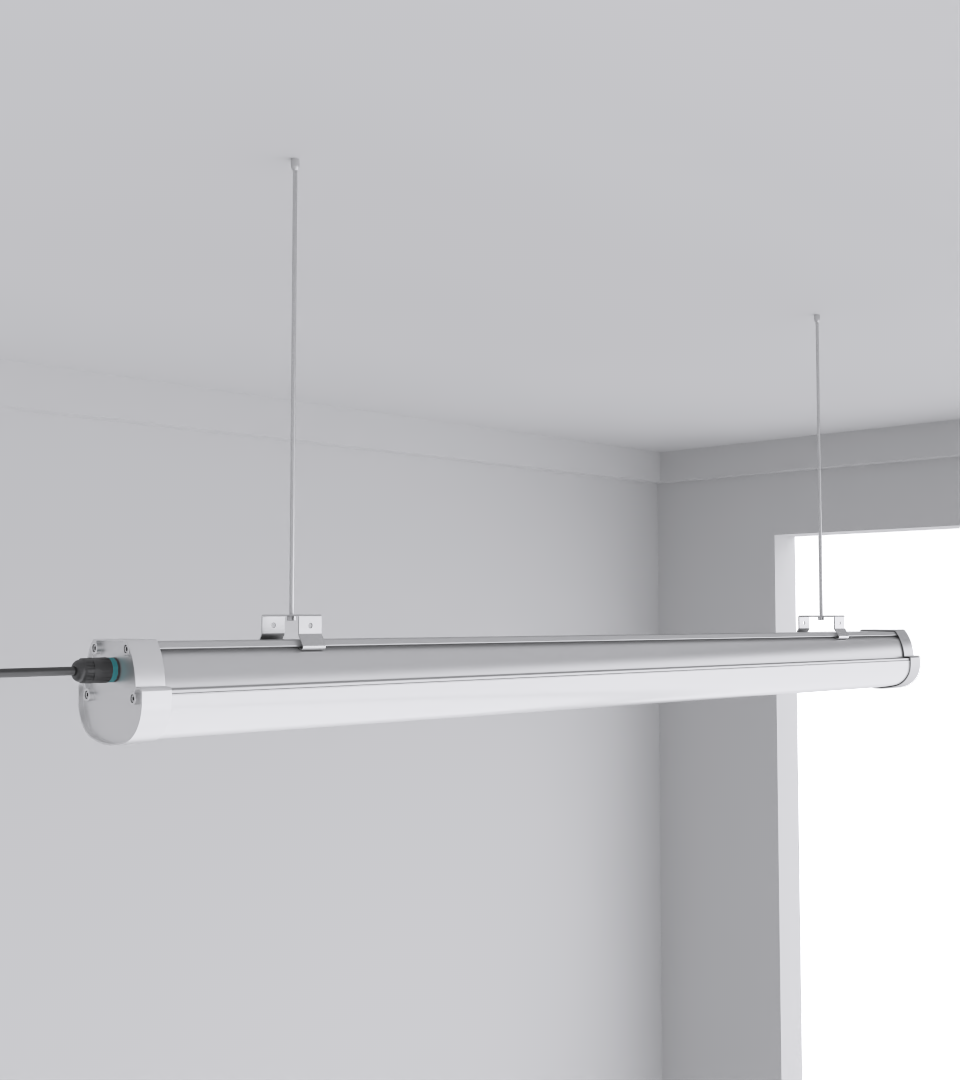
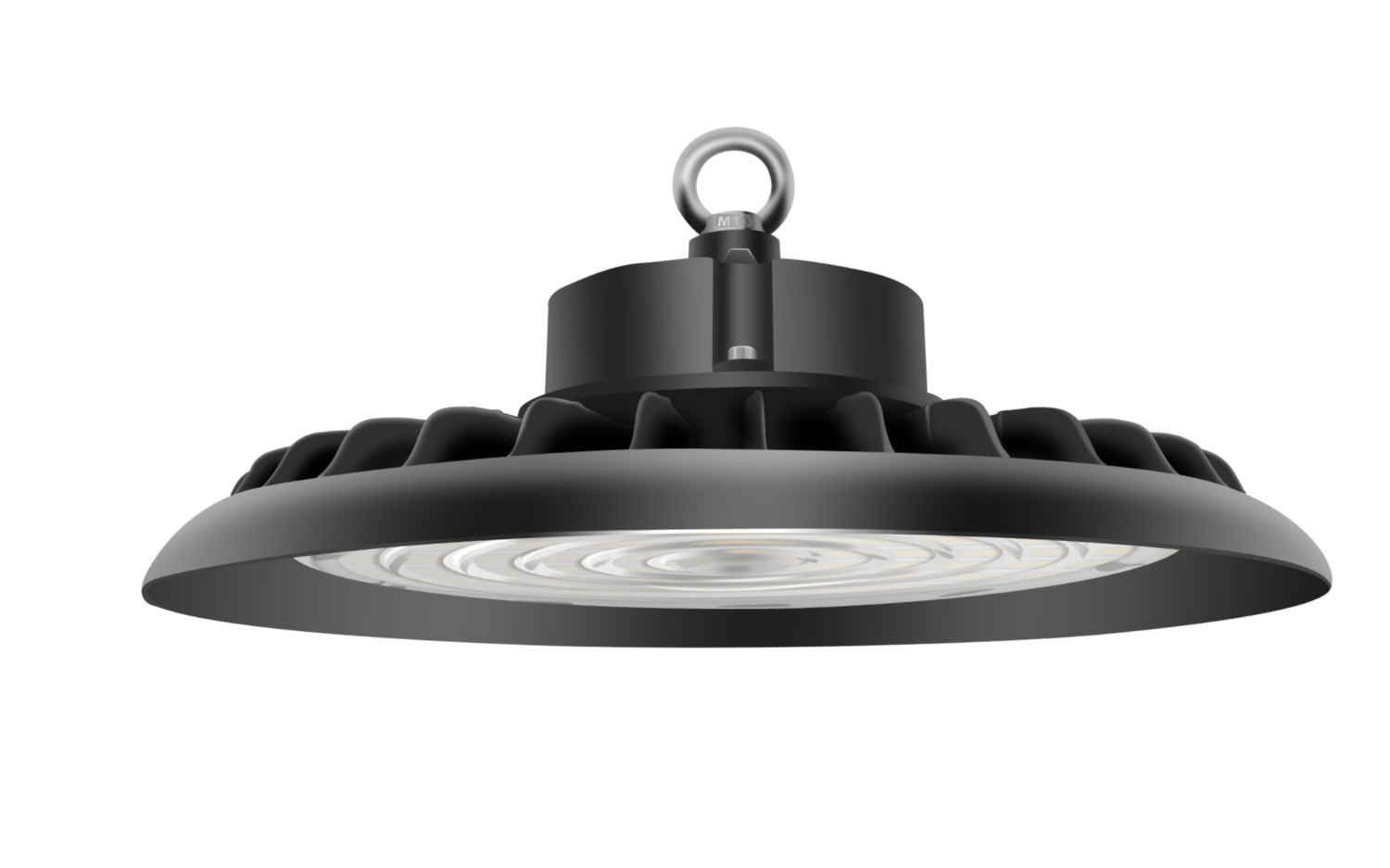
Lighting systems in data centers, especially traditional fluorescent or high-intensity discharge lights, contribute significantly to the heat load. These systems convert a large portion of electrical energy into heat, which can affect the overall cooling requirements of the facility.
- Types of Lighting in Data Centers: Fluorescent Lights and LED Lights.
- Heat Output Characteristics: Up to 20% of a data center’s total heat output comes from lighting systems.

Principles of Heat Recovery
Heat recovery involves capturing waste heat and repurposing it for other uses. This process can be applied to the heat generated by lighting systems to reduce reliance on traditional cooling methods and even provide energy for other functions within the facility.
- Heat Recovery Systems: Heat exchangers and heat pumps capture excess heat from lighting.
- Relevance to Lighting Heat: Lighting heat is consistent, making it an ideal candidate for recovery.
Technologies for Capturing Lighting Heat
Several technologies are available to capture and reuse heat in data centers, including heat exchangers, heat pumps, and integration with HVAC systems. Here’s a closer look at how they work:
- Heat Exchangers: Devices that transfer heat from lighting systems to a medium for reuse.
- Heat Pumps: Elevates the temperature of the captured heat for space heating or district heating.
- HVAC Integration: Integrates captured heat into the facility’s HVAC system to support cooling or preheat incoming air.
Applications of Recovered Lighting Heat
Once recovered, lighting-generated heat can be used for a variety of applications within the data center or beyond. These include:
- Space Heating: Recovered heat can warm the data center or nearby buildings.
- District Heating Networks: Excess heat can be redirected to a district heating system.
- Industrial Processes: Low-grade heat can be useful for industrial processes such as preheating water.
Case Studies and Real-World Implementations
Leading data center operators have already started implementing heat recovery systems, with impressive results:
- Meta: In Sweden, Meta recycles heat from both IT equipment and lighting to heat nearby homes.
- Amazon: Partnering with district heating systems, Amazon uses recovered heat for nearby communities.
Benefits of Lighting Heat Recovery
- Energy Efficiency: Recovering heat reduces overall need for mechanical cooling.
- Lower Operational Costs: Repurposing waste heat reduces reliance on external energy sources.
- Sustainability: Heat recovery reduces waste and contributes to energy efficiency.
Challenges and Considerations
While the benefits are clear, there are challenges that need to be addressed:
- Technical Challenges: Integrating heat recovery into existing systems can be complex.
- Economic Feasibility: The initial investment for heat recovery systems can be high.
- Regulatory Considerations: Depending on the region, regulatory barriers or incentives may apply.
Best Practices for Implementation
- Assess Feasibility: Evaluate existing infrastructure before deciding on heat recovery integration.
- Design an Effective System: Ensure the system can capture and reuse heat without compromising other operations.
- Monitor and Optimize: Regularly monitor the system to ensure it’s operating at maximum efficiency.
Future Trends and Innovations
- Smart Integration: Future systems will integrate with smart technologies to adjust heat recovery automatically.
- Emerging Technologies: Innovations in thermoelectric materials and efficient heat exchangers will lead to more energy savings.
Frequently Asked Questions (FAQ)
- What types of lighting generate the most heat in data centers? Traditional fluorescent and high-intensity discharge lights contribute the most heat.
- How does heat recovery benefit sustainability goals? It reduces energy consumption, lowers emissions, and enhances overall facility sustainability.
- What are the costs associated with implementing heat recovery? Initial investment may be high, but long-term savings from reduced energy costs and cooling requirements make it worthwhile.