
Zone-Based Lighting Energy Monitoring in Data Centers: Full Sensor, ROI & Integration Guide
Table of Contents
- What Is Zone-Based Lighting Energy Monitoring?
- Why Focus on Lighting Zones?
- Tools for Tracking Per-Zone Lighting Energy Use
- Integration with DCIM / EMS / BMS Systems
- Setting Up Zones: Layouts and Lighting Levels
- ROI, Payback, and Benchmarking
- Common Pitfalls (and How to Dodge Them)
- How to Start — and Scale Later
- Frequently Asked Questions (FAQ)
Key Takeaways
| Feature / Insight | Summary |
|---|---|
| What is it? | Monitoring how much energy is used by lighting in each separate zone. |
| Why it matters | Helps reduce energy waste, improve PUE, and justify retrofit upgrades. |
| Tools involved | Occupancy sensors, dimmable LEDs, CT meters, PoE lighting. |
| Integration with other systems | Connects with DCIM, BMS, or EMS platforms for centralized monitoring. |
| Benchmarks & ROI | Energy savings up to 72% per zone; ROI < 2 years in many cases. |
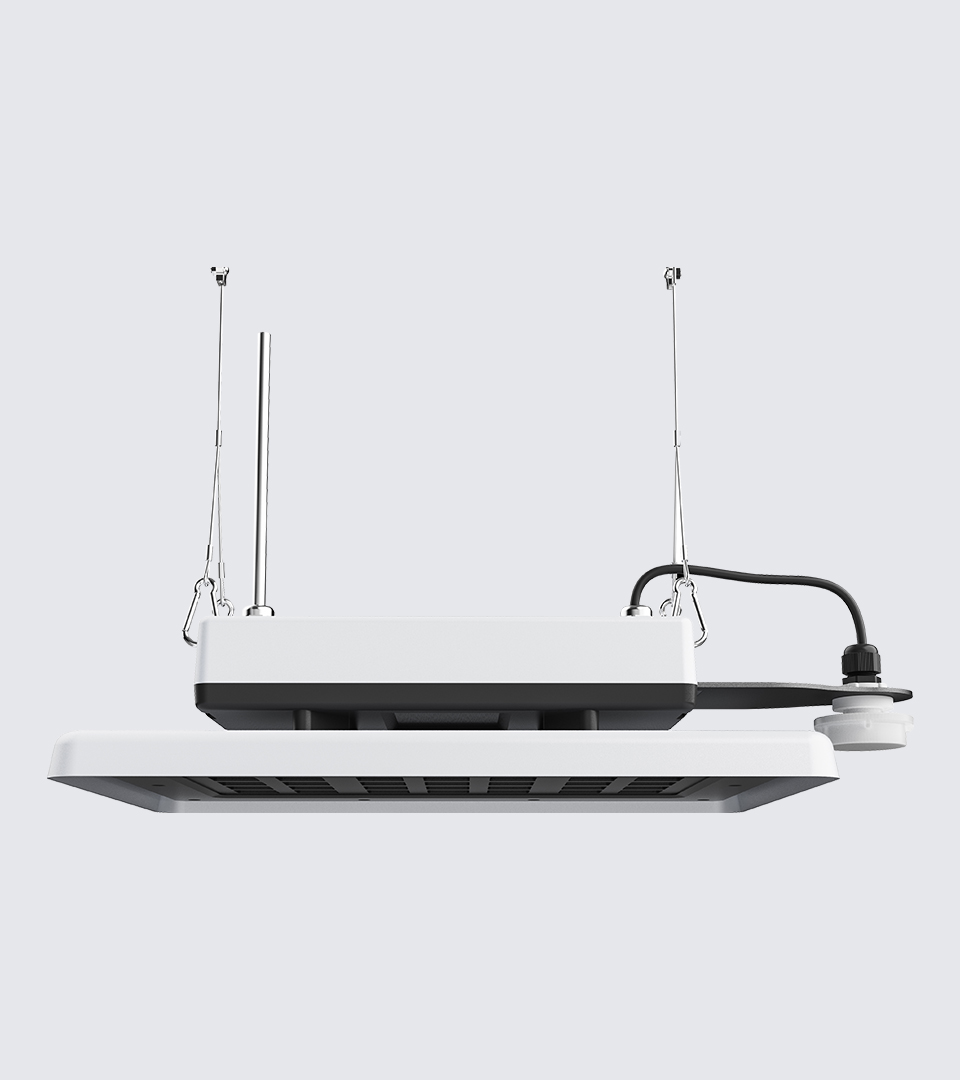
| CAE Product Examples | Squarebeam Elite, Quattro Triproof Batten, SeamLine Batten |
–
1. What Is Zone-Based Lighting Energy Monitoring?
Zone-level lighting monitoring refers to tracking energy use within specific segments of a facility—aisles, racks, corridors—not just the building as a whole. It’s different from total metering because it helps isolate where energy goes, and more importantly, where it doesn’t need to go.
- You don’t need 300 lux in the storage cage at 3 AM.
- Server aisles lit full-blast 24/7? That’s money leaking hourly.
- HVAC and power get attention—lighting should too.
Each “zone” can be assigned a purpose: transit, task, emergency, idle. Each role needs different lighting, and tracking energy use gives you data to support redesigns or upgrades.
2. Why Focus on Lighting Zones in the First Place?
Data centers eat energy. Lighting might not be the biggest slice of the pie (it’s ~3–5% typically), but it’s low-hanging fruit.
- Immediate savings from LED + motion-sensor combos.
- Less heat = lower HVAC load.
- Precise tuning possible by zone/scene.
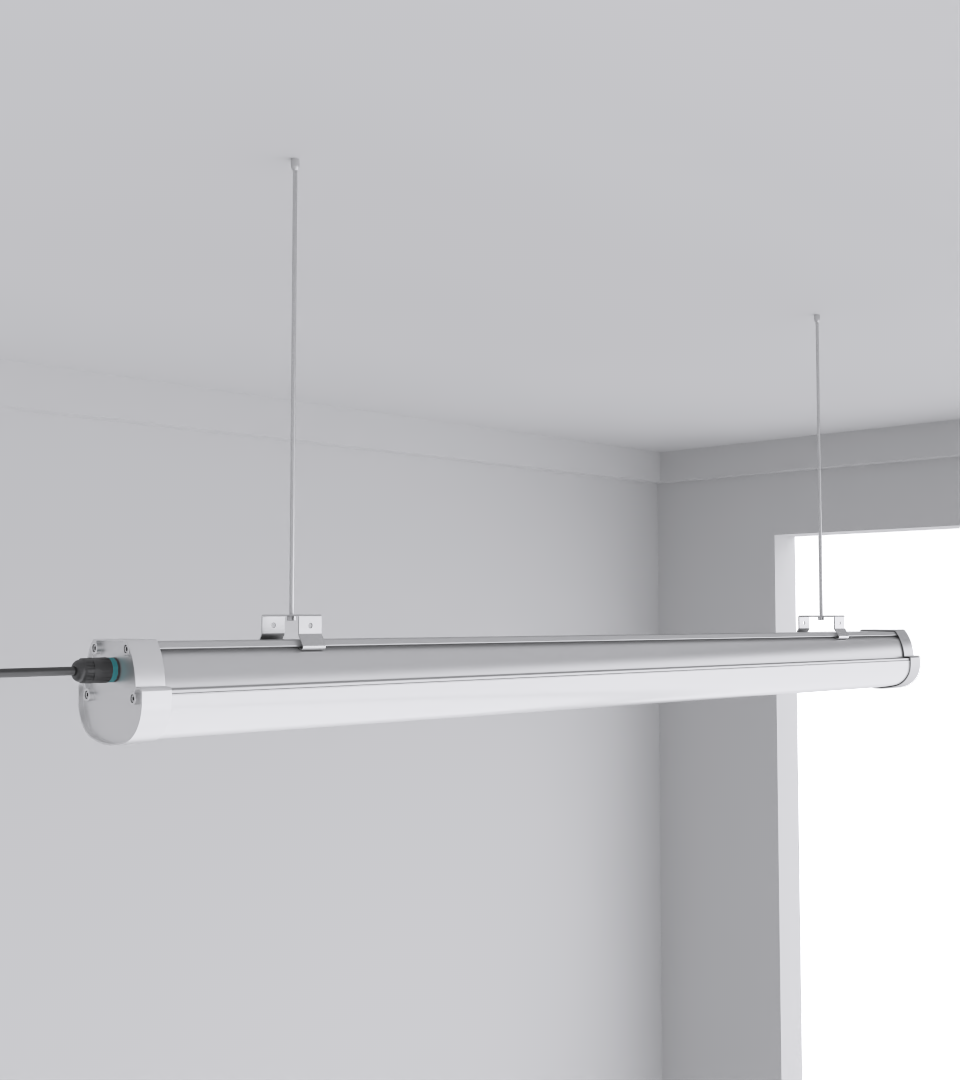
CAE’s Quattro Triproof Batten allows for zoning setups with PIR sensors and adjustable dimming. Perfect for back corridors, maintenance zones, or edge server racks.
3. Tools for Tracking Per-Zone Lighting Energy Use
There’s no single “magic sensor.” It’s usually a mix:
- PIR/Ultrasonic sensors → motion detection
- Dimmable drivers → adjust light output
- Current transformers (CTs) → measure circuit draw
- Smart modules → collect data, pass it to DCIM/BMS
- PoE fixtures → networked, power + control via Ethernet
Example: The SeamLine Batten can be fitted with integrated smart dimming + wireless controls.

4. Integration with DCIM / EMS / BMS Systems
Tracking data isn’t helpful unless it connects to systems people actually use. That means:
- Feeding data into dashboards (PRTG, GridPoint, etc.)
- Triggering alerts on unusual spikes (why is rack A12 lighting up all night?)
- Benchmarking usage vs. expected values
Integration Methods:
- BACnet/IP
- Modbus
- MQTT
- Direct REST APIs for cloud-based EMS

5. Setting Up Zones: Layouts and Lighting Levels
Zones aren’t always physical walls. They’re functional areas:
| Zone Type | Example Use Case | Recommended Lux |
|---|---|---|
| Transit Zone | Aisles, pathways | 100–150 lx |
| Task Zone | Server maintenance | 500 lx |
| Storage Zone | Non-critical shelves | 200–300 lx |
| Control Room | Staff workstation | 300–400 lx |
Don’t forget daylight zones—if there’s skylighting or windows (rare, but sometimes present), ambient light sensors can further trim unnecessary output.
6. ROI, Payback, and Benchmarking
Savings aren’t theoretical. Done right, CAE projects have seen:
- 65–72% lighting energy reductions
- Payback periods under 2 years
- HVAC savings due to lower heat load
Example:
| Area | Pre-Retrofit (kWh/mo) | Post-Retrofit | Savings |
|---|---|---|---|
| Storage Racks | 420 | 150 | 64% |
| Corridor Zones | 180 | 55 | 69% |
Smart monitoring allows you to show ROI with real-time data. Not feelings. Data.
7. Common Pitfalls (and How to Dodge Them)
- Sensor Overlap → Avoid double-activations by tuning range.
- Data Overload → Log at 1 min intervals; anything shorter floods your DB.
- Blind Zones → Use physical walkthroughs to catch sensor gaps.
- Failing Integration → Don’t assume BACnet = plug-and-play. Always test.
8. How to Start — and Scale Later
Start small. One aisle. One corridor. Monitor.
Then:
- Add more zones.
- Tweak thresholds.
- Train staff to check logs weekly.
When ready to scale, ensure firmware, controllers, and DCIM/BMS support modular expansion.
Frequently Asked Questions
Q: Do I need smart lighting in every zone?
A: No. Focus on low-occupancy and low-priority areas first.
Q: What protocol should I use—BACnet, MQTT, Modbus?
A: Depends on your DCIM or BMS. BACnet is common in legacy systems; MQTT fits cloud dashboards.
Q: What if sensors trigger too often or too rarely?
A: Adjust detection range and hold times. Also reposition or combine with schedule logic.
Q: Can lighting energy monitoring affect my PUE?
A: Yes. Lower lighting use = lower cooling demand = improved PUE.
Q: What’s the best product to start with?
A: The Squarebeam Elite is reliable for most mission-critical DC applications.
Ready to implement or spec lighting zone energy monitoring? Get in touch with CAE to consult your retrofit or new-build project.