
Daylight-Responsive Photocell Sensors for Data Centers: Full Technical Breakdown and ROI Insights
- Why Photocell Sensors Matter in Daylight Zones of Data Centers
- How Photocell Sensors Work in Practice
- Where to Install Photocell Sensors in a Data Center
- Technical Details You Can’t Skip
- Wireless vs Wired: Real-World Comparison
- ROI You Can Actually Calculate
- Common Failures and How to Avoid Them
- How to Commission and Integrate Sensors in Data Centers
- Frequently Asked Questions
Key Takeaways
| Question | Answer |
|---|---|
| What is a photocell sensor in a data center? | A photocell sensor adjusts light levels based on ambient daylight—automatically dimming or turning off fixtures. |
| Why use them in daylight areas? | To reduce energy consumption, meet compliance, and avoid overheating in light-exposed zones. |
| Where should they be placed? | Near skylights or windows, avoiding glare sources and high-dust zones. |
| What’s the ROI like? | Energy savings of 20–60%, with ROI often within 2 years. |
| Wired vs Wireless: Which is better? | Wireless systems are easier to retrofit; wired offers lower latency and no batteries. |
| How do they integrate with BMS? | Via 0–10V dimming, Zigbee, or nLight protocols for synchronized control. |
| What problems might occur? | Incorrect calibration, sensor obstruction, or deadband issues. |
| Do they meet ASHRAE and Title 24 requirements? | Yes—if installed and commissioned properly with compliant components. |
1. Why Photocell Sensors Matter in Daylight Zones of Data Centers
Most data centers are sealed, cold, and harshly lit. But daylight zones—edges near windows, clerestories, and skylights—exist in edge infrastructure buildings and logistics-integrated server halls. And in these zones, artificial lighting can easily overdo it.
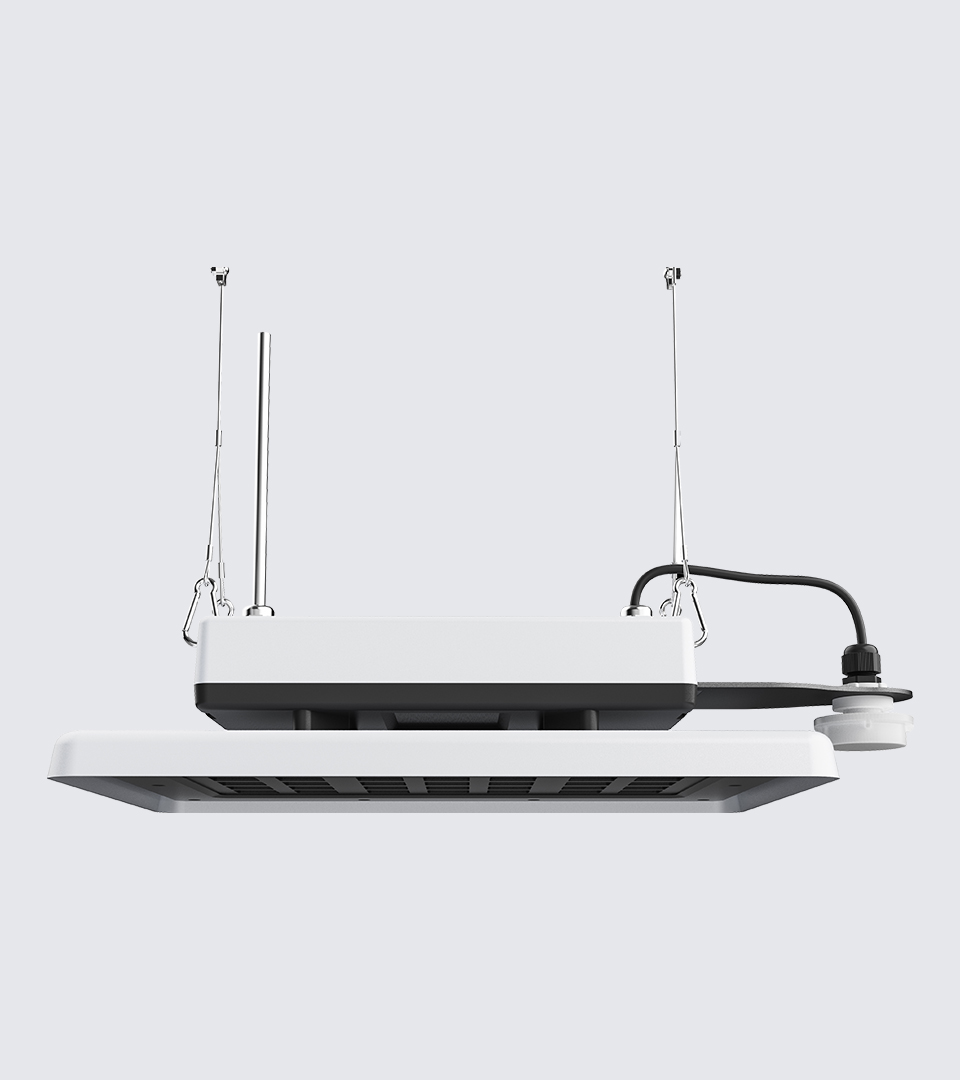
Photocell sensors reduce this by constantly adjusting fixture output based on natural light levels. It sounds basic, but when you’ve got 200 fixtures across 5 daylight aisles running 24/7, saving 20–60% lighting energy isn’t a suggestion—it’s a necessity.
2. How Photocell Sensors Work in Practice
Photocell sensors detect ambient light. They tell a driver or control unit to dim, boost, or cut off LEDs based on daylight contribution. Simple? Not quite. You need to consider:
- Open-loop sensors (measure only daylight)
- Closed-loop sensors (measure daylight + artificial)
Each sensor must match the space type. In data centers, open-loop sensors near skylights are preferred to prevent feedback loops.

3. Where to Install Photocell Sensors in a Data Center
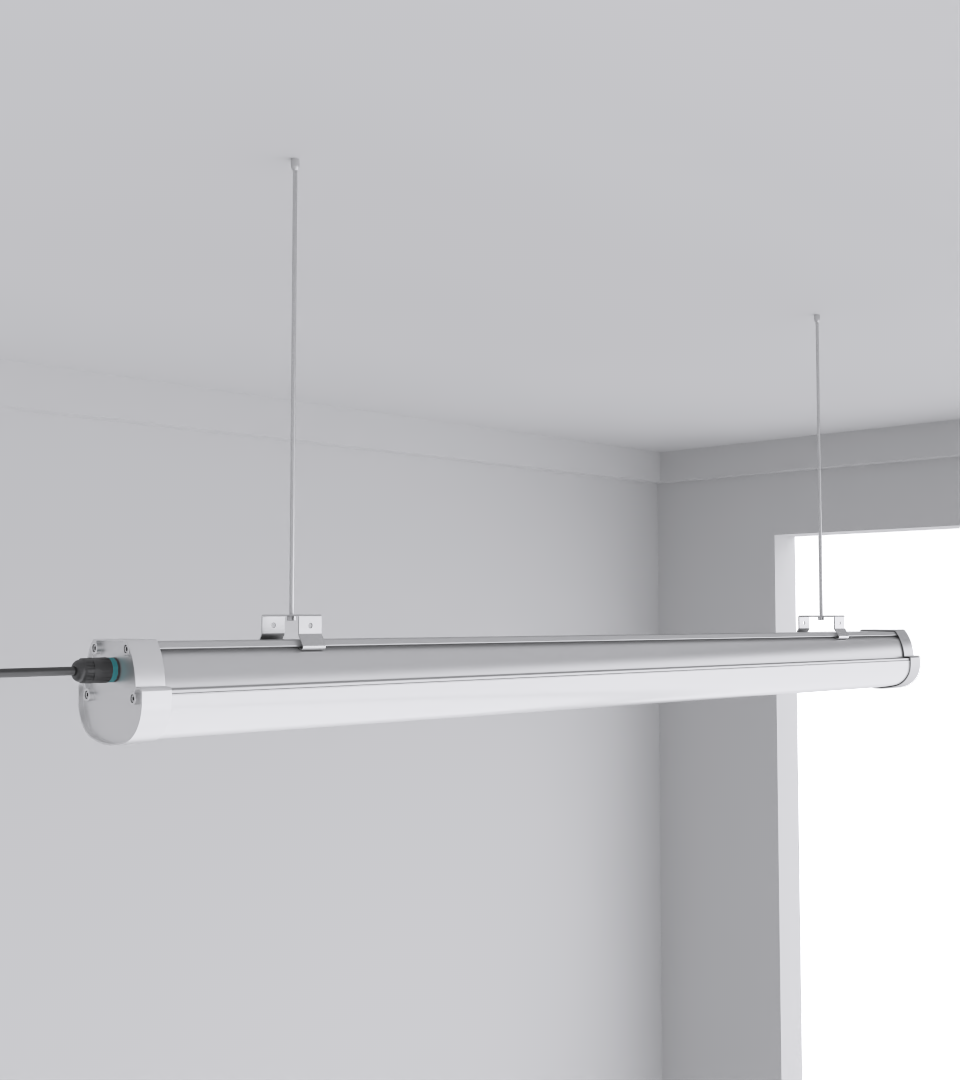
There’s no “magic location.” Placement depends on layout, airflow, racking height, and glare zones. Here’s a quick rule-of-thumb checklist:
- ✅ Place near daylight openings (not directly under)
- ❌ Avoid placing above reflective floor areas
- ✅ Keep away from HVAC vents and dust-heavy paths
- ✅ Match with light zones logically—not randomly
4. Technical Details You Can’t Skip
You’ll need more than “plug it in.” These are your spec checkpoints:
| Feature | Why It Matters |
|---|---|
| Lux Range | Must match ambient + fixture combined |
| Deadband Control | Prevents rapid on/off flicker cycles |
| Response Time | Avoid latency in dimming |
| Power Supply | 24VDC preferred in low-voltage racks |
| IP Rating | Minimum IP65 in humid halls |
5. Wireless vs Wired: Real-World Comparison
Some contractors argue over wireless reliability. After installing in six high-traffic Malaysian facilities, here’s what we learned:
| Criteria | Wired | Wireless |
|---|---|---|
| Latency | Lower | Slightly higher |
| Maintenance | Rarely needed | Battery swap every 8–10 years |
| Interference Risk | None | Watch for EMI from server cabinets |
| Installation Speed | Slower (conduit needed) | Faster retrofit |
| Cost (initial) | Higher | Lower (especially in retrofits) |
6. ROI You Can Actually Calculate
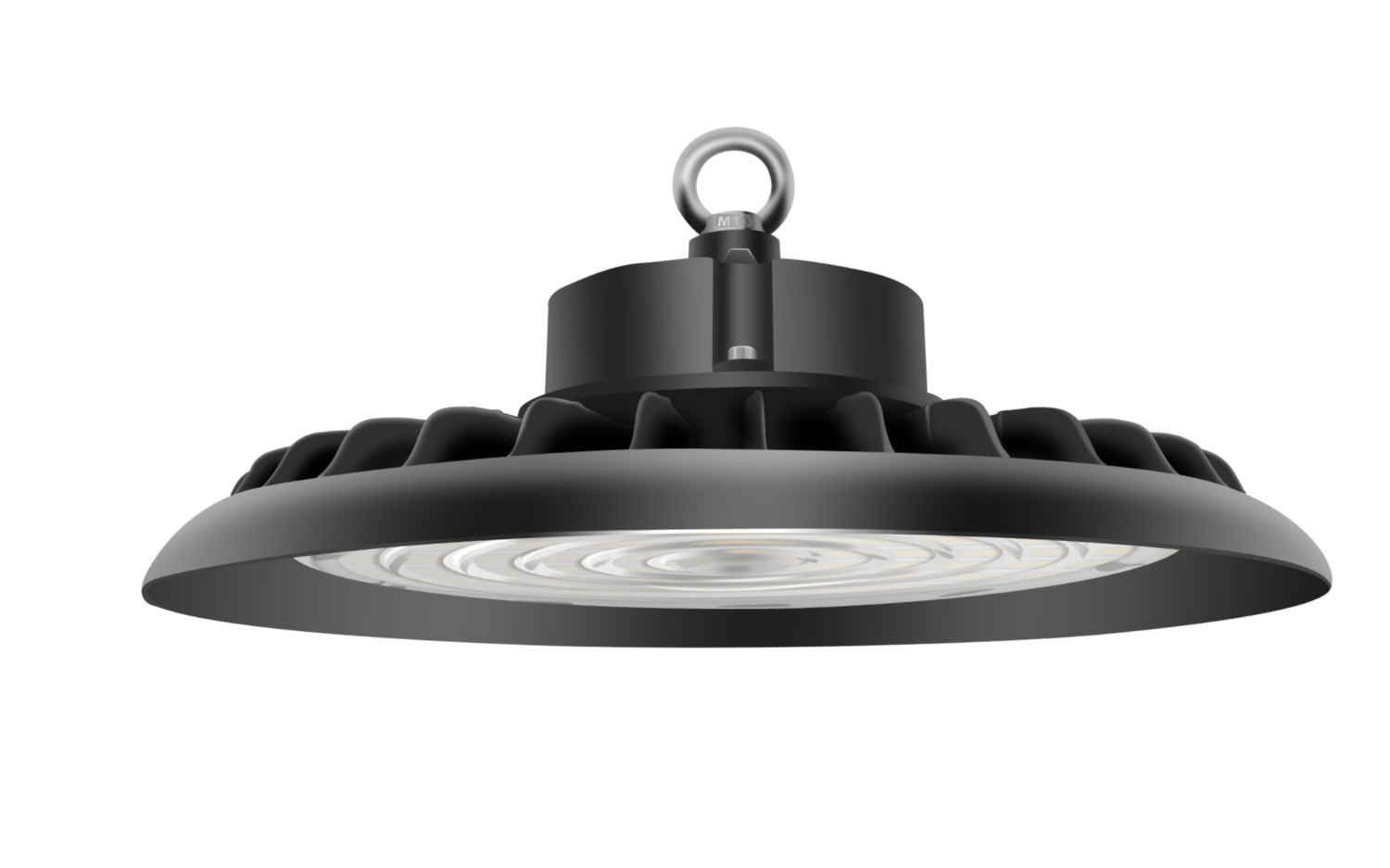
Let’s make this concrete. In a 30,000 sq ft edge data center with 180 fixtures:
- Baseline (always-on): 42,000 kWh/year
- With photocell dimming: 21,000–33,000 kWh/year
- Energy Savings: ~9,000–21,000 kWh
- Cost Saved/year (@$0.12/kWh): $1,080–$2,520
Sensors cost ~$35–$80 each. Installed, it’s ~$60–$120 per unit. If you avoid over-lighting during daytime hours, your payback is under 2 years.
7. Common Failures and How to Avoid Them
Even good sensors fail. Usually not because of the product—but install, spec, or calibration errors. Here’s a list we see too often:
- ❌ Deadband too narrow → flickering every 5 mins
- ❌ Sensor aimed at reflective rack → false readings
- ❌ Dirty lenses → dimming too early
- ❌ Wrong loop type → feedback loop overload
Calibration post-install is not optional. Walk the floor. Use a lux meter.

8. How to Commission and Integrate Sensors in Data Centers
Commissioning is usually skipped or rushed. Don’t. For data centers:
- Auto setpoint? Check again manually. Real-world lux may differ from spec.
- Use software group mapping if on mesh networks.
- Verify with logging. Use systems like nLight or Lightcloud to audit performance post-install.
If you integrate with a BMS, ensure synchronization with HVAC load shedding schedules—especially in colocation environments.
Frequently Asked Questions
Q: Can I use an outdoor photocell inside a data center near a skylight?
A: Not ideal. Indoor-rated sensors offer better deadband control and finer lux range calibration.
Q: Do photocell sensors interfere with emergency lighting?
A: No. Emergency fixtures operate on separate circuits with override logic.
Q: What happens if the sensor fails?
A: Most default to full output or hold-last-state, depending on the model. Critical loads should be verified.
Q: Can one sensor control multiple fixtures?
A: Yes, but only if all fixtures share daylight conditions. Zoning is key.
Q: Should I mix photocells with PIR sensors?
A: Absolutely—in high-traffic daylight zones like corridors or maintenance paths.