Recommended Lux Levels for Server Environments: Illuminance Standards, CRI Guidelines, and Data Center Lighting Compliance (2025)
Table of Contents
- Why Lighting in Data Centers Actually Matters
- What the Standards Say: TIA-942-A, EN 12464-1, and More
- Recommended Lux Levels by Zone
- What Makes Light Good Light: Uniformity, CRI, Glare
- LED Fixtures That Actually Work
- Energy & Heat: Why Lux Costs More Than It Seems
- Smart Control Systems That Save Power
- Don’t Skip Emergency Lighting
- Frequently Asked Questions
Key Takeaways
| Feature or Topic | Summary |
|---|---|
| 150–300 lux | For surveillance and idle server zones |
| 300–500 lux | For aisles and general workspace |
| 200/500 lux | 200 lux vertical / 500 lux horizontal for rack maintenance |
| Smart lighting | Use motion sensors, zonal dimming, circadian tuning |
1. Why Lighting in Data Centers Actually Matters
Ever had to plug in a server blade under a flickering light? Not fun. Lighting in data centers isn’t mood-setting fluff. It’s functional, technical, and critical. Under-illuminated racks lead to slow maintenance, errors in labeling, and plain old human mistakes.
Data centers are 24/7 machines. Maintenance teams don’t get to pick daylight hours. Visibility matters always. Proper lux levels keep things readable, safe, and efficient.
2. What the Standards Say: TIA-942-A, EN 12464-1, and More
- TIA-942-A sets three tiers:
- Surveillance: 150–300 lux
- Traversal: 300 lux
- Maintenance: 500 lux
- EN 12464-1 emphasizes:
- 500 lux for visual tasks
- Glare control (UGR < 19 recommended)
- Uniformity: U0 ≥ 0.6
3. Recommended Lux Levels by Zone
| Zone | Lux (Horizontal) | Lux (Vertical) | Notes |
|---|---|---|---|
| Surveillance (Idle zones) | 150–300 | N/A | Cameras, security checks |
| Aisle & General | 300–500 | 150–200 | Label reading, movement |
| Rack Maintenance | 500 | 200 | Fine visual work |
| Control Rooms | 500–600 | 250 | Screen visibility |
4. What Makes Light Good Light: Uniformity, CRI, Glare
- Uniformity (U₀, U₁): Avoid bright/dark patches. Target U₀ > 0.6 in open zones; > 0.8 for task areas.
- CRI (Color Rendering Index): 80+ is minimum for reading labels and identifying cabling colors.
- Color Temperature: Stick to 4000–5000K. Cooler color temp improves alertness during shifts.

5. LED Fixtures That Actually Work
Not all LEDs are built for server rooms. You need the right design for the right environment:
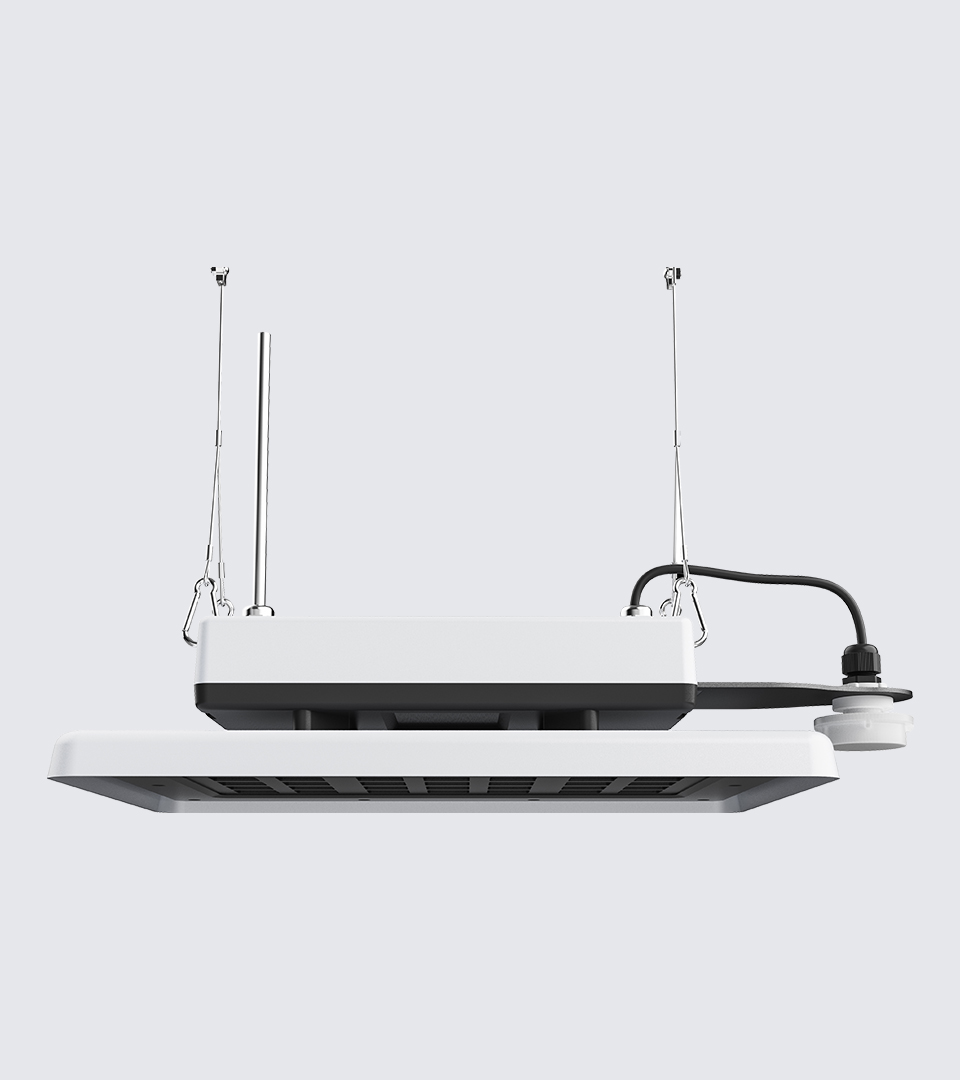
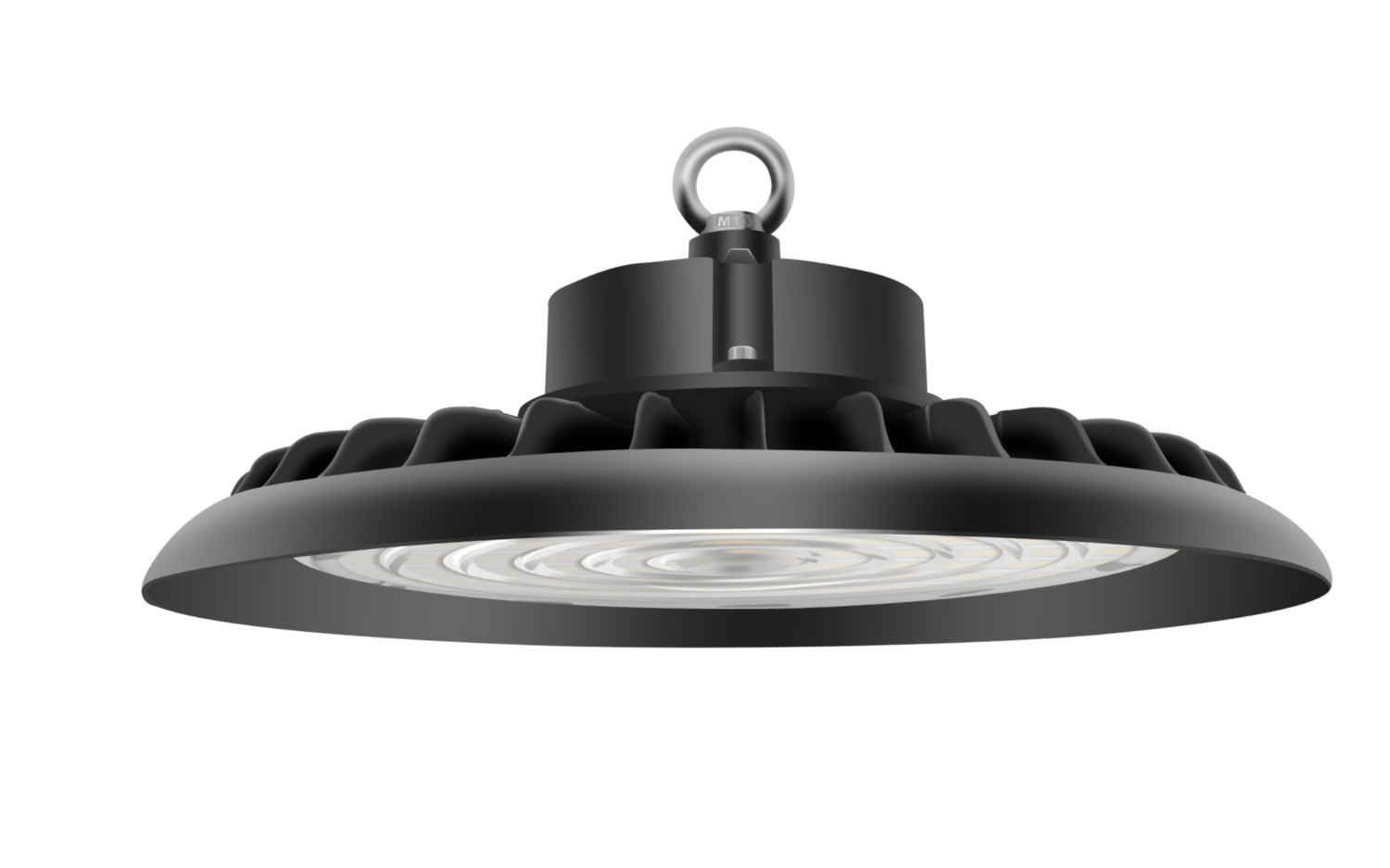
- High Bay LEDs: For tall ceilings and large open data halls.
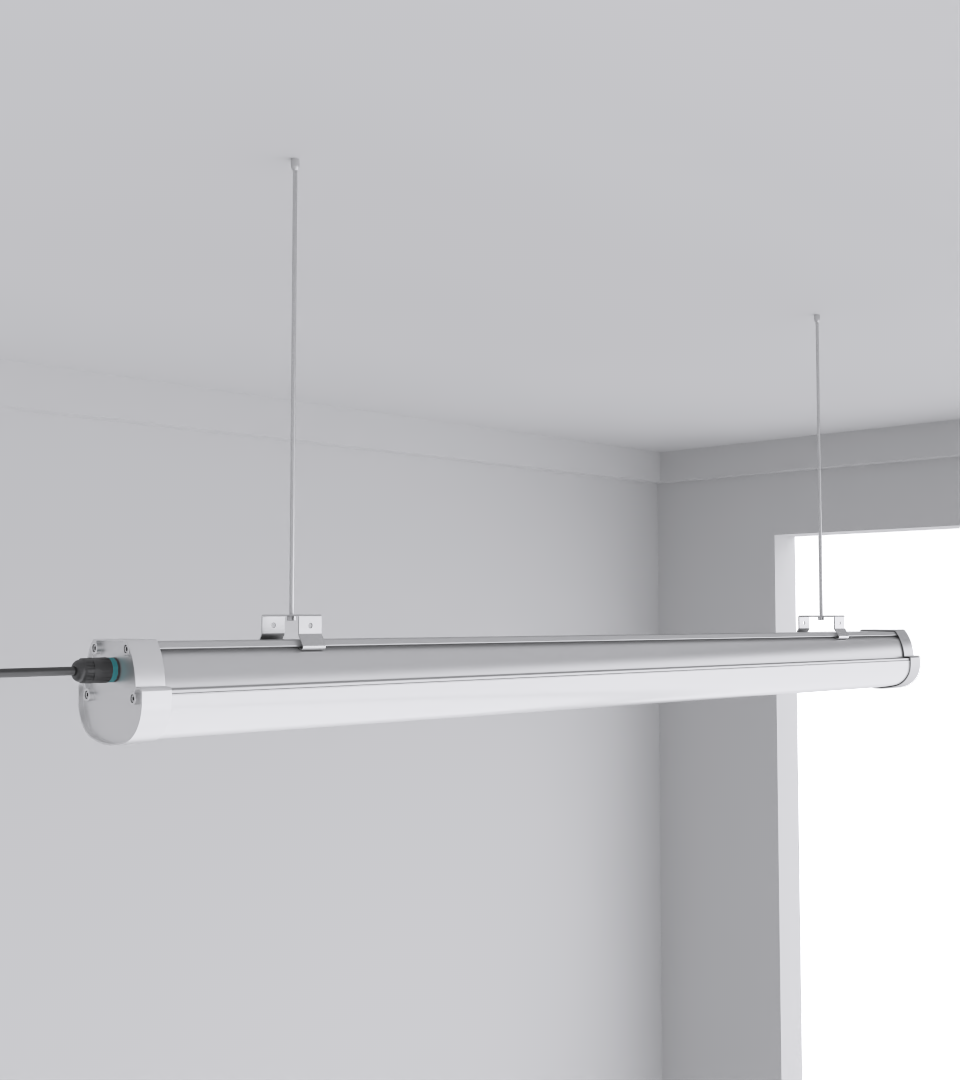
- Linear Battens: Precision lighting for aisles and rack rows.
- Triproof Fixtures: Sealed for dust, humidity, and thermal stress (ideal for hot aisles).
6. Energy & Heat: Why Lux Costs More Than It Seems
- Every extra lux adds heat load — impacting HVAC and raising cooling demand.
- Lighting affects PUE (Power Usage Effectiveness), especially in 24/7 high-density operations.
- Using LED fixtures with 150–190 lm/W efficiency helps reduce both wattage and heat.
- Reflective surfaces help — we saw a 37% drop in lighting energy after converting racks from matte black to gloss white.
7. Smart Control Systems That Save Power
- Motion Sensors: Reduce light output in idle aisles to 20% or lower.
- Zonal Dimming: Segment lights by work zone — only light what’s active.
- Circadian Lighting: Adjusts color temp throughout the day to support human alertness, especially for night-shift staff.
- Example: In a Malaysian facility, CAE’s motion-based battens cut lighting energy usage by 28%.
8. Don’t Skip Emergency Lighting
- Install IP65+ sealed luminaires along all escape routes and egress areas.
- Power redundancy matters: use either battery-supplied systems or central power systems (CPS).
- Minimum requirement: 1 lux along emergency paths.
Frequently Asked Questions (FAQ)
- Q1: How much lux is enough for cable labeling?
500 horizontal, 200 vertical is safe for small-font reading. - Q2: Does higher lux mean better safety?
Not always. Uniformity and glare matter just as much as intensity. - Q3: What’s a fast way to check lux?
Use a mobile lux meter or simulate using software like DIALux. - Q4: Can LEDs cause eye strain?
Yes — if the CRI is low or drivers flicker. Use 80+ CRI and flicker-free power supplies. - Q5: Should I use daylight sensors in windowless rooms?
No — unless there’s natural light, prioritize motion or occupancy sensors instead.