Modular Design in Data Centers: Full Technical Guide to Speed, Scalability, and Integration
–
- What Is Modular Design Flexibility — and Why It’s a Big Deal Now
- Modular vs Traditional Builds: Time, Money, and Space
- Key Advantages: What You Actually Get from Modular Design
- Limitations: Where Modular Gets Messy
- Technical Deep Dive: Cooling, UPS, and Smart Interconnects
- Deployment Planning: Best Practices from the Field
- Case Studies: Real Modular ROI, Not Just Hype
- Conclusion: Is Modular the Right Move for You?
- Frequently Asked Questions (FAQ)
Key Takeaways
| Feature or Topic | Summary |
|---|---|
| Deployment Speed | Modular facilities deploy in 2–3 months vs. 12–36 for traditional data centers. |
| Energy Efficiency | Smart lighting, zoned cooling, and UPS modularity reduce energy use significantly. |
| Scalability | Deploy only what you need now; scale modules up or down as workloads evolve. |
| Best Use Cases | Edge AI deployments, disaster recovery zones, pop-up sites, and fast retail expansion. |
What Is Modular Design Flexibility — and Why It’s a Big Deal Now
Modular design flexibility means you don’t have to build the whole pizza just to get a slice. Instead of constructing a massive facility all at once, you break it into manageable modules — prebuilt, pretested, and rapidly deployable. This model solves one of the biggest headaches in the data center world: time.
- Need a remote AI edge site in Malaysia? Add a container.
- Just landed a contract with a logistics giant? Stack on extra compute pods.
- Cooling issue in Zone 2? Swap or reroute just that block.
Flexibility here isn’t philosophical — it’s physical, electrical, and logistical.
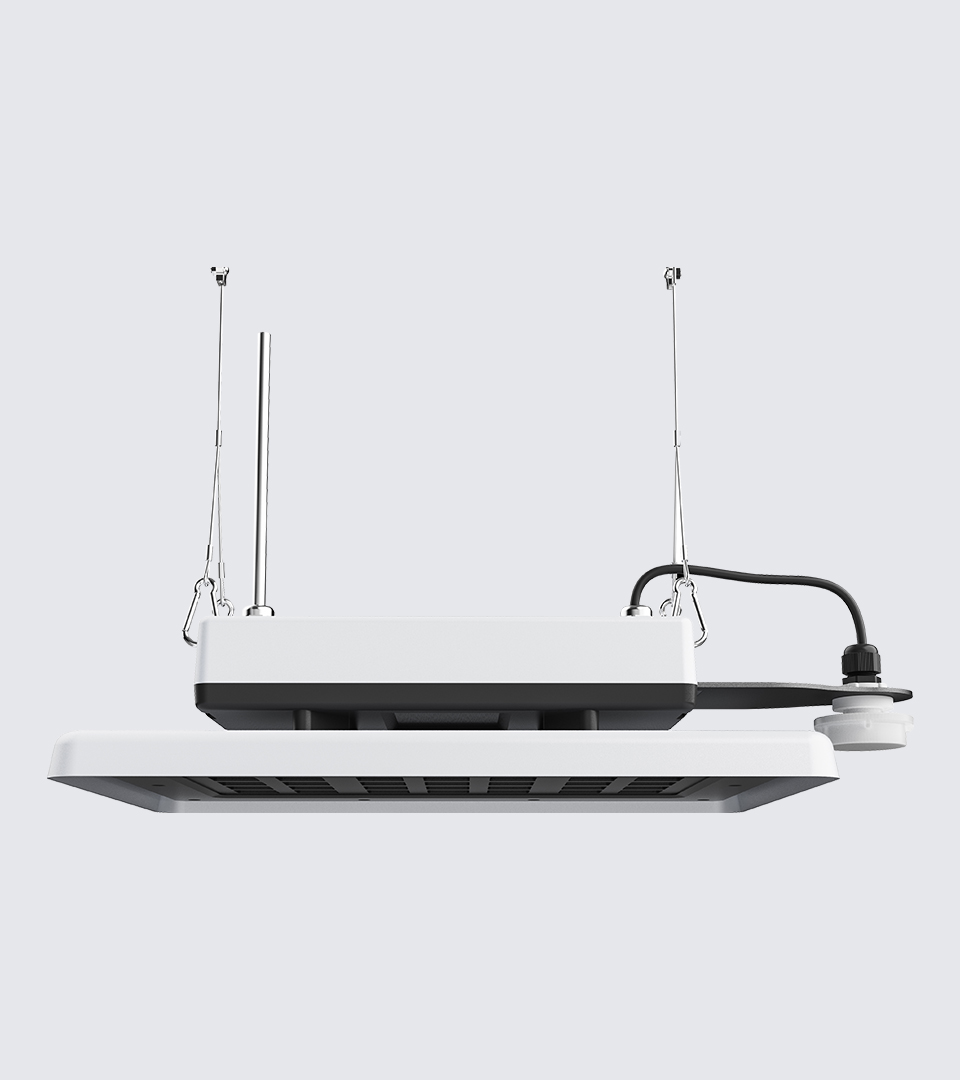
Where CAE Lighting fits in: we’ve delivered pre-wired, motion-sensor-activated batten lighting for modular deployments where HVAC and power layouts shift every six months. Products like the Squarebeam Elite keep light uniform in variable-height pods — especially important in heat-sensitive zones.
Modular vs Traditional Builds: Time, Money, and Space
| Factor | Modular | Traditional |
|---|---|---|
| Time to deploy | 2–3 months | 12–36 months |
| Initial CapEx | Moderate (factory-built) | High upfront |
| Scaling method | Add-on modules | Major retrofits |
| Energy optimization | Better airflow & zoning | Often inefficient |
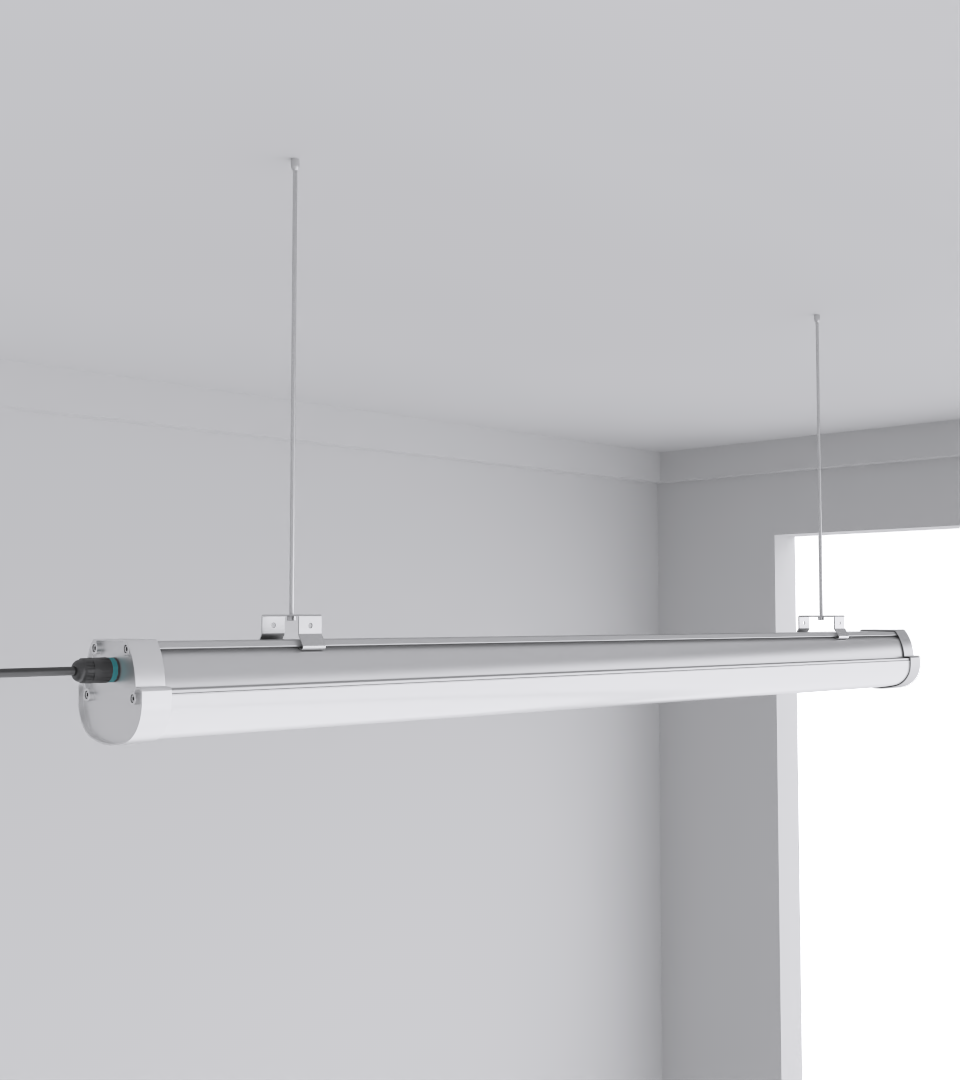
For example, during a project in Johor, we used SeamLine Battens in prefab racks to reduce aisle-level shadowing — all units were installed in under 2 hours.

Key Advantages: What You Actually Get from Modular Design
Modular systems aren’t trendy — they’re functional. Here’s what you can expect:
- Speed: Crisis deployment (think: pandemic hospitals) shows how critical speed is.
- Custom Configs: Hybrid racks, specialized cooling, separate UPS containers.
- Energy Savings: Better lighting, zoned HVAC, LED-integrated motion sensors.
- Portability: Move your pod, not your data. This saved a telco 3 months of downtime.
- Security & Compliance: Easier to fence off, isolate, and audit.
Lighting can’t be an afterthought here. Products like the Quattro Triproof Batten are used in these modules because they tolerate high humidity, sudden voltage swings, and IP65-rated washdowns.
Limitations: Where Modular Gets Messy
- Permits: Some local codes still treat containers as “non-permanent” structures.
- Integration: Syncing existing fiber, HVAC, and power with modules can be messy.
- Vendor lock-in: Some prefab vendors require proprietary management tools.
- Cooling Density: High-power AI racks stress module-level heat removal.
- Maintenance: Harder to service deep components inside tight pods.
One client nearly cooked $30,000 of equipment after assuming the container had its own thermal shutoff. We had to retrofit a backup lighting system with thermal-triggered emergency LEDs. (Lesson: plan for failure modes.)
Technical Deep Dive: Cooling, UPS, and Smart Interconnects
- UPS Modules: Lithium-ion hot-swap packs reduce downtime during maintenance.
- Interconnects: MODRIC designs allow better latency across distributed racks.
- Cooling: Some use ambient air systems; others go in-row with glycol chilled plates.
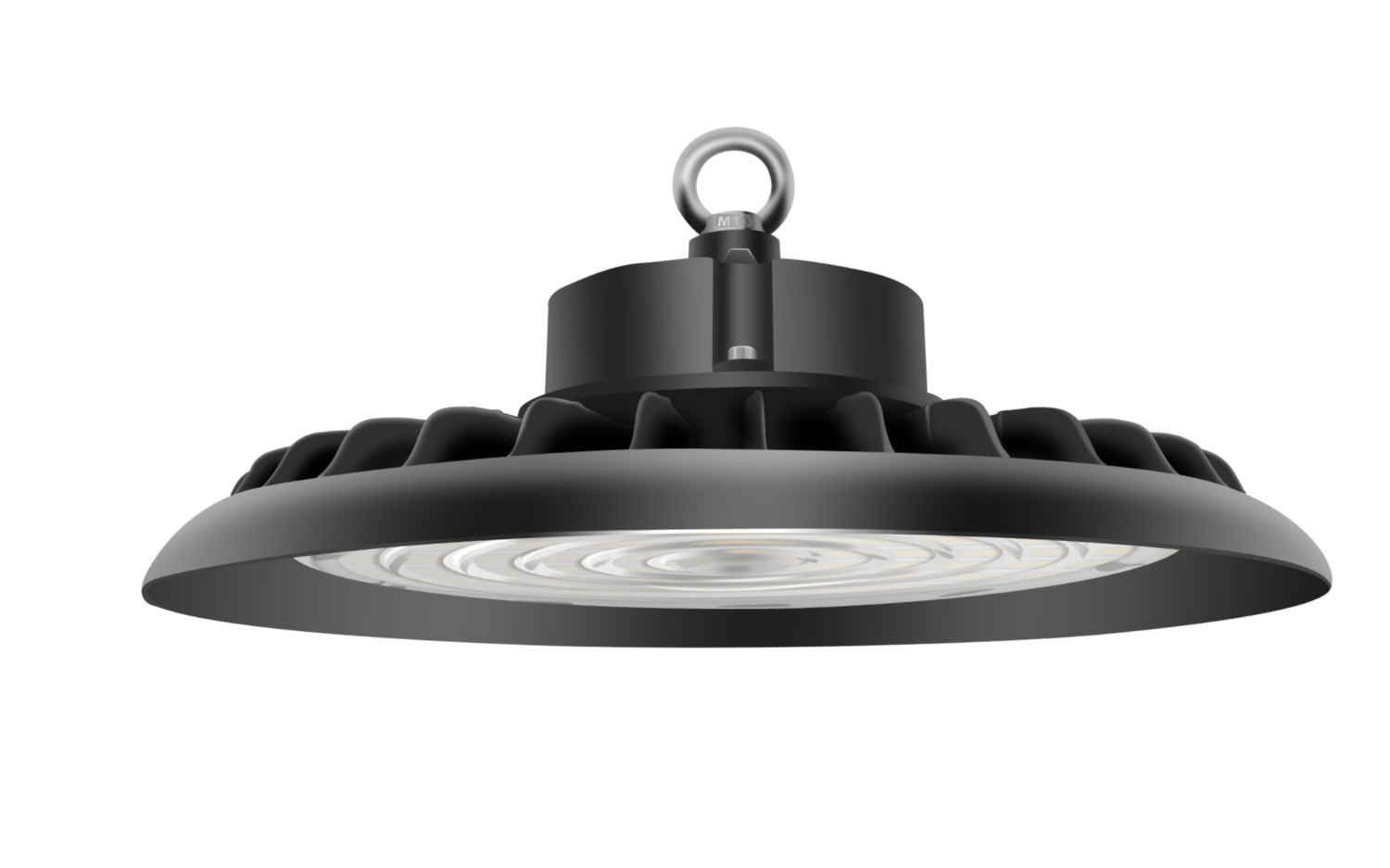
- Lighting Zoning: CAE’s Budget High Bay Light works in 6-meter high containers and uses PIR sensor zoning to reduce idle wattage.
Deployment Planning: Best Practices from the Field
- Do a power/fiber/environmental survey
- Plan phased deployment: 3 modules now, 4 later
- Use off-site prefab to cut noise and labor risk
- Don’t skip lighting: test lux uniformity with real racks in place
- Always simulate airflow + lighting before you install anything
One trick we’ve used: add motion sensors only to aisle lights, not every fixture. That alone saved 17% power in a Singapore test site.
Case Studies: Real Modular ROI, Not Just Hype
- Facebook: Flat-pack modules shaved months off their hyperscale rollout.
- Telco Edge Site in Thailand: Used CAE’s SeamLine + Quattro to deploy within 2 weeks post-fiber trenching.
- AI Test Bed: Modules built with redundant lighting and smart cooling zones improved thermal stability by 18%.
From our end, one major win: a mining firm in East Kalimantan ordered 6 prefab lighting kits, which were drone-delivered and operational within 48 hours.
Conclusion: Is Modular the Right Move for You?
Ask yourself:
- Do you need to scale quickly?
- Is downtime unacceptable?
- Are local construction permits a bottleneck?
- Will your workloads shift or expand unpredictably?
If you answered yes to even one — modular might be worth serious planning.
For lighting, visit CAE Lighting’s product hub or reach out via the contact page. We’ve supported projects from supermarket chains to AI edge deployments — fast, efficient, and field-tested.
Frequently Asked Questions (FAQ)
Q1: What is modular design flexibility in data centers?
A: It’s the ability to rapidly build, scale, or reconfigure data center capacity using prefabricated modules.
Q2: Can modular lighting reduce energy costs?
A: Yes. Sensor-controlled battens and zoned illumination can cut idle wattage by 15–30%.
Q3: Are modular data centers reliable for high-density AI compute?
A: With proper cooling and UPS design, yes. But thermal modeling and airflow planning are essential.
Q4: How do modular builds affect maintenance?
A: They make component swaps faster but can complicate access in densely packed units.
Q5: Is CAE Lighting experienced in modular deployments?
A: Absolutely. Our SeamLine, Squarebeam, and Quattro units are designed for flexible, containerized applications.
© 2025 CAE Lighting Co., Ltd — Built with real experience. No fluff. No guesswork.