
Dynamic Lighting Layouts in Data Centers: Advanced Design Strategies for 2025
–
- What Is Dynamic Lighting in a Data Center, Really?
- Reducing Power Usage Effectiveness (PUE) with Smarter Lighting
- Layouts: Why “More Lights” Doesn’t Equal “Better Coverage”
- Reflectance: The Forgotten Multiplier in Lighting Layouts
- Sensor Zoning & Control Layering (3-Level Protocol)
- Choosing the Right Fixtures for Heat, Spacing & Mount Type
- System Architecture: DALI, PoE, Low Voltage
- Post-Installation Testing, Maintenance & ROI Timeline
- Frequently Asked Questions (FAQ)
Key Takeaways
| Feature or Topic | Summary |
|---|---|
| Integration Benefits | Energy savings, streamlined operations, enhanced monitoring, and predictive maintenance. |
| Key Protocols | BACnet, Modbus, SNMP ensure interoperability. |
| Implementation Strategies | Assess existing infrastructure, select compatible systems, phased deployment recommended. |
| Operational Advantages | Reduced downtime, improved safety, occupant comfort, and significant sustainability contributions. |
What Is Dynamic Lighting in a Data Center, Really?
Dynamic lighting isn’t a buzzword. It’s a response system. Fixtures don’t just switch on or off—they adjust output based on occupancy, ambient light, and scheduled automation.
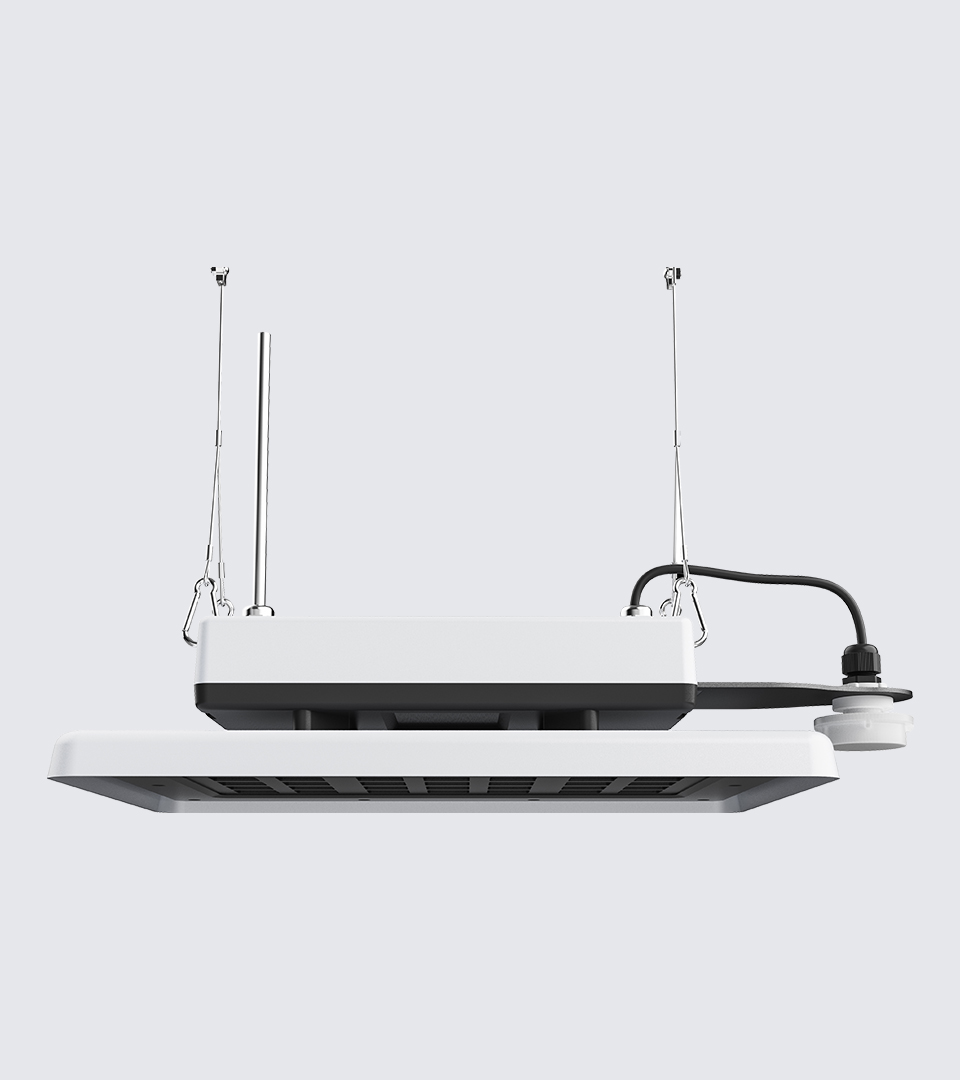
Reducing Power Usage Effectiveness (PUE) with Smarter Lighting
Lighting may not be the biggest load in a data center, but its impact on cooling is nontrivial. Every unnecessary watt spent lighting an empty aisle adds to the heat burden. That, in turn, boosts your cooling cost.
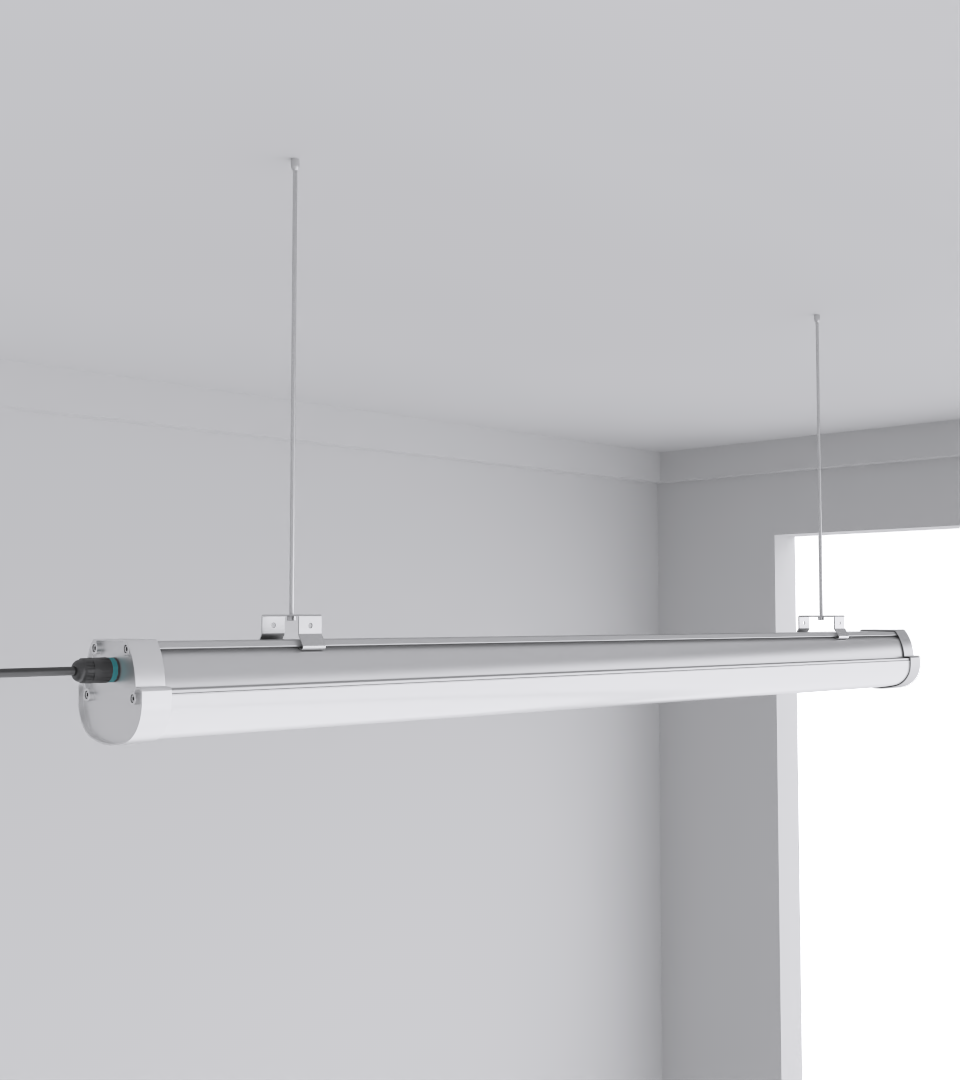
Layouts: Why “More Lights” Doesn’t Equal “Better Coverage”
Here’s where real-world mistakes creep in. Facilities often oversaturate with fixtures because they don’t account for:
- Aisle width
- Rack height
- Reflective ceiling or flooring
- Mount height (surface vs suspended)

Reflectance: The Forgotten Multiplier in Lighting Layouts
Changing your rack color can affect your lighting bill. Sounds ridiculous? Here’s what we’ve seen:
- Black server racks: Absorb ~85% of light
- White/silver racks: Reflect up to 60%, reducing needed lumens

Sensor Zoning & Control Layering (3-Level Protocol)
The best lighting design isn’t static. It reacts. A well-zoned layout includes:
- Ambient Mode – low-level standby lighting
- Presence Mode – brightened when someone enters the aisle
- Task Mode – full brightness during maintenance or emergencies
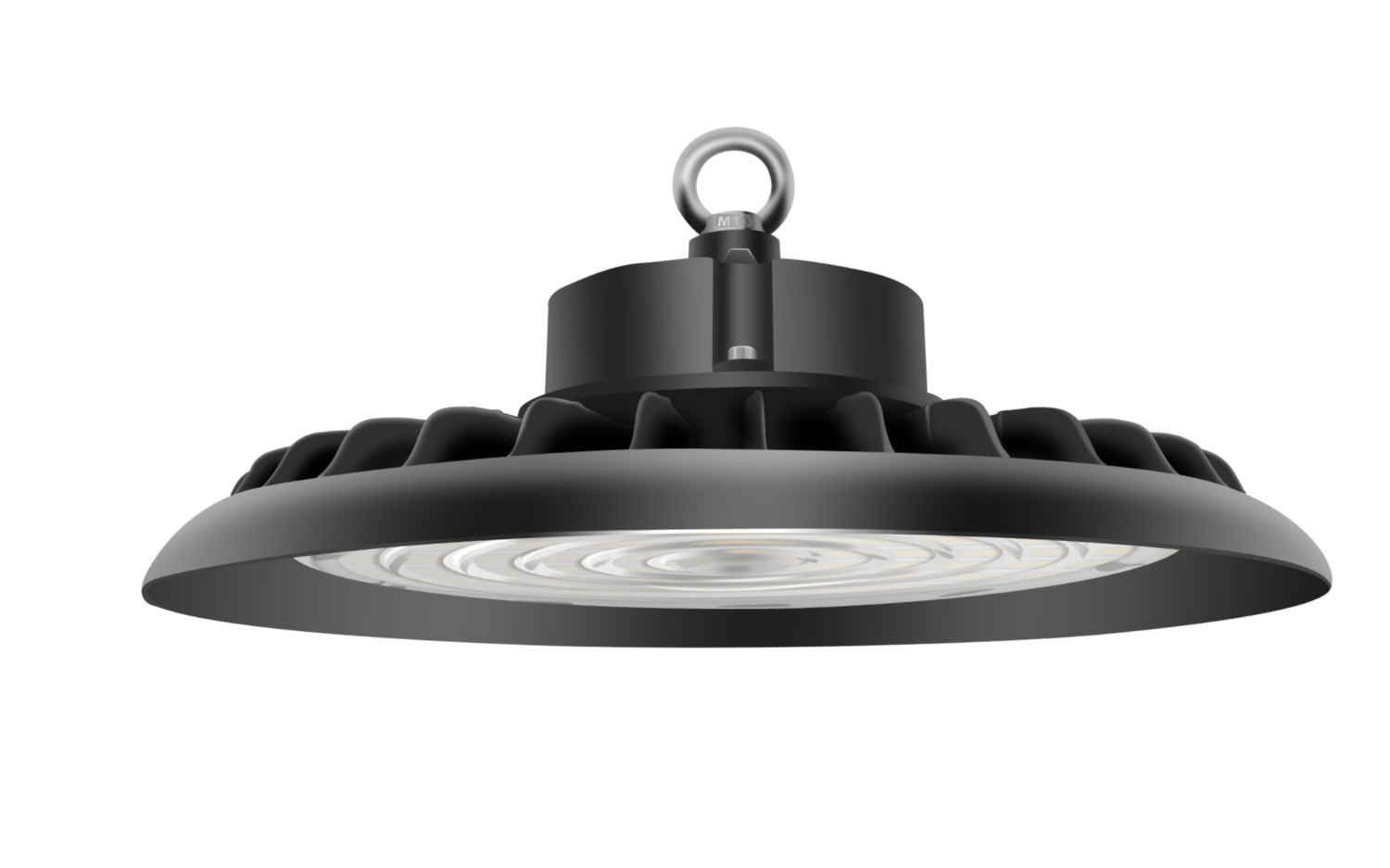
Choosing the Right Fixtures for Heat, Spacing & Mount Type
In enclosed server halls, heat matters. Fixtures with poor thermal dissipation will degrade fast—even LEDs. Key specs include:
- Operating Temp: 0°C–55°C
- Ingress Rating: IP65+
- Thermal Sink: Passive aluminum
- Mount Height: Adjustable 2–6m
System Architecture: DALI, PoE, Low Voltage
DALI (Digital Addressable Lighting Interface) remains a solid default. But many facilities now pivot to:
- PoE (Power over Ethernet)
- DLVP (Low Voltage Power)
Post-Installation Testing, Maintenance & ROI Timeline
Too many installs skip validation. You must verify:
- Lux levels across the grid
- Sensor response latency
- No glare on camera zones
- Clean lenses quarterly
Frequently Asked Questions (FAQ)
Q1: Can I retrofit a dynamic system on an older LED layout?
Yes, but your control backbone matters. Retrofitting sensors is easy. Integrating DALI or PoE needs new wiring or converters.
Q2: Do sensors work in cold aisles with constant airflow?
Avoid PIR near direct airflow. Use microwave or hybrid sensors for stability.
Q3: What’s the best way to start planning a dynamic layout?
Begin with lux mapping and rack reflectance analysis. Work with your lighting supplier to simulate spacing and control logic.
Q4: How often should sensors and luminaires be replaced?
Sensors: ~5–7 years. LEDs: ~8–10 years with proper cooling. Dust can reduce efficiency by 20%—cleaning is essential.