
Data Center Lighting Systems: Technical Integration, Compliance Strategies, and Product Benchmarks
- Why Lighting Matters in Data Centers
- Core Lighting Principles for Modern Data Center Infrastructure
- Recommended LED Products for Server Environments
- Energy Efficiency and Thermal Performance
- Security and Redundancy in Lighting Systems
- Compliance with Standards and Certifications
- Integration with Virtualization and Cloud Infrastructure
- Q&A
Key Takeaways
| Benefit | Details |
|---|---|
| Enhanced Energy Efficiency | LED lighting reduces energy consumption and heat load. |
| Compliance Assurance | Supports safety and infrastructure codes across server environments. |
| Improved Maintainability | Long lifespans and modular designs reduce maintenance cycles. |
| Infrastructure Synergy | Compatible with networking equipment, raised floors, and redundancy systems. |
| Product Versatility | Choose from high-performance options like Squarebeam Elite and Quattro Triproof. |
Why Lighting Matters in Data Centers
Lighting in data center infrastructure isn’t just about visibility—it’s about operational control, energy efficiency, safety, and performance. As servers, networking equipment, and virtualized resources process high workloads 24/7, inadequate lighting can impede emergency responses and complicate maintenance.
Modern LED systems are engineered to serve both physical and virtual infrastructure environments, supporting cooling systems and digital monitoring setups without adding thermal burden.
Core Lighting Principles for Modern Data Center Infrastructure
- Task-oriented Illumination
- Glare Reduction
- Redundancy & Failover Integration
Recommended LED Products for Server Environments
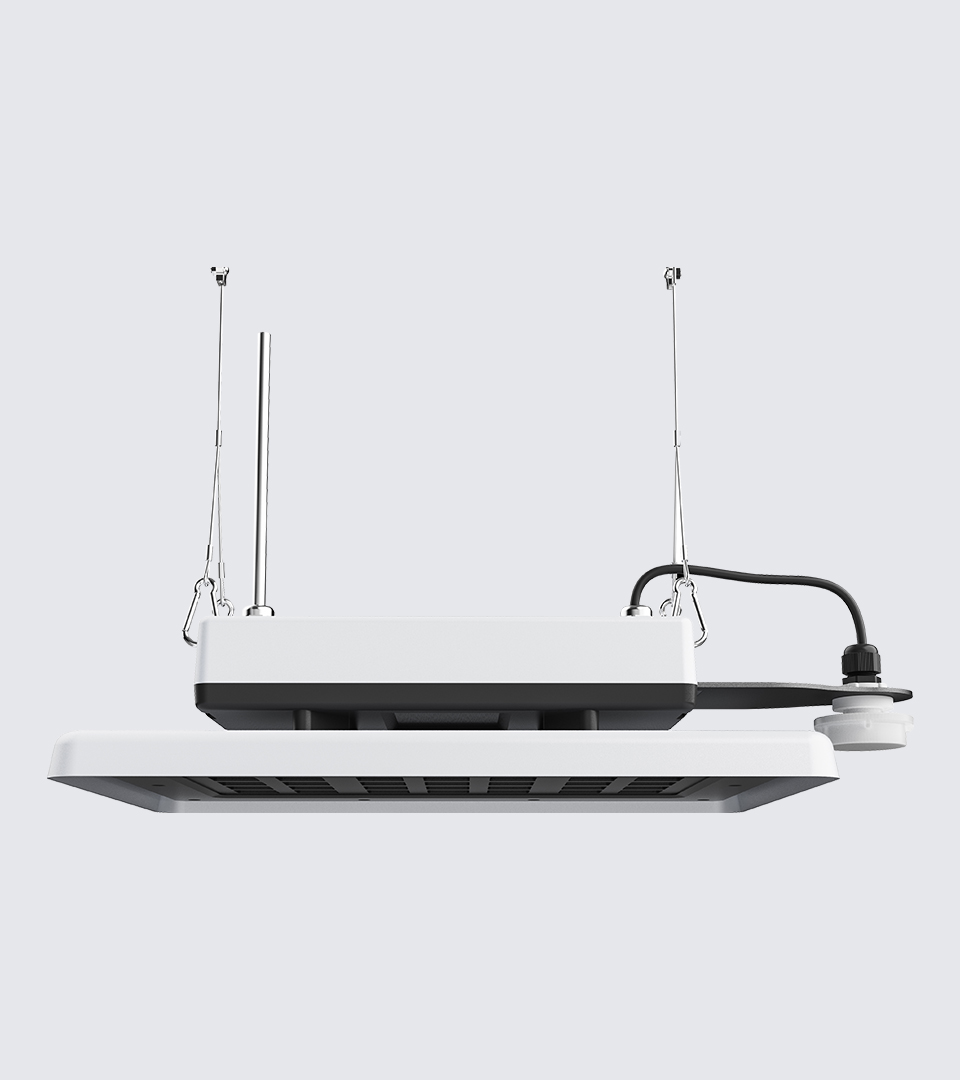
Squarebeam Elite
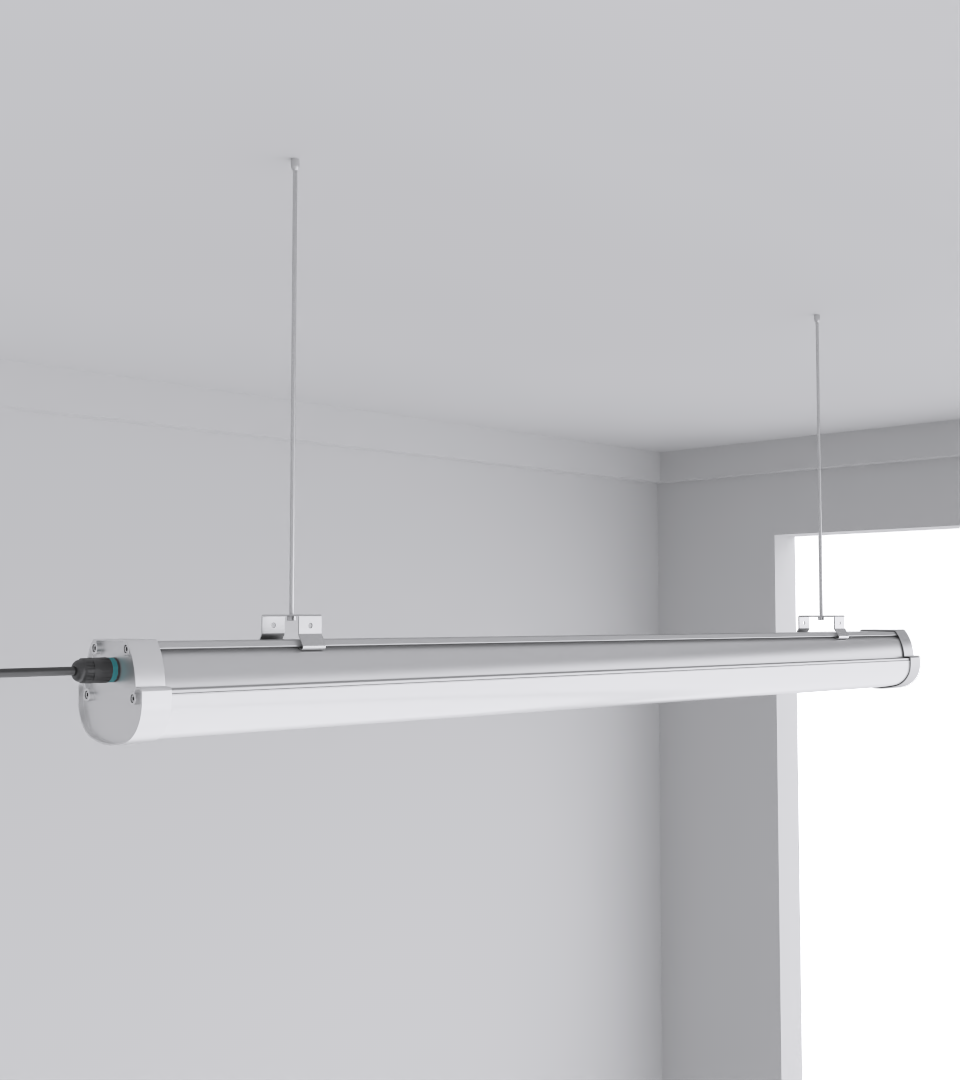
Quattro Triproof Batten
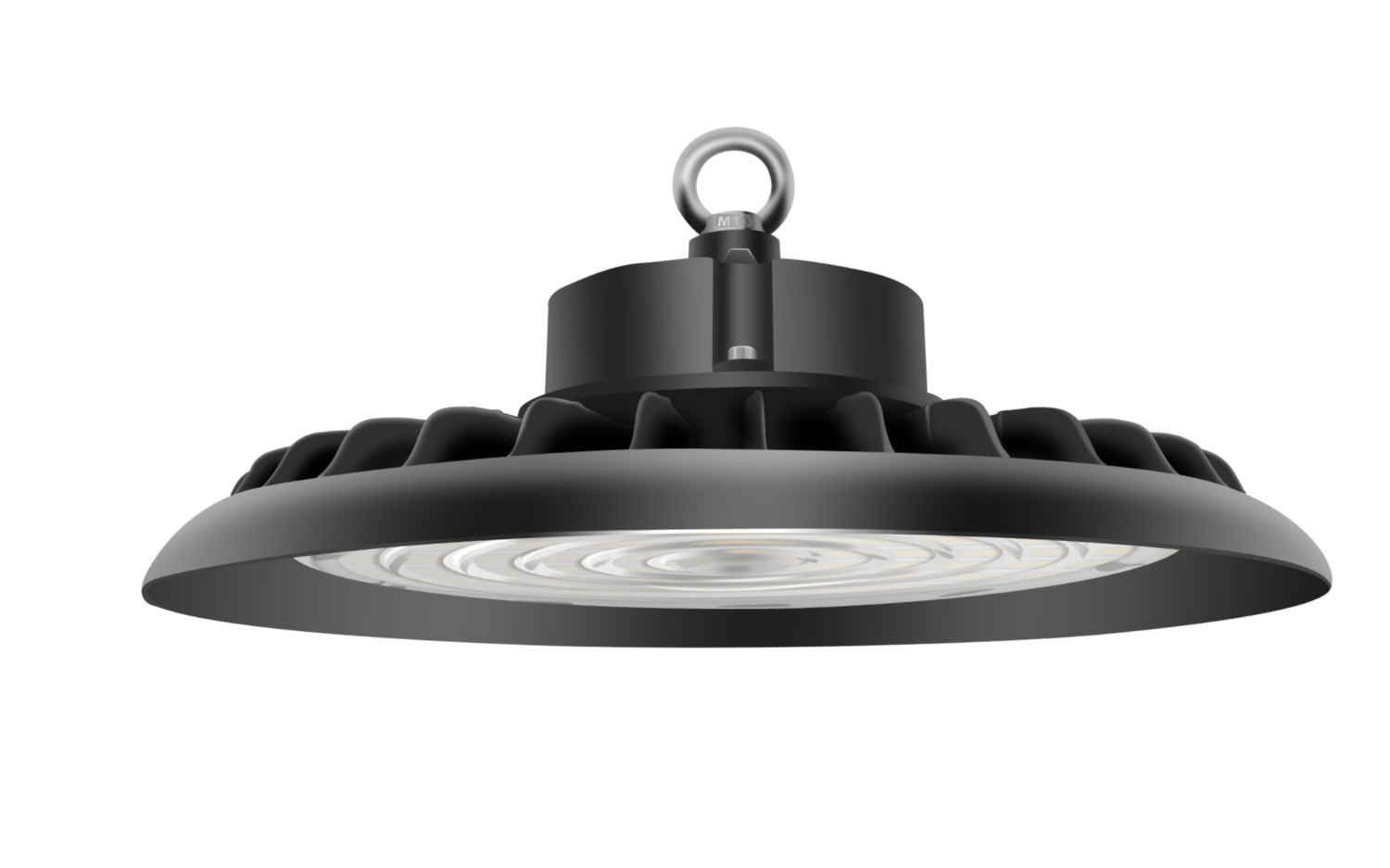
Budget High Bay Light
SeamLine Batten

Simplitz Batten V3 (Osram)

Energy Efficiency and Thermal Performance
LEDs like the Squarebeam Elite and SeamLine Batten provide over 150 lm/W, reducing electrical strain on power systems while generating negligible radiant heat—critical for maintaining the effectiveness of cooling strategies like CRACs and hot/cold aisle containment.
LED fixtures help data processing environments remain thermally neutral, reducing dependency on active cooling.
Security and Redundancy in Lighting Systems
Lighting supports both physical security (motion sensors, visual checks) and operational redundancy. Integration with UPS and generator-backed circuits ensures that lighting remains functional during critical power failures, protecting technician visibility and system oversight.
Compliance with Standards and Certifications
CAE Lighting products are tested against:
- IEC photometric & safety standards
- ISO and ANSI lux-level requirements
- UL and EN emergency lighting protocols
Whether in enterprise setups or edge computing facilities, lighting must align with frameworks like NFPA 75/70, ASHRAE 90.4, and TIA-942.
Integration with Virtualization and Cloud Infrastructure
LED systems must complement virtualized environments and cloud computing ecosystems, especially when housed within modular or containerized data centers.
Smart lighting controls can:
- Sync with rack activity to reduce idle load
- Interface with BMS or DCIM platforms
- Adjust intensity based on occupancy and workload scheduling
Q&A
Q1: What role does lighting play in maintaining security in data centers?
A: Lighting supports camera visibility, motion detection, and staff monitoring. Without proper illumination, blind spots in security protocols emerge.
Q2: How do LED fixtures improve energy savings in colocation data centers?
A: By reducing wattage per luminaire and integrating daylight and occupancy controls, they minimize power usage without compromising visibility.
Q3: Can these lights operate under emergency conditions?
A: Yes, solutions like the Quattro Triproof Batten support battery backups and are often paired with dual-circuit redundancy for fail-safe operation.
Q4: Do LEDs contribute to heat reduction in server environments?
A: Absolutely. LEDs emit significantly less heat compared to traditional fluorescent or halogen lights, reducing the burden on cooling systems.